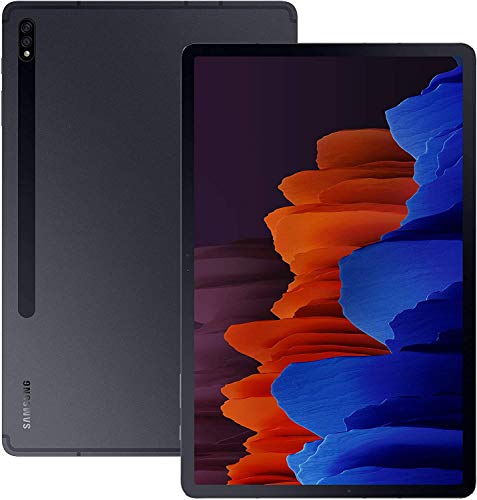
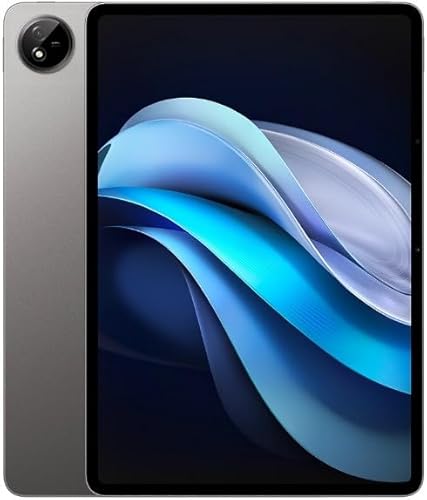
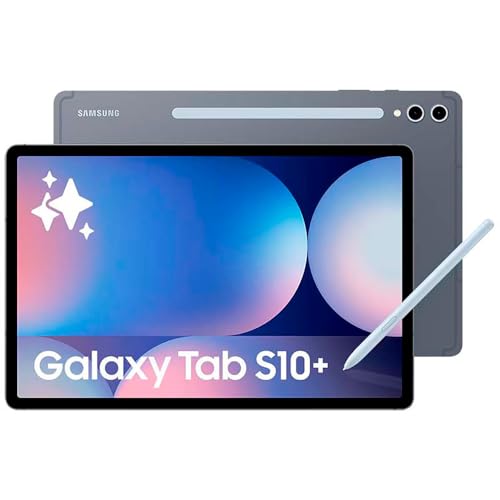
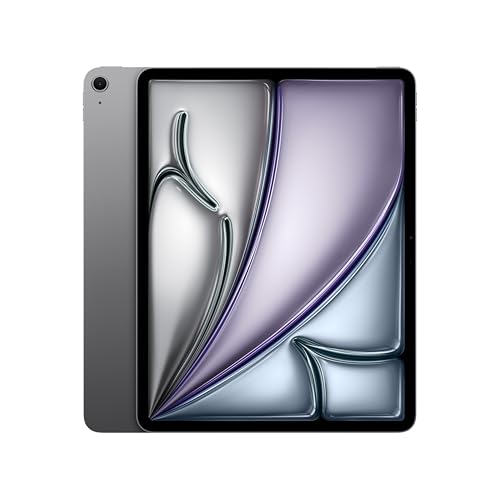
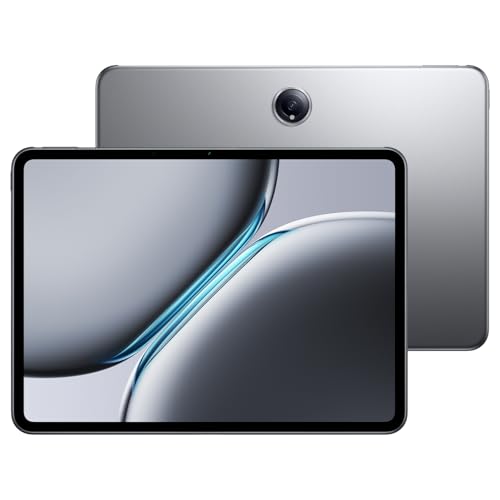
What is considered a large-screen tablet?
A large-screen tablet is considered any tablet with a display of around 12 inches or more.
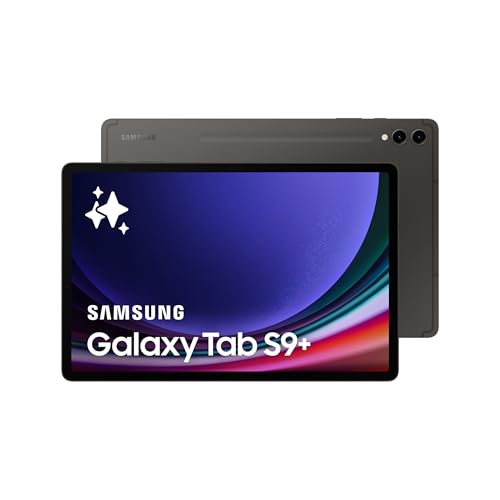
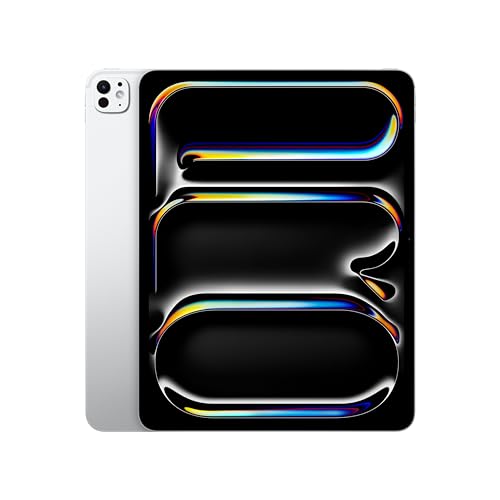
Most standard tablets fall between 8 and 11 inches, so screens above this range stand out because they give extra space for drawing, reading, or multitasking. Devices such as 12.9-inch iPads or 13-inch Android tablets are examples of this category.
Who benefits most from large-screen tablets?
Users that benefit most from large-screen tablets are the following:
- Students and researchers: Large screens give more space for reading textbooks, scientific papers, or lecture notes, which reduces the need to zoom or scroll often. They also support split-screen use, so students can view reference material and write notes at the same time.
- Professionals: Architects, designers, and engineers use large screens to work on detailed drawings, technical plans, or visual projects. The bigger display improves precision and visibility of complex work.
- Artists: Digital artists gain from wider drawing surfaces, which give better control and freedom when sketching or painting with a stylus. Higher resolution on large displays also improves color accuracy and detail.
- Gamers: A large screen enhances gameplay by showing wider views, richer graphics, and sharper details. It creates a more immersive experience, especially for visually complex or strategy-based games.
- Media consumers: People who watch films, stream series, or read digital magazines prefer large screens because the experience is closer to a laptop or even a small TV. The larger format improves comfort for long viewing sessions.
- Business users: Large-screen tablets are suitable for presentations, video conferences, and multitasking with productivity apps. They replace laptops in many situations because the display can handle spreadsheets, charts, and documents more effectively.
Which brands make the best large-screen tablets?
The best large-screen tablet brands are as follows.
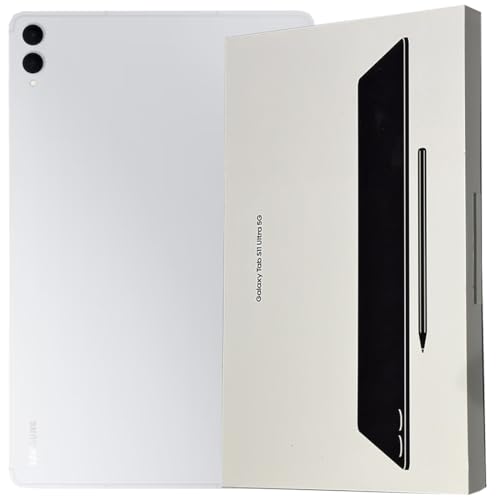
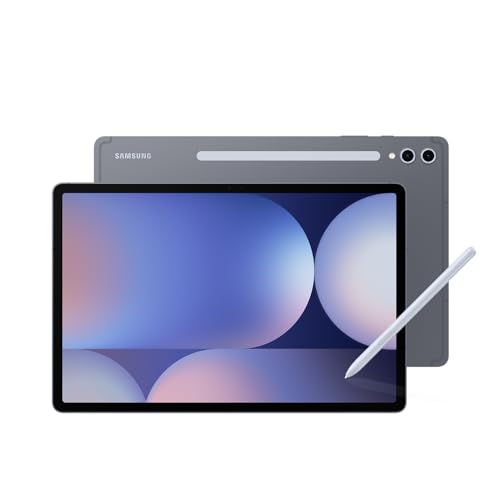
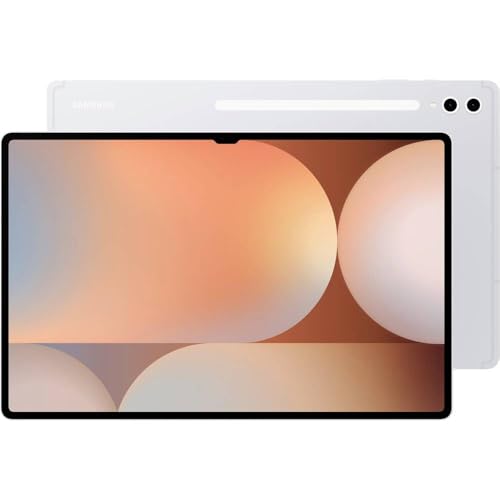
- Samsung (Overall score: 9.1 points)
- Vivo (Overall score: 8.9 points)
- Honor (Overall score: 8.8 points)
Large-screen tablet brands are ranked by overall score in the following chart.
[horizontal-chart-09311737513856650720015474378217945938761924223800]
How much do large-screen tablets cost?
Large-screen tablets cost between £260 and £1,300 depending on the brand, hardware, and display size.
Entry-level models with 11- to 12-inch screens usually start at £260-£340, while premium models with 12.9 inches or larger can go above £850 as they include higher resolution panels, stronger processors, and more storage.
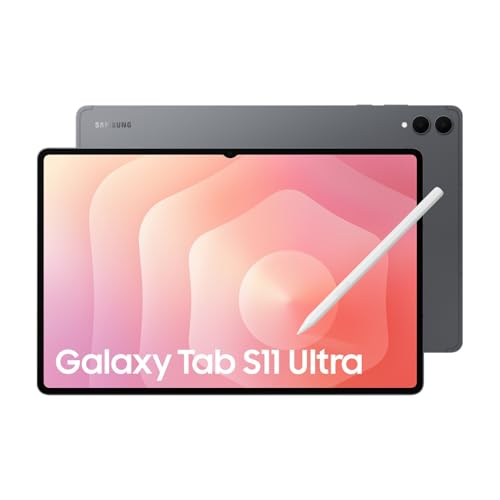
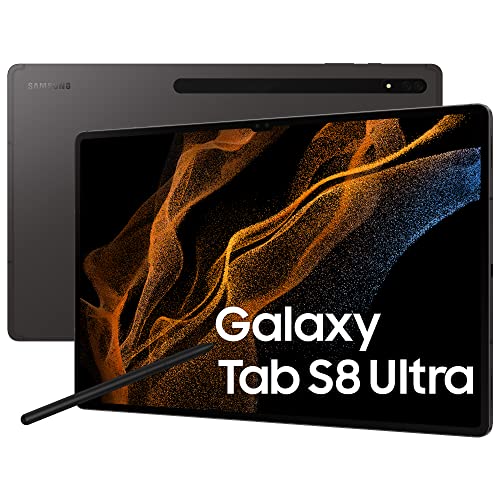
Mid-range large tablets usually fall in the £430-£700 range and balance power with price, i.e. they use solid processors, good graphics, and sharp displays without the full premium cost. High-end devices like flagship iPads or Samsung Galaxy Tab S series reach £1,100-£1,300 since they use top-tier processors, OLED or mini-LED displays, and higher storage options.
The following chart shows how prices are distributed across large-screen tablets.
[vertical-chart-17336970075076663657092556526433682534463785653015]
What to consider while choosing the best large-screen tablet?
When choosing the best large-screen tablet, consider the following factors:
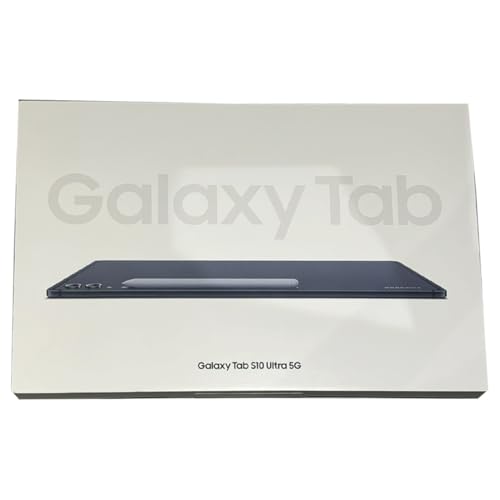
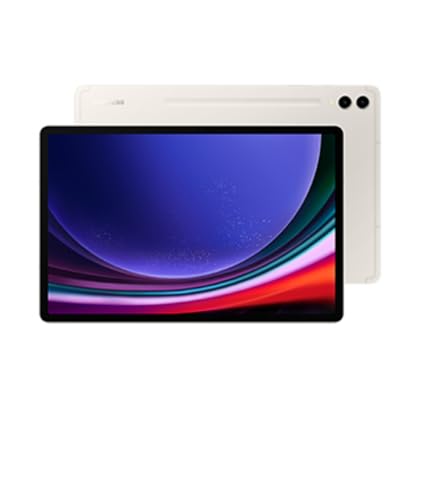
- Display: Screen resolution and display technology directly impact visual clarity and content consumption experience. Large tablets typically range from 12 to 15.6 inches, with high-resolution displays like 4K or Retina providing sharp text and vibrant colors. Premium models such as the iPad Pro 13-inch feature bright displays with advanced color accuracy, while Samsung Galaxy Tab S10 Ultra offers a 14.6-inch OLED display with 16:10 aspect ratio.
- Processor: The processor architecture and core configuration determine the tablet's ability to handle demanding applications and multitasking scenarios. ARM-based processors like Apple's M4 chip and Snapdragon 8 Gen series deliver efficient performance with multiple cores that balance power and energy consumption. Flagship processors with 4-7 nm process technology provide faster operation while maintaining battery efficiency compared to budget models with 12-28 nm construction.
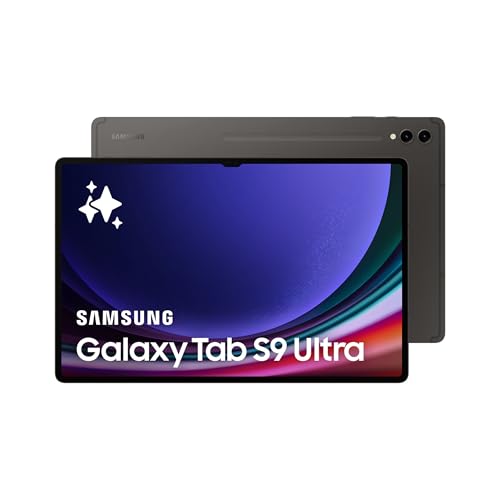
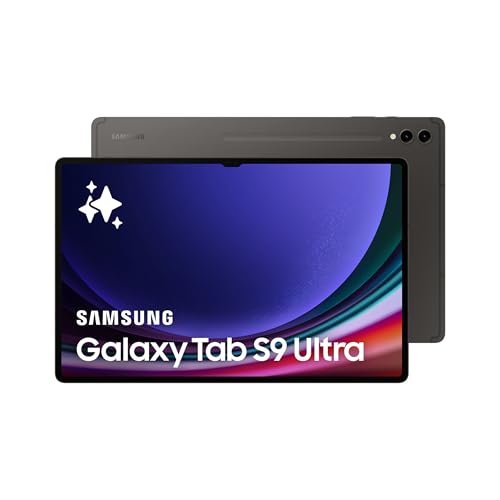
- Memory and storage: RAM capacity affects multitasking performance while storage space determines how many applications and files you can store locally. Basic usage requires 4-6 GB RAM, moderate productivity tasks need 6-8 GB, and heavy usage demands 8-16 GB RAM for smooth operation. Storage options range from 128 GB to 1 TB, with Samsung Galaxy Tab S9 Ultra supporting up to 1 TB internal storage plus 1 TB expandable memory via microSD.
- Battery: Battery capacity and power management features determine how long you can use the tablet before recharging. Most tablets provide 7-10 hours of continuous use, though this varies based on screen brightness, wireless connectivity, and application usage. Large-screen tablets typically consume more power due to bigger displays, but advanced power optimization features help extend usage time through intelligent core management.
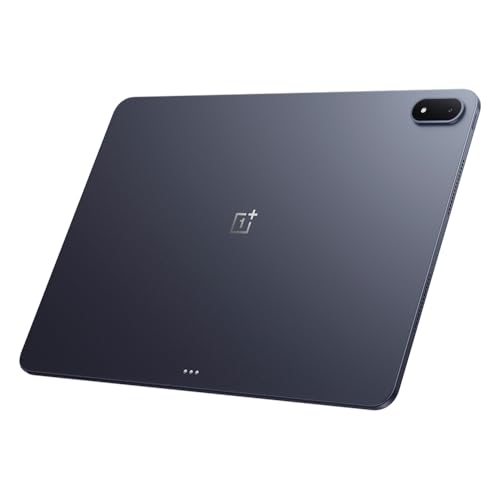
- Operating system: The OS platform determines application availability, user interface design, and integration with other devices. Android tablets like OnePlus Pad 3 offer customization flexibility and Google services integration, while iPadOS provides seamless Apple ecosystem connectivity and professional applications. Windows tablets support desktop software compatibility but may sacrifice battery life compared to ARM-based alternatives.
- Build quality: Physical construction and weight affect daily usability and long-term durability of large-screen devices. Premium tablets balance screen size with lightweight materials to maintain portability without sacrificing display real estate. The weight distribution and thickness impact comfort during extended use, especially for reading, drawing, or media consumption activities.
- Connectivity: Wireless capabilities and port selection determine how you connect external devices and access networks. Modern large tablets support Wi-Fi 6, Bluetooth, and optional cellular connectivity for mobile professionals who need constant internet access. Expandable storage slots and USB-C ports provide flexibility for external accessories, charging, and data transfer requirements.