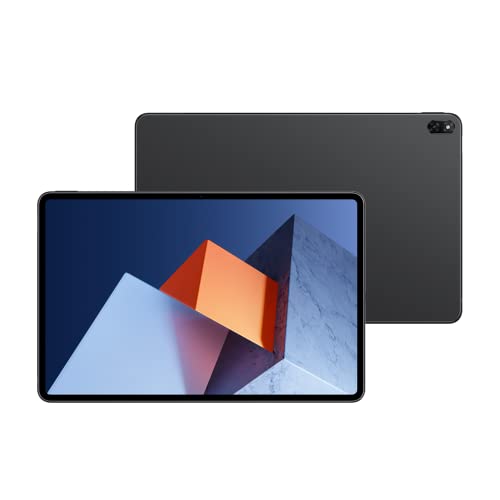
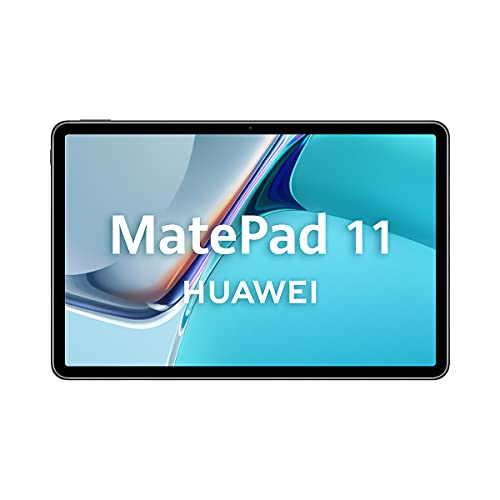
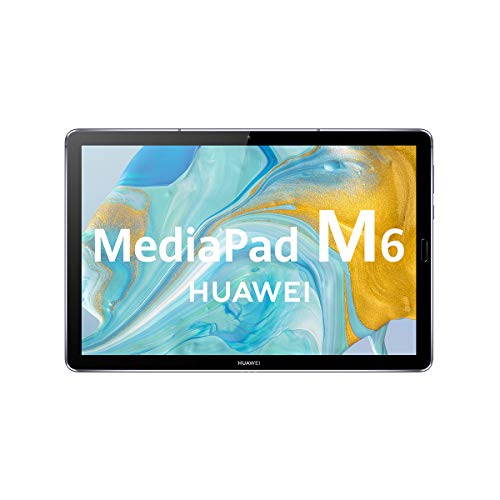
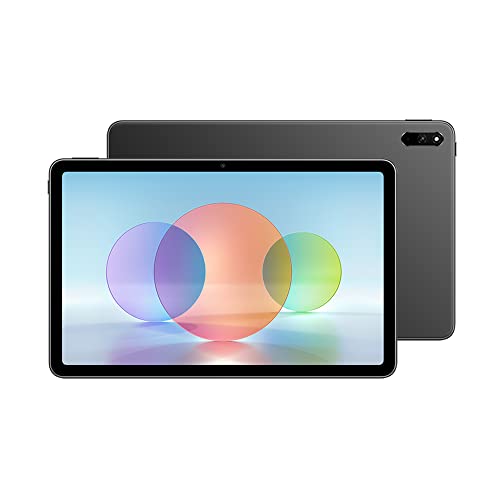
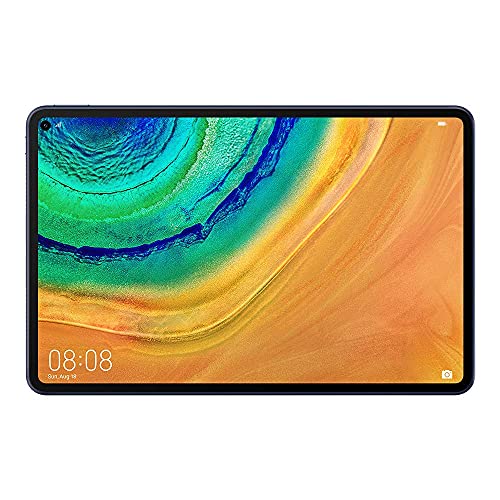
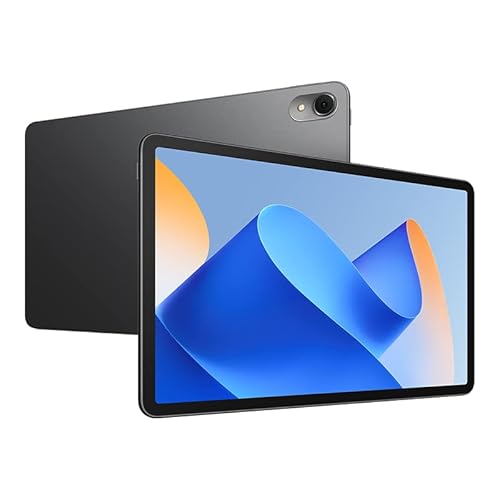
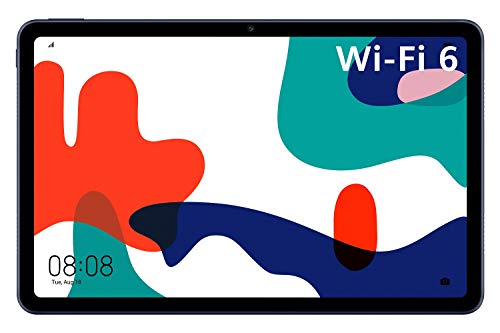
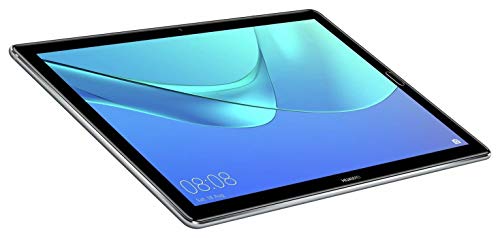
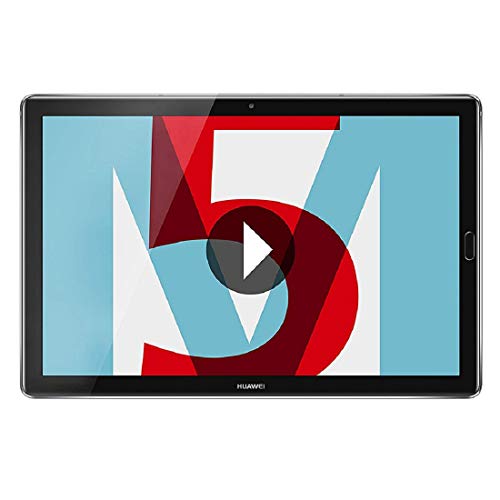
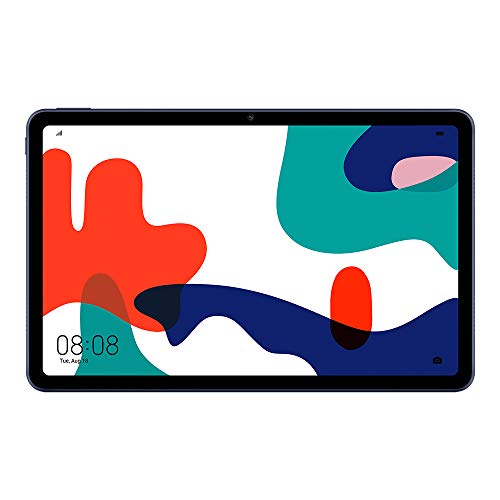
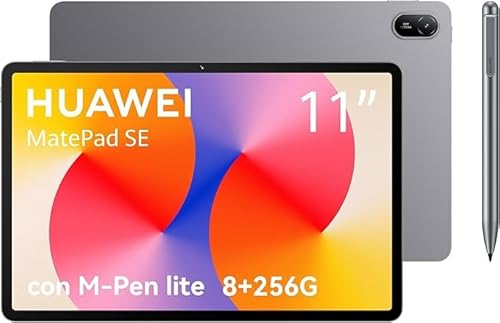
Are Huawei tablets good?
Huawei tablets have an average overall score of 8.2, ranking #9 among all tablet brands, and a user rating of 9.4, placing them at #5 based on user reviews.
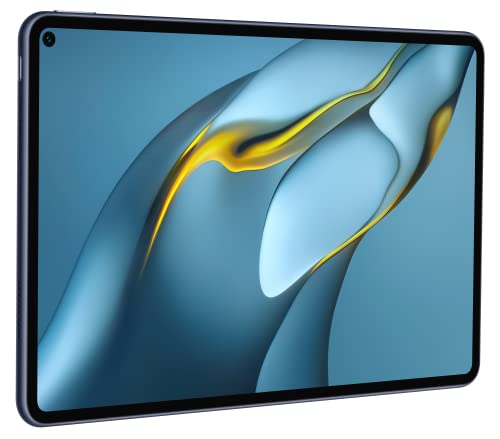
The company produces tablets with competitive specifications, decent display quality, and reliable hardware components that serve most users' needs well. Huawei tablets typically feature aluminum construction, good screen resolution, and adequate processing power for daily tasks like web browsing, media consumption, and light productivity work.
However, Huawei tablets face significant limitations due to the absence of Google Mobile Services (GMS), which means no access to Google Play Store, Gmail, YouTube, or other Google apps that many users rely on. This restriction forces users to depend on Huawei's AppGallery and alternative app stores, which have fewer apps available compared to Google Play.
The best Huawei tablets are as follows.
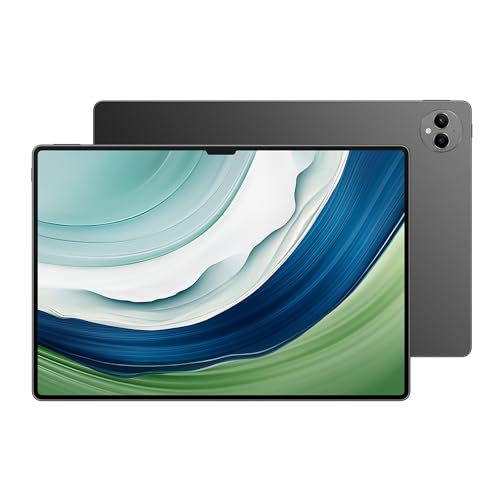
- Huawei Matepad Pro 12 2 2025 (12GB + 512GB) (Overall score: 8.62 points)
- Huawei Matepad Pro 12 2 (12GB + 512GB) (Overall score: 8.6 points)
- Huawei Matepad Pro 12 6 2021 5G (8GB + 256GB) (Overall score: 8.58 points)
Tablet brands are compared by overall score in the following chart.
[horizontal-chart-17307447123912072405130790404762119862712244951798]
What are the main advantages of Huawei tablets?
The main advantages of Huawei tablets are the following:
- Display quality: Huawei tablets use high-resolution panels up to 2800 × 1840 pixels with OLED or IPS screens that reach brightness levels above 500 nits. This results in sharp images, vivid colors, and smooth visuals with refresh rates up to 120 Hz.
- Battery capacity: Most Huawei tablets include batteries between 7250 mAh and 10050 mAh, which support long usage times of 10–14 hours on a single charge. Many models support fast charging up to 66 W, so they recharge in less than 2 hours.
- Performance: Huawei tablets integrate Kirin or Qualcomm Snapdragon processors with RAM options from 4 GB up to 12 GB. This ensures fast multitasking and smooth handling of demanding apps such as games, video editing, and productivity tools.
- Connectivity and ecosystem: Many Huawei tablets support Wi-Fi 6, 5G connectivity, and Bluetooth 5.1 or higher. They also connect seamlessly with Huawei smartphones, laptops, and accessories through the HarmonyOS ecosystem.
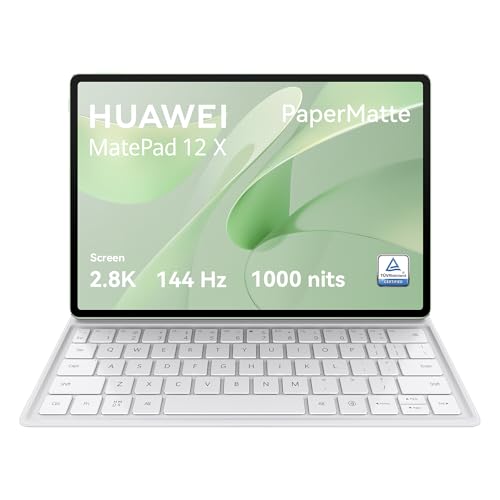
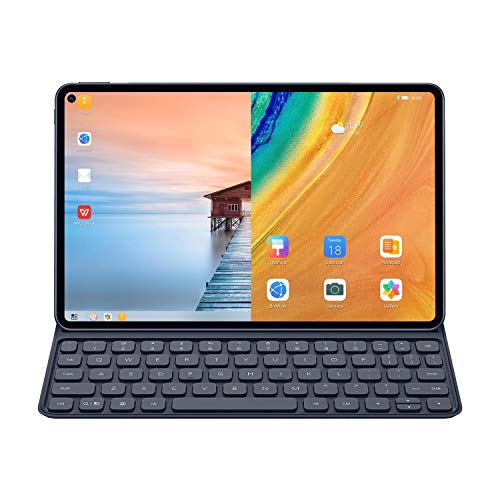
- Stylus and keyboard support: Huawei tablets include M-Pencil compatibility with low latency of 2 ms, pressure sensitivity of 4096 levels, and magnetic wireless charging. Some models also support magnetic keyboards, which transform the tablet into a work device.
- Build and design: Huawei tablets use metal unibody frames, slim profiles of around 6–7 mm, and weights of 460–600 g depending on screen size. They often feature symmetrical bezels and high screen-to-body ratios above 85%.
What are the main disadvantages of Huawei tablets?
Huawei tablets have the following main disadvantages:
- App availability: Huawei tablets do not support Google Play Store and Google Mobile Services, so users must rely on AppGallery or APK installation. This limits access to some apps.
- Software updates: Huawei updates are less frequent compared to Samsung or Apple tablets. This can reduce long-term software support.
- Price of accessories: Stylus (M-Pencil) and keyboards are usually sold separately, which increases total cost by £85-£170.
- Weight of larger models: While slim, tablets with displays above 12 inches weigh over 600 g, so they are less comfortable to hold for long periods.
- Regional restrictions: Some models are not released globally and focus mainly on the Chinese or European markets, which limits availability and support in certain regions.
Who makes Huawei tablets?
Huawei tablets are made by Huawei Technologies Co., Ltd., a Chinese multinational founded in 1987 in Shenzhen by Ren Zhengfei.
The company began as a telecom equipment supplier and grew into one of the largest technology firms in the world. It produces smartphones, tablets, laptops, networking gear, and cloud services. Huawei entered the tablet market in 2010 with the Ideos S7 and later developed the MediaPad series, which became its main line of Android-based tablets.
Huawei employs more than 190,000 people worldwide and operates in over 170 countries. The company invests heavily in research and development, with large R&D centers in China, Europe, and other regions.
How popular are Huawei tablets worldwide?
Huawei tablets are moderately popular worldwide, with IDC data showing about 7 million shipments in 2024 and a global market share near 4 %, which placed the brand in the global top 5. The MatePad Pro and MatePad Air led sales in the premium and mid-range segments, while budget MatePad models supported volume.
Huawei performed strongest in China, where its share exceeded 30 %, while in Europe it stayed around 5 % and in North America its presence was almost zero because of trade restrictions.
What are the main Huawei tablet series?
Huawei tablets are divided into the following series:
- MatePad Pro: High-end series with premium design, strong processors, and HarmonyOS features. It supports M-Pencil stylus and smart keyboards, so it suits productivity and multimedia use.
- MatePad: Mid-range line with balanced performance, good displays, and decent battery life. It targets students and general users who want a reliable tablet without the top price.
- MatePad SE: Entry-level models with basic features and lower prices. They are built for light use such as reading, streaming, and web browsing.
- MatePad T: Budget family tablets with compact sizes and simple hardware. They fit casual needs, kids’ use, or those who want a cheap secondary device.
How much do Huawei tablets cost?
Huawei tablets cost between £130 and £550 depending on the model, size, and hardware.
The most affordable devices are entry-level MatePad models that focus on basic use such as browsing, video, and study, while the high-end versions reach the higher price range because of better processors, larger screens, and higher resolution panels.
The mid-range MatePad series usually costs around £220 to £340 and includes better storage, stronger batteries, and sharper displays, so it targets users who want more than basic functions without paying the highest price. The premium models, such as the MatePad Pro, can reach £430 to £550 and have large AMOLED displays, high refresh rates, and advanced multitasking features, which place them closer to laptop alternatives.
The chart below illustrates how prices are distributed across Huawei tablets.
[vertical-chart-16836913760354594873031565195113049797723070573357]
What should you consider while choosing the best Huawei tablet?
When selecting the best Huawei tablet, you should evaluate the following key factors:
- Display quality and size: Screen technology directly impacts your viewing experience and productivity levels. OLED displays on models like the MatePad Pro 13.2 deliver superior contrast and deeper blacks compared to LCD panels. The 3:2 aspect ratio on newer models shows more content for spreadsheets and split-screen multitasking. Consider screen sizes from 10.4 inches on budget models to 13.2 inches on flagship versions based on your usage needs.
- Processor performance: The chipset determines how smoothly apps run and multitasking capabilities function. Flagship models use Kirin 9000S processors while mid-range options feature Snapdragon 870 5G chips. Higher-end processors handle demanding tasks like video editing and gaming better than budget alternatives. The MatePad Pro series delivers PC-like performance for professional applications.
- Storage and memory configuration: RAM affects multitasking speed while storage determines how many apps and files you can store. Options range from 6GB RAM with 128GB storage on budget models to 12GB RAM with 512GB storage on premium tablets. Consider your usage patterns when choosing between configurations since storage typically cannot be upgraded later.
- Software ecosystem and app availability: Huawei tablets run HarmonyOS without Google Play Services, which limits access to certain Android apps. You can install APK files or use Huawei's AppGallery for applications. The lack of Google services affects email, maps, and cloud storage integration. Consider whether the available apps meet your specific requirements before purchasing.
- Battery life and charging speed: Battery capacity varies significantly between models and affects daily usability. Larger tablets like the MatePad Pro 13.2 deliver laptop-level battery performance for extended work sessions. Fast charging capabilities reduce downtime when the battery runs low. Consider your usage patterns and whether you need all-day battery life for work or travel.
- Build quality and portability: Weight and thickness affect how comfortable the tablet feels during extended use. The MatePad Pro 13.2 weighs 580g despite its 13.2-inch screen, while smaller models weigh around 500g. Premium models feature metal construction and slim profiles that feel sturdy yet portable. Consider whether you prioritize screen size or portability for your specific use cases.
- Stylus and keyboard support: The M Pencil stylus detects over 16,000 pressure levels for precise drawing and note-taking. PaperMatte screen variants reduce glare and provide tactile feedback that feels like writing on paper. Magnetic keyboards transform tablets into laptop replacements for productivity tasks. Evaluate whether you need these accessories for creative work or professional applications.