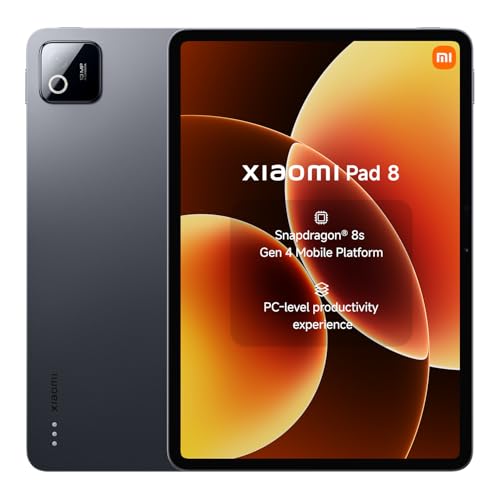
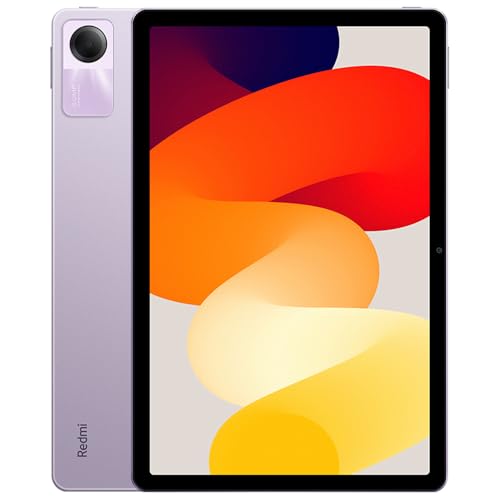
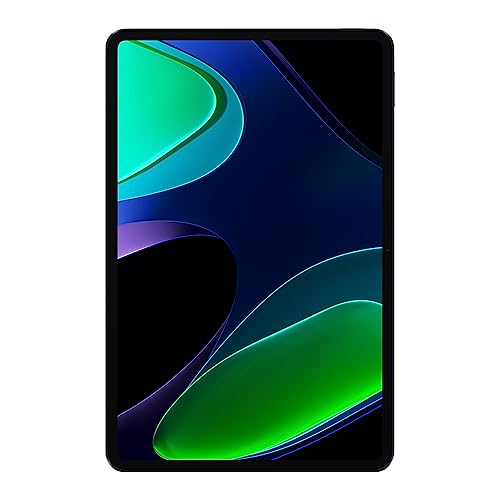
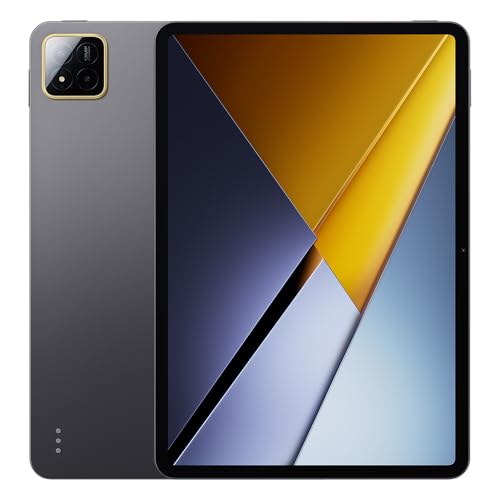
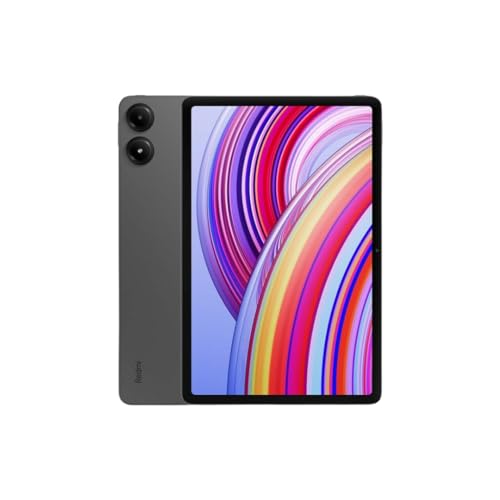
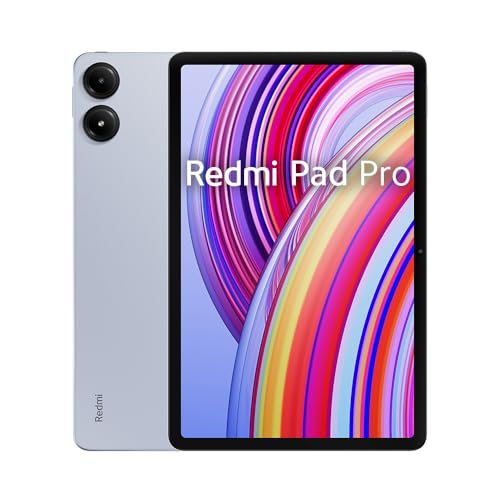
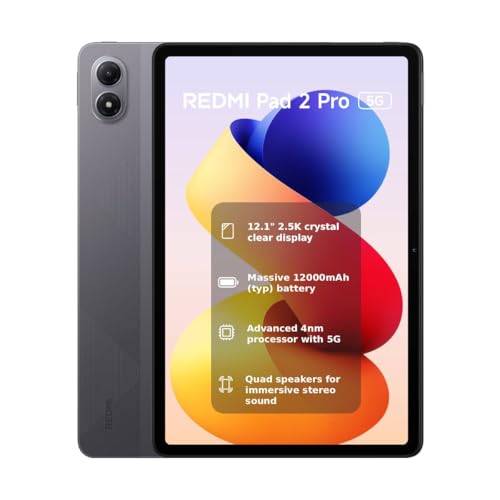
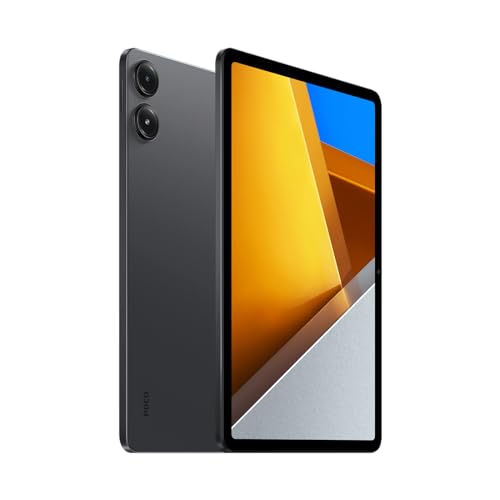
Are Xiaomi tablets good?
Xiaomi tablets have an average overall score of 8.5, ranking #4 among all tablet brands, and a user rating of 9.4, placing them at #4 based on user reviews.
The brand is less broad than Lenovo or Samsung, but its stronger tablets usually compete well on raw hardware value. That makes Xiaomi a good fit if your priority is getting a bigger screen, more performance, and better media hardware for the money rather than a huge model ladder or the deepest productivity ecosystem.
The best Xiaomi tablets are as follows.
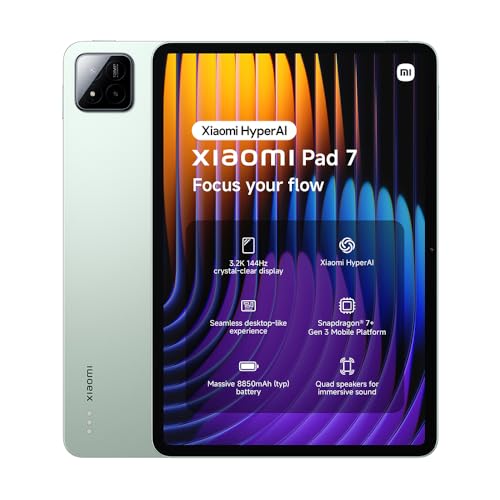
- Xiaomi Pad 7 WiFi (8GB + 256GB) (Overall score: 8.81 points)
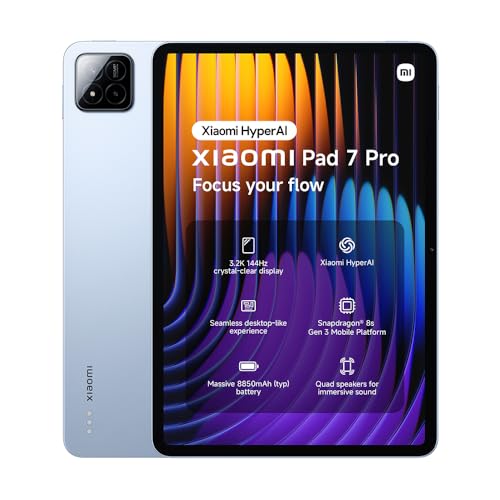
- Xiaomi Pad 7 Pro WiFi (8GB + 256GB) (Overall score: 8.77 points)
- Xiaomi Pad 7s Pro 12 5 WiFi (8GB + 256GB) (Overall score: 8.71 points)
The following chart compares tablet brands based on their overall scores.
[horizontal-chart-17307447123912072405130790404762119862712244951798]
What are the main advantages of Xiaomi tablets?
Xiaomi tablets are generally considered good for their price-to-quality ratio. They use Android with MIUI, which includes extra customization and features beyond stock Android. Many models come with solid hardware, such as high-resolution displays, large batteries, and capable processors that handle daily use, streaming, and light work tasks. The build quality is usually strong, with slim designs that compete with more expensive brands.
Their main advantage is competitive pricing compared to Samsung or Apple tablets, which makes them attractive for users who want strong performance without paying premium prices. However, Xiaomi’s tablets can lack the same app optimization or long-term software support that you find with Apple iPads, and availability may vary across regions.
What are the main disadvantages of Xiaomi tablets?
Xiaomi tablets have the following main disadvantages:
- Limited model availability: Xiaomi tablets are not released in every market. Some models stay exclusive to Asia, so buyers in Europe or the US have fewer options.
- Software updates: Update support is shorter compared to Apple iPads which often get 5+ years. Xiaomi tablets usually receive 2–3 years of Android and MIUI updates.
- App optimization: Some Android apps are not fully optimized for large tablet screens, which reduces productivity compared to iPadOS.
- Accessory ecosystem: Styluses, keyboards, and covers exist but selection is narrower than Apple or Samsung, and compatibility between models is not always guaranteed.
- Limited premium features: Even on higher models, Xiaomi tablets usually lack features like OLED displays or advanced desktop modes that some rivals integrate.
Who makes Xiaomi tablets?
Xiaomi tablets are made by Xiaomi Corporation, a Chinese electronics company founded in 2010 in Beijing.
The company designs and produces its own tablets under the “Xiaomi Pad” series, which competes with brands such as Samsung, Lenovo, and Apple. Xiaomi is known for combining hardware, software, and internet services, and it manages every step of production through its own supply chain and partner manufacturers in China.
Xiaomi employs over 30,000 people worldwide and operates in more than 100 markets. The company first entered the tablet market in 2014 with the Mi Pad, which used NVIDIA’s Tegra K1 processor. Later models moved to Qualcomm Snapdragon chipsets and MIUI software adapted for larger screens.
How popular are Xiaomi tablets worldwide?
Xiaomi tablets are moderately popular worldwide, with IDC data showing about 8 million shipments in 2024 and a global market share close to 5 %, which placed the brand among the top 5 vendors. The Xiaomi Pad 6 series drove most sales in the mid-range, while the Redmi Pad attracted budget buyers.
Xiaomi performed strongest in China and parts of Europe, where its share reached around 7 %, while in North America its presence stayed very limited.
What are the main Xiaomi tablet series?
The main Xiaomi tablet series are as follows:
- Xiaomi Pad: The core line with a balance of performance and price. It uses Qualcomm Snapdragon processors, high-resolution displays with 120 Hz refresh rate, and large batteries around 8000–10000 mAh. Models like Pad 5 and Pad 6 are popular in Europe and Asia, with support for keyboard covers and stylus pens.
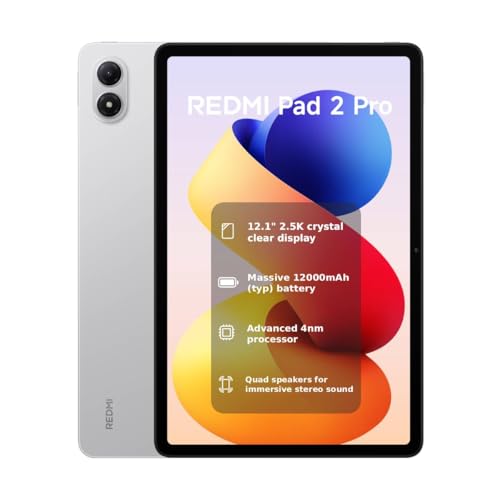
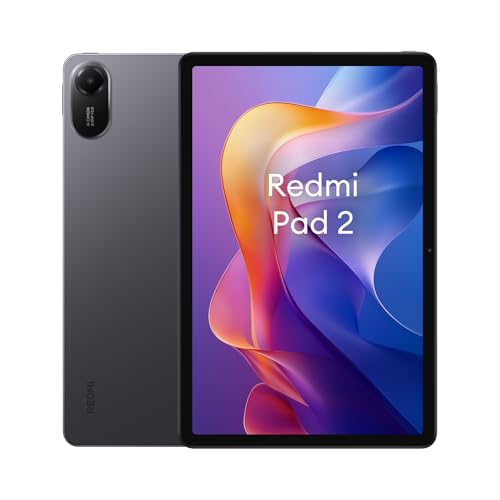
- Redmi Pad: A budget-oriented line that focuses on affordability. It usually has MediaTek processors, LCD displays, and simpler builds, but still features wide screens and solid battery life. It targets casual users who want a basic tablet for browsing, streaming, and social media.
- Pad Pro: A higher-end variant with larger screens (up to 12.4 inches), more powerful chipsets, and advanced features such as Dolby Vision, quad speakers, and faster charging. It competes with premium tablets from Samsung and Apple in performance and productivity.

- Pad SE: An entry-level option released in some markets. It is lighter, thinner, and cheaper than the main Pad line. It focuses on media consumption, reading, and simple daily use while keeping a large display and decent battery performance.
How much do Xiaomi tablets cost?
Xiaomi tablets cost between £130 and £550 depending on the model and specifications.
The entry-level models, such as the Redmi Pad, stay closer to the £130 to £220 range, while mid-range versions like the Xiaomi Pad 5 move between £260 and £340. The most advanced versions, such as the Xiaomi Pad 6 Pro or Pad 6 Max, reach higher prices that can exceed £430 to £550 depending on memory and storage.
The following chart shows how prices are distributed across Xiaomi tablets.
[vertical-chart-00739662605255779164084106541910326109763966560042]
What should you consider while choosing the best Xiaomi tablet?
When choosing the best Xiaomi tablet, you need to evaluate the following factors:
- Display: The display forms the foundation of your tablet experience. Xiaomi offers various screen sizes from 8.7 inches in the Redmi Pad SE to 14 inches in the Pad Max models. Premium models like the Xiaomi Pad 7 and Pad 6 deliver 144Hz refresh rates, while budget options like the Redmi Pad 2 settle for 90Hz. The Pad 7 Pro features a 3.2K display with superior clarity compared to standard 2.8K panels.
- Processor: Different series target different performance needs. The flagship Xiaomi Pad 6S Pro 12.4 uses the Snapdragon 8 Gen 2 processor, while the standard Pad 6 relies on the older Snapdragon 870. The Pad 7 series incorporates the newer Snapdragon 7+ Gen 3 chipset. Budget models use entry-level processors that handle basic tasks but struggle with demanding games.
- RAM: RAM configurations vary significantly across models, with entry-level tablets offering 4-6GB, mid-range models providing 8GB, and flagship variants featuring 12GB or more. Higher RAM amounts enable better multitasking, smoother app switching, and improved performance when running multiple applications simultaneously.
- Software: Current Xiaomi tablets ship with either MIUI 14 based on Android 13 or the newer HyperOS built on Android 14. The HyperOS system introduces improved resource allocation, cross-device connectivity, and PC-level workstation mode. Xiaomi confirmed HyperOS updates for the Pad 6 and Pad 5 series, but update frequency remains lower than Samsung competitors.
- Design: Xiaomi maintains consistent premium construction across most models. The Pad 6 series features full metal bodies with impressive thinness at 6.85mm. Higher-end models include fully laminated displays and superior viewing angles. Budget models retain solid build quality while using cost-effective materials that still feel premium.
- Accessory support: Different series support different stylus generations. The Pad 6 and Pad 6 Pro work with the 2nd-generation Xiaomi Smart Pen, while the Pad 6S Pro 12.4 uses the newer Xiaomi Focus Pen. The stylus experience varies between models, with Pro variants delivering better pressure sensitivity and features. Keyboard covers are available across most series.
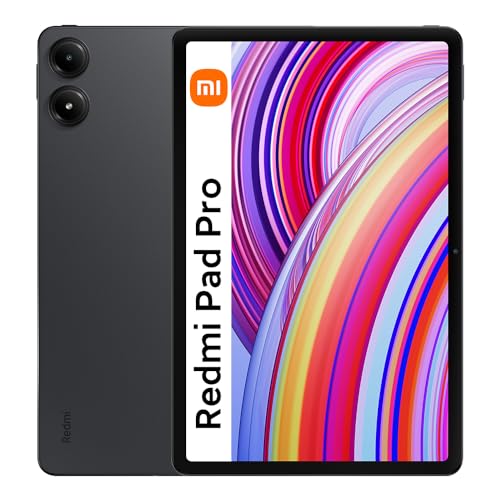
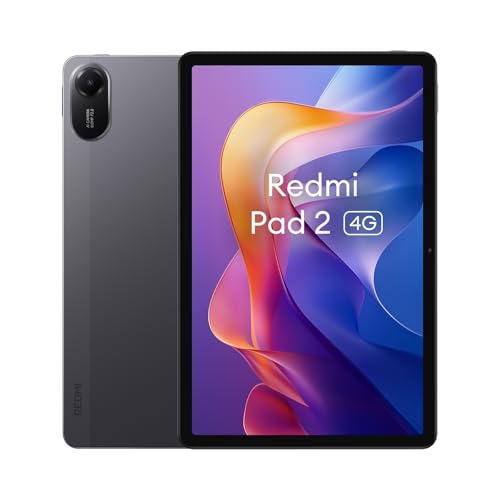
- Connectivity: Connectivity capabilities differ significantly between models. Some tablets lack GPS functionality entirely, relying only on network-based location services. Cellular variants with 4G or 5G connectivity are available in select models like the Redmi Pad 2 4G and Redmi Pad Pro 5G. Standard connectivity includes USB Type-C, Wi-Fi, and Bluetooth across all models.
- Battery: Battery capacities range from smaller cells in compact models to 8850mAh in the Pad 7 series. Charging speeds vary dramatically between budget and premium models. The Pad 7 supports 45W fast charging, while entry-level models use slower charging speeds. Battery optimization through HyperOS improves power management compared to older MIUI versions.