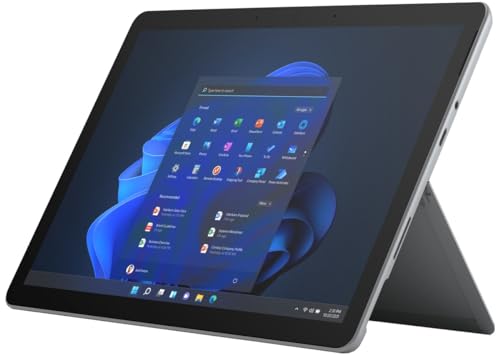
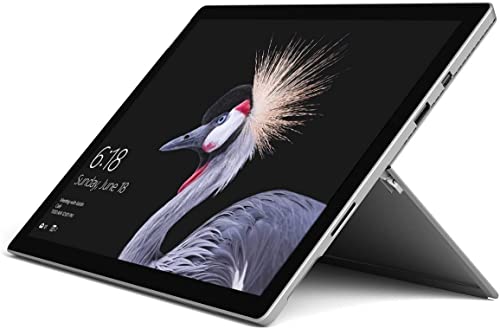
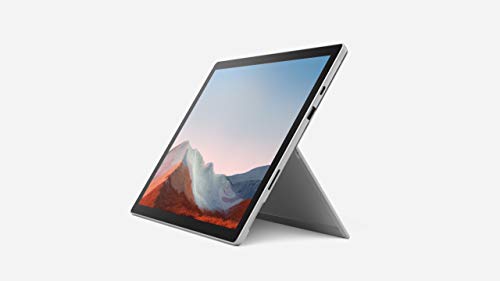
Are Microsoft Surface tablets good?
Microsoft Surface tablets have an average overall score of 7.8, ranking #10 among all tablet brands, and a user rating of 8.6, placing them at #10 based on user reviews.
They run full Windows, which means you can use desktop software such as Office, Photoshop, or development tools, unlike most tablets that rely on mobile apps. The build quality is premium with sharp displays, solid keyboards when paired with the Type Cover, and strong performance across different models. This makes them versatile for work, study, and entertainment.
On the downside, Surface tablets tend to cost more than many Android or iPad alternatives with similar or better performance in some areas. Battery life can vary depending on the model, and accessories like the keyboard or pen usually cost extra.
The best Microsoft Surface tablets are as follows.
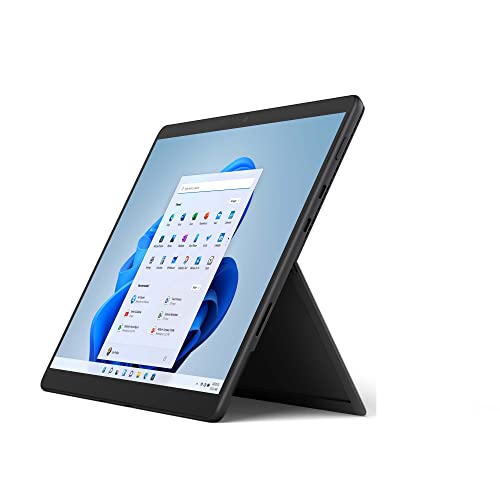
- Microsoft Surface Pro 8 I5 4G (8GB + 512GB) (Overall score: 8.23 points)
- Microsoft Surface Pro 8 I5 WiFi (8GB + 512GB) (Overall score: 8.2 points)
- Microsoft Surface Pro 8 I7 WiFi (32GB + 1TB) (Overall score: 7.94 points)
The chart below ranks tablet brands based on their overall scores.
[horizontal-chart-17307447123912072405130790404762119862712244951798]
What are the main advantages of Microsoft Surface tablets?
The main advantages of Microsoft Surface tablets are the following:
- Performance and hardware: Surface tablets use Intel Core i5 or i7 processors, up to 32 GB RAM and 1 TB SSD storage. This gives them the power of an ultrabook with tablet portability.
- Display quality: They feature PixelSense touchscreens with resolutions up to 2880 × 1920 pixels and 120 Hz refresh rate, which makes text sharp and smooth for both work and media.
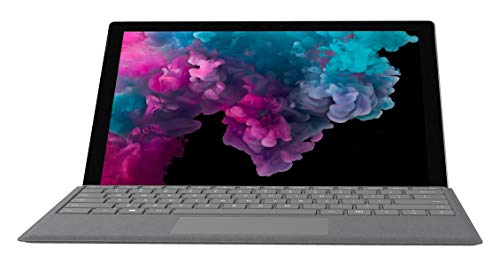
- Versatility: The detachable Surface Type Cover and built-in kickstand transform the tablet into a full laptop. The hinge adjusts to 165° for writing or drawing with the Surface Pen.
- Windows integration: Surface tablets run full Windows 11, so they support desktop applications like Photoshop, AutoCAD or Microsoft Office without restrictions.
- Connectivity: They include USB-C with Thunderbolt 4, Surface Connect port, and support for external monitors up to 4K, which expands productivity for professional use.
- Build quality: Surface models use magnesium alloy chassis and weigh as little as 770 g with a thickness under 9 mm, so they remain light and durable at the same time.
What are the main disadvantages of Microsoft Surface tablets?
Microsoft Surface tablets have the following main disadvantages:
- Price: High-end configurations often cost between £1,100 and £1,700, which is higher than many premium Android tablets or iPads with similar storage.
- Battery life: Although efficient, Surface tablets usually last 7–9 hours in real usage, while some competitors like iPad Pro reach over 12 hours.
- Accessories cost: The Surface Type Cover keyboard and Surface Pen are sold separately, adding around £130-£260 to the final price.
- Limited gaming performance: Integrated Intel Iris Xe graphics support light gaming, but performance is below dedicated GPUs or gaming laptops.
- Repairability: The thin design and glued components make upgrades or repairs difficult, which raises long-term maintenance costs.
Who makes Microsoft Surface tablets?
Microsoft Surface tablets are made by Microsoft Corporation, a US-based technology company founded in 1975 by Bill Gates and Paul Allen.
Microsoft introduced the Surface brand in 2012 with the first Surface RT and Surface Pro models. These devices are designed, engineered, and manufactured directly under Microsoft’s hardware division, which is based at the company’s headquarters in Redmond, Washington.
Surface tablets are part of Microsoft’s broader hardware lineup that also includes Surface laptops, desktop devices, and accessories. The production of Surface tablets is outsourced to Original Design Manufacturers (ODMs) in Asia, mainly Pegatron and Quanta, while Microsoft handles the product design and software integration.
How popular are Microsoft Surface tablets worldwide?
Microsoft Surface tablets are a niche but premium player worldwide, with IDC data showing about 6 million shipments in 2024 and a global market share close to 4 %, which kept Microsoft just behind Huawei in global rankings.
The Surface Pro 9 and Surface Go 4 were the main drivers, with the Pro series positioned in the high-end 2-in-1 category.
Microsoft performed strongest in North America and Western Europe, where its share reached around 6 %, while in Asia it stayed under 3 %.
What are the main Microsoft Surface tablet series?
Microsoft Surface tablets are divided into the following series:
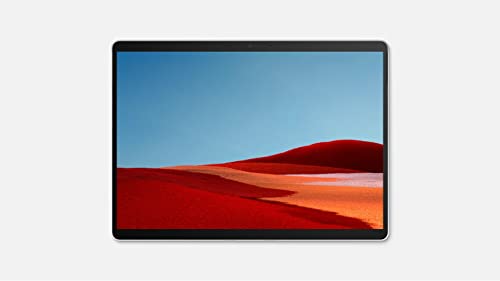
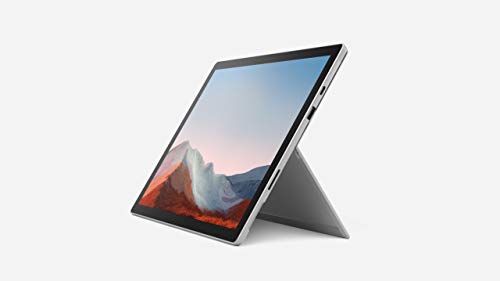
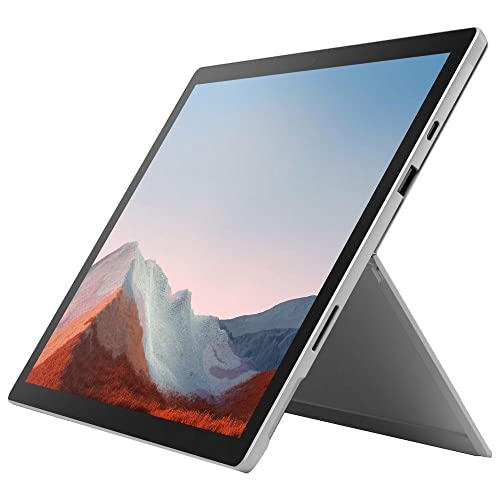
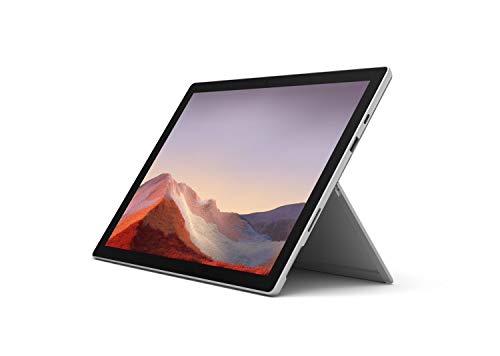
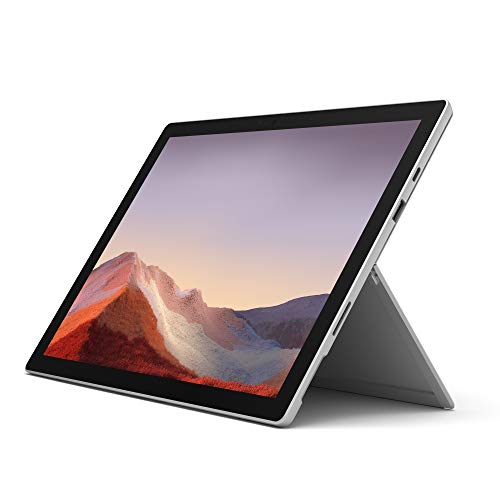
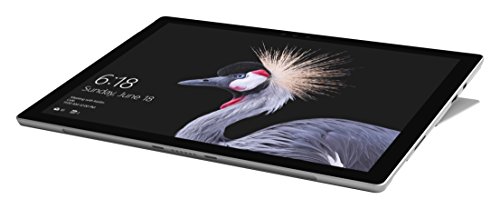
- Surface Pro: The flagship 2-in-1 line with detachable keyboards, high-resolution PixelSense displays, and support for Surface Pen. It runs full Windows, handles demanding tasks, and is suited for productivity. Models like Surface Pro 9 combine portability with laptop-level performance.
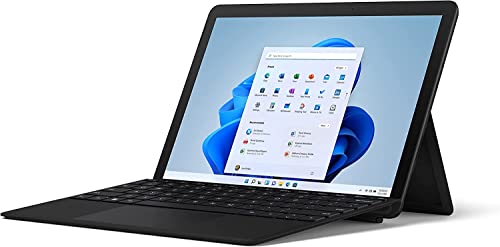
- Surface Go: A smaller and lighter series designed as a budget-friendly version of the Pro line. It has compact screens (10–11 inches), is easy to carry, and runs Windows with S mode for efficiency. It fits students and casual users who need a portable device.
- Surface Laptop Studio: A hybrid model that blends tablet flexibility with a powerful laptop design. The display pulls forward into different modes for drawing, presenting, or typing. It is built for creative professionals who need strong graphics and performance.
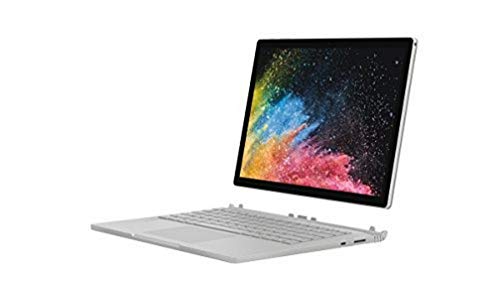
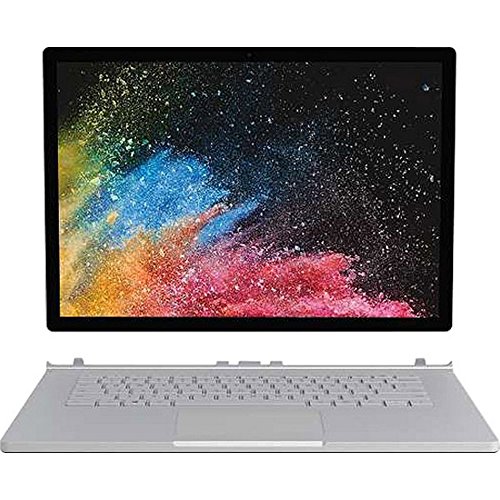
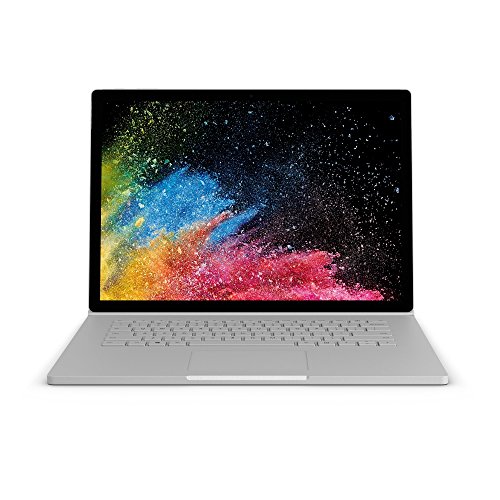
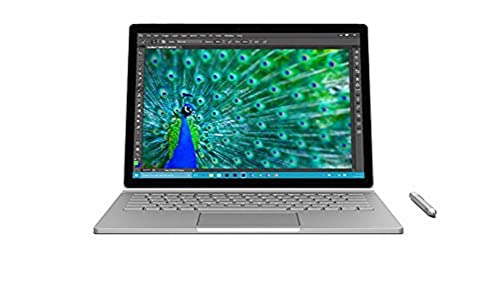
- Surface Book (discontinued): A past series with a detachable screen that worked as both a laptop and a tablet. It stood out for its dedicated graphics card in higher models and its unique hinge design. It has now been replaced by the Surface Laptop Studio.
- Surface Duo: A foldable dual-screen device that runs Android. It is not a classic tablet but belongs to the Surface family. It targets productivity through multitasking across two displays, although it remains a niche product.
How much do Microsoft Surface tablets cost?
Microsoft Surface tablets cost between £550 and £2,400 depending on the model, storage, and hardware configuration.
Entry-level versions like the Surface Go start around £550, while mid-range Surface Pro models usually range from £850 to £1,400. High-end configurations such as the Surface Pro 9 with maximum RAM and storage, or the Surface Laptop Studio in tablet mode, can reach up to £2,400.
The price depends on display size, type of processor, amount of RAM, and SSD capacity. Surface Go tablets target casual use and education, so they have lower performance and a smaller display. Surface Pro models use Intel Core i5 or i7 processors, support up to 32 GB RAM, and include larger SSD storage, so they cost more. Premium models in the Surface lineup add advanced graphics or larger screens and move into laptop-level pricing.
Prices across Microsoft Surface tablets are distributed in the following chart.
[vertical-chart-04683205852439674734121242211545495724013082621544]
What should you consider while choosing the best Microsoft Surface tablet?
When selecting the best Microsoft Surface tablet, you should evaluate the following key factors:
- Form factor and usage: The Surface Pro series functions as a true 2-in-1 device with a detachable keyboard and supports tablet mode. The Surface Go offers a compact 10.5-inch form factor for maximum portability, while the Surface Laptop Studio features a flexible screen that tilts and folds but maintains a traditional laptop base.
- Performance and processor: Surface Pro 11 runs Qualcomm Snapdragon X processors for enhanced efficiency and battery life. Surface Go series uses Intel Pentium or Core i3 processors for basic computing tasks. Surface Laptop Studio 2 includes powerful Intel Core i7 processors and RTX graphics for demanding creative work.
- Display quality and size: Surface Pro 11 features a 13-inch OLED display with 120Hz refresh rate and 2880x1920 resolution. Surface Go models come with 10.5-inch displays at lower resolutions but maintain touchscreen functionality. Surface Laptop Studio offers a 14.4-inch screen with high color accuracy for professional work.
- RAM and storage: Surface Pro supports 16GB to 32GB of LPDDR5x RAM with storage options from 256GB to 1TB SSD. Surface Go typically maxes out at 8GB RAM and 256GB storage for budget-conscious users. Surface Laptop Studio 2 provides up to 32GB RAM and 1TB storage for intensive applications.
- Battery life and portability: Surface Pro 11 achieves approximately 13-14 hours of battery life due to its efficient Snapdragon processor. Surface Go offers all-day battery in an ultra-portable 880g package for mobile productivity. Surface Laptop Studio sacrifices some portability for performance but maintains decent battery life for creative workflows.
- Connectivity and expansion: Surface Pro includes USB-C ports, microSDXC slot, and 3.5mm headphone jack with optional 5G connectivity. Surface Go provides similar connectivity in a smaller package with LTE options available. Surface Laptop Studio adds more ports and better thermal management for sustained performance.
- Ecosystem integration and accessories: All Surface tablets support Surface Pen and detachable keyboards, but these accessories are sold separately. Surface Pro offers the most mature accessory ecosystem with multiple keyboard and pen options. Surface Laptop Studio integrates directly with creative software and supports advanced stylus input for design work.