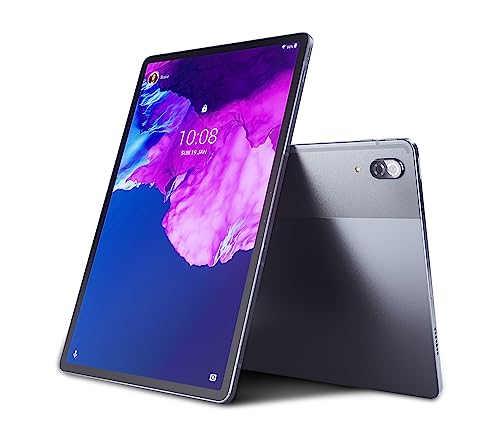
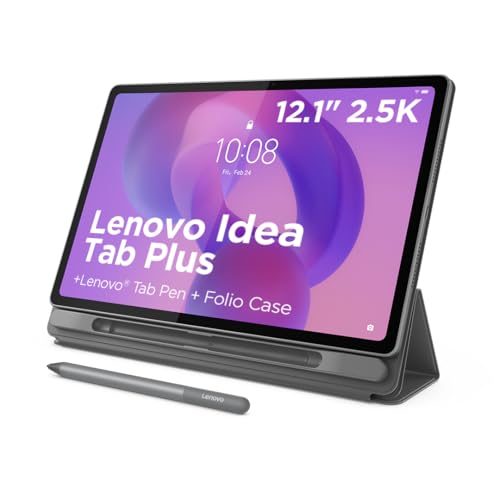
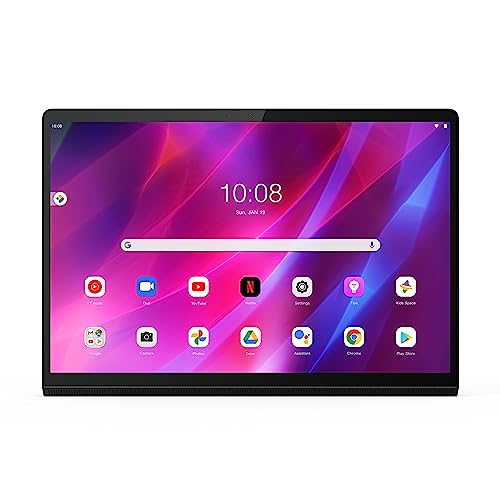
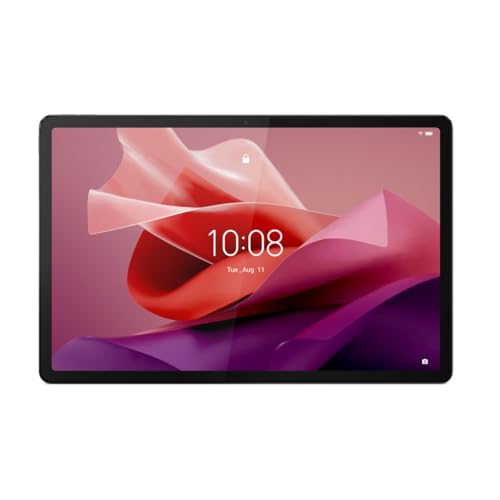
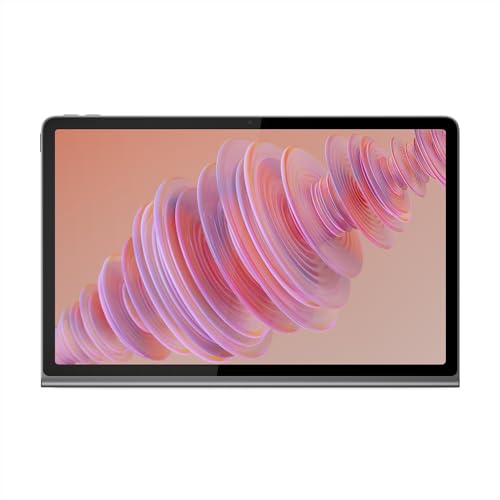
Are Lenovo tablets good?
Lenovo tablets have an average overall score of 8.3, ranking #8 among all tablet brands, and a user rating of 9.2, placing them at #6 based on user reviews.
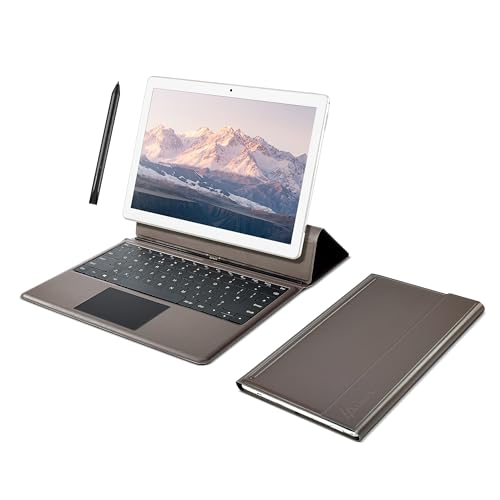
They often focus on practicality, offering decent display quality, good battery life, and reliable performance for everyday tasks like browsing, video streaming, and reading. Lenovo also produces 2-in-1 models with detachable keyboards, which makes them versatile for work and study use. Their strength lies in delivering a good balance between price and functionality, especially in mid-range and entry-level segments.
While they may not reach the premium performance and design of brands like Apple or Samsung, Lenovo tablets usually stand out for value, durability, and features like kid-friendly modes or productivity-focused accessories, which attract families and students.
The best Lenovo tablets are as follows.
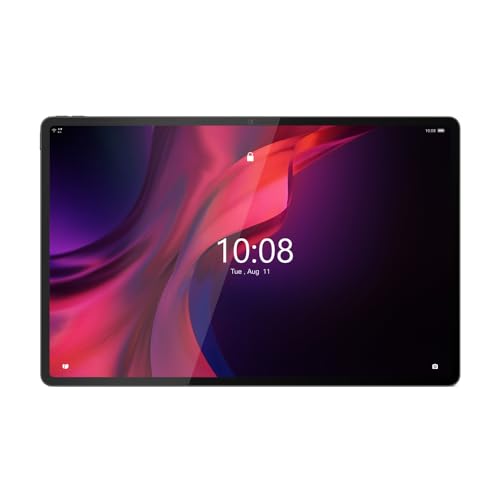
- Lenovo Tab Extreme WiFi (12GB + 256GB) (Overall score: 8.65 points)
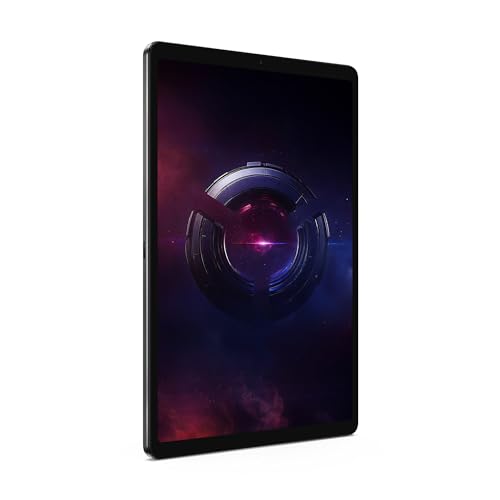
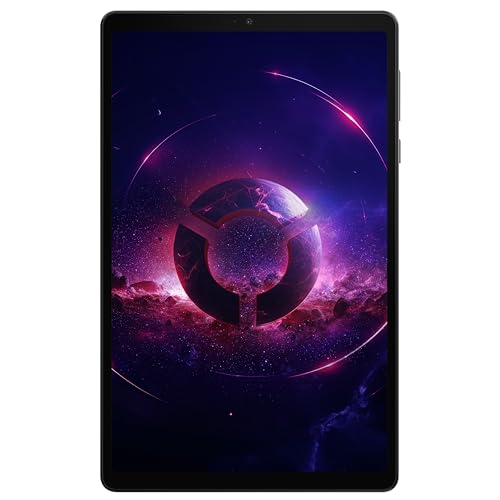
- Lenovo Legion Tab Gen 3 (12GB + 256GB) (Overall score: 8.48 points)
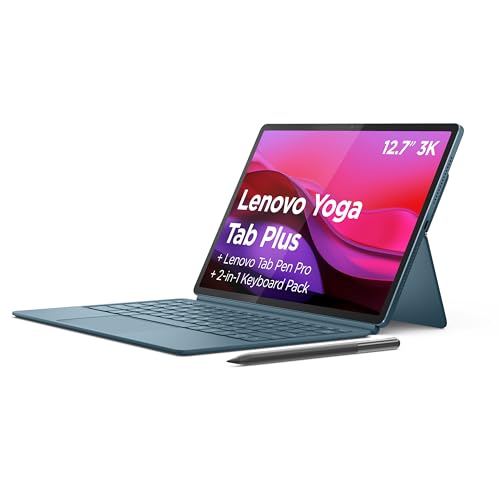
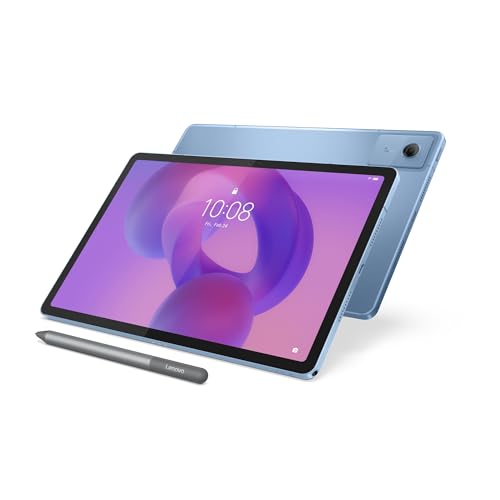
- Lenovo Yoga Tab Plus (16GB + 256GB) (Overall score: 8.45 points)
The chart below compares tablet brands based on their overall scores.
[horizontal-chart-17307447123912072405130790404762119862712244951798]
What are the main advantages of Lenovo tablets?
The main advantages of Lenovo tablets are the following:
- Battery life: Many Lenovo tablets reach up to 15 hours of use on a single charge, which is longer than average in this price range and makes them suitable for streaming, browsing, and light work throughout the day without frequent charging.
- Display quality: Models like the Lenovo Tab P series feature 2K or OLED displays with Dolby Vision support, which delivers sharper detail and stronger contrast than standard LCD panels in tablets of similar cost.
- Audio performance: Several Lenovo tablets integrate quad-speaker systems tuned by Dolby Atmos, which produces a wider soundstage and more immersive audio than most tablets with dual speakers.
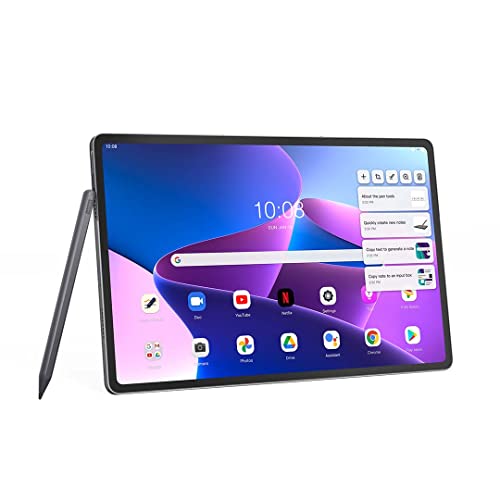
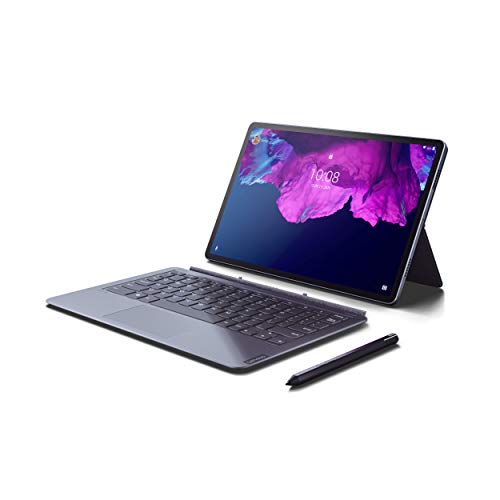
- Productivity features: Some models support Lenovo Precision Pen 2 with 4,096 pressure levels and include keyboard accessories, so they can function as compact 2-in-1 devices for note-taking and work tasks.
- Price-to-performance ratio: Lenovo tablets often start at £130 to £220 for entry models and remain more affordable than Samsung or Apple while still including features like Full HD screens, LTE connectivity, or expandable storage.
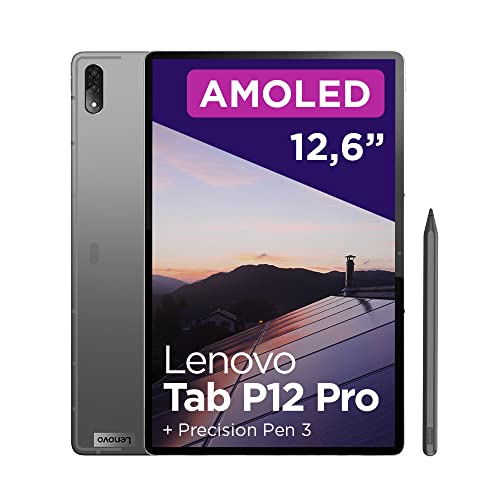
- Build variety: Lenovo offers both entry-level devices like the Tab M10 and premium models like the Tab P12 Pro, so users can select a tablet with specifications that match their budget and performance needs.
What are the main disadvantages of Lenovo tablets?
Lenovo tablets have the following main disadvantages:
- Software updates: Lenovo tablets receive fewer Android version updates compared to Samsung and Google tablets, so devices may lose long-term support earlier.
- Performance limits: Entry-level models use MediaTek or Snapdragon 600-series chipsets, which struggle with multitasking or heavy games compared to Snapdragon 800-series processors.
- Camera quality: Front and rear cameras on most Lenovo tablets reach only 8 MP to 13 MP, so image sharpness and low-light performance remain below Samsung Galaxy Tab or Apple iPad levels.
- App ecosystem: Productivity accessories are available, but software optimization for keyboards and pens is less advanced than Apple’s iPadOS or Samsung’s One UI, which reduces efficiency for professional tasks.
- Weight and size: Some larger Lenovo tablets exceed 600 g, so they feel less comfortable to hold for extended sessions compared to slimmer competitors.
Who makes Lenovo tablets?
Lenovo tablets are made by Lenovo Group Limited, a Chinese multinational technology company based in Beijing and Morrisville, North Carolina.
The company was founded in 1984 under the name Legend, and in 2004 it rebranded as Lenovo. It became widely known in 2005 when it purchased IBM’s personal computer division, which included the ThinkPad line.
Lenovo produces tablets under its own brand, including the Lenovo Tab and Yoga Tab series. The company designs and engineers its tablets in China and other global research centers, while manufacturing takes place in Lenovo-owned factories and through contract manufacturers in China, India, and other countries.
How popular are Lenovo tablets worldwide?
Lenovo tablets are quite popular worldwide, with IDC data showing about 13 million shipments in 2024 and a global market share near 9 %, which placed Lenovo third behind Apple and Samsung. The Tab P series targeted mid-range and premium buyers, while the Tab M series covered the entry-level segment, giving Lenovo broad appeal in different price ranges.
Lenovo performed strongest in Asia and Europe, where its share reached about 10 %, while in North America it stayed lower at around 5 %.
What are the main Lenovo tablet series?
The main Lenovo tablet series are as follows:
- Lenovo Tab Series: This is the standard Android tablet line designed for everyday use. It includes models with different screen sizes, from compact 8-inch devices to larger 11-inch or 12-inch models, and covers a wide price range. These tablets target general users who want entertainment, browsing, and productivity in one device.
- Lenovo Yoga Tab Series: This series focuses on unique designs with built-in kickstands, cylindrical batteries, and better speakers. It is aimed at users who want versatility for watching videos, reading, or working without always holding the tablet.
- Lenovo M Series (Tab M): These are budget-friendly tablets that focus on basic functions. They are simple and reliable for families, children, or users who want a low-cost Android tablet for browsing and media use.
- Lenovo P Series (Tab P): This line is more advanced than the M Series and includes tablets with higher resolution displays, stronger processors, and Dolby Atmos audio. They are targeted at users who want better performance and entertainment features at mid-range prices.
- Lenovo ThinkPad X Series Tablets: These are Windows-based tablets with detachable keyboards that function as 2-in-1 devices. They are part of the ThinkPad family, focused on business and productivity, with enterprise security features and stylus support.
- Lenovo Smart Tab Series: These tablets integrate smart display functions with Amazon Alexa or Google Assistant. They can work as regular Android tablets or as smart home hubs when placed in their docking stations.
How much do Lenovo tablets cost?
Lenovo tablets cost between £85 and £765 depending on the model and specifications.
Entry-level devices such as the Lenovo Tab M series usually stay in the £85 to £170 range, while mid-range models like the Tab P series fall around £215 to £340. High-performance models such as the Lenovo Tab Extreme or premium Yoga Tab versions reach £595 to £765 because they include stronger processors, larger displays, and advanced features.
Prices across Lenovo tablets are distributed in the following chart.
[vertical-chart-10229852863683723608009108031772689519752630935276]
What should you consider while choosing the best Lenovo tablet?
When choosing the best Lenovo tablet, consider the following factors:
- Display: Screen specifications vary significantly across Lenovo tablet series, with options ranging from 8.8-inch to 14.5-inch displays. The P-series and Tab Extreme models feature premium OLED panels with 2.5K to 3K resolution and 120Hz refresh rates, while M-series tablets use standard LCD displays with basic resolution. Gaming enthusiasts should consider the Legion Y700's compact 8.8-inch 120Hz display, which balances portability with smooth gaming performance.
- Performance: Processor capabilities determine the tablet's ability to handle demanding tasks and multitasking scenarios. The Tab Extreme and Legion series use high-end chipsets like MediaTek Dimensity 9000 and Snapdragon 8+ Gen 1, which excel in productivity and gaming applications. P-series tablets feature mid-range processors suitable for professional work, while M-series models use entry-level chipsets like Helio G88 that handle basic tasks adequately. RAM configurations play a crucial role in performance, with flagship models offering 12-16GB for seamless multitasking and heavy applications, mid-range tablets providing 8GB for balanced performance, and budget options starting at 4-6GB which may limit simultaneous app usage but remain sufficient for basic productivity tasks.
- Design: Construction materials and design philosophy differ substantially between series, affecting durability and premium feel. P-series and Tab Extreme models feature premium materials with metal unibody construction and sophisticated finishes. M-series tablets typically use plastic construction to maintain affordability, while Legion tablets incorporate gaming-focused design elements with advanced cooling systems.
- Battery: Power management varies across the lineup, with larger tablets generally offering more capacity for extended usage sessions. The Tab Extreme packs a massive 12,300mAh battery for all-day productivity work, while the Yoga Tab 13 features a 10,000mAh battery optimized for media consumption. Legion gaming tablets include 45W fast charging capabilities to minimize downtime during gaming sessions.
- Software: Operating system enhancements and productivity tools differentiate professional-grade tablets from basic models. The Tab Extreme includes desktop mode functionality that transforms the device into a laptop-like experience for serious work applications. P-series tablets support stylus input with Precision Pen compatibility and keyboard accessories, while M-series focuses on essential Android features without advanced productivity tools.
- Audio and multimedia: Sound quality and multimedia capabilities vary significantly based on intended use cases and target audience preferences. Premium models like the Tab P11 Pro Gen 2 feature quad JBL speaker systems with Dolby Atmos support for immersive entertainment experiences. Gaming tablets incorporate dual speakers optimized for gaming audio, while budget M-series models include basic stereo speakers suitable for casual media consumption.
- Connectivity and storage: Network capabilities and storage options determine the tablet's versatility for different environments and usage patterns. P-series tablets offer 5G connectivity options for professional users who need constant internet access, while M-series provides Wi-Fi and 4G variants for basic connectivity needs. Storage configurations range from 128GB in entry-level models to 256GB in premium tablets, with most supporting microSD expansion for additional capacity.