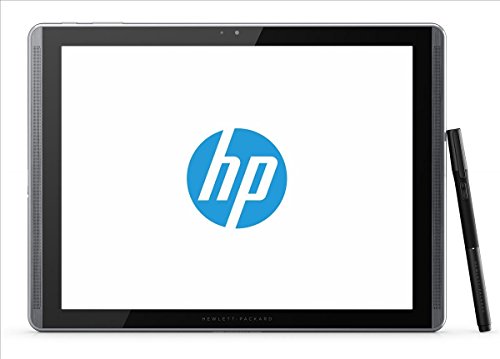
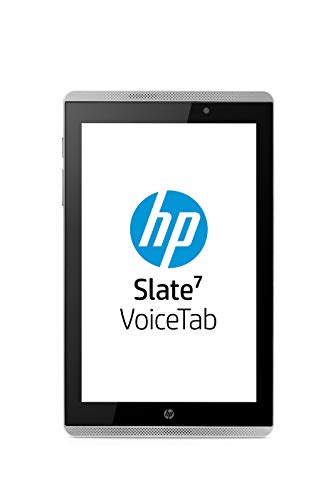
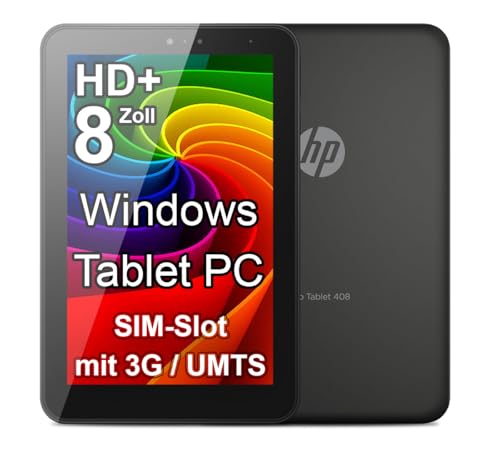
Are HP tablets good?
HP tablets have an average overall score of 5.8, ranking #36 among all tablet brands, and a user rating of 7.9, placing them at #25 based on user reviews.
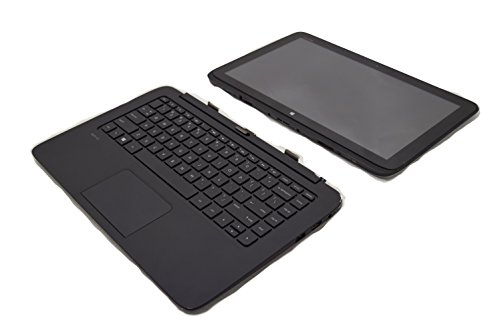
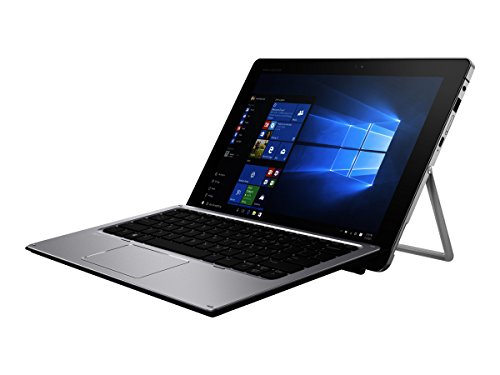
Many HP tablets function as 2-in-1 convertibles, blending tablet portability with laptop features, often supported by detachable keyboards and stylus input. This makes them suitable for productivity tasks, document handling, and multitasking rather than just entertainment.
On the downside, HP tablets are not as competitive in the consumer-focused Android or iPad market, where display quality, app ecosystems, and long-term updates carry more weight. Their strength lies more in business integration, security tools, and synergy with HP laptops and PCs.
The best HP tablets are as follows.
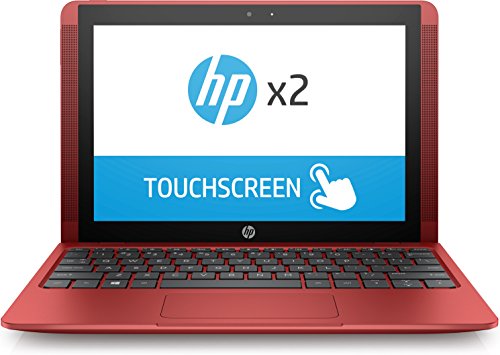
- Hp Envy X2 WiFi (2GB + 64GB) (Overall score: 6.63 points)
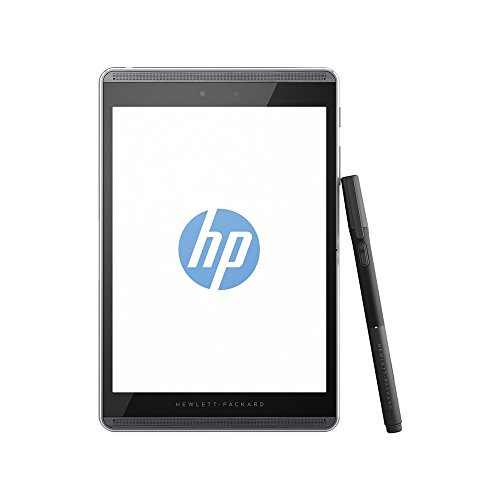
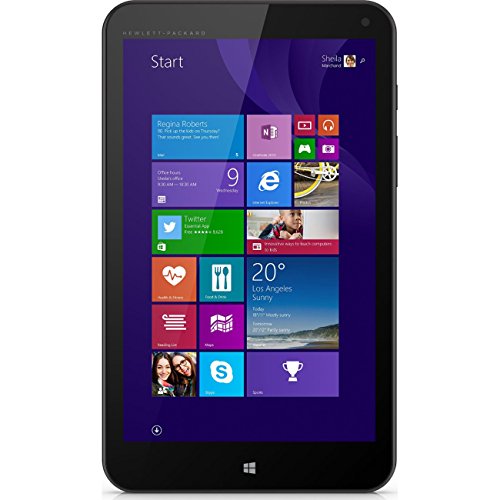
- Hp Pro Slate 8 WiFi (2GB + 32GB) (Overall score: 6.29 points)
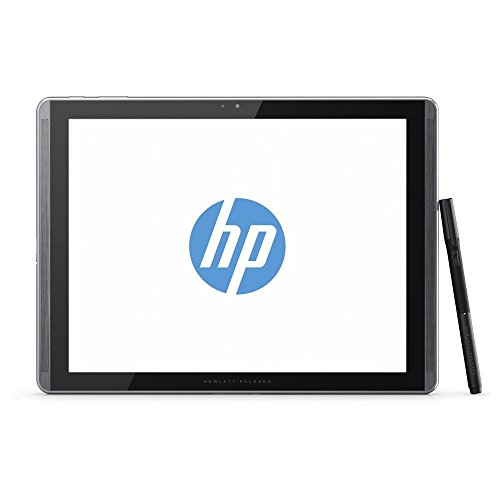
- Hp Pro Tablet 610 G1 Pc G4t48ut (4GB + 64GB) (Overall score: 5.96 points)
The following chart ranks tablet brands based on their overall scores.
[horizontal-chart-17307447123912072405130790404762119862712244951798]
What are the main advantages of HP tablets?
The main advantages of HP tablets are the following:
- Performance: HP tablets often use Intel or AMD processors with clock speeds above 2.0 GHz and RAM options up to 8 GB, which supports smooth multitasking and professional use. Storage ranges from 128 GB to 512 GB SSD, so they handle heavy files better than typical Android tablets.
- Display quality: Many HP models include Full HD (1920 × 1080) or even higher resolutions with IPS panels that improve brightness and viewing angles. Some business-oriented models reach 400 nits, which helps in outdoor use and office lighting.
- Productivity focus: HP tablets integrate Windows 11 Pro in many models, so they run full desktop software like Excel, Photoshop, or coding platforms. This makes them closer to 2-in-1 laptops rather than media-focused tablets.
- Build and durability: Several HP tablets have metal casings with reinforced edges, so they withstand daily transport and office conditions. Weight typically stays between 600 g and 900 g, which is balanced for professional mobility.
- Connectivity: HP tablets usually feature multiple ports (USB-C, USB-A, microSD, HDMI on some models) and Wi-Fi 6 support. This enables faster transfer speeds up to 9.6 Gbps and direct connections to monitors or storage devices.
- Security features: Business models integrate fingerprint readers and TPM chips, which protect data access and encryption. This makes them fit for enterprise and government-level usage where security standards matter.
What are the main disadvantages of HP tablets?
The disadvantages of HP tablets are the following:
- Price: Many HP tablets cost between £430 and £850, which is higher than Android tablets with similar basic functions.
- Battery life: Average runtime stays around 6–8 hours, while competitors like iPad reach 10–12 hours. Heavy use with Windows apps reduces it even further.
- Weight and thickness: At 700–900 g and over 8 mm, HP tablets are heavier and bulkier compared to iPad or Samsung Galaxy Tab that stay under 600 g and 7 mm.
- Limited app ecosystem: Since they use Windows, they lack optimized tablet apps found in iPadOS or Android. Touch experience can feel less fluid in casual use.
- Charging speed: Most models use 45 W or lower charging, so full recharge can take up to 2.5 hours, while competitors with 65 W or higher power reach 100% in under 90 minutes.
Who makes HP tablets?
HP tablets are made by HP Inc., a U.S. technology company based in Palo Alto, California.
The company was created in 2015 after the split of Hewlett-Packard into HP Inc. and Hewlett Packard Enterprise. HP Inc. focuses on personal computers, printers, and tablets, while Hewlett Packard Enterprise covers servers, storage, and networking.
HP employs more than 50,000 people worldwide and operates in over 170 countries.
How popular are HP tablets worldwide?
HP tablets are a niche player worldwide, with shipments in 2024 estimated at under 1 million units and a global market share below 1 %, so the brand did not appear in top vendor rankings.
HP focused mainly on business and education devices such as the Chromebook x2 and Elite x2, targeting professionals and schools rather than mainstream consumers.
Sales were concentrated in North America and parts of Europe, while in Asia HP presence stayed very limited.
What are the main HP tablet series?
The main HP tablet series are as follows:
- HP Elite x2: A business-focused 2-in-1 tablet with detachable keyboard. It has strong security features, durable design, and powerful Intel processors. It targets professionals who need performance and portability.
- HP Pro x2: A lighter business tablet compared to the Elite line. It emphasizes flexibility with pen support and long battery life. It suits field workers and mobile professionals.
- HP Spectre x2: A premium 2-in-1 tablet with high-resolution display and slim design. It includes powerful Intel Core processors and is built for users who want both style and performance.
- HP Envy x2: A consumer-oriented series designed for casual use. It has Snapdragon or Intel processors depending on the model, with long battery life and always-connected LTE options.
- HP Slate: An older line of Android tablets that ranged from budget to mid-range devices. These tablets focused on entertainment and casual browsing but are now discontinued.
- HP Stream 7 and Stream 8: Affordable Windows tablets aimed at entry-level users. They included free cloud storage and Microsoft services, designed for basic productivity and media use.
- HP Omni 10: A Windows tablet with Intel Atom processor and 10-inch display. It was positioned as a compact productivity device and targeted budget-conscious users.
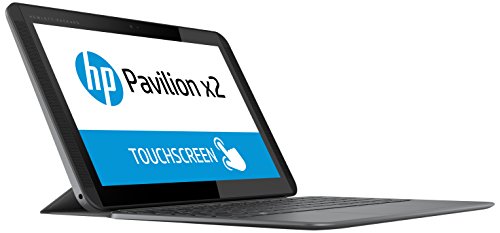
- HP Pavilion x2: A 2-in-1 convertible that combined a detachable keyboard with a compact Windows tablet. It aimed at students and home users who wanted a balance of price and functionality.
How much do HP tablets cost?
HP tablets cost between £130 and £430 depending on the model, screen size, and hardware configuration.
Entry-level models are closer to £130 with smaller displays and basic processors, while business-oriented or hybrid devices reach £430 with stronger CPUs, higher RAM, and larger storage.
The chart below illustrates how prices are distributed across HP tablets.
[vertical-chart-04086202810540230510098859855366753469951597035391]
What should you consider while choosing the best HP tablet?
Selecting the best HP tablet requires careful evaluation of the following technical specifications and features:
- Display: Screen resolution and color accuracy determine visual performance across HP tablet series. The HP Tablet 11 delivers 2160 x 1440 resolution with near 100% sRGB color coverage and 400-nit brightness, while HP Pro Slate models feature lower resolutions but maintain adequate color reproduction for business use. Higher-end displays like the HP ZBook x2 offer 4K IPS panels with Dream Color technology and 1 billion colors.
- Processor: CPU selection directly affects multitasking capabilities and application responsiveness. The HP Tablet 11 uses Intel Pentium Silver N6000 quad-core processors with 4GB-8GB RAM, while business-focused HP ZBook series incorporates Intel Core i7 processors with up to 32GB RAM. Entry-level models like HP Slate series typically include MediaTek processors with 1GB RAM for basic tasks.
- Battery: Runtime varies significantly between HP tablet series based on processor efficiency and battery capacity. The HP Tablet 11 achieves 6-9 hours with its 32.2Wh battery, while HP Pavilion series reaches up to 8.5 hours under typical office conditions. Business models like HP ElitePad maintain 8-10 hour operation with larger battery configurations.
- Build quality: Chassis construction and weight distribution impact durability and mobile usage. HP Tablet 11 weighs 797g for the tablet unit and 1.06kg with keyboard attachment, while HP Pro Slate models maintain slim profiles under 10mm thickness. HP ZBook series prioritizes workstation-grade construction but increases weight to accommodate cooling systems.
- Connectivity: Wireless and port selection determines device versatility across usage scenarios. Standard HP tablets include Wi-Fi 6 and Bluetooth connectivity with single USB-C ports, while HP Pro series adds NFC and Miracast capabilities for business applications. Premium models like HP ZBook incorporate multiple ports and optional 4G LTE connectivity.
- Storage: Internal storage type and capacity affect application performance and file management. HP Tablet 11 uses 128GB-256GB PCIe SSDs with expandable microSD slots, while HP Slate models typically feature 8GB-16GB eMMC storage with limited expansion. Professional HP ZBook series offers up to 2TB PCIe SSD storage with encryption features.
- Input methods: Stylus support and keyboard compatibility expand creative and productivity capabilities. HP ZBook x2 includes professional Wacom EMR pens with 4,096 pressure levels and tilt recognition, while HP Tablet 11 supports basic touch input with optional keyboard accessories. HP Pro series tablets incorporate business-grade stylus solutions for digital signatures and annotations.