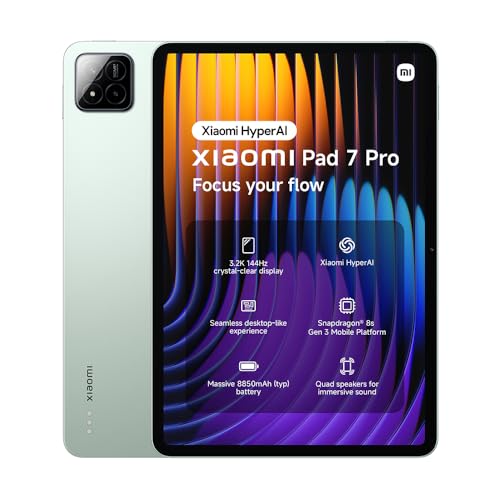
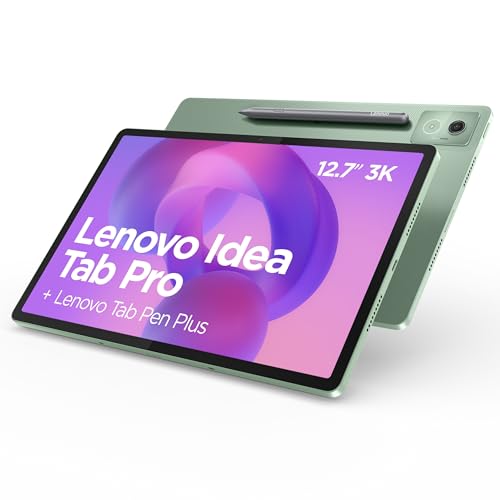
Which brands make tablets with the best quality-price ratio?
The tablet brands with the best quality-price ratio are as follows.
- Vivo (Average quality-price ratio: 8.5)
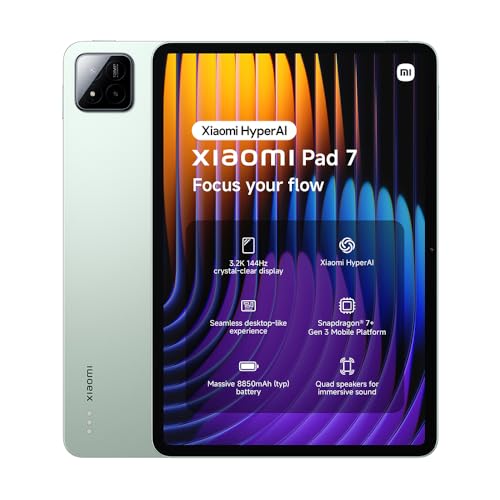
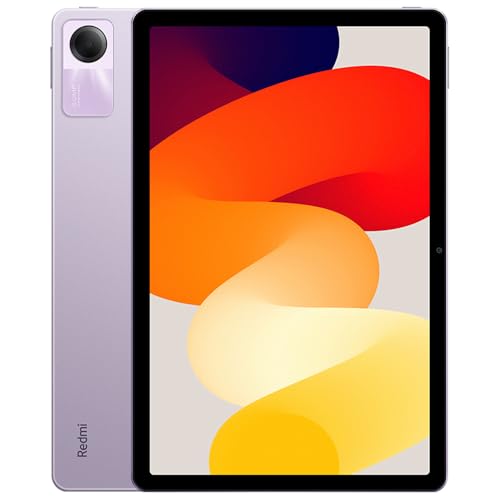
- Xiaomi (Average quality-price ratio: 8.5)
- Honor (Average quality-price ratio: 8.5)
Tablet brands are compared by quality-price ratio in the following chart.
[horizontal-chart-11455390420817934480063966036558907463664204428436]
How much do tablets with the best price-to-quality cost?
Tablets with the best price-to-quality cost between £170 and £340.
This range includes devices that balance hardware strength, display quality, and long battery life without reaching the high prices of flagship tablets. In this category, you find models with solid processors, enough RAM for smooth multitasking, and storage capacities that fit both casual use and more demanding apps.
What processor do tablets with the best price-to-quality ratio have?
The best price-to-quality ratio tablets typically feature mid-range processors such as the Snapdragon 680, MediaTek Helio G99, or Unisoc Tiger T606. These chips balance performance with cost efficiency and handle everyday tasks like web browsing, media consumption, and light gaming without the premium pricing of flagship processors.
The Snapdragon 680 stands out as particularly common in value tablets from brands like Samsung and Xiaomi, while MediaTek's Helio G99 appears in many budget-friendly models that still deliver smooth performance.
How much RAM and storage do tablets with the best price-to-quality have?
Tablets with the best price-to-quality have 4 GB to 8 GB of RAM and storage that starts at 64 GB and usually goes up to 256 GB. This balance gives enough memory for smooth multitasking and space for apps, media, and system updates, so it fits most everyday needs without raising the price too much.
Models at the lower end usually come with 4 GB of RAM and 64 GB of storage, which is enough for browsing, streaming, and light productivity. Mid-range versions raise this to 6 GB or 8 GB of RAM and 128 GB or 256 GB of storage, which improves speed in multitasking and gives more room for files, photos, and videos.
RAM capacity in tablets with the best quality-price ratio is distributed in the following chart.
[vertical-chart-16452844305776466495179235697565677661022902359637]
How long does the battery last in tablets with the best price-to-quality?
The battery in tablets with the best price-to-quality usually lasts between 8 and 12 hours, which covers a full day of mixed use such as web browsing, streaming, and light work. Some models in this range reach up to 14 hours if you lower brightness or use energy-saving modes, while heavier use such as gaming or video editing reduces runtime to 6–7 hours.
Mid-range tablets with good efficiency often use batteries around 6000–8000 mAh, and the balance between screen size, processor type, and software optimization decides the final endurance. Larger displays or high refresh rates consume more energy, while smaller screens with standard resolution extend runtime.
In most cases, these tablets recharge within 2 to 3 hours through fast charging, so you can restore enough power quickly between uses.
How good are the displays in tablets with the best price-to-quality?
Displays in tablets with the best price-to-quality are generally good, with sharp resolution and balanced brightness. Most of these models use IPS LCD or OLED panels, which give wide viewing angles and clear colors. Resolution usually reaches Full HD (1920x1080) or higher, so text and images appear crisp when browsing, streaming, or reading.
Color reproduction is usually accurate and brightness levels range from 350 to 500 nits, which is enough for indoor use and adequate outdoors if you avoid direct sunlight. Some tablets in this range also support HDR content, so contrast between dark and bright areas looks stronger.
Refresh rates often stay at 60 Hz, although a few models reach 90 Hz or 120 Hz, which results in smoother scrolling and better gaming response.
What else to consider while choosing a tablet with the best quality-price ratio?
When choosing a tablet with the best quality-price ratio, consider the following key factors that determine value and performance:
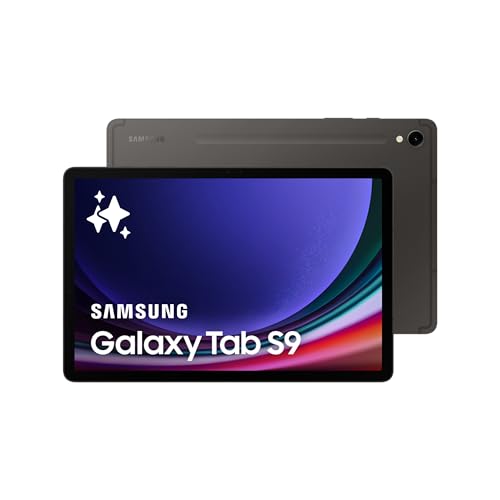
- Screen size and resolution: The display size affects both usability and cost but impacts the overall experience significantly. Tablets with 10-11 inch screens balance portability with functionality, while larger screens above 11 inches work better for productivity tasks and media consumption. Resolution matters for visual clarity - models with 1920 x 1200 or higher resolutions deliver sharp images, with premium tablets like Samsung Galaxy Tab S9 series reaching 2560 x 1600 to 2960 x 1848 pixels. Higher resolutions require more powerful processors, which affects both performance and battery drain.
- Processing power and RAM: The processor determines how smoothly the tablet runs applications and multitasks. Budget tablets with MediaTek or basic processors handle basic tasks like browsing and media consumption, while premium models feature Apple M2 chips or Qualcomm Snapdragon 8 Gen 2 series for professional use. RAM capacity starts at 3-4GB for basic models like Amazon Fire HD 10, while professional tablets require 8GB or more for demanding applications.
- Storage capacity and expandability: Internal storage affects both functionality and price, with basic models starting at 32-64GB while professional tablets offer 128GB or more. Many Android tablets like Samsung Galaxy Tab series include microSD slots for expansion up to 1TB, which adds flexibility without increasing the base cost. Cloud storage integration also reduces the need for large internal storage.
- Battery life and charging speed: Good tablets deliver 8-10 hours of usage, with top models like Samsung Galaxy Tab S9 Ultra featuring 11,200mAh batteries. Fast charging capabilities like Samsung's Super Fast Charging 2.0 (45W) reduce downtime and add convenience. Amazon Fire tablets excel in this area with models reaching 13-14 hours of battery life.
- Operating system compatibility: The OS choice affects both app availability and long-term software support. iPads with iOS integrate seamlessly with other Apple devices and access tablet-optimized apps, while Android tablets like Samsung Galaxy Tab or OnePlus Pad 2 offer more customization and competitive pricing. Amazon Fire tablets use Fire OS but cost significantly less while handling basic tasks well.
- Build quality and ecosystem integration: Premium materials and construction justify higher costs but improve durability and user experience. Tablets from the same manufacturer as your phone create better integration - Samsung Galaxy devices share S Pen compatibility, while iPads work seamlessly with iPhones through features like iMessage continuity. Accessory support like keyboard cases and styluses adds functionality but also affects total cost.
- Connectivity features: Modern tablets include USB-C ports, Wi-Fi 6 support, and optional 5G connectivity. These features impact both current usability and future compatibility. Professional models often include additional ports and connectivity options that justify higher prices for specific use cases.