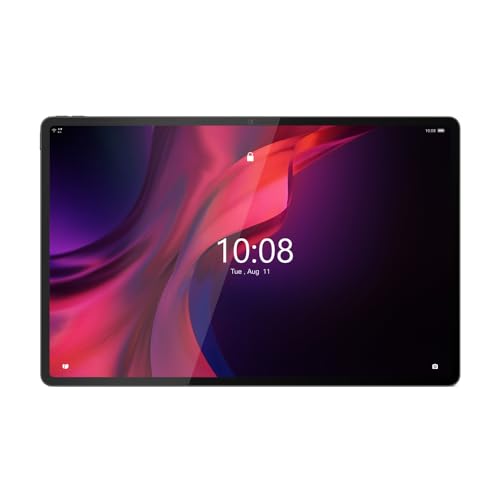
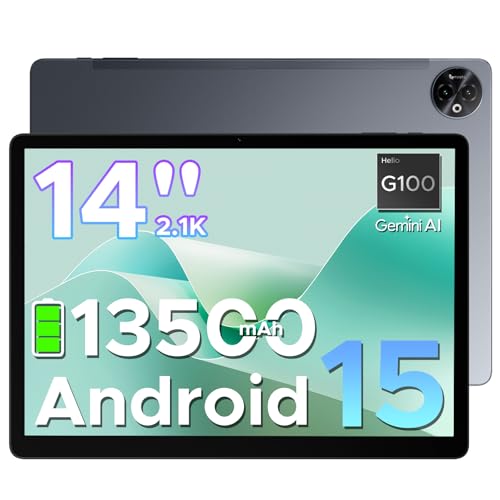
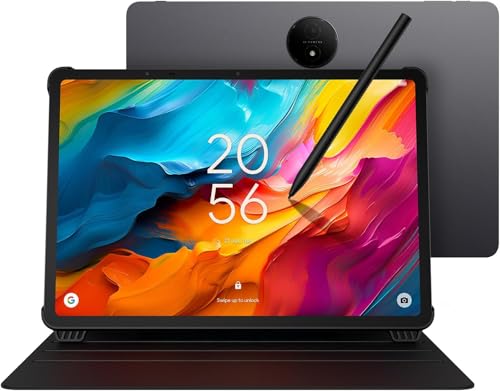
Who should buy a 14-inch tablet?
14-inch tablets are the best for the following groups of people:
- Professionals: A 14-inch tablet works well as a laptop replacement because the wide screen supports multitasking, spreadsheets, and video calls.
- Designers and artists: The large display suits drawing, graphic design, and video editing as it offers more working space and precise control.
- Students: It fits digital textbooks, lecture notes, and online classes on one screen, so it helps with studying and writing assignments.
- Entertainment users: The size enhances movies, games, and browsing since the bigger screen gives a more immersive experience.
- Travelers: It is larger than compact tablets but still portable, and it works as a lighter alternative to carrying a laptop.
Which brands make the best 14-inch tablets?
The best 14-inch tablet brands are as follows.
- Xiaomi (Overall score: 8.9 points)
- Lenovo (Overall score: 8.7 points)
- TCL (Overall score: 7.6 points)
The chart below ranks 14-inch tablet brands based on their overall scores.
[horizontal-chart-02303367642193145136145933418122327124132107260086]
How much do 14-inch tablets cost?
14-inch tablets cost between £340 and £1,300 depending on brand, specifications, and build quality.
Entry-level models usually stay closer to £340-£550, while mid-range devices with stronger processors and higher storage go from £600 to £850. Premium tablets from well-known brands that use advanced displays and fast chipsets can reach £1,300 or more.
The following chart shows how prices are distributed across 14-inch tablets.
[vertical-chart-11563007086217964431050708802721446371191883419232]
What should you consider when choosing the best 14-inch tablet?
When you choose the best 14-inch tablet, you should focus on the following factors:
- Display quality: A 14‑inch tablet needs at least 2K resolution for sharp images, and an IPS or AMOLED panel for better contrast and viewing angles. Samsung Galaxy Tab S9 Ultra uses AMOLED while Lenovo Yoga Tab 13 uses IPS. A higher refresh rate like 120Hz improves scrolling smoothness and gaming.
- Performance and chipset: A large tablet must run smoothly with a strong processor. Apple M2 chip in the iPad Pro 12.9 (close in size) sets a reference for power, while Qualcomm Snapdragon 8 Gen 2 gives high speed in Android models like Samsung Galaxy Tab S9 Ultra. Strong performance supports multitasking and professional apps.
- Battery and charging: The 14‑inch screen consumes more power, so look for tablets with large cells above 10,000 mAh. Lenovo Tab Extreme includes 12,300 mAh, which keeps long screen time. Fast charging like 45W or 68W shortens downtime, a key factor for work and travel.
- Design and build: Large tablets need slim but durable frames. Aluminum bodies feel solid and resist damage better than plastic. Slim bezels reduce size while keeping the screen large. Detachable keyboards (Samsung Book Cover Keyboard or Apple Magic Keyboard) add laptop‑like productivity.
- Software and ecosystem: iPadOS excels for creative apps, Android tablets like Samsung Galaxy Tab series support multitasking with DeX mode, and Lenovo focuses on entertainment features. Updates and ecosystem connections with phones, watches, or PCs increase long-term usability.
- Connectivity and accessories: A good 14‑inch tablet should support Wi‑Fi 6 or 6E and optional 5G for fast internet. Stylus support, such as Samsung S Pen or Apple Pencil, upgrades productivity and drawing. Ports like USB‑C with DisplayPort expand desktop replacement use.
- Speakers and multimedia: A large screen tablet suits media, so speakers play a vital role. Quad speakers with Dolby Atmos are standard on Samsung and Lenovo premium models. High brightness (above 500 nits) helps outdoor visibility, which benefits both work and movies.