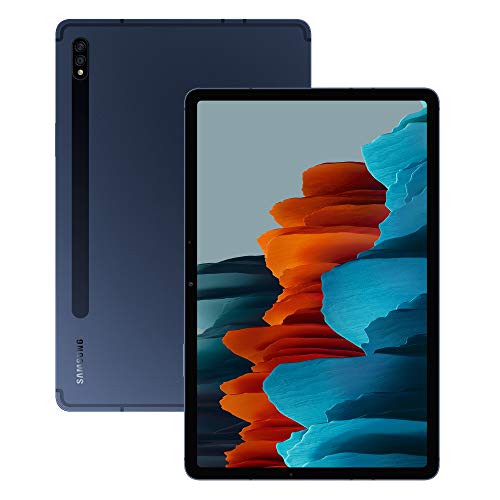
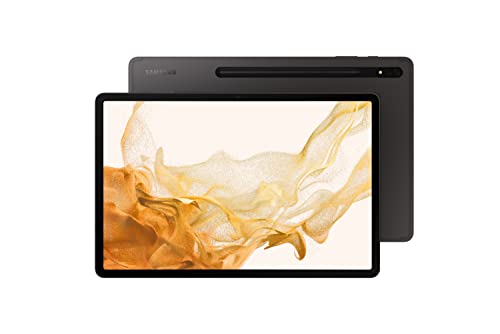
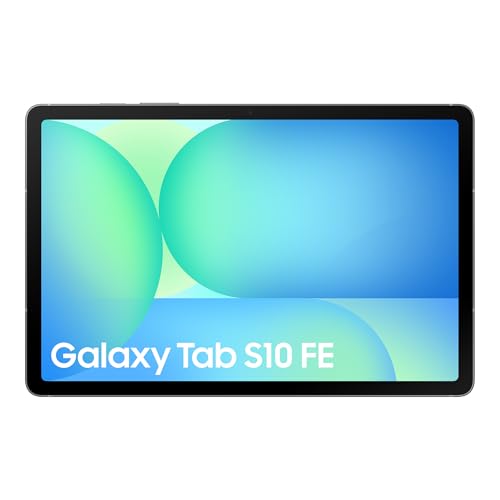
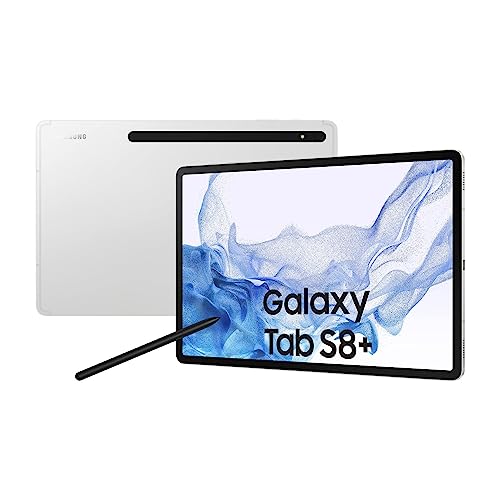
Are Samsung tablets good?
Samsung tablets have an average overall score of 9.1, ranking #1 among all tablet brands, and a user rating of 9.5, placing them at #2 based on user reviews.
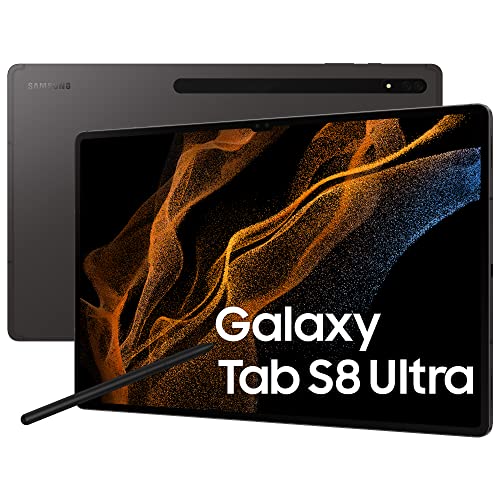
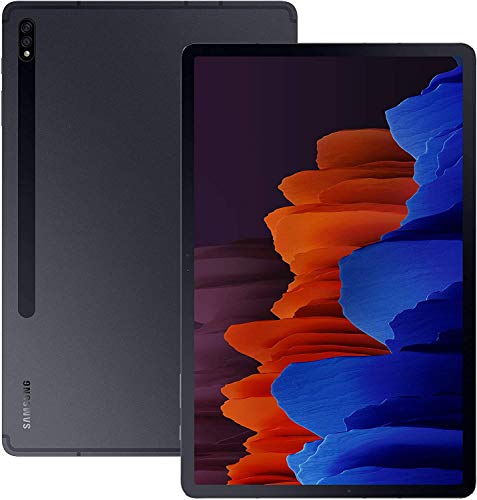
They are known for strong display quality, especially on higher-end models that use AMOLED screens with vibrant colors and sharp resolution. Performance tends to be reliable, with Samsung integrating capable processors and solid battery life that suits media use, browsing, and productivity. Their tablets also run on Android with Samsung’s One UI skin, which is well-optimized and adds extra features compared to standard Android.
In addition to hardware, Samsung tablets often support accessories such as the S Pen stylus and detachable keyboards, which make them versatile for both entertainment and work. The brand has a reputation for durable build quality and consistent software updates across its key product lines.
The best Samsung tablets are as follows.
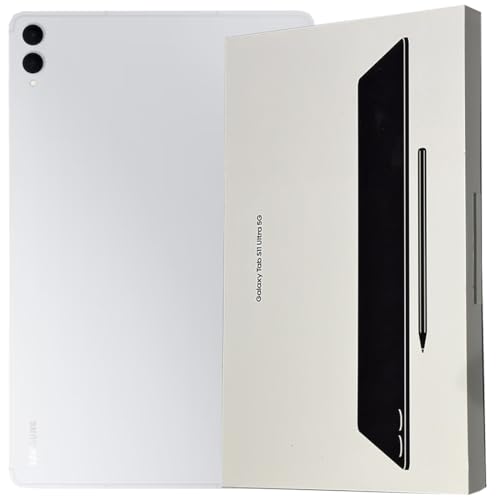
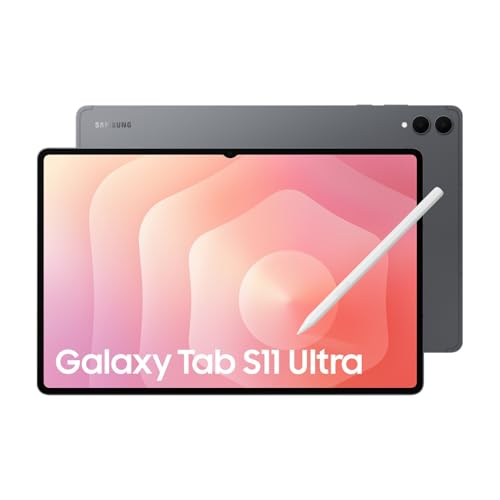
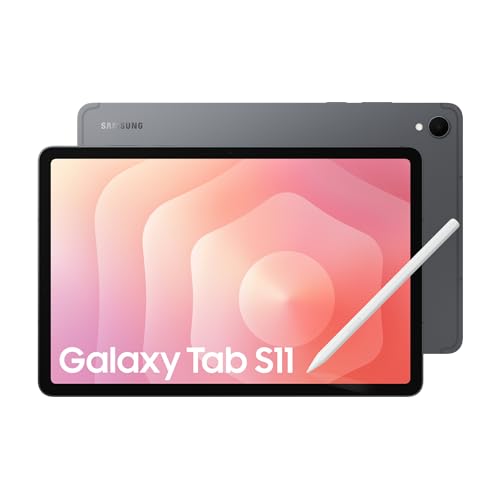
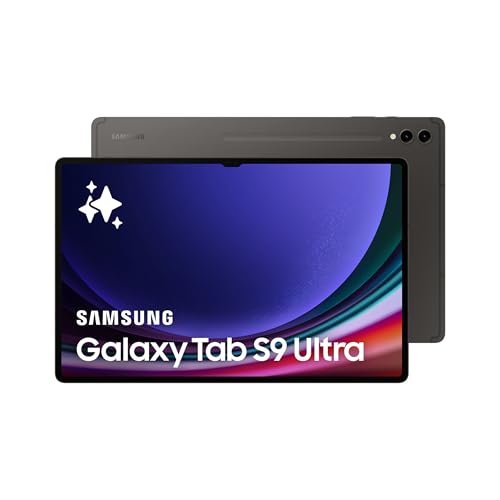
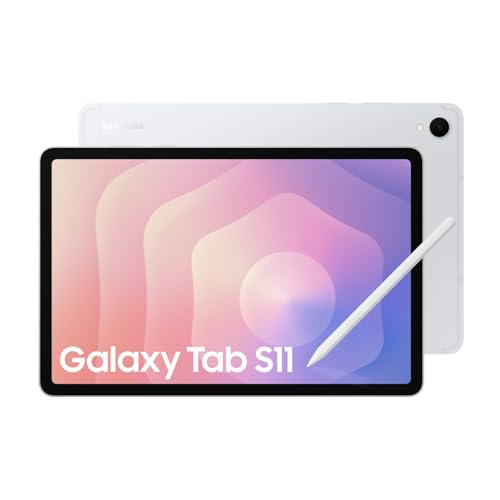
- Samsung Galaxy Tab S11 Ultra 5G (12GB + 256GB) (Overall score: 9.18 points)
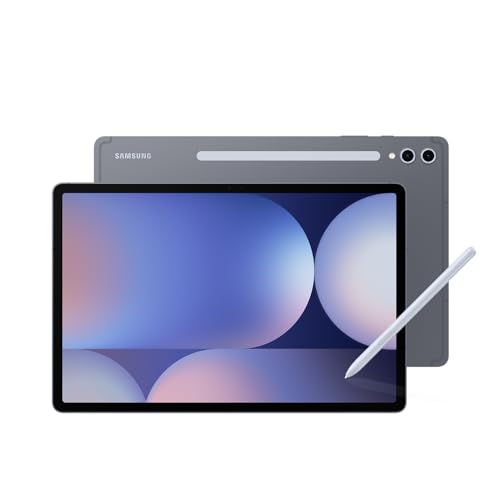
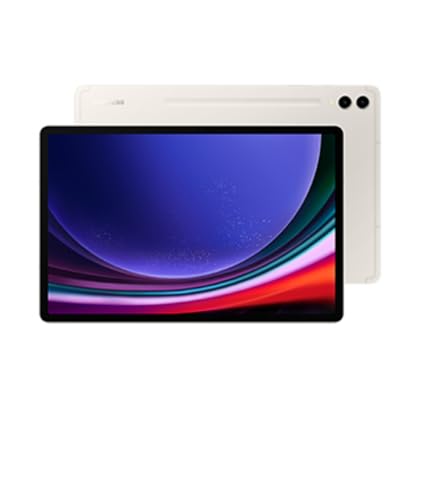
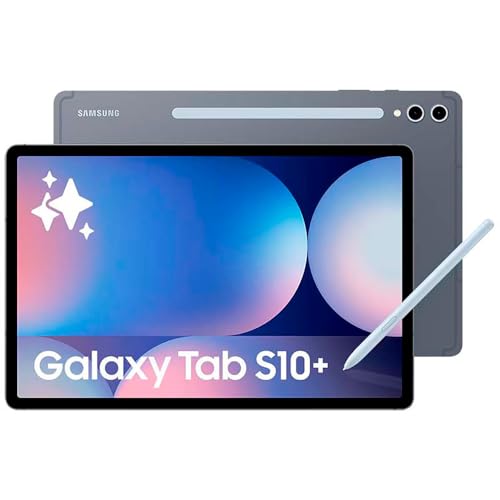
- Samsung Galaxy Tab S10 Plus WiFi (12GB + 512GB) (Overall score: 9.16 points)
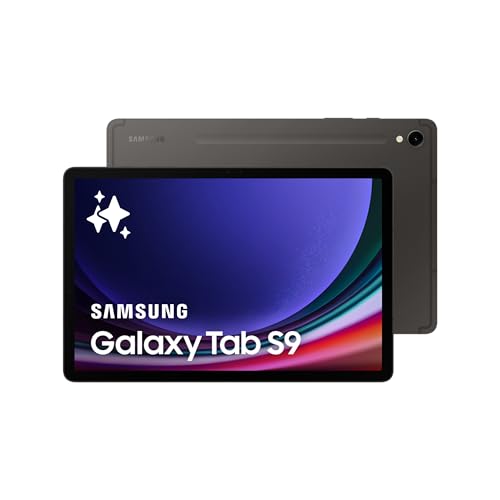
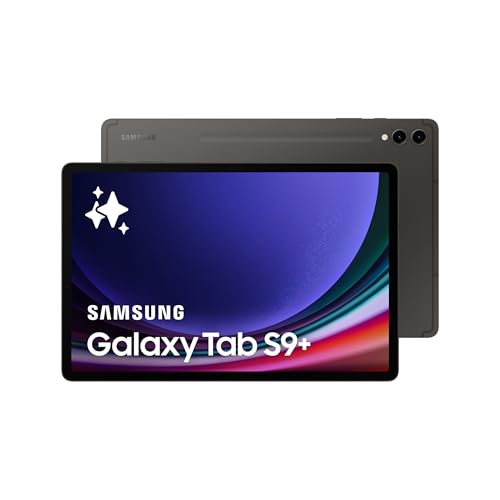
- Samsung Galaxy Tab S9 WiFi (12GB + 256GB) (Overall score: 9.14 points)
The following chart ranks tablet brands based on their overall scores.
[horizontal-chart-17307447123912072405130790404762119862712244951798]
What are the main advantages of Samsung tablets?
The main advantages of Samsung tablets are the following:
- Display quality: Samsung tablets use Super AMOLED or LCD panels with high resolutions (up to 2960 × 1848 pixels on Galaxy Tab S9 Ultra), high brightness around 600 nits, and HDR10+ support. This results in sharper images and more vivid colors than most competitors.
- Performance: Samsung tablets integrate Qualcomm Snapdragon 8 Gen 2 or Exynos processors with up to 12 GB of RAM, so they can run demanding apps and multitasking without slowdowns. Even mid-range models like Galaxy Tab S9 FE use solid chipsets that support smooth performance.
- Battery life: High-end models include batteries up to 11,200 mAh which last around 12–14 hours of continuous video playback. Fast charging of up to 45 W reduces charging time significantly (about 1.5 hours for a full charge).
- S Pen support: Many Samsung tablets (like Galaxy Tab S series and some A models) come with the S Pen included. The stylus has low latency around 2.8 ms and supports pressure sensitivity, useful for drawing, writing, and productivity tasks.
- Software and updates: Samsung tablets run One UI on Android with added multitasking functions such as split-screen, DeX desktop mode, and advanced stylus tools. Samsung also guarantees 4 years of major Android updates and 5 years of security patches for flagship tablets.
- Storage and expandability: Internal storage goes up to 1 TB and many models include a microSD slot (expandable up to 1 TB), which is rare in premium tablets. This is useful for storing large files, videos, or games without relying only on cloud storage.
What are the main disadvantages of Samsung tablets?
Samsung tablets have the following main disadvantages:
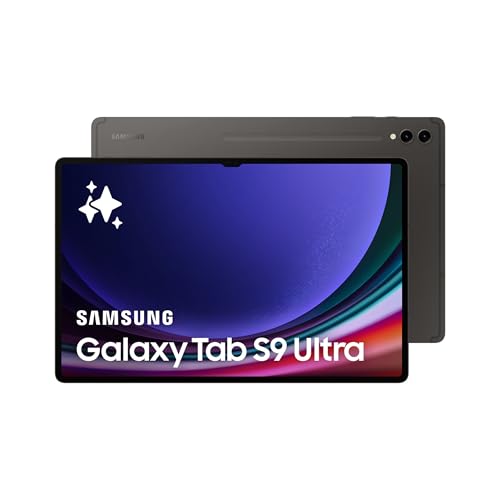
- Price: High-end models like Galaxy Tab S9 Ultra often cost £1,100 or more with accessories, which makes them more expensive than many Windows laptops.
- Weight and size: Larger models such as the 14.6-inch Tab S9 Ultra weigh around 732 g, so they are less comfortable for long handheld use.
- App optimization: Some Android apps are not optimized for large-screen tablets, so they display stretched layouts or lack multitasking features compared to iPadOS apps.
- Charging speed variation: While premium models charge at 45 W, mid-range Galaxy Tab A series is limited to slower charging (15 W), which takes more than 3 hours for a full charge.
- Bloatware: One UI often includes pre-installed Samsung and third-party apps that cannot be removed, which occupies storage and can slow down lower-end models.
Who makes Samsung tablets?
Samsung tablets are made by Samsung Electronics, a South Korean multinational company founded in 1969. It is part of the larger Samsung Group, which began in 1938 and grew into one of the world’s largest technology conglomerates.
Samsung Electronics is based in Suwon, South Korea, and employs more than 250,000 people worldwide. The company designs and manufactures a wide range of consumer electronics, including smartphones, televisions, semiconductors, and home appliances.
The Galaxy Tab series, which Samsung launched in 2010, is the company’s main tablet line. Production takes place in Samsung’s facilities in South Korea, Vietnam, and China, with research and development centers located across Asia, North America, and Europe.
How popular are Samsung tablets worldwide?
Samsung tablets are among the most popular worldwide, with IDC data showing around 28 million shipments in 2024 and a global market share close to 20 %, which placed Samsung second behind Apple in the tablet market. The Galaxy Tab S9 series drove sales in the premium segment, while the Galaxy Tab A series kept strong demand in the mid-range and entry-level categories.
Samsung performed best in Europe and Asia, where its share reached about 25 %, while in North America it stayed closer to 15 % because of Apple dominance.
What are the main Samsung tablet series?
Samsung tablets are divided into the following series:
- Galaxy Tab S series: The premium line with AMOLED displays, high-end processors, S Pen support, and long software support. It targets productivity and multimedia use and competes directly with Apple iPad Pro.
- Galaxy Tab A series: The mid-range line with LCD displays and balanced specifications. It focuses on daily use, streaming, and studying, with affordable prices and solid build quality.
- Galaxy Tab Active series: The rugged line designed for outdoor or industrial use. It has reinforced bodies, water and dust resistance, and larger batteries that can be swapped, which makes it reliable in harsh environments.
- Galaxy Tab E series: The budget line launched for basic tasks. It includes simpler hardware and limited features, with a focus on low price and accessibility for light use such as browsing or reading.
How much do Samsung tablets cost?
Samsung tablets cost between £130 and £1,200 depending on the model, size, and specifications.
The Galaxy Tab A series sits in the budget range, usually between £130 and £300, which targets users who want basic browsing, video playback, and light productivity. Mid-range models like the Galaxy Tab S6 Lite or Galaxy Tab S7 FE usually cost between £300 and £600, with better displays, higher storage, and stylus support.
The premium Galaxy Tab S9 series starts at about £700 for the standard version and goes up to around £1,200 for the Ultra variant with more RAM, faster processors, and larger AMOLED displays.
The following chart shows how prices are distributed across Samsung tablets.
[vertical-chart-09873966250805504977149295865215924367172147338990]
How do Samsung tablets compare to Apple iPads?
Samsung tablets compare to Apple iPads across multiple technical factors as follows:
- Performance: Apple iPads use M-series chips that deliver desktop-class performance, while Samsung tablets run MediaTek Dimensity or Qualcomm Snapdragon processors. The M2 iPad Pro handles 4K video editing and complex tasks more efficiently than Samsung's processors. However, Samsung's latest Galaxy Tab S10 Plus with MediaTek Dimensity 9300+ matches or exceeds iPad Pro performance in gaming benchmarks.
- Display technology: Samsung tablets feature AMOLED displays with deeper blacks and more vibrant colors, while iPads use Liquid Retina LCD technology with better color accuracy. Samsung's Galaxy Tab S10 series reaches 850 nits brightness compared to iPad Pro's 1,000 nits, but AMOLED provides infinite contrast ratios. Both tablet lines support 120Hz refresh rates and deliver professional-grade color accuracy for creative work.
- Software experience: iPadOS focuses on simplicity and app optimization, while Samsung's One UI on Android prioritizes customization and flexibility. iPad benefits from better tablet-optimized apps and seamless ecosystem integration with other Apple devices. Samsung tablets excel in multitasking with DeX mode that transforms them into desktop-like computers when connected to external monitors.
- Stylus integration: Samsung includes the S Pen with most Galaxy Tab models, while Apple charges £110 extra for the Apple Pencil. The Apple Pencil delivers lower latency and more natural drawing feel for professional artists. Samsung's S Pen offers unique features like Air Actions gesture controls and note-taking capability when the tablet screen is off.
- Battery and charging: Both tablet families deliver 8-10 hours of typical usage, with Samsung models sometimes lasting longer during video playback due to larger batteries. Samsung tablets support fast charging at 45W or higher, significantly faster than iPad's conservative charging speeds. Some Samsung models also support wireless charging and reverse wireless charging features.
- Build quality and design: iPads feature rounded corners and smooth edges for comfortable extended use, while Samsung tablets have more angular designs with secure grip. Samsung edges ahead in practical design elements like built-in stylus storage and wider variety of size options. The Galaxy Tab S10 Plus includes IP68 water resistance, making it more durable than iPads for everyday use.
- Long-term support: Apple traditionally provides 5-6 years of iOS updates for iPads, while Samsung now promises four years of Android updates for flagship Galaxy Tab models. This narrows the software support gap significantly compared to previous generations. iPads maintain better resale value over time due to longer software support and brand recognition.
What to consider while choosing the best Samsung tablet?
When choosing the best Samsung tablet, you need to consider several key factors as follows:
- Display: Samsung tablets come with two main display types - AMOLED and LCD screens. Tab S series features premium AMOLED displays with vibrant colors, deeper blacks and 120Hz refresh rates, while Tab A series uses LCD screens which deliver adequate quality at a lower cost. The AMOLED technology in Galaxy Tab S9 and S10 models produces superior contrast ratios and color accuracy compared to the standard LCD panels found in budget models.
- Performance: The processor determines your tablet's performance for multitasking, gaming and productivity tasks. Tab S series uses flagship processors like Snapdragon 8 Gen 2 or MediaTek Dimensity 9300 chipsets, which handle demanding applications smoothly. Tab A series comes with mid-range processors that work well for basic tasks like web browsing, streaming and email but struggle with resource-intensive apps. The performance gap between these series becomes noticeable when running multiple apps simultaneously or playing graphics-heavy games.
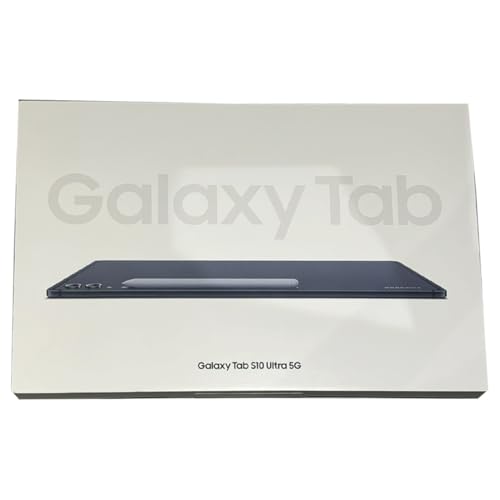
- Screen size: Samsung offers tablets in three size categories - compact 8-11 inch displays like Galaxy Tab S9, medium 12.4 inch screens like Galaxy Tab S10+, and large 14.6 inch displays like Galaxy Tab S10 Ultra. Smaller tablets provide better portability for travel and one-handed use, medium sizes balance portability with productivity, while larger screens excel at multitasking, content creation and laptop replacement scenarios. The Tab A series typically focuses on smaller, more portable sizes.
- RAM and storage: Consider RAM capacity between 4GB-12GB depending on your multitasking needs. The Galaxy Tab S10 Ultra includes 12GB RAM with 256GB storage in the base model while budget options like the Galaxy Tab A9 Plus feature 4GB RAM. Higher RAM amounts support better performance when running multiple apps simultaneously.
- S Pen support: The S Pen stylus transforms tablets into digital notebooks and creative tools. Tab S series includes the S Pen in the box with advanced features like pressure sensitivity, tilt detection and low latency for precise drawing and note-taking. Tab A series lacks S Pen support or offers it as an optional accessory. The S Pen integration makes Tab S models particularly attractive for students, artists and professionals who need handwriting or sketching capabilities.
- Design: Premium Tab S models feature aluminum construction, thinner profiles and better materials that feel more durable and refined. These tablets often include additional features like IP68 water resistance in some models. Tab A series uses plastic construction to reduce costs but still maintains decent build quality for daily use. The premium materials in Tab S series contribute to a more professional appearance and better longevity.
- Battery: Battery life varies significantly across Samsung's tablet range based on screen technology, processor efficiency and usage patterns. Tab S series with AMOLED displays and powerful processors typically deliver 8-12 hours of mixed usage, while Tab A models with LCD screens and efficient processors can achieve similar or slightly better battery life due to less demanding hardware. Larger tablets generally house bigger batteries that compensate for their power-hungry large screens and high-resolution displays.