Are Google Pixel tablets good?
Google Pixel tablets have an average overall score of 6.3, ranking #30 among all tablet brands, and a user rating of 8.4, placing them at #15 based on user reviews.
They run a near-stock version of Android, which means smooth performance, timely updates, and a user interface free of heavy customizations. Build quality tends to be solid, with good displays, clear speakers, and reliable battery life, making them suitable for browsing, streaming, and productivity.
On the other hand, Google’s tablet lineup is not as extensive or established as Apple’s iPad or Samsung’s Galaxy Tab series. This limited range means fewer choices in screen sizes and performance levels. While they integrate well with other Google services and devices, they can feel less versatile in terms of accessories and high-end power compared to leading competitors.
The best Google Pixel tablets are as follows.
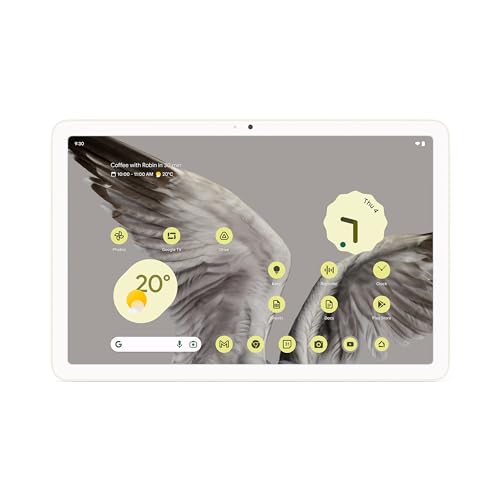
- Google Pixel Tablet (8GB + 256GB) (Overall score: 7.7 points)
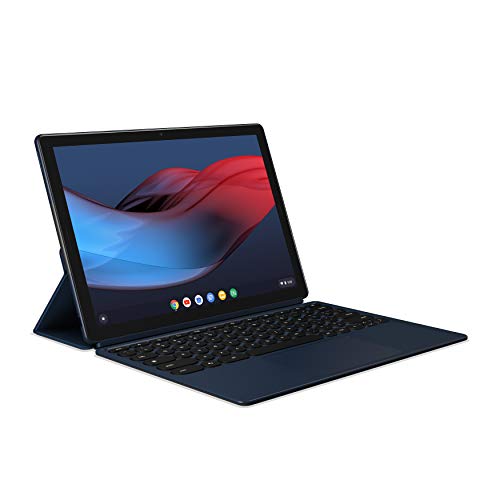
- Google Pixel Slate 8th Gen Intel Core I5 (8GB + 128GB) (Overall score: 7.07 points)
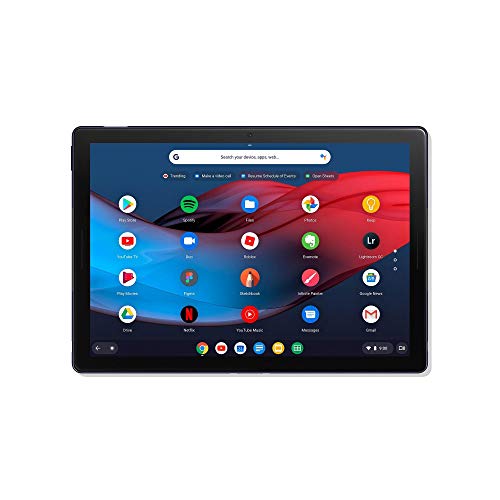
- Google Pixel Slate (16GB + 256GB) (Overall score: 6.98 points)
The chart below compares tablet brands based on their overall scores.
[horizontal-chart-17307447123912072405130790404762119862712244951798]
What are the main advantages of Google Pixel tablets?
The main advantages of Google Pixel tablets are the following:
- Hardware and software integration: Pixel tablets use Google Tensor G2 chip (same as Pixel 7 series), so the hardware and Android system work seamlessly. This integration improves performance in tasks like multitasking, AI-driven features, and voice recognition.
- Long software support: Google guarantees 5 years of security updates and 3 years of OS upgrades, which is longer than most Android tablets that typically receive 2–3 years. This extends the usability of the device.
- Display quality: Pixel tablets feature 11-inch LCD panels with a resolution of 2560 × 1600 pixels (276 ppi). The brightness reaches around 500 nits, and the colors are tuned for accuracy, which benefits both media and productivity use.
- Exclusive Google ecosystem features: Features like Chromecast built-in, split-screen multitasking, and direct integration with Google apps (Docs, Photos, Meet) are optimized for tablets. The dock accessory doubles as a smart display hub for Google Home.
- AI-driven camera features: Even though tablets are not camera-focused, Pixel tablets use Google’s computational photography. Features like Center Stage in video calls, HDR+, and noise reduction in low light set them apart from other Android tablets.
- Security features: The Titan M2 security chip manages data encryption, secure boot, and sensitive operations. Combined with Google’s frequent patches, Pixel tablets are among the most secure Android devices.
What are the main disadvantages of Google Pixel tablets?
The disadvantages of Google Pixel tablets are the following:
- Limited hardware options: Pixel tablets currently exist in a single 11-inch version with one storage option (128 GB or 256 GB), so users cannot choose different sizes or higher-end specs.
- LCD panel instead of OLED: Competing tablets in a similar price range use OLED screens with deeper blacks and higher contrast, while Pixel tablets rely on LCD technology.
- No 5G connectivity: Pixel tablets support only Wi-Fi 6E but lack a cellular version, which limits use for people who want mobile data access without tethering.
- Mid-range performance: The Tensor G2 chip is optimized for AI but lags behind Apple’s M-series chips or Snapdragon 8 Gen 2 in raw performance, so heavy gaming or intensive editing runs slower.
- Limited accessories: Apart from the charging speaker dock and basic keyboard cases, the ecosystem of accessories is not as wide as Samsung or Apple tablets, which have more professional add-ons.
Who makes Google Pixel tablets?
Google Pixel tablets are made by Google LLC, the American technology company based in Mountain View, California.
Google designs and develops the Pixel Tablet as part of its Pixel hardware line, which also includes smartphones, smartwatches, earbuds, and laptops. The Pixel Tablet was first introduced in 2023 as Google’s return to the tablet market after its earlier Nexus and Pixel Slate devices.
The hardware design and product development come directly from Google’s in-house teams, while actual assembly is outsourced to manufacturing partners in Asia, most commonly in Taiwan or China.
How popular are Google Pixel tablets worldwide?
Google Pixel tablets are a minor player worldwide, with shipments in 2024 estimated at around 1 million units and a global market share below 1 %, so the brand stayed outside the top 5 vendors.
The Pixel Tablet, launched with a charging speaker dock, targeted the premium Android segment and integrated deeply with Google services.
Sales concentrated mainly in North America and Western Europe, while presence in Asia remained very limited.
What are the main Google Pixel tablet series?
The main Google Pixel tablet series are the following:
- Pixel C: Released in 2015 as the first Google-branded tablet in the Pixel line. It ran on Android, had a 10.2-inch display with high resolution, and used a detachable keyboard. Google discontinued it after a short time as the focus moved to Chromebooks and later Pixel devices.
- Pixel Slate: Introduced in 2018, it ran on ChromeOS and came with Intel processors. It supported both a keyboard and a stylus, aimed at productivity and hybrid use. The Pixel Slate was positioned as a high-end device but received mixed feedback for performance and software experience.
- Pixel Tablet: Launched in 2023, it returned to Android and features a 10.95-inch screen, Tensor G2 processor, and integration with Google’s smart home ecosystem. It ships with a charging speaker dock that transforms the tablet into a smart display when idle, and it is designed for both handheld use and home hub functionality.
How much do Google Pixel tablets cost?
Google Pixel tablets cost around £430 for the base version.
The Pixel Tablet uses a 10.95-inch LCD screen with a resolution of 2560 × 1600 pixels and supports stylus input. It runs on the Google Tensor G2 processor, the same chip used in Pixel 7 smartphones, and comes with 8 GB of RAM. Storage options start from 128 GB and go up to 256 GB, which means users cannot expand memory with a microSD card.
Prices across Google Pixel tablets are distributed in the following chart.
[vertical-chart-05867484789201200359126663344414005879242548154846]