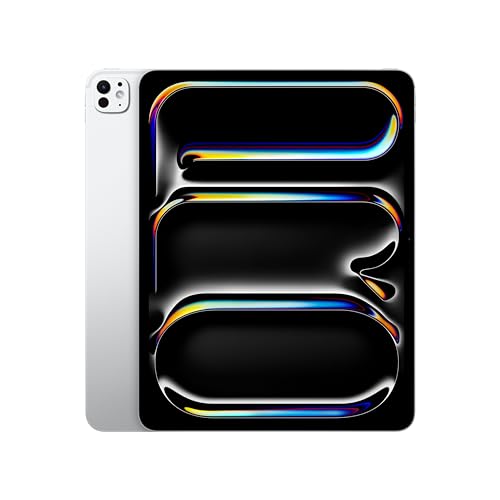
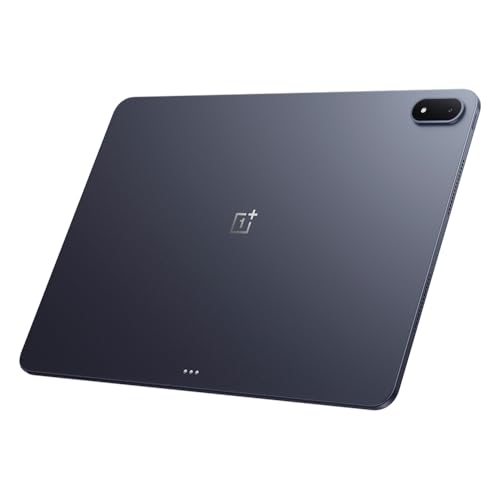
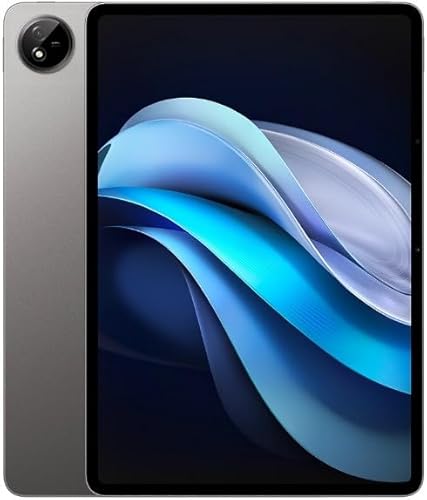
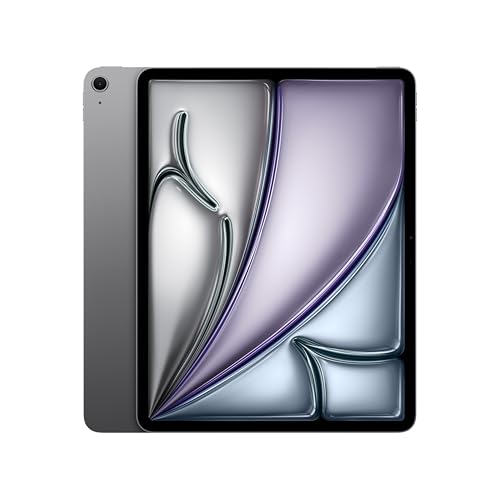
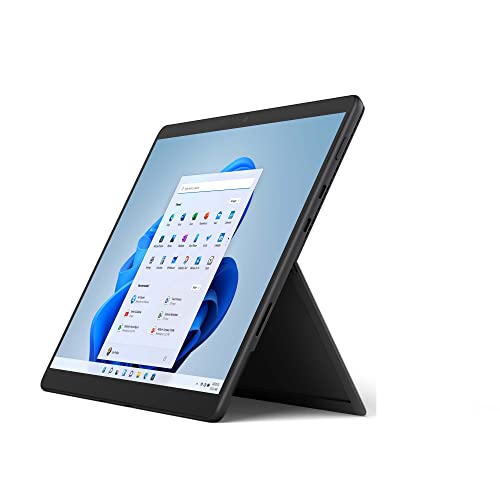
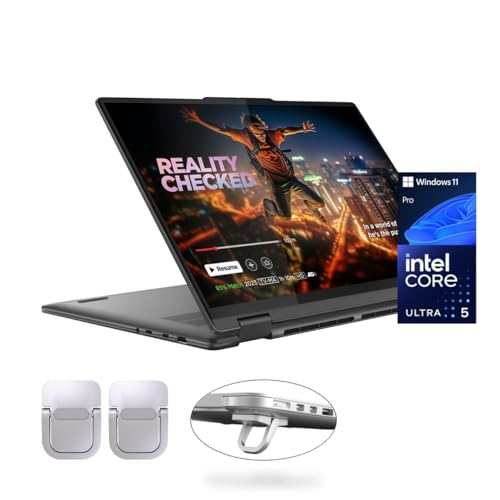
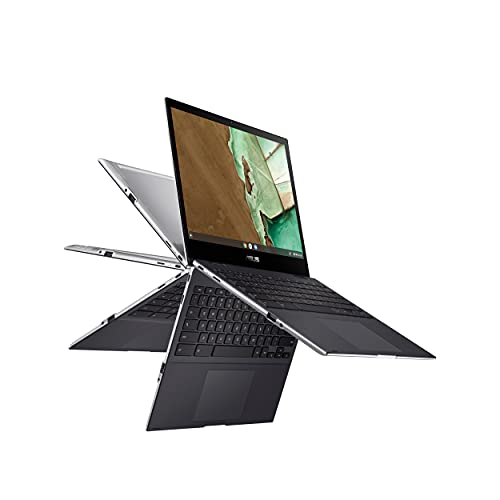
What are 13-inch tablets best used for?
13-inch tablets are best used for the following:
- Work and productivity: A 13-inch tablet has a large display that supports multitasking, so it is well suited for writing, spreadsheets, video calls, and presentations.
- Graphic design and drawing: The wide screen gives artists more room for detail and precision, especially with stylus support, which improves accuracy in sketching and editing.
- Entertainment and media: The size enhances movies, games, and streaming since the screen is closer to laptop dimensions and produces a more immersive view.
- Education and studying: Students benefit from the larger workspace for digital textbooks, annotations, and split-screen reading, which helps organize study materials.
- Business use: Professionals use these tablets during meetings for note-taking, document review, and quick access to files, as the screen size matches standard paper formats.
- Travel and mobility: Despite the large display, 13-inch tablets remain thinner and lighter than most laptops, which makes them practical for users who need performance on the go.
Which brands make the best 13-inch tablets?
The best 13-inch tablet brands are as follows.
- OnePlus (Overall score: 9 points)
- Vivo (Overall score: 8.9 points)
- Apple (Overall score: 8.7 points)
The chart below ranks 13-inch tablet brands based on their overall scores.
[horizontal-chart-14959606600222597686184421397258044120832414070075]
How much do 13-inch tablets cost?
13-inch tablets cost from around £260 to more than £1,300, and the price depends on brand, performance, and features.
- Budget models from less known brands sit in the lower range, while premium devices from Apple, Samsung, or Microsoft reach the top of the scale with faster processors, higher resolution displays, and larger storage.
- Mid-range 13-inch tablets usually fall between £430 and £800, which is common for Android devices and some Windows tablets. These products typically include solid displays, decent memory capacity, and processors strong enough for daily tasks, light productivity, and streaming.
- High-end models cost from £850 up to £1,300 or more, and they stand out with advanced displays, strong chipsets, and accessories such as keyboards or pens. These tablets target professional use, i.e. designers, video editors, and business users who need a laptop-level device in a portable format.
The following chart shows how prices are distributed across 13-inch tablets.
[vertical-chart-13714407017740781354144269850995889138811843558126]
What should you consider before buying a 13-inch tablet?
When choosing the best 13-inch tablet, you should consider the following factors:
- Processor performance and memory: The processor determines how smoothly apps run and how quickly tasks complete. Modern 13-inch tablets like the iPad Pro M4 (2024) or Samsung Galaxy Tab S10 Ultra feature powerful chipsets that handle multitasking, video editing, and gaming. RAM capacity affects how many apps run simultaneously without lag, with 8GB being the minimum for professional work and 16GB recommended for intensive tasks.
- Display technology: Screen quality significantly affects your viewing experience for work and entertainment. Look for OLED displays like the tandem OLED in Apple's iPad Pro 13-inch (2024) which provides superior contrast and brightness up to 1,600 nits for HDR content. Samsung's Galaxy Tab S10 Ultra offers a Dynamic AMOLED 2X display with 2960 x 1848 resolution and 120Hz refresh rate for smooth scrolling and gaming.
- Storage capacity: Internal storage determines how many apps, files, and media you can keep on the device. The iPad Pro 13-inch starts at 256GB while Samsung tablets often include microSD slots for expansion. Consider your usage - content creators need more storage for video files and large applications than casual users.
- Battery life: Battery capacity directly affects how long you can use the tablet away from power sources. Samsung's Galaxy Tab S10 Ultra includes an 11,200mAh battery with Super Fast Charging 2.0 (45W), while the iPad Pro supports fast charging through USB-C. Large displays and high-performance processors consume more power, so bigger batteries become essential.
- Connectivity: Check which connections the tablet supports for your peripherals and accessories. Modern 13-inch tablets typically include USB-C ports, Wi-Fi 6E, and optional cellular connectivity. The iPad Pro and Galaxy Tab series support external keyboards, styluses like Apple Pencil Pro or S Pen, and can connect to external monitors for desktop-like productivity.
- Operating system: iOS tablets integrate seamlessly with other Apple devices and offer optimized apps for the M4 processor, while Android tablets provide more customization options and file management flexibility. Consider which ecosystem matches your existing devices - iPhones work better with iPads, while Android phones pair naturally with Samsung or other Android tablets.
Related