Are Apple tablets good?
Apple tablets have an average overall score of 8.9, ranking #3 among all tablet brands, and a user rating of 9.7, placing them at #1 based on user reviews.
The iPad ecosystem integrates seamlessly with other Apple devices and services, which creates a cohesive user experience. Apple tablets feature high-resolution displays with accurate color reproduction, powerful processors that handle demanding tasks efficiently, and long battery life that typically lasts a full day of use.
The App Store contains thousands of tablet-optimized applications specifically designed for the larger screen format, and Apple provides regular software updates for several years after purchase. The tablets support the Apple Pencil stylus for creative work and note-taking, while the Smart Keyboard accessories transform them into laptop-like productivity devices.
The best Apple tablets are as follows.
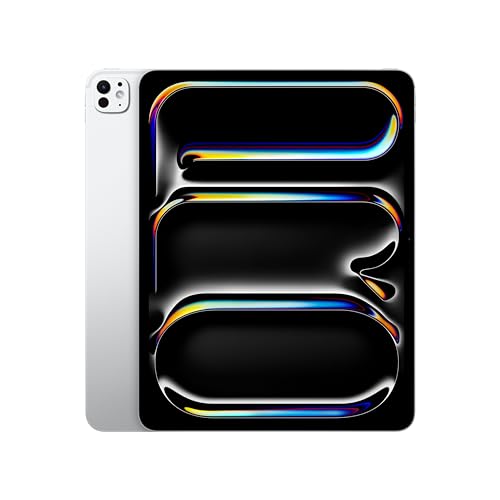
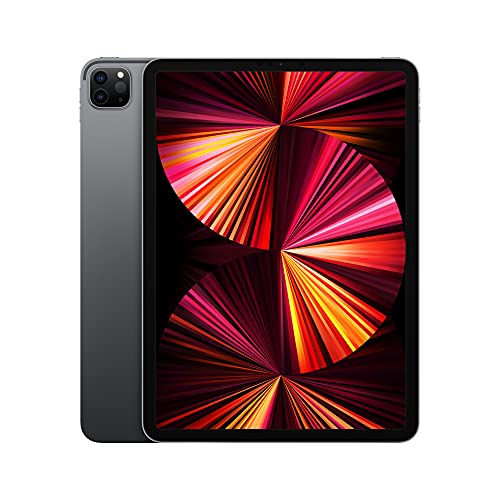
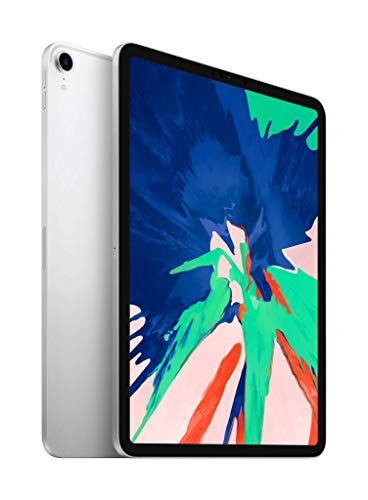
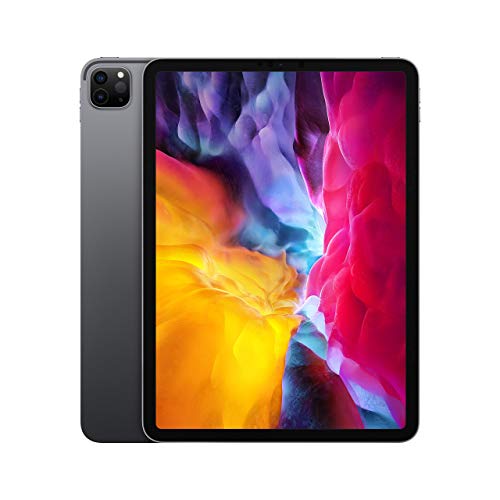
- Apple iPad Pro 13 2024 (16GB + 1TB) (Overall score: 9.02 points)
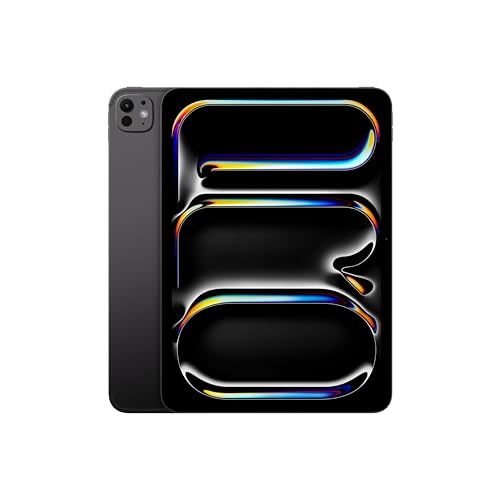
- Apple iPad Pro 11 2024 (16GB + 2TB) (Overall score: 8.96 points)
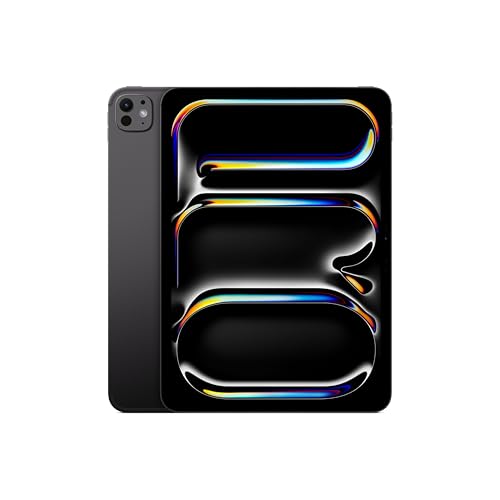
- Apple iPad Pro 11 2025 Wi Fi Cellular (12GB + 512GB) (Overall score: 8.87 points)
Tablet brands are ranked by overall score in the following chart.
[horizontal-chart-17307447123912072405130790404762119862712244951798]
What are the main advantages of Apple tablets?
The main advantages of Apple tablets are the following:
- Performance: Apple tablets use Apple silicon chips (M1, M2, or A-series) which deliver fast processing speeds. The M2 iPad Pro, for example, has an 8-core CPU and up to a 10-core GPU that run demanding apps such as video editing and 3D design smoothly.
- Display: iPads have sharp screens with high brightness levels. The 12.9-inch iPad Pro uses a Liquid Retina XDR display with 1600 nits peak brightness and a 120 Hz refresh rate which improves fluidity in gaming and scrolling.
- Software ecosystem: iPadOS receives regular updates for many years (often 6–7 years), and it integrates tightly with iPhones and Macs. Features like Universal Control and AirDrop work instantly across devices.
- App selection: The App Store has more than 1 million iPad-optimized apps which include professional tools like Procreate, Affinity Designer, and LumaFusion that are not available on Android tablets.
- Battery life: Apple tablets generally last up to 10 hours of mixed use. Even under heavy workloads like video playback or browsing with Wi-Fi, the battery remains consistent across generations.
- Build quality: All iPads have aluminum unibody construction and thin bezels. The iPad Pro is only 6.4 mm thick while still weighing less than 700 g, which increases portability.
- Accessories: Apple Pencil 2 has low latency of 9 ms and high pressure sensitivity for precise drawing, and Magic Keyboard adds laptop-like typing with a trackpad that supports gestures.
What are the main disadvantages of Apple tablets?
Apple tablets have the following main disadvantages:
- Price: Apple tablets are expensive compared to rivals. The iPad Pro 12.9-inch starts at around £1,100 without accessories, and Apple Pencil 2 costs about £120 separately.
- Storage: Base models often start with 64 GB or 128 GB which is low for users who store videos, photos, and apps. Storage upgrades are expensive compared to microSD expansion that many Android tablets support.
- Ports: iPads lack HDMI and headphone jacks. Even with USB-C models, external device compatibility is limited compared to Windows tablets.
- Repair cost: Repairs and replacements are costly. A broken iPad Pro display can cost over £430 to replace outside warranty.
- Customization: iPadOS limits system-level changes. Users cannot set default apps freely and file management remains more restricted than on Android or Windows tablets.
Who makes Apple tablets?
Apple tablets are made by Apple Inc., an American technology company founded in 1976 by Steve Jobs, Steve Wozniak, and Ronald Wayne.
The company is based in Cupertino, California, and is one of the largest technology firms in the world with over 160,000 employees as of 2024. Apple designs its tablets, known as iPads, in-house but contracts the production to manufacturing partners such as Foxconn and Pegatron in China.
The first iPad was launched in 2010 and expanded Apple’s product line beyond computers and smartphones. Since then, Apple has released multiple generations including the iPad, iPad mini, iPad Air, and iPad Pro.
How popular are Apple tablets worldwide?
Apple tablets are the most popular worldwide, with IDC data showing about 60 million shipments in 2024 and a global market share of around 37 %, which kept Apple in first place. The iPad Pro and iPad Air led the premium segment, while the standard iPad and iPad Mini continued to drive volume in mid-range and entry-level categories.
Apple performed strongest in North America, where its share exceeded 50 %, and in Europe it reached about 40 %, while in Asia it stayed closer to 25 %
What are the main Apple tablet series?
The main Apple tablet series are the following:
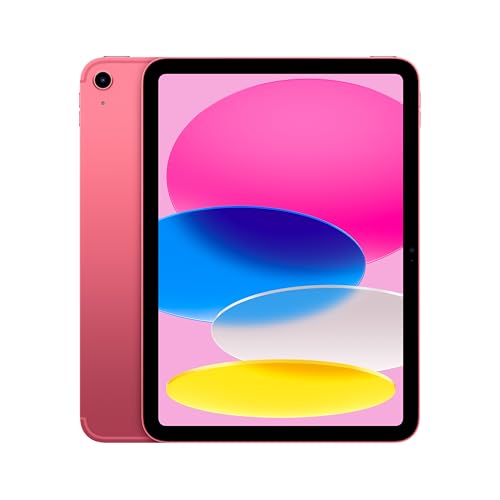
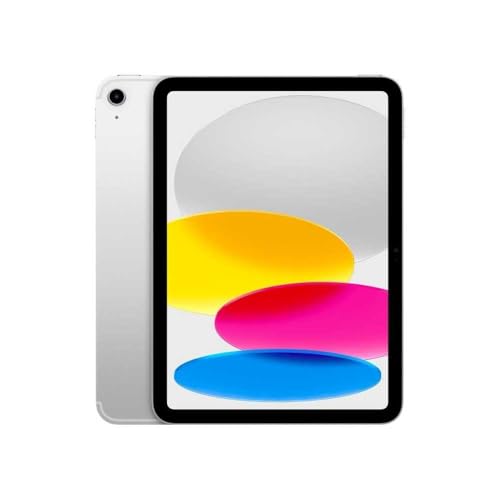
- iPad: The standard iPad is the entry-level model. It has a simple design, a 10.2 or 10.9-inch display, and a lower price compared to other Apple tablets. It is suitable for browsing, streaming, and light productivity.
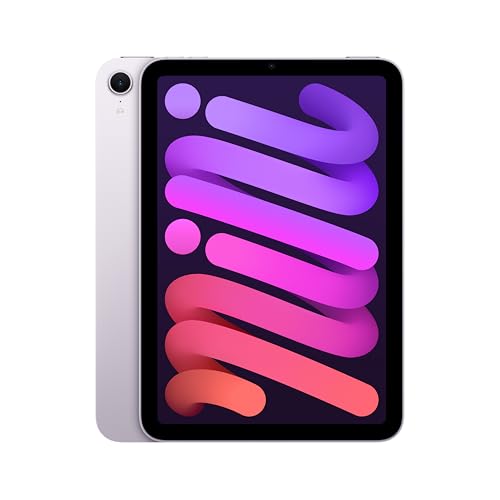
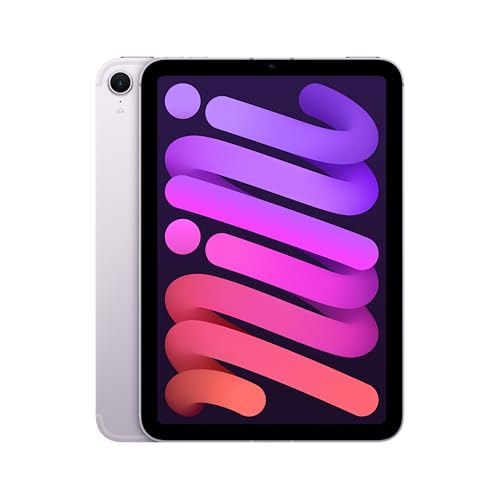
- iPad mini: The iPad mini is the smallest model. It has an 8.3-inch display, compact size, and strong performance with Apple’s advanced chips. It is ideal for portability, reading, and gaming.
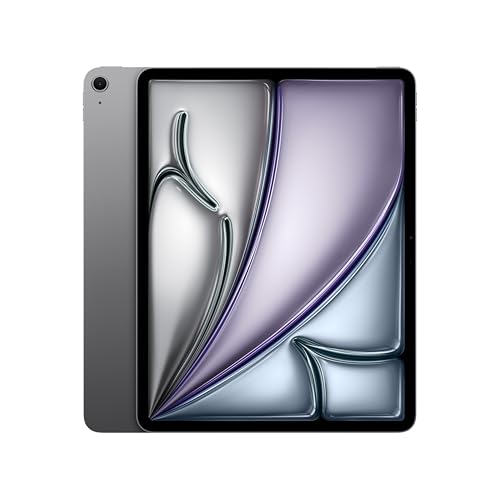
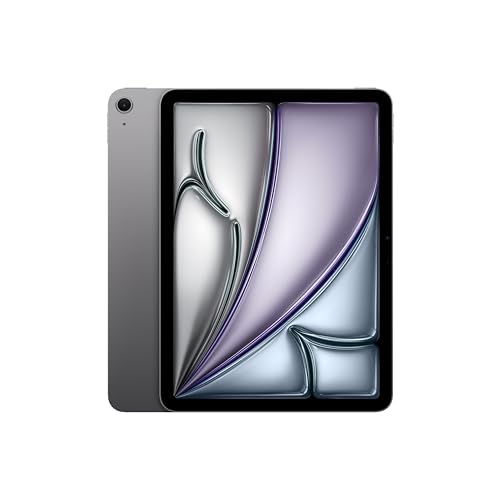
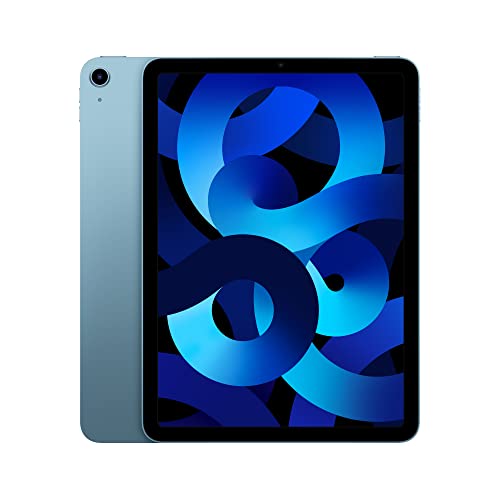
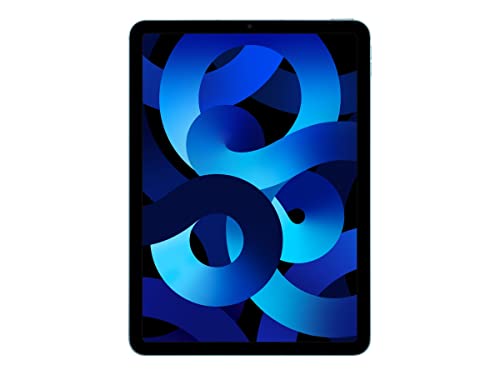
- iPad Air: The iPad Air sits between the standard iPad and the iPad Pro. It has a 10.9-inch Liquid Retina display, a slim design, and advanced performance with M1 or M2 chips. It balances power and price.
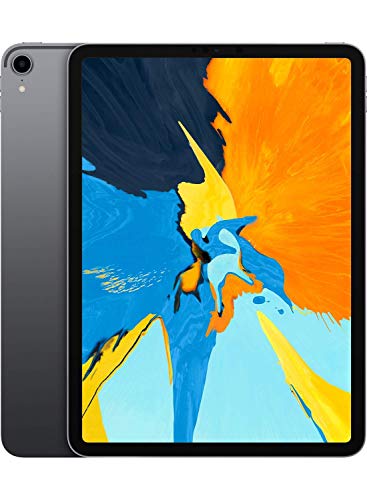
- iPad Pro: The iPad Pro is the top model. It comes in 11-inch and 12.9-inch versions with advanced Liquid Retina and Liquid Retina XDR displays, Apple Pencil 2 support, and M2 or newer chips. It has high storage options, 5G connectivity, and features aimed at professionals.
How much do Apple tablets cost?
Apple tablets cost from about £340 for the entry-level iPad up to more than £1,700 for the most advanced iPad Pro.
The standard iPad is the cheapest option and usually starts near £340, while the iPad mini is priced slightly higher at around £430 because of its compact format. The iPad Air sits in the mid-range with prices from about £600, which makes it popular with users who want better performance but at a lower price than the Pro series.
The iPad Pro is the most expensive Apple tablet and can cost from about £1,100 to over £1,700 depending on screen size (11 or 13 inches), memory capacity, and connectivity (Wi-Fi or 5G). Apple positions the Pro series for professionals who need advanced features such as high refresh rate displays, M-series processors, and large storage options up to 2 TB.
The chart below illustrates how prices are distributed across Apple tablets.
[vertical-chart-13074696807718235162067474014133335042513956160036]
How do Apple tablets compare to Samsung iPads?
Apple tablets usually lead on app optimization, processor efficiency, accessory polish, and long software support, while Samsung tablets usually offer a wider model ladder, more screen-size choice, and more variation across budget, mid-range, rugged, and premium tiers. In practice, iPads are often the safer choice if you want the strongest tablet-specific app ecosystem and very consistent long-term performance, while Samsung is stronger if you want more choice in price, size, AMOLED displays, DeX-style desktop mode, or models with Android flexibility.
At the high end, both brands cover pen support, keyboard accessories, 11-13 inch productivity models, and optional cellular versions. The better match usually depends on whether you prefer iPadOS and Apple's tighter ecosystem or Android and Samsung's broader hardware range, not just on raw tablet performance alone.
What to consider while choosing the best Apple tablet?
Consider the following key factors when choosing the best Apple tablet for your needs:
- Display: Apple tablets feature different display technologies across their lineup. The iPad Pro 13-inch models use advanced Liquid Retina XDR displays with ProMotion technology, which supports up to 120Hz refresh rates for smoother scrolling and enhanced responsiveness. The iPad Air series and standard iPad models utilize standard Liquid Retina displays with IPS technology but lack the advanced features found in Pro models. The mini iPad offers the most compact 8.3-inch display while maintaining Retina quality.
- Processor: Current Apple tablets use different chip architectures that significantly impact performance capabilities. The iPad Pro models feature M4 chips that deliver professional-grade performance for demanding tasks like video editing and 3D rendering. The iPad Air series runs on M3 chips, which provide excellent performance for productivity work and creative applications. The standard iPad uses A16 chips that handle everyday tasks efficiently, while the mini iPad includes A17 Pro chips for enhanced gaming and multimedia performance. The M2 chip shows 22% better AnTuTu scores compared to M1, with 50% higher memory bandwidth at 102.4 GB/s versus 68.25 GB/s.
- RAM and Processing Power: Current iPads range from 3GB RAM in basic models to 16GB in high-end Pro configurations. More RAM allows better multitasking with multiple apps running simultaneously. iPad Air models typically include 8GB RAM, which handles most tasks well, while Pro models with 16GB RAM excel at professional workflows and demanding applications.
- Storage: Apple tablets offer various storage configurations that affect long-term usability and performance. Base models typically start with 128GB or 256GB, with higher-end configurations reaching up to 2TB on Pro models. The 2025 iPad 11-inch doubled its base storage compared to previous generations, providing better value for users who need adequate space for apps and media. Storage capacity directly impacts the device's ability to handle large files, offline content, and multiple applications simultaneously.
- Camera: Different iPad series feature varying camera capabilities that cater to specific use cases. The iPad Pro models include advanced camera systems with LiDAR scanners for augmented reality applications and professional photography features. Standard iPad models offer basic 8MP rear cameras suitable for document scanning and casual photography. The front-facing cameras also vary, with Pro models featuring Center Stage technology for improved video calling experiences.
- Connectivity: Apple tablets support different connectivity options depending on the model and configuration. All current iPad models support Wi-Fi 6 or newer standards for faster internet connections. Cellular-enabled models provide 5G connectivity on newer devices, while older models support 4G LTE networks. The connector type also varies, with newer models using USB-C while some older standard iPads still use Lightning connectors.
- Compatibility: Apple Pencil and keyboard compatibility varies across different iPad series, affecting productivity and creative workflows. The iPad Pro models support the second-generation Apple Pencil and Magic Keyboard with full trackpad functionality. The iPad Air series also supports these accessories, while the standard iPad is compatible with the first-generation Apple Pencil and Smart Keyboard options. The mini iPad supports the second-generation Apple Pencil but has limited keyboard accessory options due to its compact size.