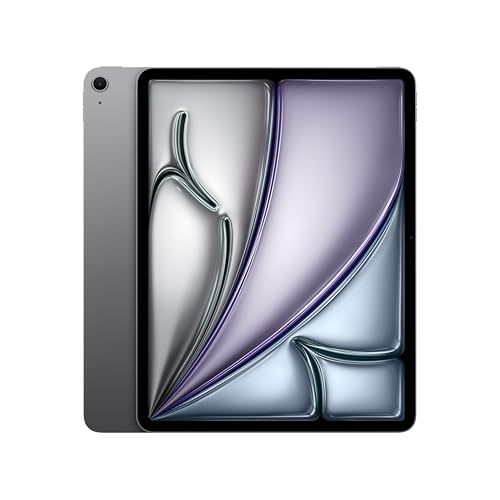
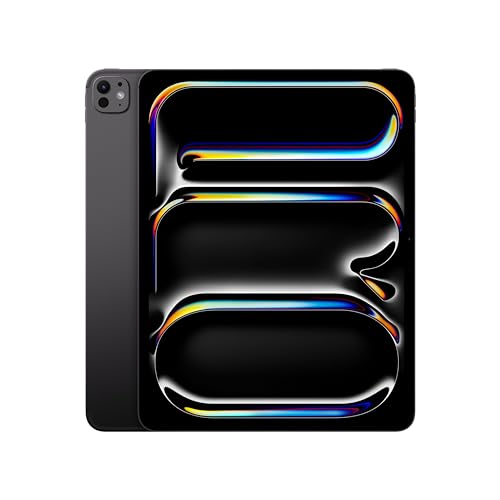
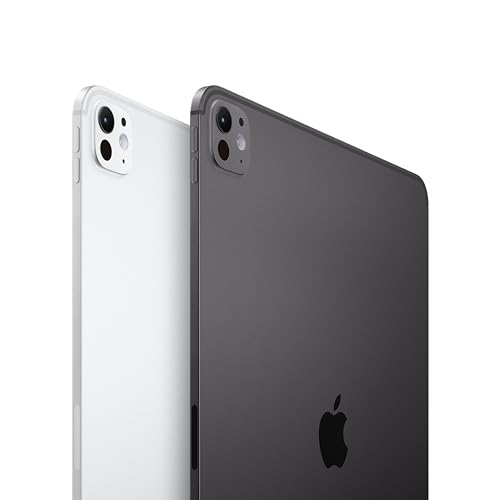
Apple iPad Pro 13 2024 (16GB + 2TB) review. Compare 168 technical specifications and user reviews to see how it ranks among tablets and if it is worth buying.
Overall score
What it is: An overall evaluation of the smartphone's quality, based on technical analyses and user reviews.
When it matters: When you need a quick reference to identify the best Tablets on the market.
Score components:
90.0%
Technical Score
10.0%
User score
Technical Score
What it is: An assessment of the smartphone's technical performance, covering eight key areas: performance & hardware, software, camera, connectivity, display, battery, audio, and design.
When it matters: When you want to compare Tablets based on technical performance and available features.
Score components:
22.0%
Performance
20.0%
Display
16.0%
Camera
14.0%
Battery
12.0%
Connectivity
8.0%
Software & Features
5.0%
Design
3.0%
Audio & Multimedia
User score
What it is: A rating that combines user reviews and the total number of reviews received by the smartphone
When it matters: When you want to know how a smartphone handles daily tasks and how reliable it remains over time according to user feedback.
Score components:
70.0%
User reviews
30.0%
Popularity
Score components:
25.0%
RAM capacity
20.0%
Refresh rate
20.0%
GPU frequency
20.0%
Chipset
15.0%
Battery capacity
Score components:
20.0%
Chipset
20.0%
Battery life
20.0%
RAM capacity
10.0%
Weight
10.0%
Internal storage
10.0%
Keyboard accessory
10.0%
Screen size
Score components:
30.0%
RAM capacity
25.0%
Chipset
20.0%
Internal storage
15.0%
Screen size
5.0%
Keyboard accessory
5.0%
Stylus included
Score components:
20.0%
Screen size
20.0%
Battery life
20.0%
Weight
20.0%
RAM capacity
20.0%
Chipset
Score components:
25.0%
Battery capacity
25.0%
RAM capacity
15.0%
Weight
15.0%
Internal storage
10.0%
Screen size
10.0%
Price
Score components:
20.0%
RAM capacity
20.0%
Battery life
15.0%
Chipset
15.0%
Weight
10.0%
Cellular module
10.0%
5G connectivity
5.0%
GPS
5.0%
Internal storage


Available: ranking among products currently available (including other versions of this product).
All: ranking among all products in the database.
#1 in Best 13-inch Tablets
#1 in Best Gaming Tablets
#1 in Best Apple Tablets
#7 in Best Tablets
#7 in Best 5G Tablets
#7 in Best Tablets For Drawing
What it is: An assessment of the smartphone's technical performance, covering eight key areas: performance & hardware, software, camera, connectivity, display, battery, audio, and design.
When it matters: When you want to compare Tablets based on technical performance and available features.
Score components:
22.0%
Performance
20.0%
Display
16.0%
Camera
14.0%
Battery
12.0%
Connectivity
8.0%
Software & Features
5.0%
Design
3.0%
Audio & Multimedia
What it is: A rating that combines user reviews and the total number of reviews received by the smartphone
When it matters: When you want to know how a smartphone handles daily tasks and how reliable it remains over time according to user feedback.
Score components:
70.0%
User reviews
30.0%
Popularity
What it is: An indicator that combines the smartphone's overall rating with its cost.
When it matters: When you are looking for a smartphone with a good balance between quality and price.
Score components:
60.0%
Overall score
40.0%
Price
Importance: MEDIUM
Importance: HIGH
Good value: >=8 GB
Importance: HIGH
Good value: <7 nm
Importance: HIGH
Good value: >=128 GB
Importance: HIGH
Good value: >1300
Importance: HIGH
Importance: HIGH
Importance: HIGH
Importance: MEDIUM
Good value: >3500
Importance: MEDIUM
Good value: >=8 GB
Importance: MEDIUM
Good value: 5
Importance: MEDIUM
Good value: >20 GB/s
Importance: MEDIUM
Importance: MEDIUM
Good value: >7 W
Importance: MEDIUM
Good value: >2500
Importance: MEDIUM
Good value: >800
Importance: MEDIUM
Good value: >8
Importance: MEDIUM
Good value: >900 MHz
Importance: MEDIUM
Importance: MEDIUM
Good value: >3000
Importance: MEDIUM
Good value: >1200
Importance: MEDIUM
Good value: >3200 MHz
Importance: MEDIUM
Good value: >400
Importance: MEDIUM
Importance: MEDIUM
Good value: 8+
Importance: MEDIUM
Importance: MEDIUM
Good value: >800 MHz
Importance: MEDIUM
Importance: MEDIUM
Importance: MEDIUM
Good value: >10000 million
Importance: LOW
Good value: >=4 MB
Importance: LOW
Good value: >64 KB
Importance: LOW
Good value: >=1 MB
Importance: LOW
Importance: LOW
Good value: 4
Importance: LOW
Good value: >=512 GB
Importance: LOW
Good value: 2.0/3.0
Importance: LOW
Good value: 3.2
Importance: LOW
Good value: 3.3
Importance: HIGH
Importance: HIGH
Good value: >=120 Hz
Importance: HIGH
Importance: HIGH
Good value: >250 ppi
Importance: HIGH
Importance: MEDIUM
Good value: >500 nits
Importance: MEDIUM
Good value: >=11 inches
Importance: MEDIUM
Importance: MEDIUM
Good value: >120 Hz
Importance: MEDIUM
Importance: MEDIUM
Importance: MEDIUM
Importance: MEDIUM
Good value: >200 Hz
Importance: MEDIUM
Good value: >250 ppi
Importance: MEDIUM
Good value: >400 nits
Importance: MEDIUM
Importance: LOW
Importance: LOW
Importance: LOW
Importance: HIGH
Importance: HIGH
Importance: HIGH
Good value: >=8 MP
Importance: HIGH
Importance: HIGH
Importance: MEDIUM
Importance: MEDIUM
Importance: MEDIUM
Importance: MEDIUM
Importance: LOW
Importance: LOW
Importance: LOW
Importance: LOW
Importance: LOW
Importance: LOW
Importance: LOW
Importance: LOW
Importance: LOW
Importance: LOW
Importance: LOW
Importance: LOW
Importance: LOW
Importance: LOW
Importance: LOW
Importance: LOW
Importance: LOW
Importance: LOW
Importance: LOW
Importance: LOW
Importance: LOW
Importance: LOW
Importance: LOW
Importance: HIGH
Good value: >8000 mAh
Importance: HIGH
Good value: >30 W
Importance: HIGH
Good value: >10 hours
Importance: MEDIUM
Importance: MEDIUM
Importance: LOW
Importance: LOW
Importance: HIGH
Importance: HIGH
Importance: HIGH
Importance: MEDIUM
Importance: MEDIUM
Importance: MEDIUM
Importance: MEDIUM
Importance: MEDIUM
Importance: MEDIUM
Importance: MEDIUM
Importance: MEDIUM
Importance: MEDIUM
Importance: MEDIUM
Importance: LOW
Good value: >5.2
Importance: LOW
Importance: LOW
Importance: LOW
Good value: 3.1/3.2
Importance: LOW
Importance: LOW
Importance: LOW
Importance: LOW
Importance: LOW
Importance: LOW
Importance: LOW
Importance: LOW
Importance: LOW
Importance: HIGH
Importance: HIGH
Importance: HIGH
Importance: MEDIUM
Importance: MEDIUM
Importance: MEDIUM
Importance: MEDIUM
Importance: MEDIUM
Importance: MEDIUM
Importance: MEDIUM
Importance: MEDIUM
Importance: LOW
Importance: LOW
Importance: LOW
Importance: LOW
Importance: LOW
Importance: LOW
Importance: LOW
Importance: LOW
Importance: LOW
Importance: LOW
Importance: MEDIUM
Importance: MEDIUM
Good value: <500 g
Importance: MEDIUM
Importance: MEDIUM
Importance: MEDIUM
Good value: <10 ms
Importance: MEDIUM
Good value: >7
Importance: MEDIUM
Importance: MEDIUM
Importance: LOW
Good value: <7 mm
Importance: LOW
Importance: LOW
Importance: LOW
Importance: LOW
Importance: LOW
Importance: MEDIUM
Good value: >=2
Importance: MEDIUM
Importance: MEDIUM
Importance: MEDIUM
Good value: >=4
Importance: LOW
Importance: LOW
Importance: LOW
Importance: LOW
Importance: LOW
Importance: LOW
Importance: HIGH
Importance: HIGH
Good value: >=128 GB
Importance: HIGH
Importance: HIGH
Good value: >=8 GB
Importance: MEDIUM
Importance: HIGH
Good value: >=120 Hz
Importance: HIGH
Importance: MEDIUM
Good value: >500 nits
Importance: MEDIUM
Importance: LOW
Importance: LOW
Importance: LOW
Importance: MEDIUM
Good value: <500 g
Importance: MEDIUM
Good value: >900 MHz
Importance: LOW
(Reviews last updated: May 2026)
(Reviews last updated: May 2026)
(Reviews last updated: May 2026)
(Reviews last updated: May 2026)
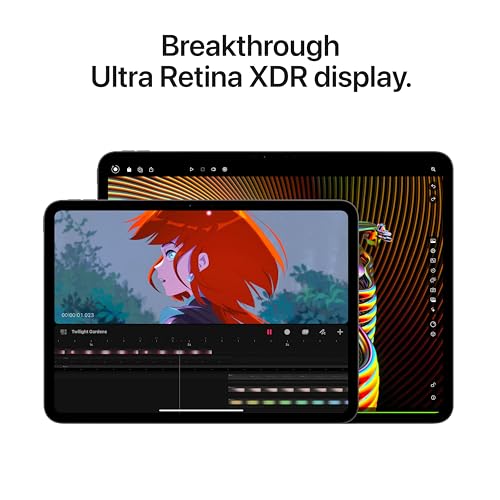
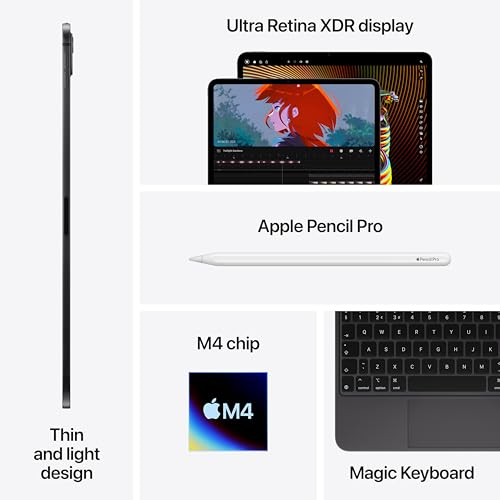
The 2024 Apple iPad Pro M4 features the powerful M4 processor, delivering a 50% CPU performance boost over the M2 model for heavy-duty tasks, though this power is often underutilized by iPadOS. Its ultra-thin 5.1mm design houses an advanced Tandem OLED display, providing 1,000 nits of full-screen brightness and eliminating the blooming issues of previous models. While the tablet boasts improved 18-hour battery life and a relocated landscape camera, cons include high costs, required accessory upgrades (Pencil Pro, Magic Keyboard), and the removal of the ultra-wide rear camera.
The 2024 Apple iPad Pro, lauded by PCMag as a top-tier tablet, features a 5.1mm design and a Tandem OLED display with exceptional contrast and brightness. Powered by the M4 chip, it offers unmatched performance for creative tasks, alongside a repositioned landscape camera, though the display tech may be overkill for average users. Despite earning an Editors' Choice award for professional use, the device faces criticism for its high price, limitations in iPadOS for desktop-style file management, and removed features like mmWave 5G.
The 2024 iPad Pro is a "sumptuously impressive" device, featuring an ultra-thin 5.1mm design that maintains durability and a relocated landscape Face ID camera. It boasts a Tandem OLED display with exceptional brightness and contrast, alongside the M4 chip, which delivers blazing-fast performance that outperforms many high-end laptops. However, the tablet is described as "overkill" for average users, with "eye-watering" prices, the removal of the ultra-wide rear camera, and software that remains limiting compared to macOS. For more details, visit The Independent.
The Apple iPad Pro 13-inch (2024), analyzed in the TechRadar review, stands out with its 5.1mm thin design and the powerful M4 chip, featuring a superior "Tandem OLED" display with high brightness and contrast. Key pros include the moved Face ID camera for improved landscape video calls and exceptional battery life, while a noted con is the removal of the rear ultra-wide camera. Performance is deemed "Mac-class," handling demanding apps like Final Cut Pro with ease. Although battery life exceeds 15 hours, the review highlights that iPadOS remains a constraint, falling short of a full desktop operating system for laptop replacement. The device is positioned as a premium, high-cost option starting at $1,299, often exceeding the price of a MacBook Pro when accessories are added. TechRadar concludes it is ideal for professionals, but overkill for casual users, who should consider the iPad Air (2024) instead.
The Notebookcheck review of the 2024 Apple iPad Pro 13 highlights it as a "tablet of superlatives," characterized by a record-breaking 5.1 mm thickness and a superior Tandem OLED "Ultra Retina XDR" display, which delivers exceptional contrast and 1,600 nits peak HDR brightness. The device features a lightweight, sturdy aluminum chassis, with the M4 chip providing up to 1.5x faster CPU performance than the M2, while also achieving excellent sustained performance and extensive battery life. Significant drawbacks include a high starting price exceeding $1,299, the limitations of iPadOS that restrict the powerful M4 hardware, and the removal of the ultra-wide rear camera alongside lack of accessory backward compatibility.
The 2024 iPad Pro (M4) is described by Tom's Guide as a premium, "beast of a tablet" featuring a stunning tandem OLED display, ultra-thin design, and a landscape-oriented front camera. Powered by the M4 chip, it offers significant performance gains and improved battery life exceeding 13 hours in testing, while effectively managing heat. However, the review highlights high starting costs, expensive accessories, and limited iPadOS multitasking as primary drawbacks, noting it may not fully replace a laptop for all users.
The 2024 Apple iPad Pro M4 features a groundbreaking Tandem OLED display and an ultrathin, 5.1mm chassis, delivering superior brightness and contrast. Driven by the powerful M4 chipset, it offers exceptional performance, complemented by a landscape-oriented front camera and improved, albeit costly, accessories like the Magic Keyboard and Apple Pencil Pro. Despite these, high costs for both the device and necessary peripherals are significant barriers, and the iPadOS software still fails to fully leverage the M4's power, unlike a Mac.
The LaptopMedia review of the Apple iPad Pro 13 (2024) spotlights the device as a premier professional tool featuring the new M4 SoC and a remarkable Tandem OLED display. It is praised for its extremely thin 5.1 mm chassis, superb build quality, and an optional anti-reflective nano-texture glass available on higher-tier models. Performance is defined by the M4 chip, offering outstanding CPU/GPU capabilities that outperform previous generations. Key pros include the OLED panel's infinite contrast, full Display-P3 coverage, and impressive 18-hour video playback battery life. Thermal management remains efficient, maintaining comfortable chassis temperatures under heavy load. Conversely, cons include the high cost, with fully configured models matching premium laptops. The review notes that lower storage models are restricted to 8GB of RAM and a 9-core CPU, while high-tier versions offer superior 16GB/10-core configurations. Additional drawbacks include a single USB-C port and the absence of a bundled power adapter.
The Apple iPad Pro 13-inch (M4) features a Tandem OLED "Ultra Retina XDR" display, offering exceptional contrast, black levels, and cinematic picture quality while being remarkably thin at 5.1mm. Performance is driven by the M4 chip, which powers the display with ease, supported by distortion-free audio and a landscape-oriented front camera. While the device excels as a media consumption tool, potential drawbacks include a high price tag and limitations of iPadOS for professional workflows compared to a laptop. What Hi-Fi?
The 2024 iPad Pro features an incredibly thin design with a superior Tandem OLED display, addressing previous design limitations by moving the camera to the landscape edge. Powered by the M4 chip, it offers unmatched performance, excellent battery life, and enhanced creativity via the new Apple Pencil Pro. However, the device has a high starting price, costly accessories, and is limited by iPadOS, preventing it from fully replacing a laptop for all users.
The 2024 13-inch iPad Pro (M4) is described by Pickr as a "best-in-class" tablet featuring an incredibly thin 5.1mm design and a significant weight reduction. Its Tandem OLED "Ultra Retina XDR" display delivers exceptional brightness up to 1600 nits and perfect contrast, while the M4 chip provides superior performance for intensive creative tasks. Notable improvements include a relocated landscape front camera, though the device comes with a very high price point and requires new, incompatible accessories.
The 2024 Apple iPad Pro 13-inch (M4) is described as a "laptop rival" featuring a 5.1 mm profile and significant performance gains from the M4 chip, suitable for demanding tasks like 4K editing. Key upgrades include a Tandem OLED screen for high brightness, and a landscape-oriented Face ID camera. Despite the hardware superiority, the device is criticized for its high price and iPadOS limitations, along with the removal of the rear ultrawide camera.
Wired describes the 2024 iPad Pro (M4) as a "half-baked" masterpiece, combining exceptional hardware with restrictive software. Key advancements include the ultra-thin, durable chassis and a Tandem OLED display that offers vastly superior brightness and contrast. Furthermore, the M4 chip provides massive performance gains over previous models, making it faster than many laptops, while the improved Pencil Pro and Magic Keyboard enhance functionality. However, the review emphasizes that the device is limited by iPadOS, which still feels like a series of workarounds rather than a true desktop replacement. Additionally, the very high price point, beginning at $999 and increasing with necessary accessories, is labeled as "total overkill" for average users. The redesign also brings drawbacks, such as the removal of the ultra-wide rear camera and complete incompatibility with older accessories.
The 2024 iPad Pro features a "masterpiece" Tandem OLED display and the exceptionally powerful M4 chip, offering top-tier hardware performance, though its high cost for the tablet, Pencil Pro, and Magic Keyboard makes it a luxury item. While hardware improvements like the landscape camera are praised, the iPadOS software limits its potential compared to a Mac, with the keyboard remaining top-heavy. Ultimately, the 13-inch Pro lacks the workflow capabilities of a similarly weighted MacBook Air, making the iPad Air a more logical choice for most users.
The 2024 iPad Pro is described as a pinnacle of hardware engineering, featuring an exceptionally thin 5.1mm design and a vibrant Tandem OLED display that delivers superior brightness and contrast. Powered by the new M4 chip, the device provides unmatched performance for creative tasks, complemented by a relocated landscape front-facing camera. While highlighting the impressive hardware, the review notes significant drawbacks, including a steep starting price of $1,299 that increases rapidly with accessories like the updated Magic Keyboard. Furthermore, the tablet is limited by iPadOS, which serves as a bottleneck for multitasking, and the, removal of the ultra-wide rear camera lens. Ultimately, Engadget concludes this is the "best tablet ever made," but its high cost makes it a luxury item difficult to recommend over the iPad Air for average users. Copy
The Verge calls the 2024 iPad Pro a "stunning" piece of hardware, emphasizing its incredibly thin design—with the 13-inch model at just 5.1mm—and the immense power of the M4 chip, which excels at creative tasks. The tandem OLED screen is praised for its exceptional display quality, and the camera has finally been moved to the landscape edge for better video calls. However, the review notes the device is very expensive and largely restricted by iPadOS, making it "overkill" for most users who cannot fully utilize its raw power. Copy
After six months, the 13-inch iPad Pro M4 is described as a "beast" that operates in a league of its own due to its incredible tandem OLED display, ultra-thin design, and the relocated landscape front camera. The M4 chip offers performance that is often overkill for daily tasks, handling demanding creative work and gaming, while the revised Magic Keyboard and enhanced battery life significantly boost productivity. Despite these advantages, the device suffers from an extremely high price point and ongoing software limitations, as iPadOS still struggles to match the multitasking versatility of macOS.
The iMore review of the 2024 Apple iPad Pro (M4) hails it as a transformative tablet, defining the device by its 5.1mm "impossibly thin" design and a brilliant Tandem OLED display. Featuring the M4 chip, the tablet provides unprecedented processing power for creative tasks, alongside improved accessories like the Apple Pencil Pro and a redesigned Magic Keyboard. However, the review highlights constraints, noting that iPadOS limits the hardware's potential and the high cost, coupled with expensive accessories, challenges its value proposition. Key pros include unmatched portability, a stunning OLED display, and immense power, while cons focus on software limitations, high cost, and the removal of the rear ultrawide camera.
The 13-inch Apple iPad Pro (2024), awarded a 4.5/5 by Mashable, features the powerful M4 chip, delivering benchmark results that rival the M3 Pro MacBook Pro. Its standout feature is an exceptionally long battery life, lasting over 16 hours in testing, paired with a remarkably thin 5.1mm design. The new Tandem OLED "Ultra Retina XDR" display, boasting 1,600 nits peak brightness, provides exceptional contrast and visuals. Significant improvements include the relocation of the front-facing camera to the landscape edge and support for the new Apple Pencil Pro. However, the device has a high starting price of $1,299, with fully equipped models exceeding $2,500 before accessories. Cons include the removal of the 10MP ultra-wide rear camera and fewer microphones compared to the 2022 model, along with a switch to eSIM-only functionality.
The 13-inch Apple iPad Pro (M4) sets a new standard for portable computing with its exceptionally thin 5.1mm chassis and powerful M4 chip, featuring a vibrant Tandem OLED display. Pros include superior performance for creative tasks and a redesigned, laptop-like experience when paired with the new, cost-intensive accessories like the Magic Keyboard. However, constraints include the high total cost, iPadOS limitations compared to macOS, and battery life that is serviceable but lower than an M3 MacBook Air.
The 2024 Apple iPad Pro features a remarkably thin design and a high-performance Tandem OLED display, delivering 1,600 nits of peak brightness for superior visual quality. While the M4 chip offers immense power suitable for intensive tasks, the device is hindered by an extremely high price point, increased accessory costs, and a, limitations in iPadOS that do not fully utilize the hardware. Key improvements include the relocation of the front camera to the landscape edge, although the lack of a physical SIM tray and reduced camera versatility are noted as disadvantages.
The 13-inch iPad Pro (M4) is described as a "technical marvel," featuring a groundbreaking tandem OLED Ultra Retina XDR display and a remarkably thin 5.1 mm chassis, making it significantly lighter than its predecessor. Its M4 chip delivers industry-leading performance suitable for demanding creative tasks, complemented by superior, redesigned accessories like the Magic Keyboard and Apple Pencil Pro. However, the review highlights that the "ludicrously good" hardware is hindered by the limitations of iPadOS and a very high price point, particularly as it requires new, non-backward-compatible accessories.
The 13-inch Apple iPad Pro M4 (2024) earns a "Very Good" rating, highlighting its Tandem OLED display and M4 processor as industry-leading, coupled with an ultra-slim 5.1 mm design. Key pros include exceptional build quality, laptop-rivaling performance, and an improved landscape camera, though high costs and lack of IP certification are notable cons. The device offers a stunning 1,600-nit display and excellent battery life, but is held back by the limitations of iPadOS for professional workflows.
The Apple iPad Pro 13-inch (2024), reviewed by CHIP.de, is lauded as a "tablet of superlatives" featuring a Tandem OLED "Ultra Retina XDR" display and the exceptionally fast M4 chip. Key advantages include its 5.1mm slim design, 1,600 nits peak HDR brightness, and excellent battery life, though the high cost—often exceeding £2,000 for top configurations—is a significant downside. Performance is a major strength, with the M4 chip offering up to 50% faster CPU speeds than the M2, ideal for creative professionals using Final Cut Pro. Despite the power, the device lacks a physical SIM tray and the ultra-wide camera, shifting to eSIM-only cellular models. While hardware is nearly perfect, the review highlights that iPadOS remains a limitation, often failing to fully leverage the M4's potential for multitasking. Furthermore, premium features like optional nano-texture glass are restricted to the most expensive storage tiers, making this device best suited for power users. For more details, visit CHIP.de.
The iPad Pro 13 (2024) features a redesigned, exceptionally thin 5.1 mm chassis weighing roughly 580 grams, paired with a high-contrast Tandem OLED (Ultra Retina XDR) display reaching 1,600 nits brightness. Performance is driven by the M4 chip, which excels in demanding tasks like video editing while maintaining efficient thermals, complemented by a repositioned, landscape-oriented FaceID camera. However, high pricing for the unit and required accessories, coupled with limitations in iPadOS for utilizing the hardware's full potential, are notable drawbacks.
The Apple iPad Pro 13 (2024) is highlighted by Notebookcheck as a top-tier tablet featuring an ultra-thin 5.1 mm chassis and a standout Tandem OLED display with 1,600 nits peak brightness, although it comes at a very high price. Powered by the M4 chip, the tablet delivers exceptional performance (roughly 50% faster CPU than the M2) and sustained efficiency, easily managing demanding applications like Final Cut Pro. While battery life outperforms expectations, the device’s main drawbacks include a high price point exceeding $2000 with accessories, the limitations of iPadOS for complex multitasking, and the removal of the ultra-wide rear camera.
The 2024 Apple iPad Pro is described as an engineering marvel, featuring an incredibly thin design, a superior Tandem OLED display with 1,600 nits peak brightness, and the powerful M4 chip. Key hardware improvements include a relocated landscape front-facing camera, enhanced Apple Pencil Pro capabilities, and a significantly faster processor capable of demanding creative workflows. Despite the hardware advancements, the review notes that iPadOS continues to limit the device's potential as a professional workstation, offering a less efficient experience for multitasking and file management compared to a MacBook. Additional drawbacks include a high price tag—further increased by necessary accessories—and the removal of the ultra-wide rear camera. Concluding that the device is overkill for average users but a "total tablet" for creatives, the review positions it as a premium, high-performance option. For daily use, alternatives like the iPad Air are recommended, as the Pro's "eye-watering" cost is best justified for specialized, high-demand tasks.
The 2024 Apple iPad Pro M4 is described as a technological masterpiece featuring an "impossibly thin" 5.1mm design and a Tandem OLED Ultra Retina XDR display, which offers 1,600 nits peak HDR brightness and eliminates "blooming". Driven by the powerful M4 chip, the tablet boasts superior performance for creative tasks, though it is often limited by iPadOS, and features a new landscape front camera, Magic Keyboard, and Apple Pencil Pro. While praised as the best tablet available, the exorbitant price tag, which can exceed £2,000, makes it an overkill "luxury" device for many users compared to alternatives like the MacBook Air or iPad Air M2.
The 13-inch M4 iPad Pro is lauded for its engineering, featuring a record-breaking 5.1 mm thinness and a "Tandem OLED" display that eliminates blooming and delivers exceptional brightness. It excels with the M4 chip's immense power and a more practical landscape-oriented camera, yet, according to the review, the hardware is held back by iPadOS, which offers "insufficient" file management and windowing capabilities that fail to maximize the device's professional potential. Concluding that it is the best tablet Apple has ever made, the review finds that for its high price, the device is ultimately a luxury for creative professionals, as the software remains too limited to fully replace a MacBook for most serious workflows.
The iPad Pro 13 (2024) is a technical powerhouse featuring an incredibly thin 5.1mm design, the M4 chip, and a superior Tandem OLED display with exceptional brightness and contrast. Pro-level features include long battery life, often exceeding 14 hours, along with enhanced thermal performance. However, the device comes at an extremely high price point and the removal of the ultra-wide rear camera is noted as a downgrade. Additionally, limitations within iPadOS often prevent the M4 chip from reaching its full potential as a laptop replacement. While ideal for creative professionals, the review suggests the more affordable iPad Air is likely better suited for average users.
The August 2024 MacFormat review highlights the 13-inch Apple iPad Pro (2024) for its record-breaking 5.1mm thickness, robust premium build, and the exceptional Ultra Retina XDR Tandem OLED display, which offers 1,600 nits peak brightness. Performance is driven by the M4 chip, providing speed roughly 50% faster than the M2, while the relocated landscape camera and redesigned Magic Keyboard enhance usability for creative professionals. However, the device is held back by a high starting price (£1,299), limited iPadOS functionality, and the restriction of certain features like the nano-texture glass to higher-priced models, while also removing the ultra-wide rear camera.
The Apple iPad Pro 13 (2024) is highlighted by LaptopMedia as a premium device, featuring an exceptionally thin 5.1mm design and a superior "Ultra Retina XDR" tandem OLED display with 100% P3 coverage and 1,630 nits peak brightness. Powered by the M4 chip, the tablet delivers top-tier CPU/GPU performance with excellent thermal stability (less than 10% performance loss) and impressive 18-hour video playback battery life. However, the review notes high costs for the device and accessories, along with restricted 16GB RAM and full 10-core CPU performance to higher-storage models.
The 2024 iPad Pro M4, featuring the new Ultra Retina XDR Tandem OLED display and an incredibly thin 5.1mm design, is lauded as a "technological showcase" that offers exceptional visual quality and portability. Powered by the M4 chip, it delivers laptop-level performance for creative tasks and achieves impressive battery life despite its thinness. While featuring a improved landscape camera, the device's potential is somewhat restricted by the limitations of iPadOS compared to macOS for intensive workflows. Despite the high total cost and lack of accessory backward compatibility, it is deemed an excellent, albeit high-end, tool for creative professionals.
The 2024 iPad Pro M4 features a record-breakingly thin 5.1mm design (13-inch) with a rigid aluminum build, housing a "Tandem OLED" Ultra Retina XDR display that eliminates blooming and delivers high brightness and contrast. The device introduces the powerful M4 chip, offering roughly 50% faster multi-core performance than the M2 for demanding tasks, alongside a repositioned landscape camera, new Apple Pencil Pro, and improved Magic Keyboard. The Tandem OLED screen is highlighted as a major pro for its superior image quality and black levels. Additionally, the sheer power of the M4 chip, the improved design ergonomics of the Magic Keyboard, and the enhanced capabilities of the Apple Pencil Pro are noted as significant advantages over previous models. Conversely, the review points to the high price as a major drawback, making it a "luxurious overkill" for most users, especially when fully accessorized. Significant cons include the restrictive nature of iPadOS, which fails to fully utilize the M4's power compared to macOS, along with the removal of the ultrawide camera and incompatibility with older accessories.
The iPad Pro M4 boasts superior hardware, featuring a remarkably thin design and a vibrant Ultra Retina XDR OLED display. It boasts the powerful M4 chip, improved, a landscape-oriented camera, and compatibility with the new Apple Pencil Pro. However, limited iPadOS capabilities and high pricing make it overkill for most, with many finding the M2 iPad Air or MacBook Air more practical. Copy
The Tom's Guide review hails the 13-inch iPad Pro M4 as a superpowered, ultra-thin (5.1mm) tablet featuring a standout "Tandem OLED" display with exceptional contrast. Performance is driven by the M4 chip, offering immense power for creative tasks and surprisingly "epic" battery life, while the main drawbacks include a high starting price of 1,569 euros, costly accessories, and limited iPadOS software. Copy
The Apple iPad Pro 13 (2024) is defined by its tandem Ultra Retina XDR OLED display, which delivers exceptional contrast, 100% P3 color coverage, and a peak brightness of 1630 nits, alongside an optional nano-texture glass for superior anti-reflective, outdoor usability. Powered by the M4 SoC, the 5.1 mm thin device offers robust, stable performance, "tremendous" battery life, and high-quality audio in a sturdy, ultra-slim aluminum chassis. However, the device suffers from a very high price point, which exceeds $2500 for fully equipped models when including essential accessories like the Magic Keyboard and Pencil Pro. Furthermore, lower-storage models (256GB/512GB) are restricted to a 9-core CPU and 8GB of RAM, and the Space Black finish acts as a significant fingerprint magnet.
The Apple iPad Pro 13 (2024) is defined by its Ultra Retina XDR Tandem OLED display and the powerful M4 chip, offering immense brightness and 100% Display-P3 color coverage. Pro-grade performance is maintained through extensive 3DMark stress tests, resulting in less than 10% performance loss, while battery life lasts for roughly 18 hours of video playback. Despite its high performance, drawbacks include a premium price, a fingerprint-prone finish, and performance-restricted storage tiers.
The Apple iPad Pro 13 (2024) is defined by its ultra-thin 5.1mm chassis, robust build quality, and a 120Hz Ultra Retina XDR OLED display that hits 1,630 nits, according to LaptopMedia. Performance is driven by the M4 chip, providing exceptional speed, excellent thermal stability, and, in tests, a battery life lasting nearly 18 hours. Key advantages include its portability, display, and high-speed Thunderbolt 4 connectivity. LaptopMediaDrawbacks identified in the review include an extremely high price point that, with accessories, can exceed $2,500, alongside a significant performance gap where 256GB/512GB models use a weaker 9-core CPU and less RAM than higher-tier versions. Furthermore, the tablet is a fingerprint magnet, lacks the rear ultra-wide camera from previous models, and is limited by iPadOS's professional multitasking capabilities.
The Saggiamente review highlights the iPad Pro M4 as a hardware masterpiece featuring a spectacular Tandem OLED display and the unmatched power of the M4 chip. Key pros include the incredibly thin design, high-quality audio, and excellent battery life, making it a top-tier creative device. However, the review emphasizes a significant "con," noting that iPadOS fails to fully utilize the high-end hardware, resulting in a workflow that is often less efficient than macOS. The review argues that despite superior performance, multitasking and file management remain cumbersome for professional users. SaggiaMenteUltimately, while praising it as the best tablet for creative work with the Apple Pencil, the high price and software limitations make it difficult to recommend over a MacBook for general productivity. The review concludes the system prevents the M4 chip from reaching its full potential.
Andrea Galeazzi defines the 2024 iPad Pro 13 as a technological pinnacle, driven by its Tandem OLED display and powerful M4 chip. Key advantages include its 5.1mm thickness, superior screen quality, and immense processing power, although its high price is noted as a significant disadvantage. Conversely, the iPad Air 13 (2024) is presented as a practical, large-screen alternative, featuring the capable M2 chip and offering better value despite lacking Pro-level specs like a 120Hz display. Both models improve usability by shifting the front camera to the landscape edge, but the Air retains Touch ID while the Pro features Face ID. Ultimately, the review positions the Pro for premium users and the Air as the sensible choice for most, as detailed in the full analysis on Andrea Galeazzi's website.
The 2024 Apple iPad Pro features a remarkably thin 5.1mm design (13-inch) and delivers immense power via the M4 chip, making it a professional-grade device capable of handling high-intensity tasks. A key highlight is the new Tandem OLED display, which provides exceptional brightness and contrast (up to 1,600 nits HDR), paired with a convenient landscape-oriented front camera. However, the device carries an "eye-watering" high price tag and relies on iPadOS, which some reviewers argue lacks the versatility of macOS for advanced workflows. Furthermore, users are forced to invest in new, proprietary accessories such as the Apple Pencil Pro and redesigned Magic Keyboard.
The Apple iPad Pro 13 (2024) is defined by its ultra-thin 5.1 mm design and the powerful M4 chip, providing high-end performance in a lightweight chassis. The device features a tandem OLED "Ultra Retina XDR" display with high peak brightness and an optional nano-texture coating for reduced glare. Long-lasting battery life and the relocated landscape front camera are key functional improvements. However, the tablet is expensive, with top-tier configurations and accessories rivaling laptop prices. Other drawbacks include a rear camera bump that causes instability on flat surfaces and the space black finish being prone to fingerprints. Furthermore, iPadOS continues to be a limitation compared to desktop environments.
According to the review from iCreate Magazine, the 2024 iPad Pro represents an impressive leap in hardware, highlighted by a stunning Tandem OLED display and the powerful M4 chip, yet it remains somewhat limited by its software. Key pros include the incredibly thin, lightweight design, a landscape-oriented camera, and superior display brightness. However, the device is constrained by the limitations of iPadOS for professional workflows and comes with a very high price point. Additionally, the push for thinness resulted in the removal of the ultra-wide rear camera and physical SIM tray, while maximum RAM is restricted to higher-priced storage tiers. For more details, visit iCreate Magazine.
Tweakers highlights that Apple has significantly widened the gap between its mid-range and high-end tablets with the 2024 iPad Pro and iPad Air, introducing a new 13-inch size for the Air. The OLED iPad Pro is praised for its extremely thin design, Tandem OLED display, and M4 chip performance, though it faces cons regarding its high price and limited iPadOS software. Conversely, the iPad Air serves as a more practical, affordable choice with an M2 processor and 13-inch option, but it lacks the Pro's 120Hz refresh rate and Face ID.
The 2024 iPad Pro features a remarkably thin 5.1mm design powered by the M4 chip and a Tandem OLED display, which offers exceptional brightness and contrast. Key advantages include its lightweight build and the repositioned landscape camera for improved video calling. However, trade-offs include the removal of the ultra-wide rear camera and, crucially, a lack of compatibility with older accessories, requiring new, expensive investments in the Pencil Pro and Magic Keyboard. Despite its "creative marvel" status, the device is considered overkill for most users, particularly because iPadOS limitations prevent it from replacing a laptop for many professionals, making the M4 Air a better value.
The Tweakers review defines a top-tier productivity tablet as a true laptop replacement, requiring robust multitasking, desktop-style interfaces, and integrated keyboard support. The Apple iPad Pro 13-inch (2024) is highlighted as the premier choice, offering exceptional M4 chip performance and a tandem OLED display, though it is limited by a high price and restrictive software. Alternatively, the Microsoft Surface Pro 11 stands out for its Windows-based workflow, premium magnesium design, and dual Thunderbolt 4 ports, balancing high performance with a more traditional PC experience. For more details, visit Tweakers.
According to the Bright.nl iPad buying guide, the standard 11-inch iPad is the recommended choice for most users due to its excellent value, featuring a lower entry price, USB-C, and landscape camera, though it lacks a laminated display and top-tier performance. For professionals and students, the iPad Air serves as a capable middle ground, while the expensive iPad Pro offers superior OLED, 120Hz, and raw power for power users. Finally, the iPad mini is identified as a niche, portable option with good performance, but it is hampered by a high price-to-size ratio and older screen technology. Copy
The 13-inch M4 iPad Pro is described by T3 as a "true MacBook replacement," featuring an ultra-thin 5.1mm design and a Tandem OLED display that delivers 1,000 nits of full-screen brightness. Powered by the M4 chip, it offers 50% faster CPU performance than its predecessor for intensive tasks, along with a new landscape front camera and an upgraded Magic Keyboard. While lauded for its performance, the review highlights drawbacks including the high cost, the removal of the ultra-wide rear camera, and the limitations of iPadOS for professional workflows. Copy
The ID.nl review characterizes the 2024 iPad Air as a cost-effective, high-performance alternative to the Pro line, utilizing a 2022 Pro design and introducing a 13-inch model. Powered by the M2 chip, the tablet offers exceptional speed, doubled base storage (128GB), landscape-oriented front camera, and Apple Pencil Pro support. However, the device lacks a high-refresh-rate screen (60Hz only) and utilizes an LCD panel rather than OLED, while maintaining Touch ID instead of Face ID. Copy

Compare