
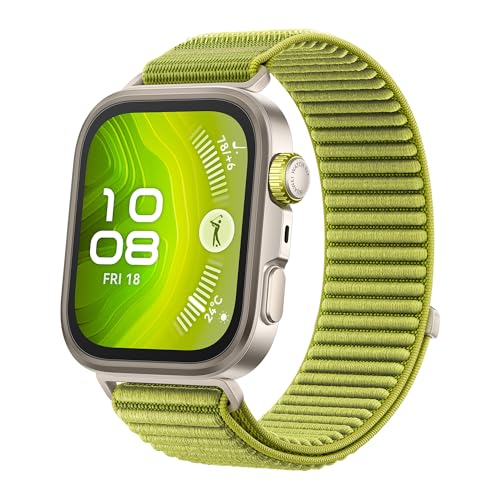
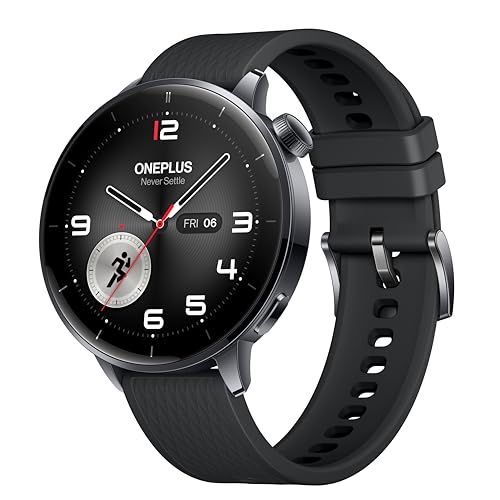
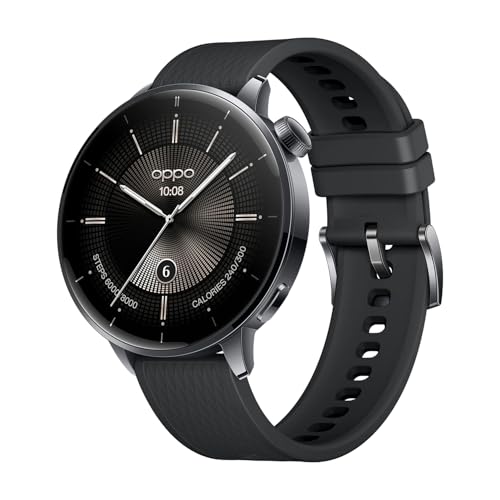
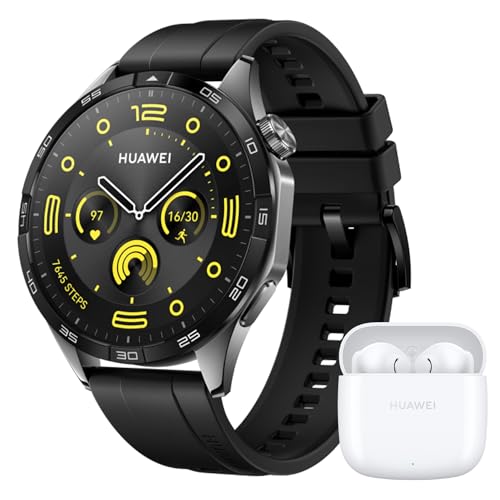
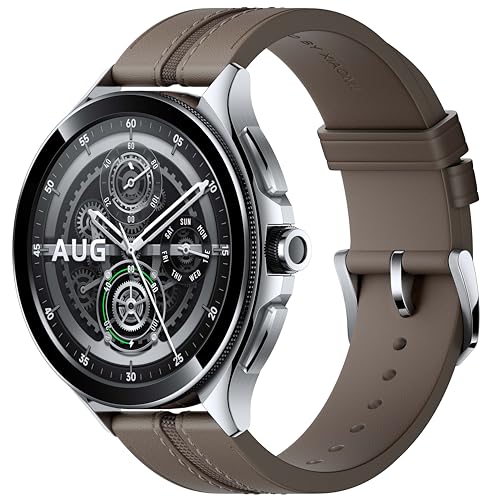
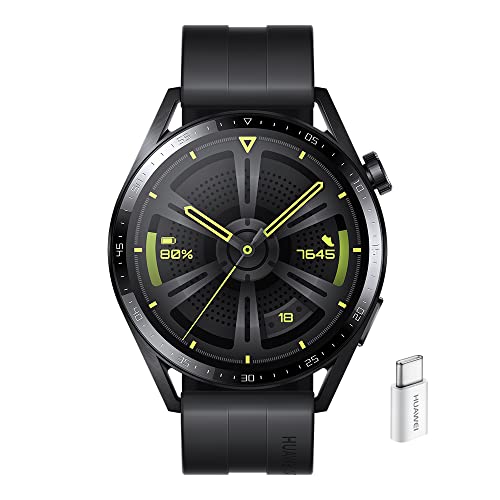
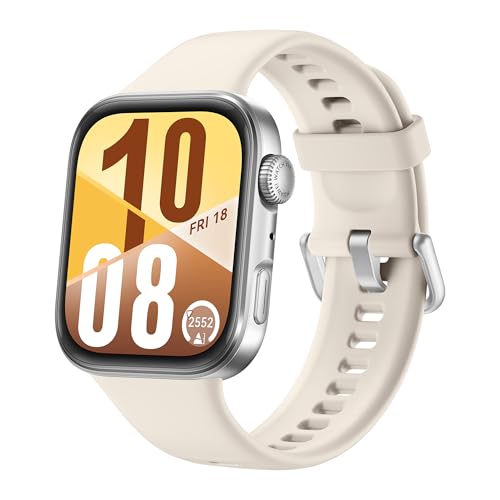
Which brands make smartwatches with the best quality-price ratio?
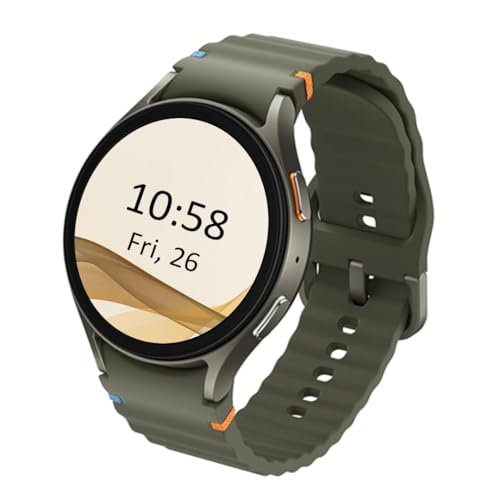
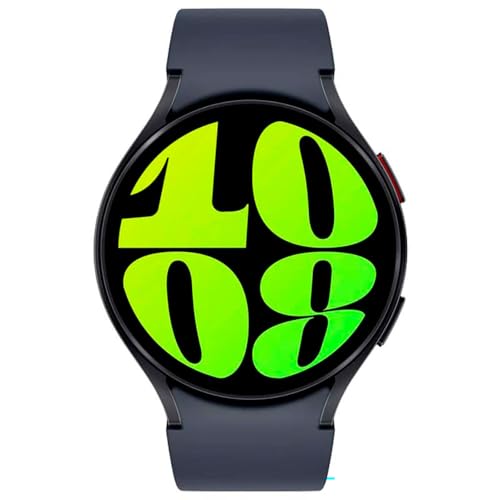
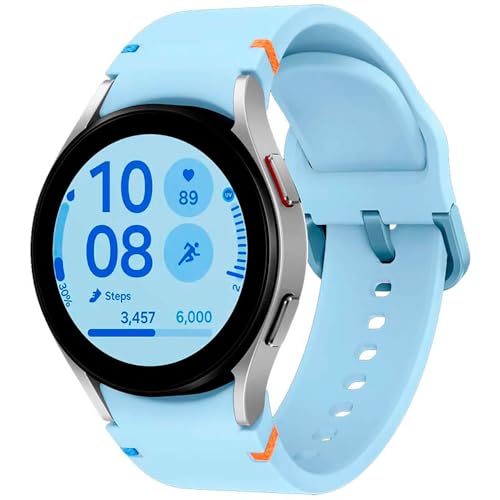
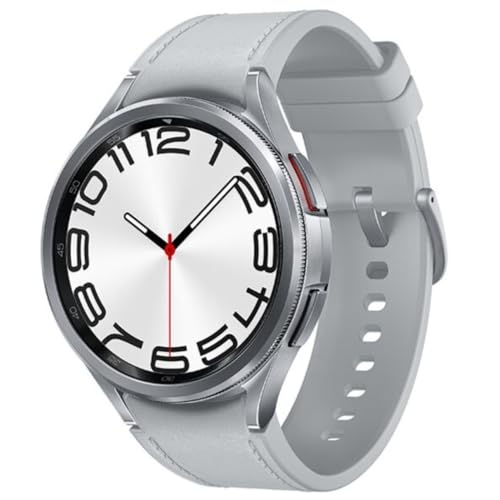
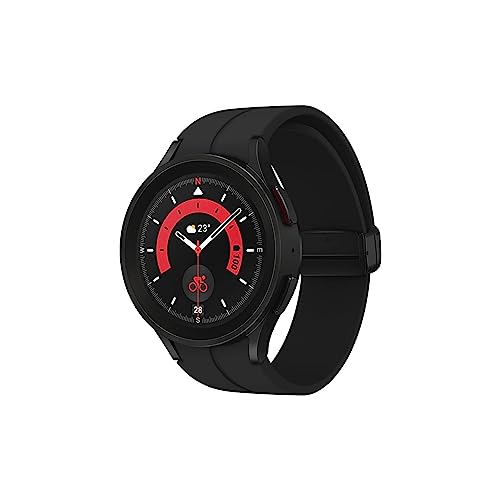
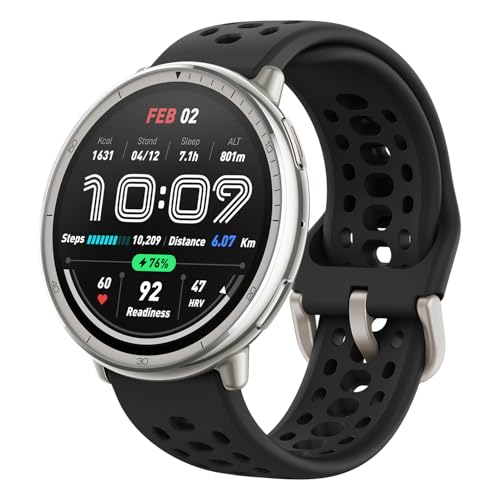
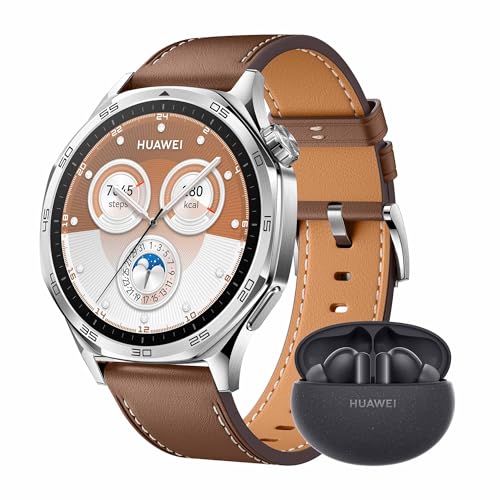
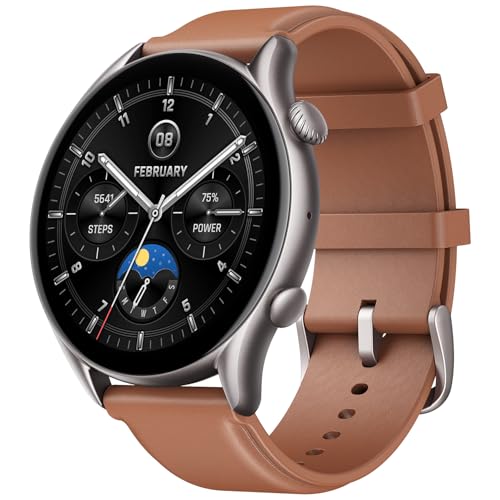
The smartwatch brands with the best quality-price ratio are [shortcode-05700007507915740993158921428652709872703899140888], [shortcode-06251056540910126829160908827473021748002331940763], and [shortcode-14007798859130432682122743437156645500201706697792] when you compare their average ratio quality-price scores across competitive models.
The smartwatch brands with the best quality-price ratio are as follows:
- [shortcode-09378931926929890990047768902396549869040825273855] (Average ratio quality-price: [shortcode-07218752217467574517180374583453609750023662572981])
- [shortcode-03491669081024120489180627730240207188593405623944] (Average ratio quality-price: [shortcode-04344122739491369737100608309030349175960464557326])
- [shortcode-07221528346907644571157690725852435388520223103796] (Average ratio quality-price: [shortcode-08741259882552661175076955609663437476952798068189])
[horizontal-chart-06694994732575588395049626331212479185880373785681]


How much do smartwatches with the best quality-price ratio cost?
Smartwatches with the best quality-price ratio cost between £90 and £220. In this range you can find devices that balance good performance, reliable health tracking, and everyday functions without a premium price tag.
Many models around £130 already include GPS, heart rate monitoring, sleep analysis, and waterproof design, so you get features that cover most daily needs.
If you want more advanced functions such as NFC payments, music storage, or higher-end materials, you often need to pay closer to 200–£220. Above this range, watches tend to focus on premium design, longer battery life, or brand recognition rather than better value.
What battery life do smartwatches with the best quality-price ratio have?
Smartwatches with the best quality-price ratio usually deliver around 3-10 days of battery life in normal mixed use.
Stronger value models tend to hold stable runtime with notifications, health tracking, and periodic workouts active. Heavy brightness settings or frequent GPS sessions can still reduce runtime meaningfully, often by about one third.
Battery value is best when recharge frequency stays manageable without sacrificing essential tracking accuracy.
What display quality do smartwatches with the best quality-price ratio provide?
Smartwatches with the best quality-price ratio provide sharp and bright displays that let you read your notifications and data clearly in any condition.
Most models in this category use AMOLED or high-quality LCD panels, which deliver strong contrast and vivid colors. Resolutions usually range between 360 × 360 and 466 × 466 pixels, so text and icons appear crisp without strain on your eyes.
You can also expect good brightness levels that keep the screen visible under direct sunlight, and many watches include auto-brightness adjustment that adapts to your surroundings. Touch responsiveness is generally smooth, and refresh rates are stable, so navigation feels quick and fluid. Some models even include always-on display modes, which let you glance at the time or metrics without pressing buttons, though this feature can reduce battery life.
What health and fitness features do smartwatches with the best quality-price ratio include?
Smartwatches with the best quality-price ratio include the following health and fitness features:
- Heart rate monitoring: Tracks your heart rate continuously during rest and activity. It helps you see how your heart responds to exercise or stress.
- SpO2 measurement: Measures the oxygen saturation in your blood. It helps detect low oxygen levels during sleep or intense training.
- Sleep tracking: Monitors your sleep stages such as light, deep and REM sleep. It gives you insights into your sleep quality and duration.
- Stress tracking: Detects physical signs of stress based on heart rate variability. Some models show a stress score or daily trend.
- Step and calorie tracking: Counts daily steps and estimates calories burned based on activity level. It helps you follow your daily movement goals.
- VO2 max estimation: Estimates the maximum oxygen your body can use during intense activity. It helps you track your cardiovascular fitness progress.
- Multi-sport modes: Supports specific modes such as running, cycling, walking, yoga, swimming and more. These modes adjust data tracking based on the selected sport.
- GPS or connected GPS: Records distance, route and pace during outdoor activities. Some watches include built-in GPS, others connect to your phone’s GPS.
- Menstrual cycle tracking: Lets you log cycle dates and symptoms. Some watches show predictions or reminders for the next phase.
- Guided breathing sessions: Helps you relax through short breathing exercises. These sessions follow a set rhythm to reduce tension.
- Daily activity reminders: Alerts you when you stay inactive for too long. It motivates you to move throughout the day.
- Hydration tracking: Lets you log daily water intake. Some watches remind you to drink based on time or activity level.
- Body energy level tracking: Combines sleep, activity and stress data into a daily energy score. It helps you decide when to train or rest.
- Recovery time estimation: Shows how long your body needs to recover after training. It helps you plan your next workout more effectively.
What connectivity do smartwatches with the best quality-price ratio support?
Smartwatches with the best quality-price ratio usually support the following types of connectivity:
- Bluetooth: You connect your smartwatch to your smartphone with Bluetooth. This lets you sync notifications, calls, and apps without using mobile data.
- Wi-Fi: Some models include Wi-Fi, so the watch can access updates and apps without the phone nearby. This works well when Bluetooth range is not enough.
- GPS: GPS support tracks your location during outdoor activities. It records distance, route, and speed with precision.
- NFC: NFC enables contactless payments through services like Google Pay or Apple Pay. It turns your watch into a digital wallet.
- LTE/4G: Certain models support LTE/4G with a SIM or eSIM. This allows calls, texts, and data use directly on the watch without a smartphone.