
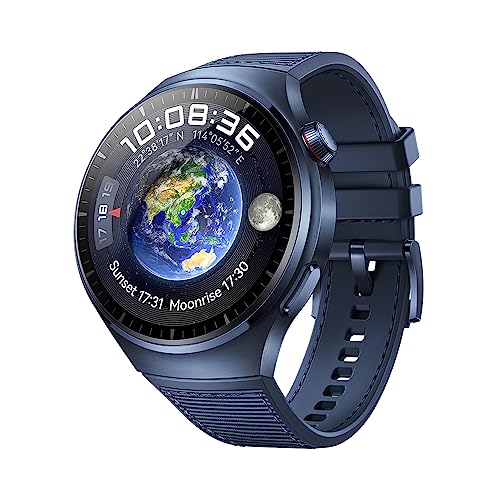
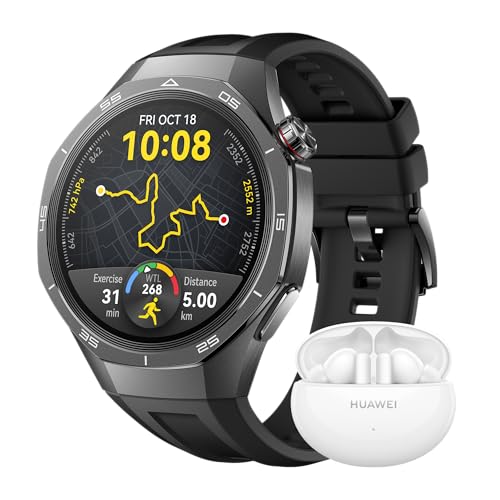
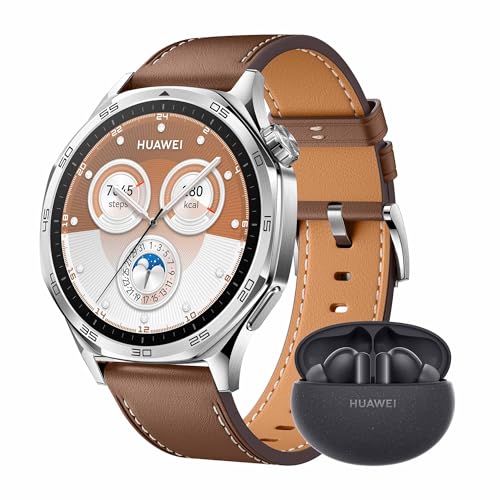
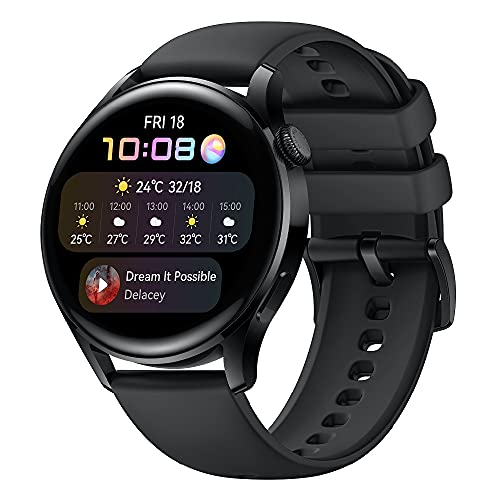
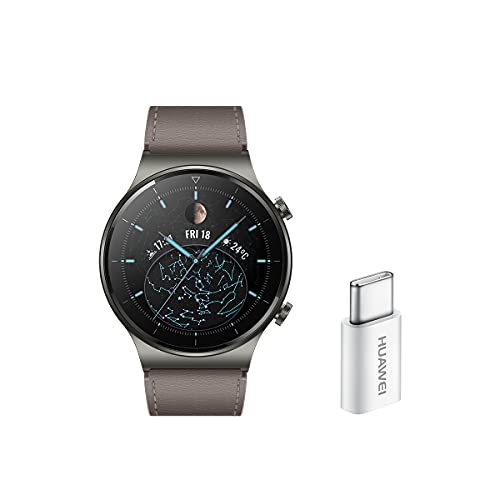
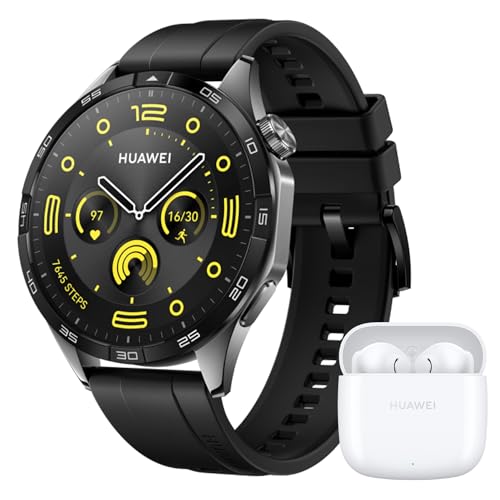
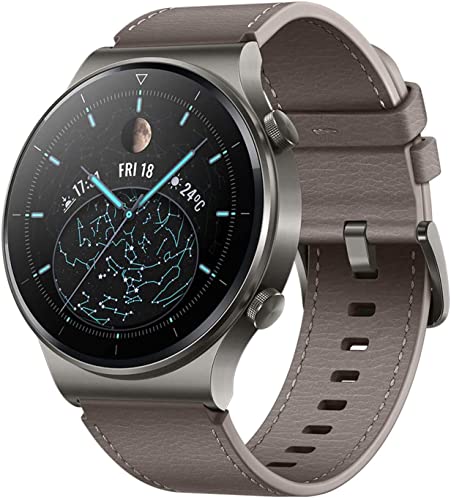
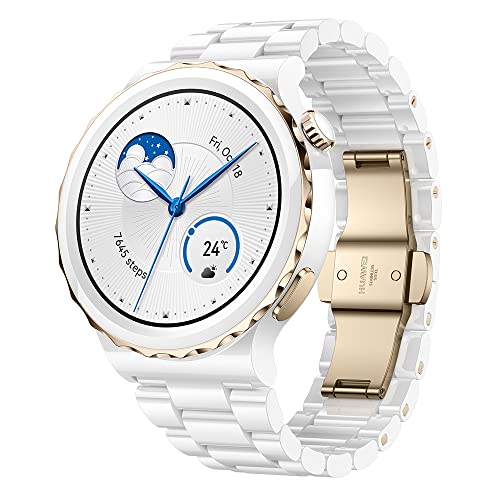
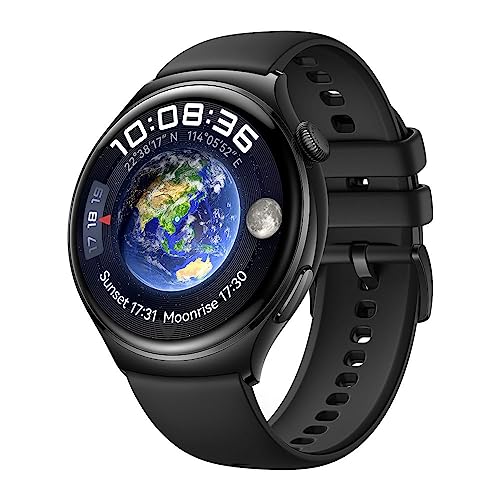
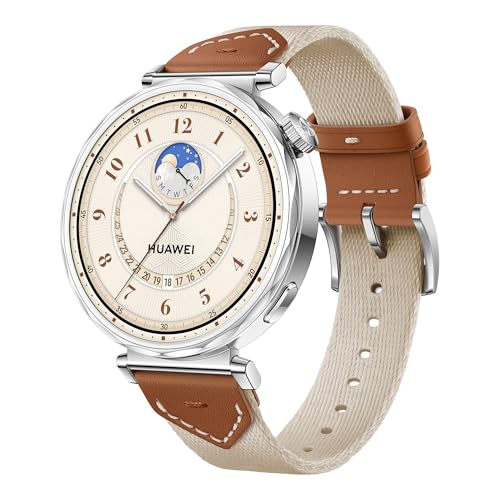
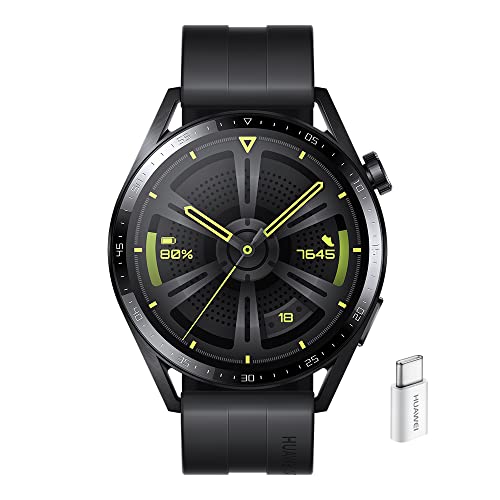
Are Huawei smartwatches good?
Huawei smartwatches have an average overall score of [shortcode-02760566359503900964076012380323071314533884757412], ranking #[shortcode-02294223865231501982061003244130776371530379718532] among all smartwatch brands, and a user rating of [shortcode-05225304725940018979104663402828632632240257778277], placing them at #[shortcode-14025702588433579771054718955570794569241627732264] based on user reviews.
Huawei smartwatches are considered good, especially for users who want strong battery life and solid health tracking features.
Many of their models can run for more than a week on a single charge, which is a clear advantage compared to brands that need daily charging. They include accurate heart rate sensors, sleep tracking, SpO₂ monitoring, and GPS, making them suitable for fitness enthusiasts and casual users alike. The displays are bright and sharp, often using AMOLED technology, and the designs look premium with metal and glass finishes.
On the downside, Huawei smartwatches can face limitations with third-party app support and compatibility outside the Huawei ecosystem. While they pair with both Android and iOS, some functions may not work fully when used with iPhones.
(Note: A total of [shortcode-14661770756085064892067463167598775618980189591735] brands were evaluated in the comparison in the first paragraph. Only those with at least 5 smartwatches in our database were included.)
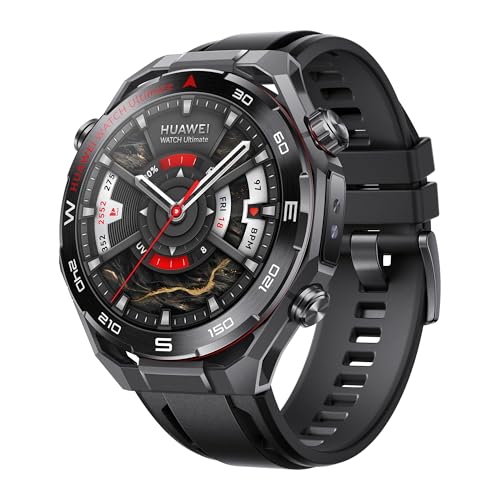
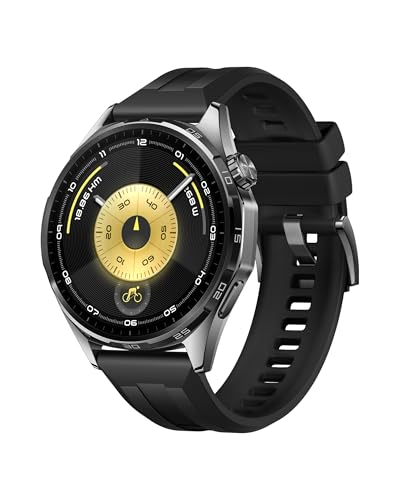
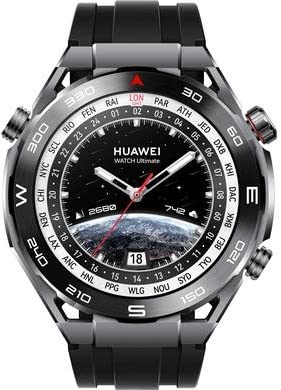
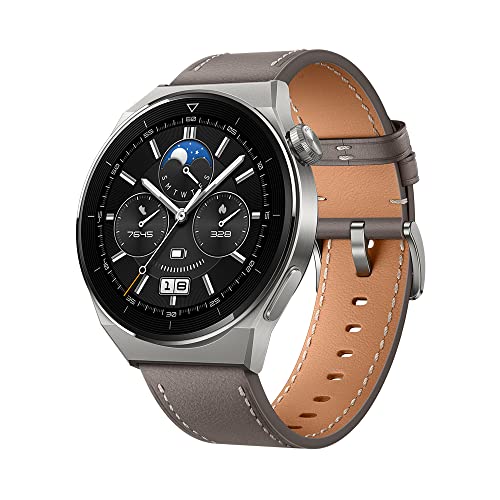
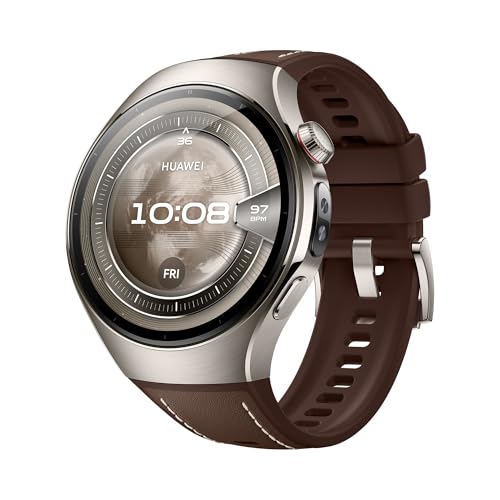
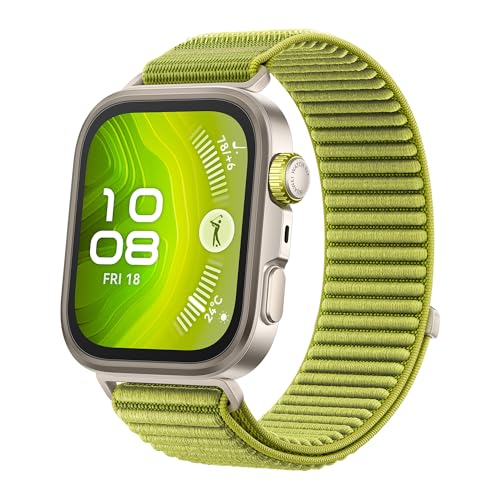
The best Huawei smartwatch models are as follows:
- [shortcode-15694695097557404240160366450868012313900230614169] (Overall score: [shortcode-10974958350459781182120772096384459162293463190162])
- [shortcode-12114316379297839648139509234205050695582075779789] (Overall score: [shortcode-00463845921747742217117449743644501902853388128581])
- [shortcode-10407927460853134664011813438012402224163815762028] (Overall score: [shortcode-14806593415279927934065104597623587079560574263953])
[horizontal-chart-03302773280258034273180208919870815536630019360859]
What are the main advantages of Huawei smartwatches?
The main advantages of Huawei smartwatches are as follows:
- Long battery life: Many Huawei models last up to 14 days on a single charge, while heavy use with GPS and heart-rate tracking still gives 7 days. This is higher than most competitors where average endurance is 1–3 days.
- Advanced health tracking: Huawei watches track more than 100 workout modes, with SpO2, continuous heart rate, stress, and sleep analysis. TruSleep 3.0 monitors deep, light, and REM phases with accuracy close to clinical devices.
- High-quality displays: Models like Huawei Watch GT 4 and Watch 4 Pro use AMOLED panels with resolutions of 466 × 466 pixels. The brightness reaches up to 1000 nits, so the screen remains clear even under direct sunlight.
- Premium design and build: Huawei uses stainless steel, titanium, and sapphire glass in higher-end models. The finish gives durability with water resistance of 5 ATM (up to 50 meters), so they suit both sports and daily wear.
- Strong GPS accuracy: Dual-band GNSS positioning increases accuracy in dense urban areas or forests. Some models track routes with error margins as low as 2–3 meters, which is better than many other smartwatch brands.
- Competitive pricing: Huawei smartwatches often cost 250–£340, which is less than Apple Watch or Samsung Galaxy Watch models with similar features. This creates a strong price-to-performance balance.
What are the main disadvantages of Huawei smartwatches?
The disadvantages of Huawei smartwatches are the following:
- Limited app ecosystem: Huawei uses HarmonyOS, which supports far fewer third-party apps than Wear OS or watchOS. Users cannot install many popular fitness or productivity apps.
- No native support for Google services: Features like Google Maps, Gmail, or Google Pay do not run directly, which reduces usability for Android users outside Huawei’s ecosystem.
- Limited payment support: Huawei Pay works in some regions, but in Europe or the US support is minimal. NFC exists in hardware but lacks wide compatibility for contactless payments.
- Voice assistant restrictions: Celia, Huawei’s assistant, is supported in fewer languages and has less functionality compared to Siri or Google Assistant.
- Compatibility issues with iPhone: Huawei smartwatches connect to iOS but with reduced features (no quick replies to messages or limited integration with Apple Health).

Who makes Huawei smartwatches?
Huawei smartwatches are made by Huawei Technologies Co., Ltd., a Chinese multinational company founded in 1987 by Ren Zhengfei. The company is based in Shenzhen, China, and employs more than 200,000 people worldwide. Huawei designs and manufactures its smartwatches through its Consumer Business Group, which also produces smartphones, laptops, and wearable devices.
Huawei started producing smartwatches in 2015 with the launch of the Huawei Watch. Since then, the company has developed multiple series such as the Huawei Watch GT and Watch Fit, which focus on long battery life and health tracking. Huawei smartwatches run on HarmonyOS (its in-house operating system introduced in 2019) or LiteOS in earlier models, and they integrate with the company’s ecosystem of smartphones and accessories.
How popular are Huawei smartwatches worldwide?
Huawei smartwatches are highly popular worldwide, with IDC data showing about 35 million wearable shipments in 2024 and a global market share near 18 %, which placed Huawei second only to Apple. In China, the brand led the market with over 35 % share, while in Europe it reached around 10 %, driven by models such as the Huawei Watch GT 4 and Huawei Watch Fit 2.
How much do Huawei smartwatches cost?
Huawei smartwatches cost between £70 and £550, depending on the model and its features.
The entry-level Huawei Watch Fit series usually stays in the lower range (around £70 to £130), while the Huawei Watch GT series sits in the mid-range (£130 to £260). The premium Huawei Watch 4 and Watch Ultimate models reach higher prices (£260 to £550), as they include advanced health tracking, eSIM support, and stronger build quality.
Prices also vary based on design, size, and materials. Versions with stainless steel or titanium cases, sapphire glass, or cellular connectivity cost more than the basic editions. Older models such as the Huawei Watch GT 2 can often be found at reduced prices, which makes them more affordable compared to the newer Watch GT 4 or Watch 4 Pro.
What are the main Huawei smartwatches series?
Huawei smartwatches are divided into the following series:
- Watch Series: Flagship premium smartwatches with advanced health monitoring. This series features the Watch 5 with revolutionary X-TAP sensor technology that measures multiple health metrics through fingertip contact, the Watch 4 running HarmonyOS 4, and the original Watch from 2015 which pioneered Huawei's smartwatch journey with Android Wear.
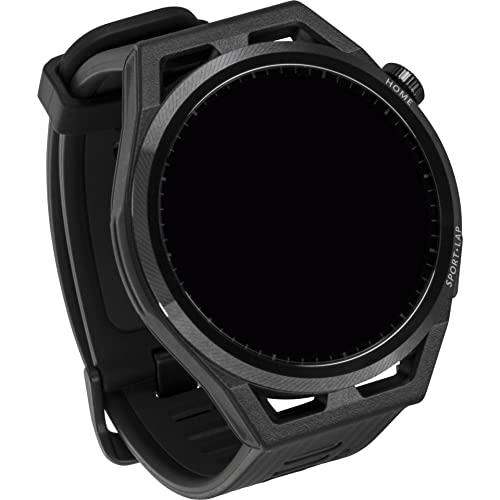
- Watch GT Series: Versatile fitness-focused smartwatches with circular designs and exceptional battery life. The GT 5 and GT 5 Pro deliver up to 14 days battery life with advanced GPS tracking and sports modes, while the GT 4 introduced enhanced health monitoring features and the GT Runner variant specifically targets serious runners with lightweight 38.5g design and specialized running metrics.
- Watch Ultimate Series: Luxury adventure smartwatches designed for extreme outdoor activities. The Watch Ultimate features expedition mode, professional diving capabilities up to 100 meters depth, premium zirconium alloy construction, and specialized outdoor navigation tools with three physical buttons for underwater operation.
- The main Huawei smartwatches series are as follows:
- Watch Fit Series: Affordable square-design smartwatches emphasizing style and fitness tracking. The Fit 4 and Fit 4 Pro offer ultra-slim 9.5mm profiles weighing just 27 grams, while the Fit 3 provides 10-day battery life and comprehensive health monitoring at competitive prices around £120.
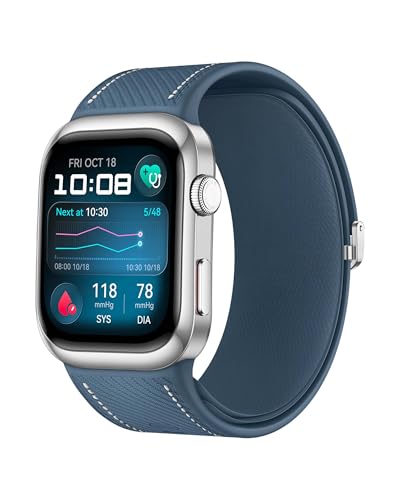
- Watch D Series: Medical-grade health monitoring smartwatches with blood pressure measurement capabilities. The Watch D2 features 24-hour ambulatory blood pressure monitoring with inflatable airbag technology, ECG capabilities, and specialized health algorithms for cardiovascular monitoring and wellness tracking.
- Band Series: Entry-level fitness trackers with essential health monitoring features. The Band 10 represents the latest iteration with AMOLED displays and basic fitness tracking, while previous models like Band 7 and Band 6 offered 14-day battery life and water resistance at budget-friendly price points under £60.
Which smartphones are compatible with Huawei smartwatches?
Huawei smartwatches are compatible with most Android phones and iPhones that support the Huawei Health app and required Bluetooth pairing.
Compatibility is generally stronger on Android for feature depth, while iPhone pairing usually supports core functions such as notifications, health sync, and workout tracking with some limits in advanced integrations.
Before buying, check phone OS version, app availability, and permissions so notifications, health data sync, and GPS workout records operate correctly.