
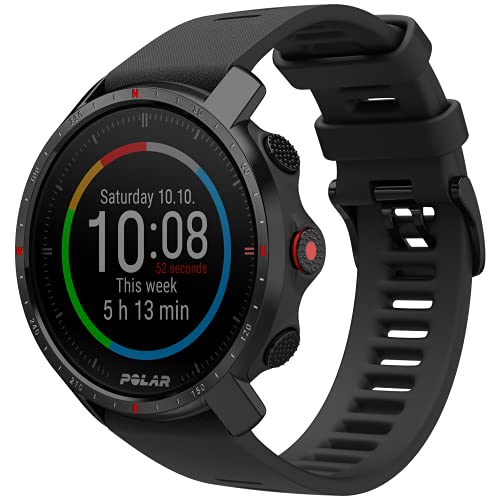
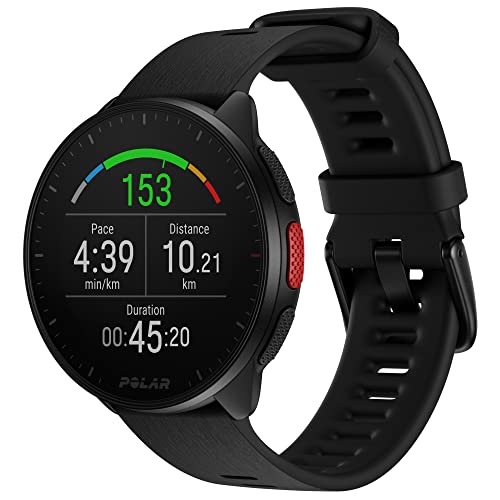
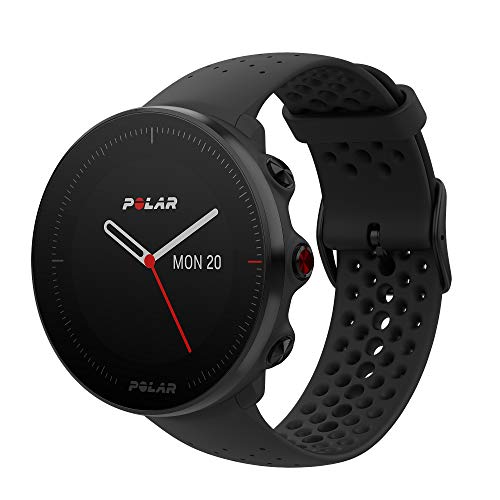
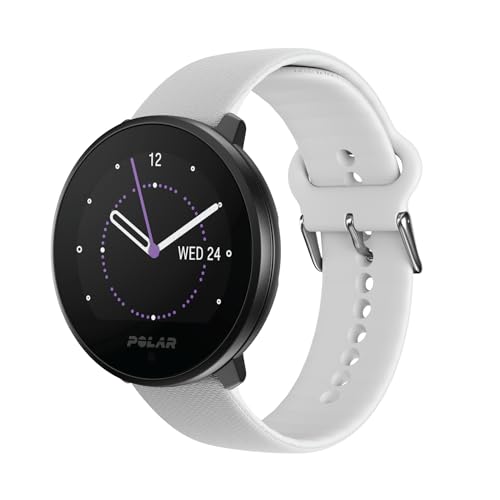
Are Polar smartwatches good?
Polar smartwatches have an average overall score of [shortcode-18047400126545503225042840444714870095412467453411], ranking #[shortcode-16280364858540231646050579113538997693740492708532] among all smartwatch brands, and a user rating of [shortcode-01830785494653763552000138416532279719862687405531], placing them at #[shortcode-13419351657773049854116819245072911326941888323168] based on user reviews.
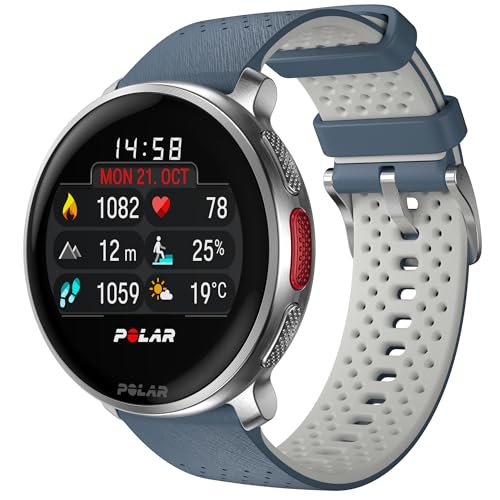
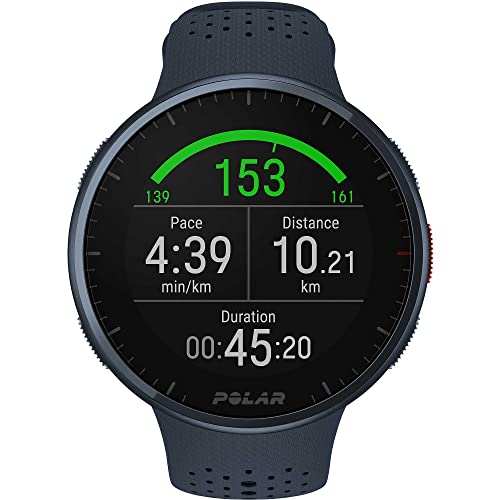
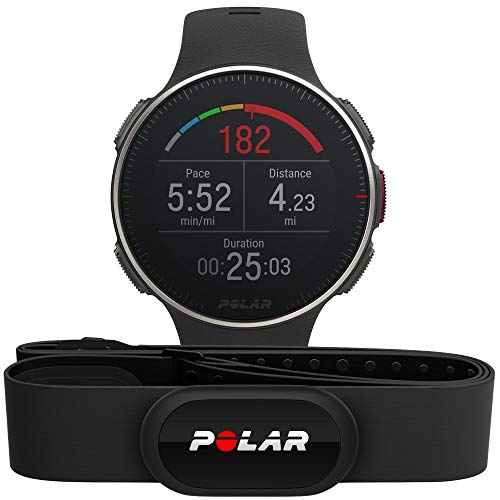
Polar smartwatches are well-regarded for their strong focus on fitness and health tracking.
The brand has a long history in heart rate monitoring, and this expertise shows in the accuracy of its wrist-based sensors. Their watches usually come with detailed training metrics, GPS tracking, and advanced recovery insights that appeal to runners, cyclists, and serious athletes who want reliable performance data. Build quality is generally solid, with durable designs made to withstand outdoor use and demanding workouts.
Compared to lifestyle-oriented smartwatches, Polar models lean more toward sports and training than entertainment or productivity. They typically have fewer apps, less emphasis on smart features like music streaming or contactless payments, and a more utilitarian design. This makes them less versatile than options from Apple or Samsung, but for users who prioritize accurate training analysis and health monitoring, Polar remains a strong and trusted choice.
(Note: A total of [shortcode-14661770756085064892067463167598775618980189591735] brands were evaluated in the comparison in the first paragraph. Only those with at least 5 smartwatches in our database were included.)
The best Polar smartwatch models are as follows:
- [shortcode-12434635881904341714063107334620681387260451021277] (Overall score: [shortcode-08436436442549755763071753776965002464742295191929])
- [shortcode-10684514663571110182152696198741524808091993863603] (Overall score: [shortcode-03925498436317798114179523869024141671060378495697])
- [shortcode-10672955430557553400121257536884365263020207862038] (Overall score: [shortcode-18303444453043279723093434213505752214531672137578])
[horizontal-chart-03302773280258034273180208919870815536630019360859]
What are the main advantages of Polar smartwatches?
The main advantages of Polar smartwatches are the following:
- Advanced sports tracking: Polar smartwatches track over 130 sports modes with precise heart rate monitoring and GPS, which helps athletes analyze training intensity and recovery.
- Accurate heart rate measurement: Polar’s optical sensors achieve high accuracy with multiple LEDs and advanced algorithms, and chest strap compatibility improves precision for interval training.
- Strong battery life: Models such as Polar Grit X Pro reach up to 40 hours of training with GPS and 100 hours in power-save modes, which is above average compared to many rivals.
- Recovery and sleep analysis: Polar’s Nightly Recharge and Sleep Plus Stages measure autonomic nervous system activity, sleep cycles, and recovery quality with detailed insights.
- Outdoor features: Polar watches like Grit X and Vantage series integrate route guidance, turn-by-turn navigation via Komoot, and barometric altitude measurement for trail running and hiking.
- Training Load Pro and Recovery Pro: These features calculate strain on the cardiovascular and muscular systems, track cumulative training impact, and guide optimal rest periods.
What are the main disadvantages of Polar smartwatches?
Polar smartwatches have the following disadvantages:
- Limited smartwatch functions: Polar focuses on sports features but lacks advanced apps, voice assistants, and broad third-party integrations that brands like Apple or Samsung include.
- Average display technology: Most Polar models use memory-in-pixel screens with limited brightness and lower resolution compared to AMOLED displays used in competitors’ devices.
- No LTE or cellular versions: Polar does not produce smartwatches with independent mobile connectivity, so users always need to stay connected via a smartphone.
- Slower interface: The software and navigation are less fluid compared to Wear OS or watchOS devices, which can feel dated.
- Limited ecosystem: Polar Flow is strong for training analysis but weaker in lifestyle features such as payments, music storage, or app customization.

Who makes Polar smartwatches?
Polar smartwatches are made by Polar Electro Oy, a Finnish company founded in 1977 in Kempele, Finland. The company specializes in sports technology and heart rate monitoring devices, and it has its headquarters in Kempele with research and production facilities in Finland and abroad. Polar became known in the 1980s as the pioneer of wireless heart rate monitors, and since then it expanded into GPS sports watches, fitness trackers, and smartwatches.
The company employs several hundred people worldwide and sells its products in over 80 countries. Its research and development focus on sports science and physiology, which helped Polar build a reputation as a trusted brand among athletes, coaches, and fitness professionals.
How popular are Polar smartwatches worldwide?
Polar smartwatches are a niche brand worldwide, with shipments in 2024 estimated at about 1 million units and a global market share below 1 %, so the company did not appear in the top 10 vendors. Polar performed best in Northern and Western Europe, where it has a long history in sports watches and heart rate monitoring, while its presence in North America and Asia stayed limited.
How much do Polar smartwatches cost?
Polar smartwatches cost between £120 and £550 depending on the model and features.
The lower range includes basic models like the Polar Unite, which focus on essential fitness and activity tracking. Mid-range models such as the Polar Ignite 3 or Polar Pacer Pro cost around £200 to £290, and they add features like advanced training metrics, running power measurement, and improved GPS accuracy.
At the higher end, you find premium models like the Polar Vantage V3, which reach around £550. These watches include advanced sensors, detailed recovery tracking, ECG measurement, blood oxygen monitoring, and long battery life for professional athletes.
What are the main Polar smartwatches series?
The main Polar smartwatches series are the following:
- Grit X series: Built for outdoor sports and adventure. It has durable construction, long battery life up to 100 hours in training mode, and features for trail running, hiking, and cycling. The models include Grit X, Grit X Pro, and Grit X Pro Titan.
- Vantage series: Focused on advanced training and multisport use. It supports triathlon tracking, recovery insights, and precision GPS. The lineup includes Vantage V, Vantage V2, and Vantage M2, which differ in materials, performance features, and price.
- Ignite series: Designed for fitness and lifestyle use. It has a slim design, guided workouts, sleep tracking, and daily activity monitoring. Models like Ignite, Ignite 2, and Ignite 3 combine sport functions with casual wear.
- Pacer series: Targeted at runners with lightweight design and running-specific metrics. It supports advanced GPS tracking, race predictions, and training analysis. The Pacer and Pacer Pro are the main models in this series.
- Unite series: Entry-level smartwatches for everyday fitness tracking. They cover basic training features, heart rate monitoring, and sleep insights. The Polar Unite has a simple design and lower price compared to other series.
Which smartphones are compatible with Polar smartwatches?
Polar smartwatches work with most modern smartphones. For iPhones, they need iOS 16 or later. On Android phones, the requirement is Android 8 or newer plus Bluetooth 4.0 support. The watches also work with Huawei phones running Huawei Mobile Services and AppGallery.