Which brands make the best smartwatches?
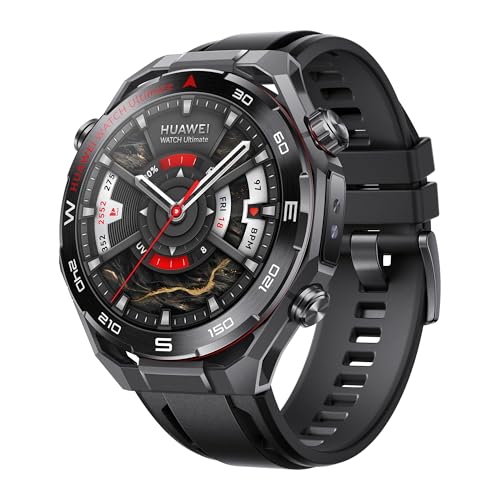
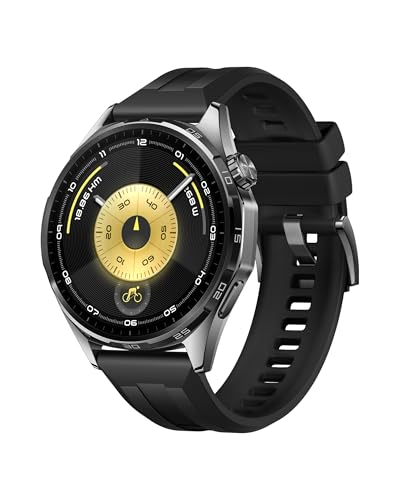
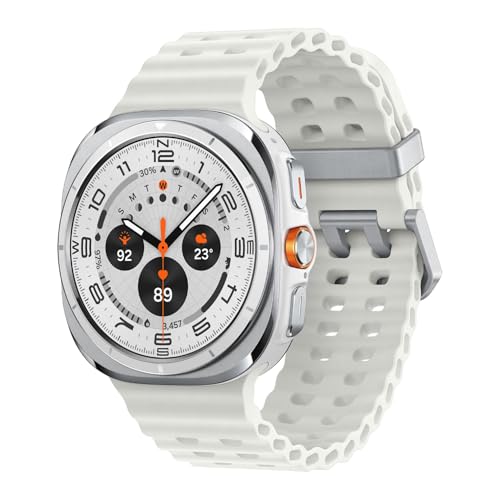
The best smartwatch brands for Android are as follows:
- [shortcode-18189393875008499835102916929685728506083629916113] (Average overall score: [shortcode-13728448227123569840028200526202209853202853358159])
- [shortcode-09430656011602380966181289098371245234091285608667] (Average overall score: [shortcode-17022161247051509498107237506239214851332080505995])
- [shortcode-02742773880171613647183349126760014244600289106878] (Average overall score: [shortcode-01103716227364277061053755624026428599710992333582])
[horizontal-chart-17556303564742207722045734508435021223983556683419]
How much do Android smartwatches cost?
Most Android smartwatches cost about 50-£260. Better premium models can cost above 300-£340.
Typical prices are around 50-£130 for simpler models with core tracking and notifications, about 150-£260 for better displays and a smoother app experience, and above 300-£340 for stronger materials, advanced sensors, and deeper training features.
Price differences mainly come from display quality, sensor stack, battery size, GPS accuracy, and software ecosystem. If you want a balanced Android watch, the 150-£260 range usually gives the best value.
What is a smartwatch for Android?
A smartwatch for Android is a smartwatch designed to pair with Android phones for notifications, calls, health tracking, and app use.
Most models connect through a companion app and then mirror core phone functions such as messages, music control, navigation prompts, and workout sync. Depending on the platform, they can also support Google services, contactless payments, and voice commands.
In the current market, Android compatibility is standard on most watches: about 95% of available smartwatches support Android pairing.
What operating systems do smartwatches for Android use?
The most common operating systems for Android-compatible smartwatches are the following:
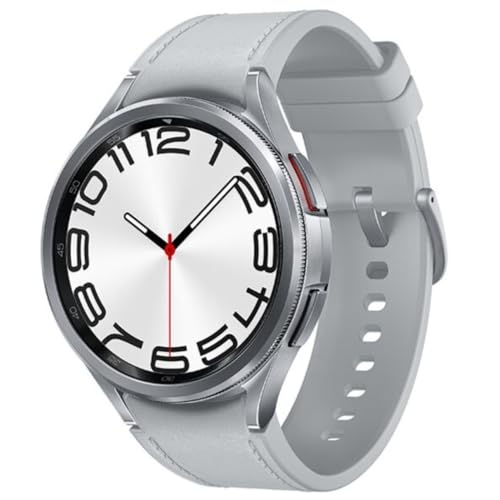
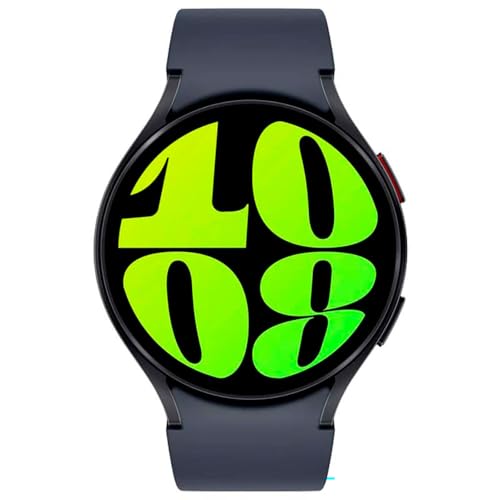
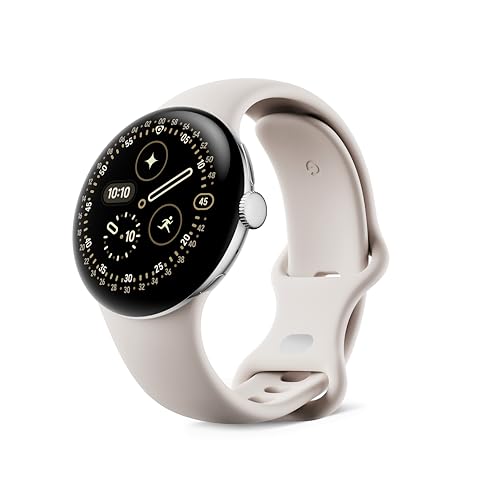
- Wear OS: Developed by Google. It works with most Android phones and supports Google apps like Maps, Assistant, and Wallet. Brands such as Samsung Galaxy Watch 6, Pixel Watch, and Fossil Gen 6 use Wear OS.
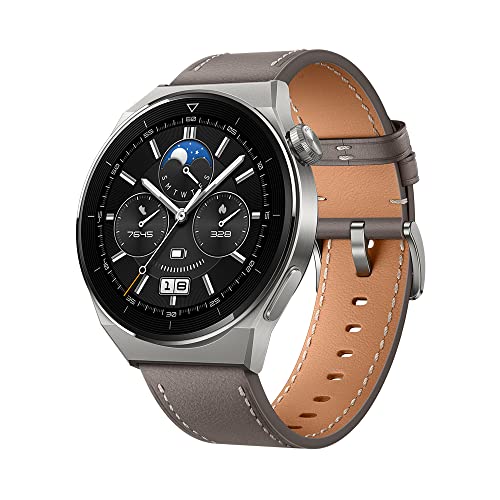
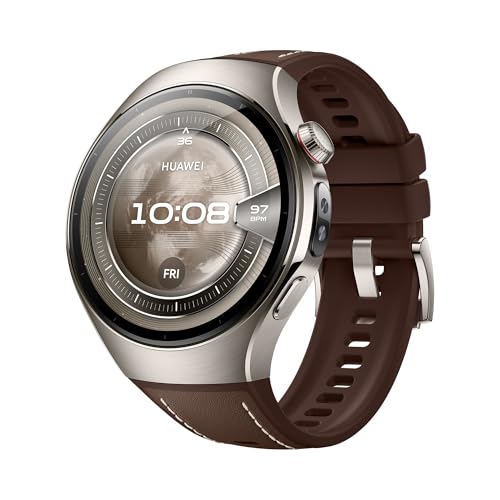
- RTOS (Real-Time Operating System): A lightweight system with fast performance and low power use. It runs on models like Huawei Watch GT series and Amazfit GTR series. It usually supports basic features like heart rate tracking and notifications, but not third-party apps.
- Lite OS: Found on older Huawei smartwatches. It offers smooth performance and long battery life, but it has limited app support compared to Wear OS.
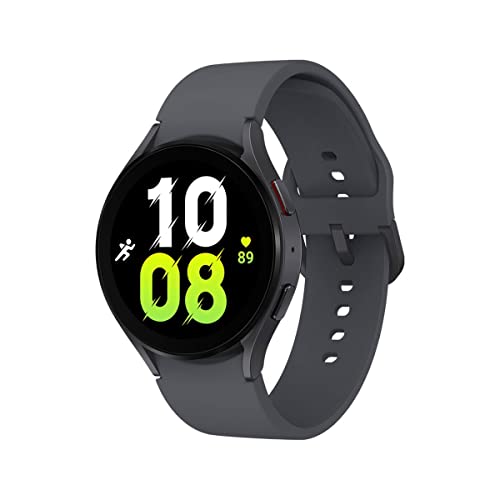
- One UI Watch: Samsung’s custom skin based on Wear OS. It combines Google’s ecosystem with Samsung-exclusive features like Samsung Health and Bixby. It runs on newer models like Galaxy Watch 5 and Watch 6.
- Zepp OS: Used by Amazfit watches like the GTS 4 and T-Rex Ultra. It is optimized for fitness and long battery life. It supports Zepp-branded apps but has limited third-party app compatibility.
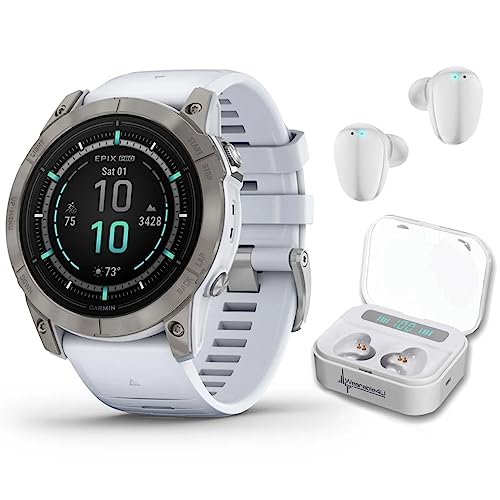
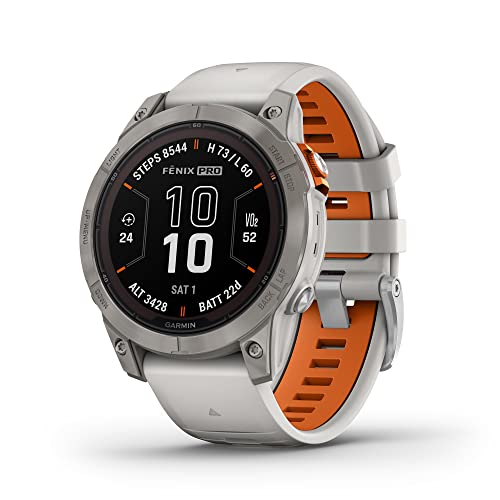
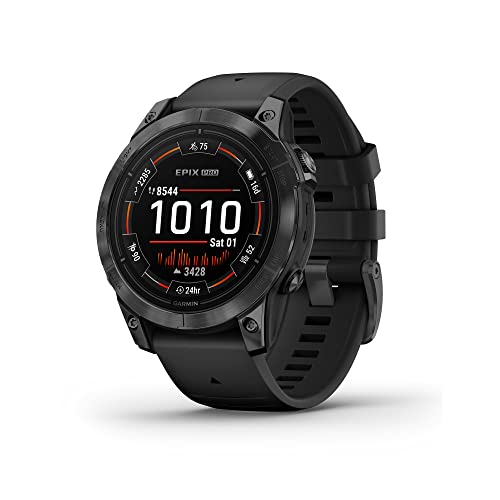
- Proprietary OS: Some brands use their own systems. Garmin uses its own OS across models like Fenix 7 and Venu 3. It focuses on sports features, sensors, and advanced health tracking.
- Fitbit OS: Found on Fitbit Versa and Sense series. It supports fitness tracking, basic notifications, and limited apps. It integrates well with the Fitbit ecosystem but has fewer smartwatch functions than Wear OS.
Can Apple Watches connect to Android phones?
No, Apple Watches cannot connect to Android phones. You need an iPhone to set up and use an Apple Watch.
Apple Watch uses Apple's own operating system, watchOS, which depends on deep integration with iOS. Features like message syncing, app installation, iCloud connection, and Apple Pay only work with an iPhone. Even if you manage to turn on the watch without an iPhone, you won’t be able to pair it or access its core features.
How does an smartwatch connect to an Android phone?
A smartwatch connects to an Android phone using Bluetooth, Wi-Fi, or cellular networks, depending on the model and features.
You pair the devices through the phone’s companion app (like Wear OS, Samsung Galaxy Watch, or Fitbit app), which communicates with the watch to sync notifications, health data, and apps. Once connected, the watch can receive calls, messages, and alerts directly from your phone.
Some smartwatches use Wi-Fi to maintain a connection when Bluetooth is out of range, which allows you to get updates and notifications even if your phone is in another room. Watches with LTE or eSIM support can connect independently to cellular networks, so you can use apps, make calls, or stream music without carrying your phone.
What to consider while choosing the best smartwatch for Android?
When choosing the best smartwatch for Android, you need to consider the following key factors:
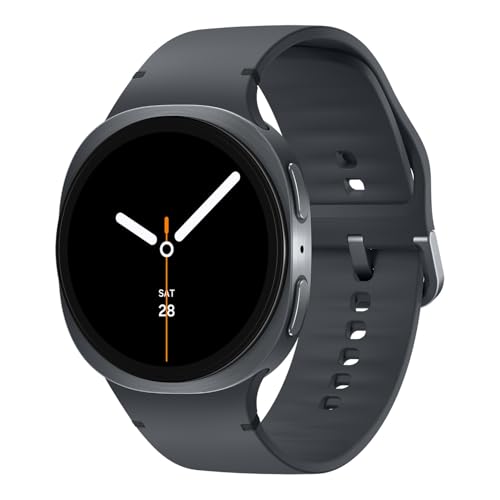
- Operating system compatibility: Wear OS 4 and 5 provide the smoothest Android integration and Google services support. Samsung Galaxy Watch models with One UI Watch 8 also work well with Android phones but unlock extra features when paired with Samsung smartphones. Google Pixel Watch 3 and Galaxy Watch 8 both run Wear OS 6 which provides seamless app syncing and notification handling.
- Battery life and performance: Most flagship Android smartwatches last 1-2 days with always-on display and active use. OnePlus Watch 3 delivers over four days of usage while Galaxy Watch Ultra reaches 48 hours with intensive use. The Snapdragon W5 Plus chip in TicWatch Pro 5 provides better performance and power efficiency compared to older processors.

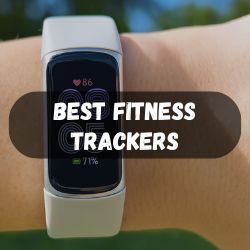
- Health tracking capabilities: Modern Android smartwatches monitor heart rate, blood oxygen, sleep patterns, and stress levels continuously. Advanced models like Galaxy Watch 8 feature ECG monitoring, irregular heartbeat detection, and AI-powered health insights. The Pixel Watch 3 includes Loss of Pulse Detection and real-time running guidance with motion sensing.
- Display quality and durability: AMOLED screens with 3,000 nits brightness work well in direct sunlight while maintaining touch responsiveness. Galaxy Watch Ultra uses sapphire glass and titanium construction for maximum durability, while Pixel Watch 3 offers 41mm and 45mm size options. Water resistance ranges from basic splash protection to 100-meter depth rating for swimming and water sports.
- Storage and connectivity: Current flagship models include 32-64GB storage for apps, music, and offline maps. LTE versions allow standalone calls and messaging without your phone nearby. GPS accuracy improves with dual-frequency support and multiple satellite systems like GNSS.
- Smart features and app ecosystem: Google Play Store access provides thousands of apps while Google Pay enables contactless payments. Voice assistants like Google Assistant and Gemini AI handle voice commands and smart home control. Notification handling, call answering, and music control work seamlessly with Android phones.