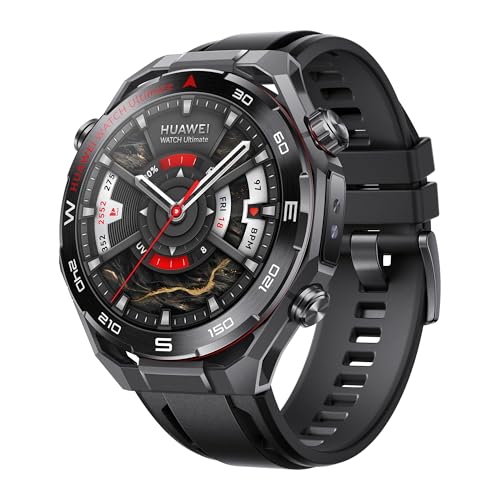
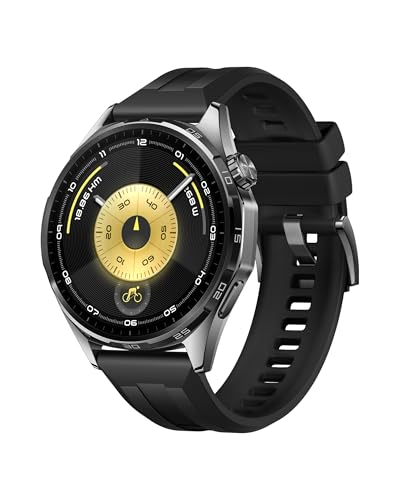
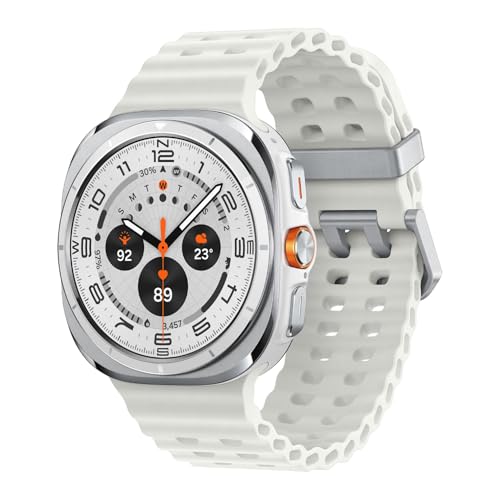
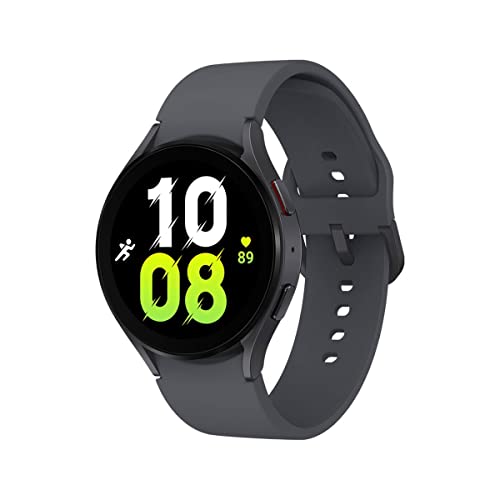
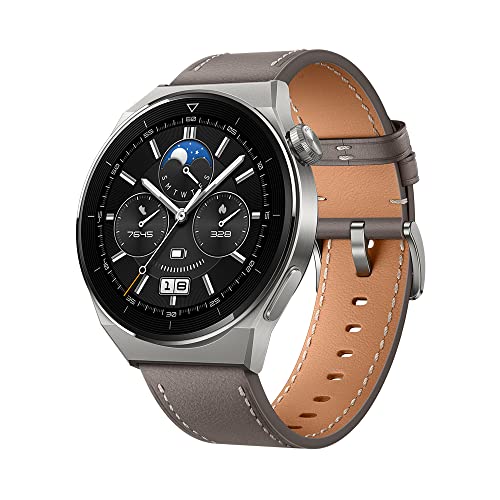
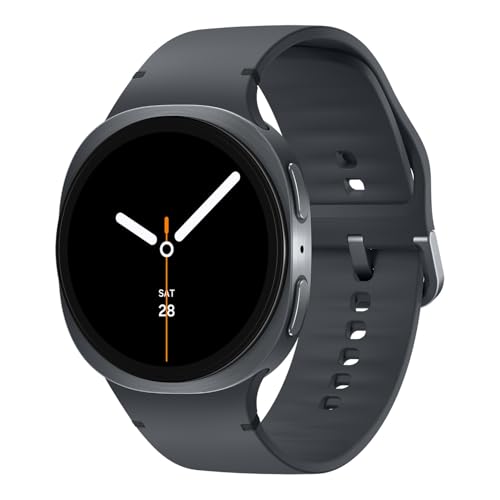
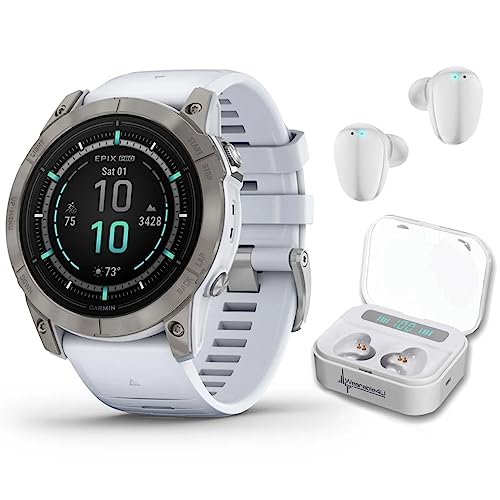
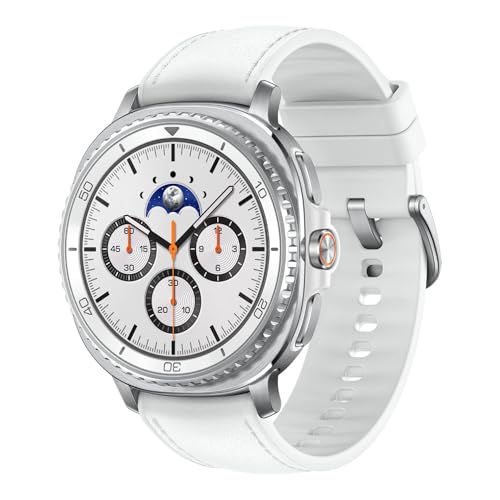
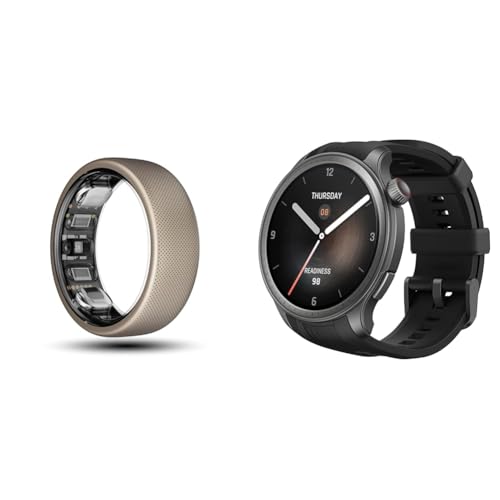
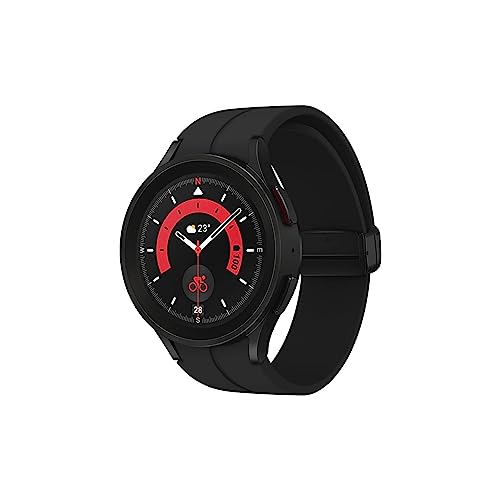
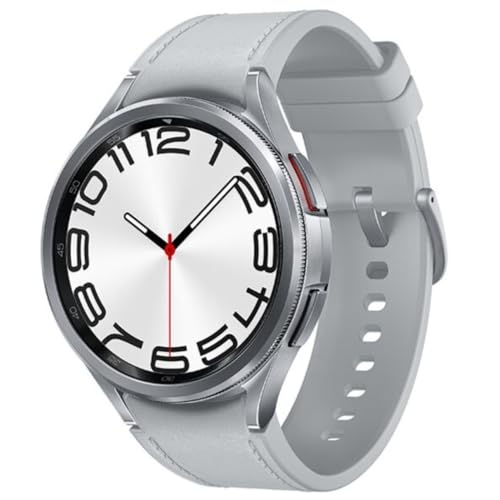
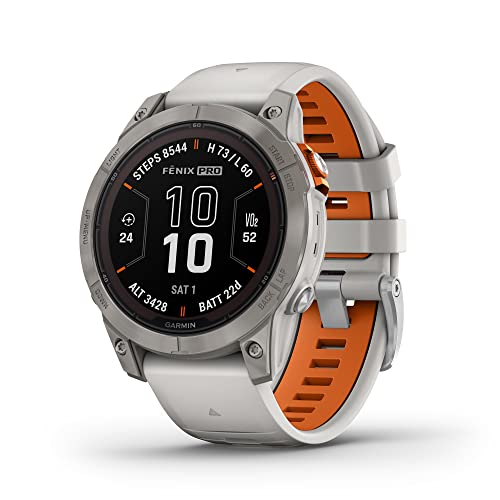
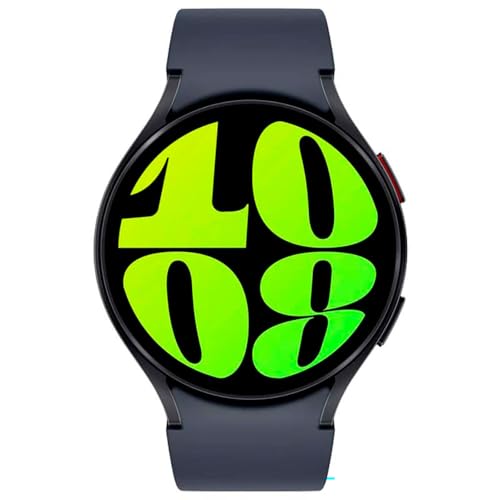
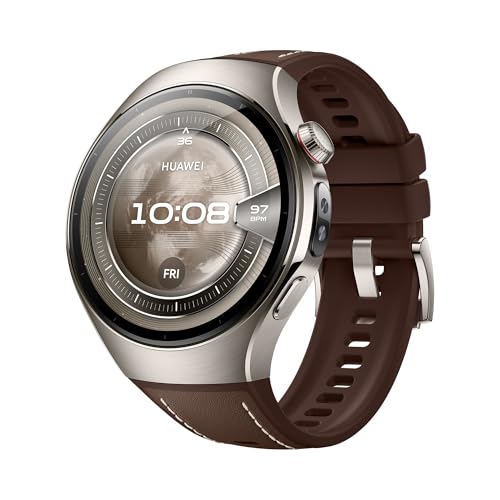
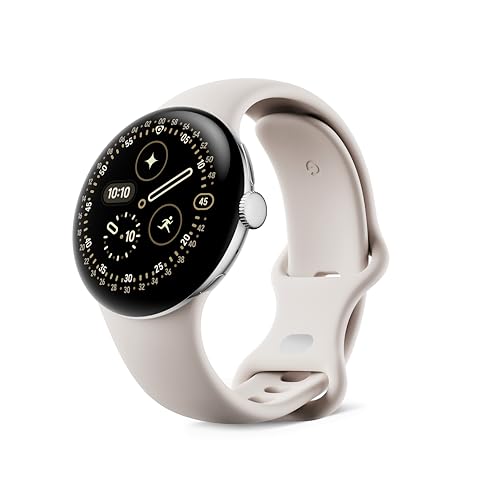
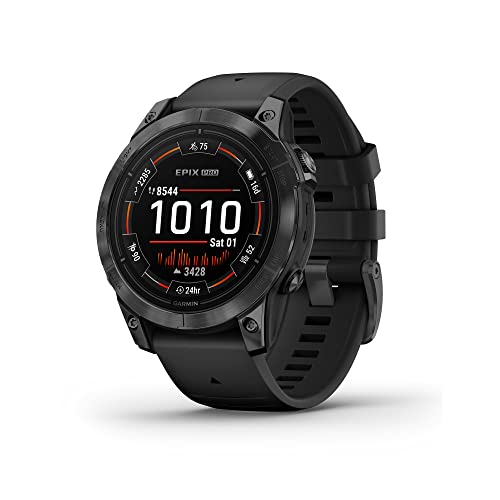
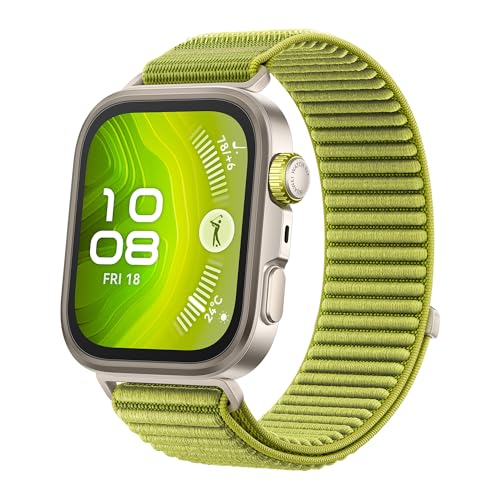
The best sport smartwatches cost between £170 and £690, depending on the brand, model, and features you want. Entry-level models from brands like Garmin or Amazfit start near £170 and still give you accurate GPS tracking and heart rate monitoring. Mid-range devices in the £300-£400 range add more advanced sensors, such as SpO2, VO2 max analysis, and multi-sport modes that support running, cycling, swimming, and even triathlon training.
High-end sport smartwatches from brands such as Garmin Fenix, Polar, or Suunto reach £500-£700. These models give you extra durability with military-grade certifications, larger batteries that last several weeks, and detailed training analytics for professional use.
If you want smartwatch functions like music storage, contactless payments, or premium maps with turn-by-turn navigation, you usually find them in this higher price category.
Sport-oriented models make up a large share of the smartwatch market, especially among training-focused and outdoor lines.
How accurate are sport smartwatches for tracking workouts?
Sport smartwatches are generally accurate for workout tracking, especially for heart rate trends, distance, and pace in steady conditions.
For real use, good models usually keep GPS distance close enough for training decisions, but accuracy can drop in dense cities, heavy tree cover, or rapid direction changes. Wrist-based heart-rate readings are strong for endurance sessions, while short high-intensity intervals can show more lag than a chest strap.
If precision matters for racing or structured interval work, use the watch as the main tool and add a chest strap for heart-rate validation.
Do sport smartwatches work without a phone?
Sport smartwatches work without a phone, but the functions you get depend on the model and its features. You can use one to track your runs, record your heart rate, measure steps, monitor sleep, and store data directly on the watch. Many devices also have built-in GPS, so you can track distance and route during outdoor workouts without carrying your phone.
You still need a phone for setup, software updates, and detailed data analysis, since most watches sync with an app that stores your workout history and health records.
Some models include Wi-Fi or LTE (with an eSIM) which lets you stream music, receive notifications, or even make calls without carrying your phone. Without those connections, you still get full access to core fitness tracking, but advanced features depend on pairing with a smartphone.
How long does the battery last on sport smartwatches?
The battery on sport smartwatches lasts from one day to several weeks, depending on the model and how you use it. If you use GPS and continuous heart rate tracking, you usually get one to three days. With lighter use, like checking notifications and tracking steps, some models last up to a week. The longest times come from watches that use low-power displays and limited smart functions, where you can reach two to three weeks on a single charge.
When you train with GPS on, the battery drains faster because the sensors and satellite connection use more power. Sport smartwatches often list separate times for daily use and GPS training, so you might see 14 days of normal use but only 20 to 30 hours with GPS.
Are sport smartwatches waterproof?
Yes, most sport smartwatches are water-resistant, but safe depth and usage depend on the rating.
A 5 ATM rating is typically suitable for pool swimming and rain exposure, while higher ratings can support more demanding water activities. IP ratings and ATM ratings are not identical, so it is important to check the exact manufacturer guidance for swimming, open water, or diving use.
For regular swim training, choose a model that explicitly supports swim modes and has at least 5 ATM protection.