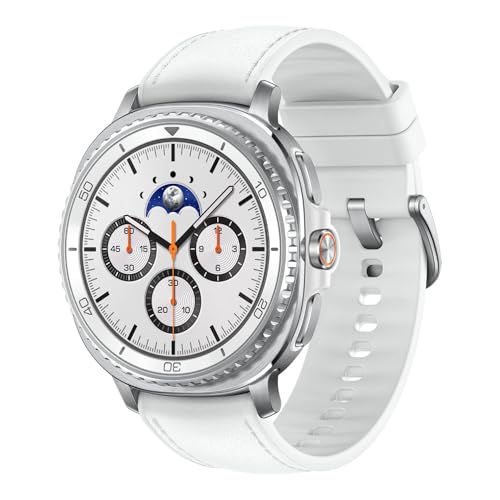
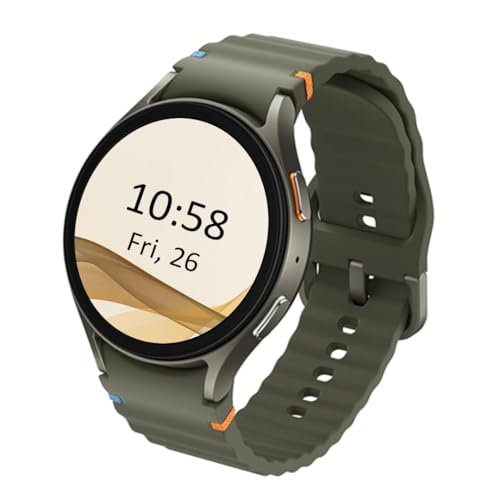
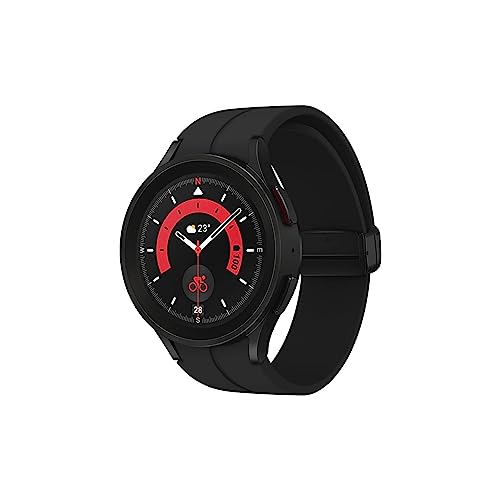
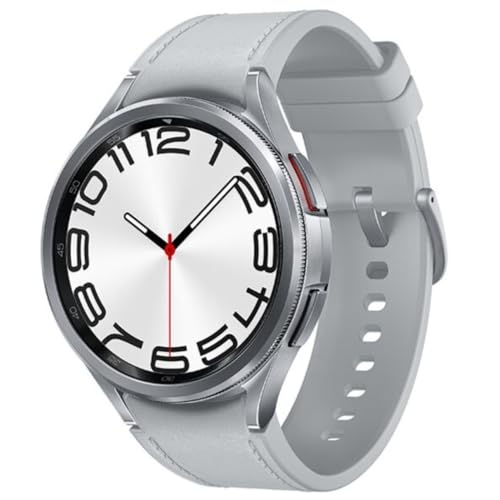
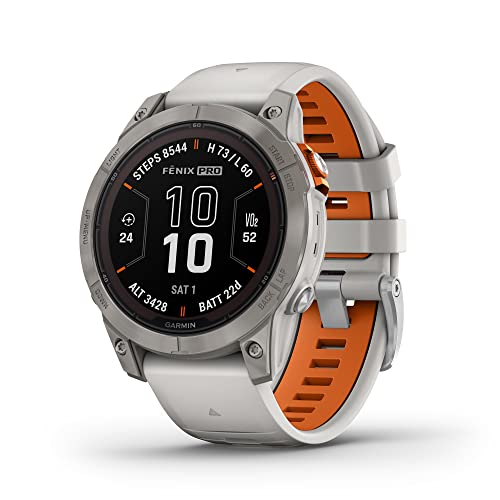
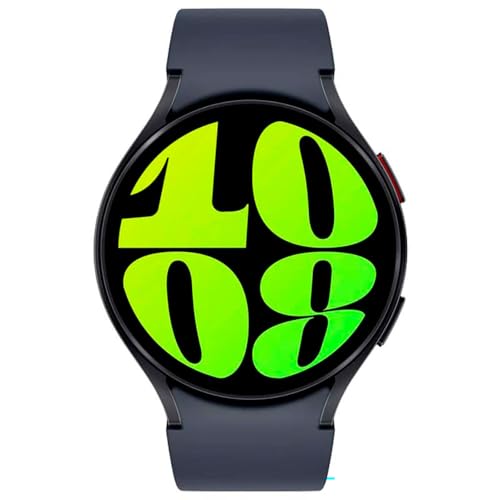
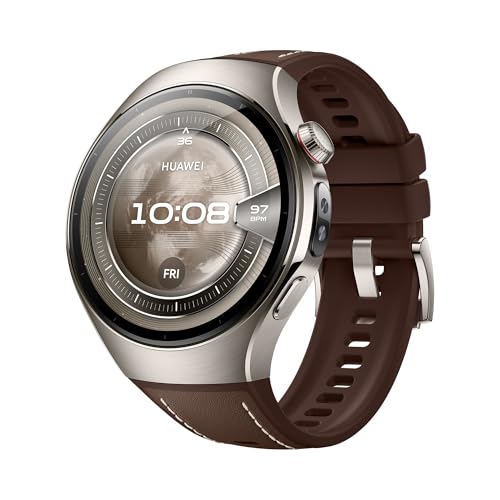
Which brands make the best GPS smartwatches?
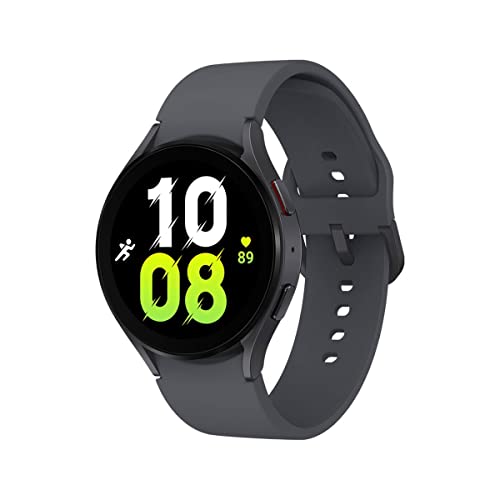
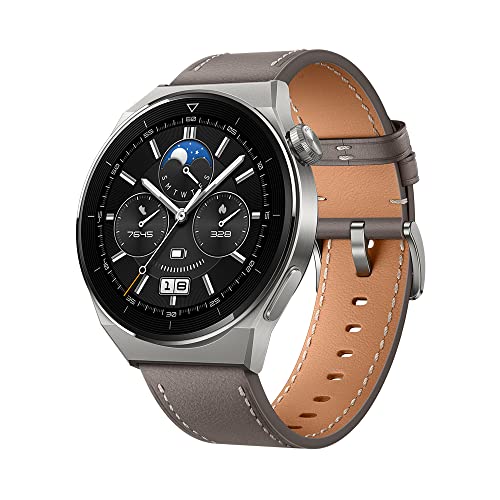
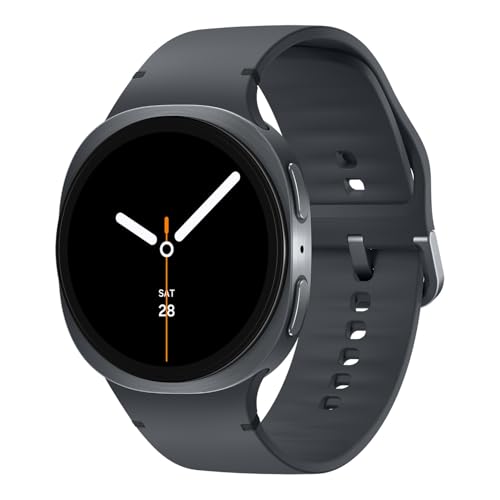
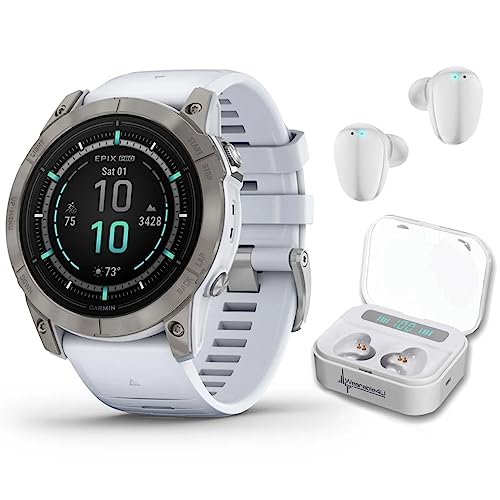
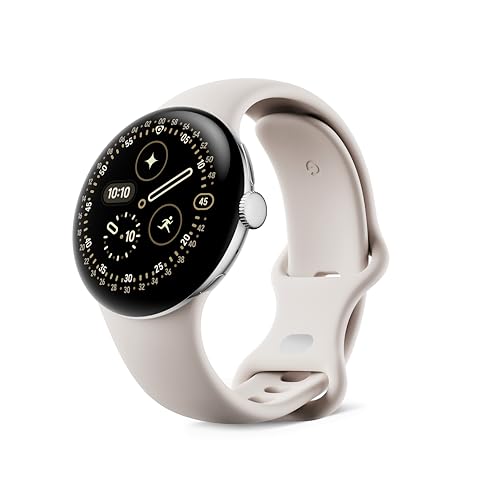
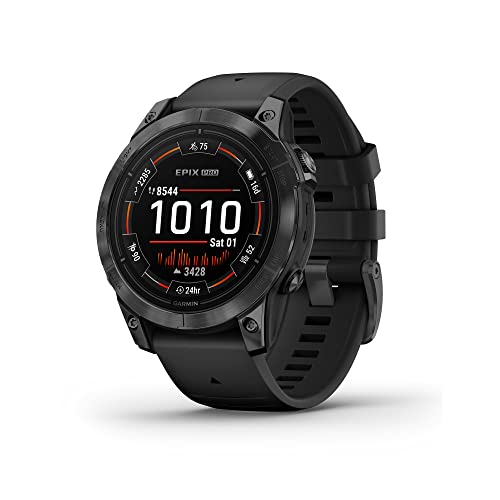
The best GPS smartwatch brands are as follows:
- [shortcode-05264511813422249451054848414934757868022149117475] (Average overall score: [shortcode-14856392922064611159122399439642137222461837680899])
- [shortcode-11458866502114121951175499996981373159622396366585] (Average overall score: [shortcode-08065203125234731869144252286863153731101573238692])
- [shortcode-11906303100664418610059691335438854467531119971768] (Average overall score: [shortcode-17105241680504339268027593383147761115182706271578])
[horizontal-chart-11993859831056624597150498354718916336452891156082]
How much do the best GPS smartwatches cost?
The best GPS smartwatches cost between £170 and £550, and the price depends on the brand, features, and build quality.
Entry-level models from brands like Amazfit and Huawei usually stay around £170 to £260, while mid-range watches such as the Garmin Forerunner or Samsung Galaxy Watch with strong GPS accuracy and fitness features range between £260 and £390. High-end models like the Apple Watch Ultra or Garmin Fenix reach £550 and sometimes more because they combine multi-band GPS, advanced sensors, and premium durability.
What is a GPS smartwatch?
A GPS smartwatch is a smartwatch that has a built-in Global Positioning System chip which tracks your exact location without the need for your phone. You can use it to record your running routes, hiking paths, or cycling distances, and the watch saves speed, distance, and elevation data in real time. This function works through satellite signals, so it remains accurate even if you move through areas with weak mobile network coverage.
With a GPS smartwatch, you get more than simple step tracking because the data connects directly to your movement and location. It gives you detailed statistics such as pace, route mapping, and distance covered, which helps if you train outdoors or travel through new areas.
Some watches combine GPS with GLONASS or Galileo satellites, which improve accuracy and reliability in dense cities or remote areas.
Built-in GPS is common on mid-range and premium smartwatches, while cheaper models may still depend on connected phone GPS.
How accurate is GPS on a smartwatch?
GPS on a smartwatch is usually accurate within 3 to 10 meters, so you can track your runs, walks, or bike rides with reliable precision. The accuracy depends on the chipset, the number of satellites your watch connects to, and the environment you use it in. Open spaces with a clear view of the sky usually give you the best results, while tall buildings, forests, or tunnels can cause slight deviations in your route tracking.
Most modern smartwatches use multi-band GPS (L1 and L5 signals), which improves accuracy compared to older single-band models.
Some watches also combine GPS with other systems like GLONASS, Galileo, or BeiDou to reduce errors and strengthen the signal.
Does a GPS smartwatch work without a phone?
Yes, a GPS smartwatch works without a phone because it has its own built-in GPS chip that connects directly to satellites.
You can track your location, record routes, measure distance, and save workout data without carrying your phone. The watch stores the information internally, and you can later sync it with your phone or app when you want to review detailed maps and statistics.
However, the level of independence depends on the model. Some GPS smartwatches can record outdoor activities completely offline, while others rely on a connected phone to access certain map features or to share live tracking data.
What’s the difference between GPS and GNSS?
The difference between GPS and GNSS is that GPS is one satellite navigation system, while GNSS is the global term for all satellite navigation systems.
GPS (Global Positioning System) is run by the United States and is the most widely used system. GNSS (Global Navigation Satellite System) includes GPS but also covers other systems like Europe’s Galileo, Russia’s GLONASS, and China’s BeiDou.
When you use a device that supports only GPS, it connects to satellites from the US system. If you use a device that supports GNSS, it can connect to satellites from multiple systems at the same time. This gives you more satellites to work with, so your position can be more precise and reliable, especially in cities with tall buildings or in remote areas.
What to consider while choosing the best GPS smartwatch?
To choose the best GPS smartwatch, you should consider the following factors:
- GPS performance and features: The watch must have reliable GNSS systems with dual-frequency capabilities for accurate location tracking. Garmin fenix 8 and Suunto models use multi-band GPS technology that works better in challenging environments like forests or mountains. Look for watches that include breadcrumb navigation and offline maps, which help you navigate without network coverage.

- Battery: Battery performance determines how long your watch runs during activities and daily use. Garmin fenix series and COROS models can last several days to weeks depending on usage, while Apple Watch GPS typically requires daily charging. Solar charging options extend battery life significantly, especially for multi-day outdoor adventures.
- Display: The display affects readability in different lighting conditions and power consumption. Transflective MIP displays found in Garmin and Suunto watches work well in bright sunlight and consume less battery than AMOLED screens. Apple Watch and Samsung Galaxy watches use AMOLED displays that show vibrant colors but need more frequent charging.
- Durability: The watch must withstand environmental conditions based on your activities. Garmin Descent series handles scuba diving depths, while most smartwatches meet basic water resistance standards for swimming. Military-grade construction in models like Garmin fenix or tactical watches resists impacts and extreme temperatures.
- Health and fitness tracking: Advanced sensors monitor vital signs and activity metrics throughout the day. Apple Watch tracks ECG and blood oxygen levels, while Garmin watches focus on VO2 max and training metrics for athletes. Sleep analysis and 24/7 heart rate monitoring help track recovery and fitness progress.
- Smartphone compatibility: The watch must work seamlessly with your smartphone ecosystem for notifications and data sync. Apple Watch works exclusively with iPhones, while Wear OS watches pair with Android devices. Samsung Galaxy watches provide enhanced features when paired with Samsung phones but work with other Android devices.
- Operating system: The software determines available apps, updates, and ease of use during activities. Garmin ConnectIQ platform offers specialized outdoor apps, while Apple watchOS provides broader app selection for daily tasks. Response speed and navigation efficiency affect usability during workouts and outdoor activities.