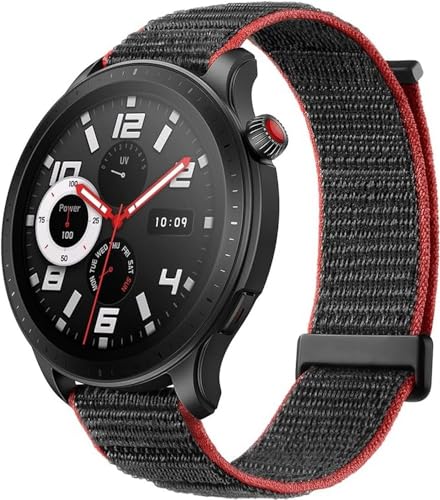
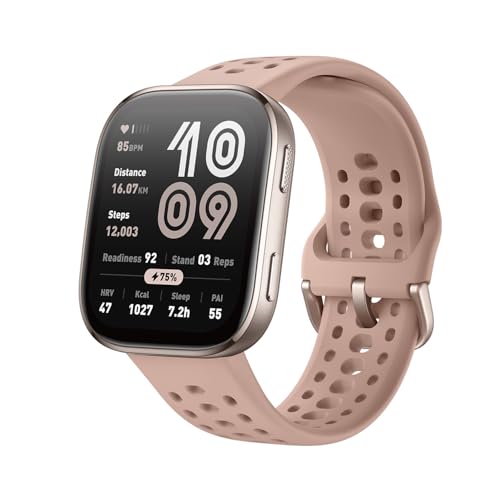
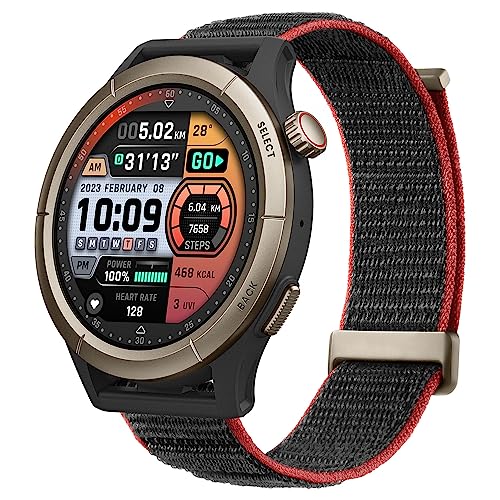
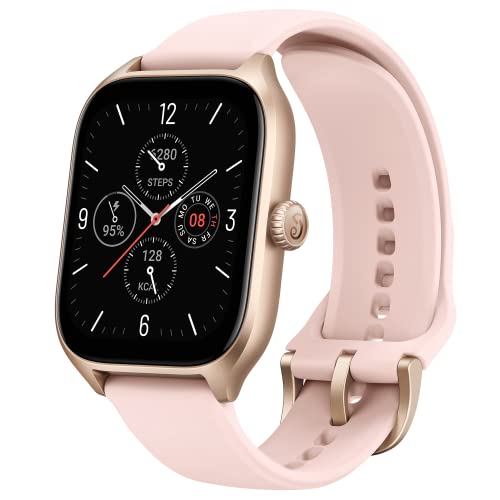
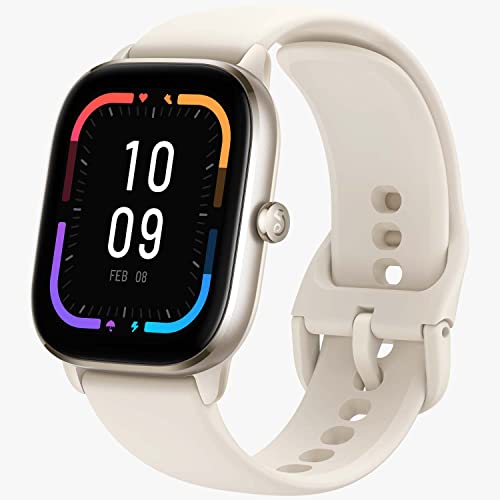
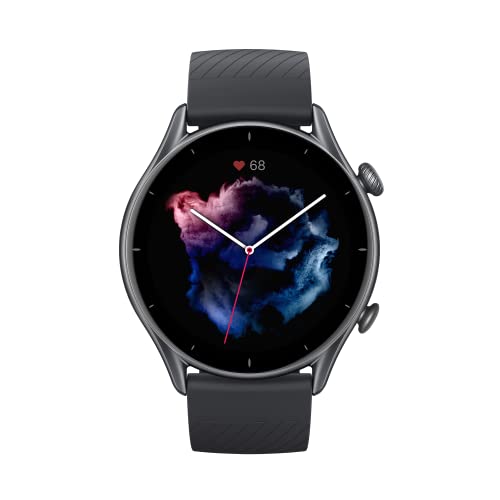
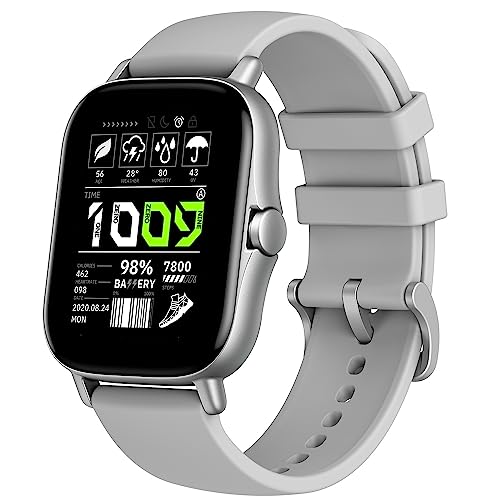
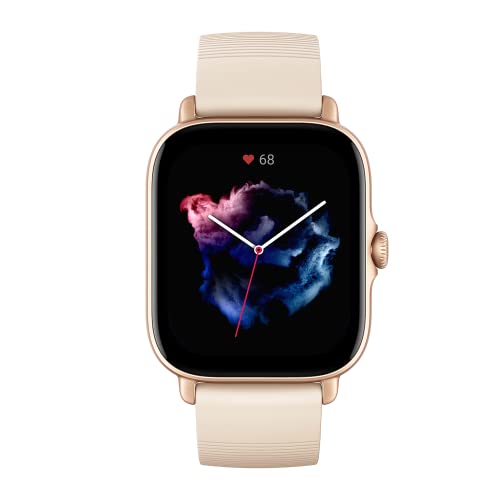
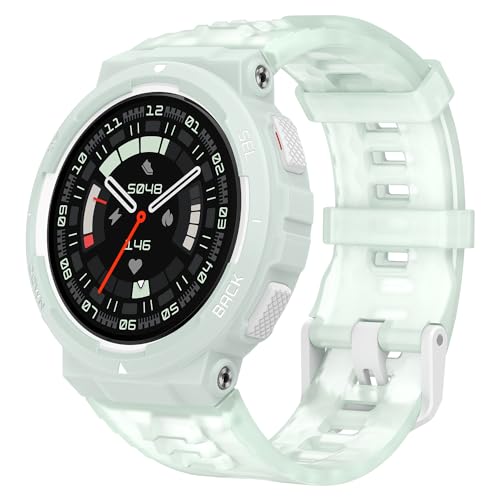
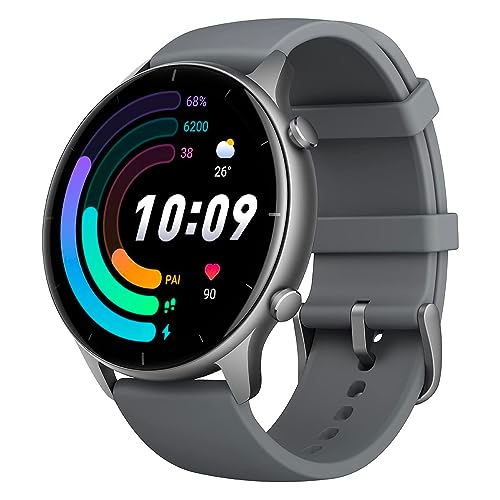
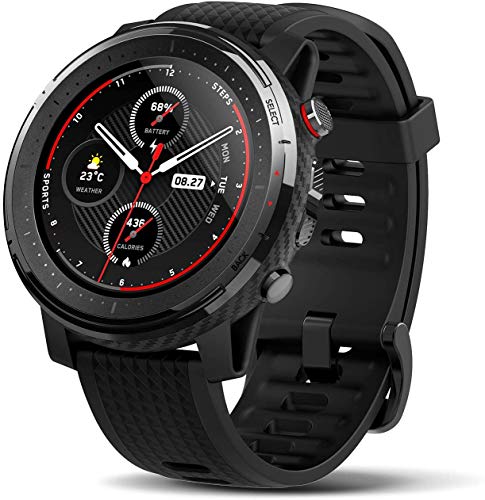
Are Amazfit smartwatches good?
Amazfit smartwatches have an average overall score of [shortcode-07924131632777912786035020621415017694701873175361], ranking #[shortcode-11599046038766314908180538083926414717344125904946] among all smartwatch brands, and a user rating of [shortcode-02448321195440949256081068327386528964294196342376], placing them at #[shortcode-09904728251615956145114621676438114667961139998598] based on user reviews.
Yes, Amazfit smartwatches are good for users who want strong battery life and practical fitness features at moderate prices.
Amazfit strengths are battery endurance, broad sport-mode coverage, and clear displays across multiple price levels. The lineup also includes rugged models for outdoor use and lighter models for everyday wear.
Trade-offs include a smaller third-party app ecosystem than Wear OS and watchOS, fewer premium-material options in lower tiers, and less advanced smart functionality in some models.
(Note: A total of [shortcode-14661770756085064892067463167598775618980189591735] brands were evaluated in the comparison in the first paragraph. Only those with at least 5 smartwatches in our database were included.)
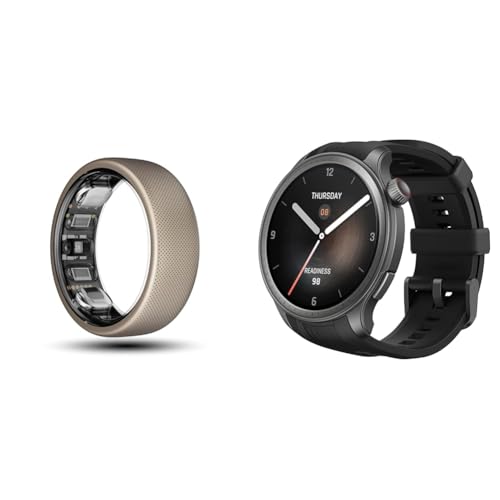
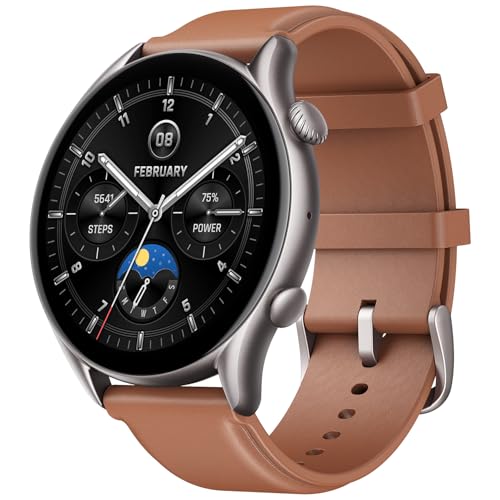
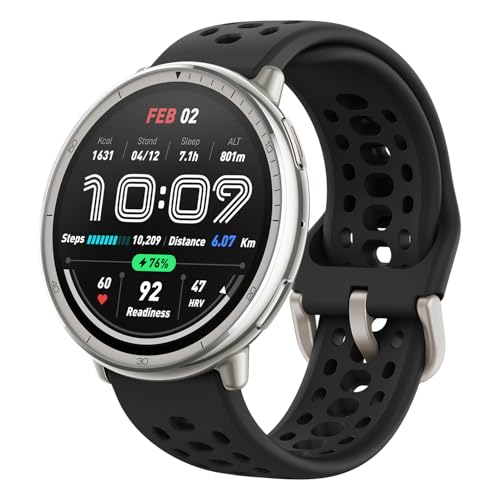
The best Amazfit smartwatch models are as follows:
- [shortcode-09434535811581856669042095349202749391481185541823] (Overall score: [shortcode-05325991200832196273111973094620622706900561185447])
- [shortcode-10638914823917254883152217345059047704302335443019] (Overall score: [shortcode-12547996028068345705006015214145431957942706921511])
- [shortcode-10912778651435137399164637149704442657292497834106] (Overall score: [shortcode-09985659145428140377122202789772323072202324358648])
[horizontal-chart-03302773280258034273180208919870815536630019360859]
What are the main advantages of Amazfit smartwatches?
The main advantages of Amazfit smartwatches are as follows:
- Battery life: Amazfit smartwatches reach up to 14 days on a single charge in models like the GTR 4, while some basic models last 30 days in power-saving mode. This is far above the average 1–2 days of Apple or Samsung watches.
- Lightweight design: Most Amazfit watches weigh between 30 g and 36 g without strap, which is lighter than many premium models (Apple Watch Series 9 weighs about 51 g in 45 mm). The reduced weight increases comfort for daily wear and sports.
- Sports tracking: Amazfit includes more than 150 sports modes with automatic recognition of common activities like walking, running, cycling, and swimming. Advanced watches integrate dual-band GPS with accuracy close to professional devices.
- Health monitoring: Amazfit models measure heart rate, SpO2, stress, and sleep quality with continuous tracking (24/7) and detailed reports. The BioTracker PPG sensor updates every second during workouts, which improves precision.
- Compatibility: Watches connect with both Android and iOS, and sync with Zepp app for detailed analysis. Data exports to Strava, Google Fit, or Apple Health, so it integrates with wider fitness ecosystems.
- Price-performance: Amazfit smartwatches typically cost between £90 and £170, which is less than half of Apple or Samsung equivalents, yet include AMOLED displays, GPS, and long battery life.
- Variety of models: The brand covers multiple needs with GTR (classic), GTS (slim square), T-Rex (rugged military standard), and Bip (budget). This variety means different price levels and styles within the same ecosystem.
What are the main disadvantages of Amazfit smartwatches?
The disadvantages of Amazfit smartwatches are the following:
- Limited apps: The watches run Zepp OS, which supports only a small number of third-party apps compared to Wear OS or watchOS.
- Limited payment options: Only a few models support NFC payments, and availability depends on region, which reduces daily usability compared to Apple Pay or Samsung Pay.
- Accuracy limits: While sensors perform well for general health and sports, heart rate and GPS precision can vary under intense conditions like interval training or in dense urban areas.
- No LTE option: Amazfit does not sell cellular versions, so all models require a smartphone nearby for calls and messages.
- Build materials: Many models use polycarbonate or aluminum alloys, which are lighter but feel less premium than stainless steel or titanium used in higher-end brands.
- Software updates: Update frequency is lower compared to Apple or Samsung, so new features and fixes arrive slower.

Who makes Amazfit smartwatches?
Amazfit smartwatches are manufactured by Zepp Health, a Chinese company formerly known as Huami Technology. The brand Amazfit started in September 2015 and focuses on wearable devices like smartwatches and fitness bands.
Zepp Health designs and produces these products in-house, with headquarters in Hefei, China. The company develops its own technology, including the Huangshan-1 chipset, which it introduced in 2019 for better device performance.
Zepp Health went public on the New York Stock Exchange in 2018 as the first Chinese smart hardware firm to do so. Xiaomi holds a minority stake of about 14.5% in Zepp Health and partners with it for some wearable tech, but Amazfit operates independently.
How popular are Amazfit smartwatches worldwide?
Amazfit smartwatches are widely known in fitness-focused and value-focused segments across global smartwatch markets.
Their popularity is supported by long-battery positioning, broad model variety, and competitive pricing. The brand is especially visible among users who prioritize training features and endurance over heavy third-party app ecosystems.
How much do Amazfit smartwatches cost?
Amazfit smartwatches usually cost about 50-£260 depending on series, materials, sensors, and positioning level.
Typical prices are around 50-£90 for entry models, about 100-£170 for mainstream lines such as GTS and GTR ranges, and roughly 200-£260 for higher-tier rugged or premium-focused options.
Price differences come mainly from build strength, GPS class, display quality, and training-feature depth.
What are the main Amazfit smartwatches series?
Amazfit smartwatches come in the following series:
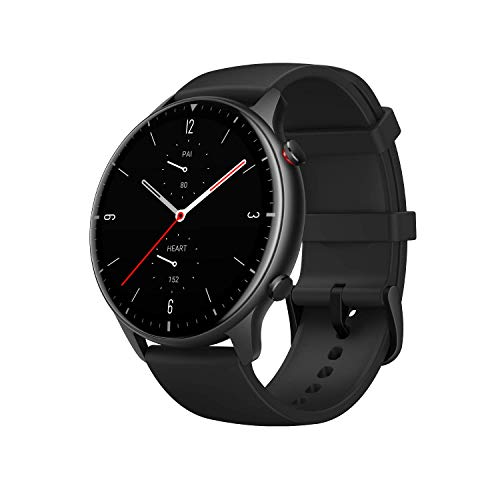
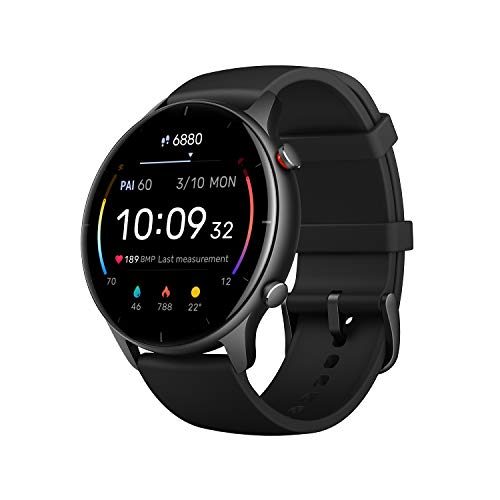
- Amazfit GTR series: Round design with AMOLED display, long battery life up to two weeks, and focus on classic watch aesthetics. It targets users who want a balance between style and advanced health tracking.
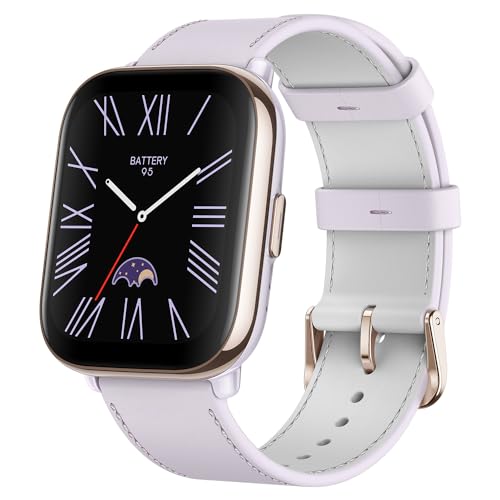
- Amazfit GTS series: Square design with high-resolution AMOLED screen, lightweight body, and fitness-focused features. It resembles a smartwatch style closer to the Apple Watch and is built for everyday use and sport.
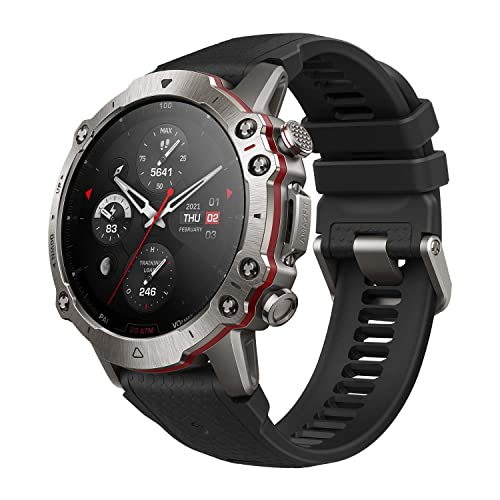
- Amazfit T-Rex series: Rugged models with military-grade resistance, durable build, and long battery endurance. They suit outdoor activities and extreme conditions, with strong GPS and sport tracking.
- Amazfit Bip series: Budget-friendly line with lightweight build, simple display, and essential health functions. It has extended battery life of up to several weeks, so it is designed for users who want practicality at low cost.
- Amazfit Falcon: Premium sports smartwatch with titanium body, sapphire crystal glass, dual-band GPS, and advanced training metrics. It targets athletes who want durable build and precise performance data.
- Amazfit Balance: Newer flagship that combines health tracking, fitness modes, stress monitoring, and AI-based features. It has a high-quality AMOLED screen, premium design, and strong focus on wellness.
- Amazfit Neo: Retro-style watch with digital display, basic health tracking, and continuous heart rate monitoring. It has a simple look inspired by 1980s designs and long battery life.
- Amazfit X: Futuristic curved screen concept with AMOLED display, high battery life, and modern style. It focuses on innovation and premium design rather than wide market availability.
Which smartphones are compatible with Amazfit smartwatches?
Amazfit smartwatches are compatible with most Android and iPhone models that support the Zepp app and Bluetooth connection.
Compatibility is usually best on modern Android versions, while iPhone support covers core features such as notifications, health synchronization, and workout tracking with some function differences by model and OS policy.
Before buying, check phone OS version, app availability, and required permissions so call alerts, health sync, and notification features work reliably.