
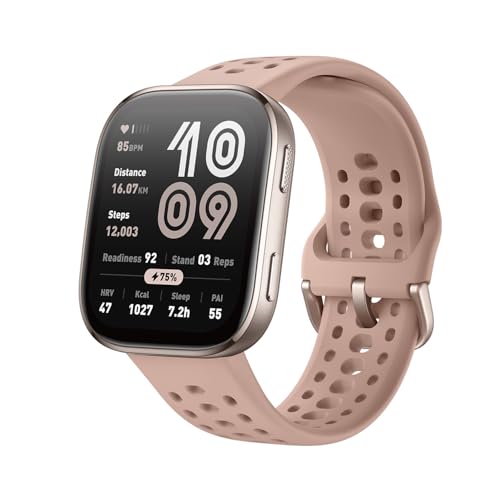
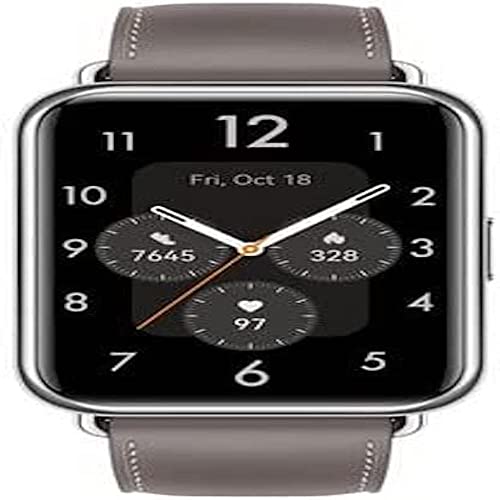
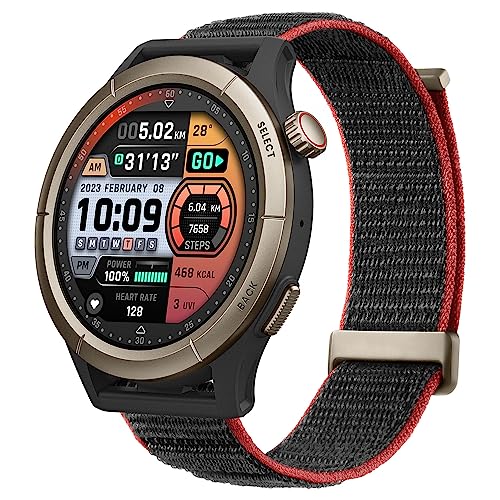
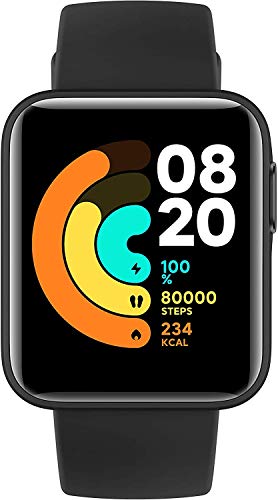
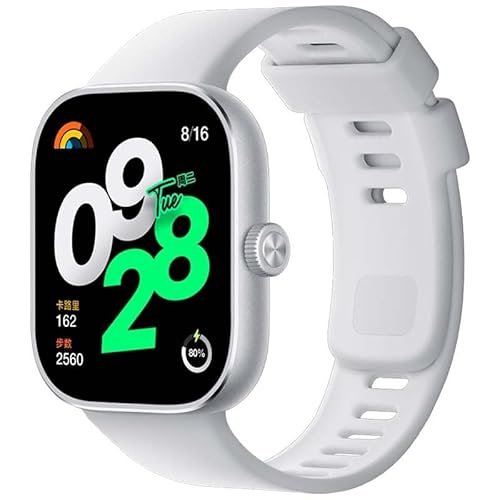
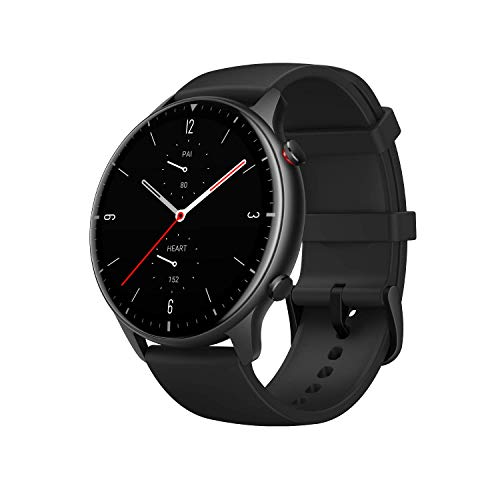
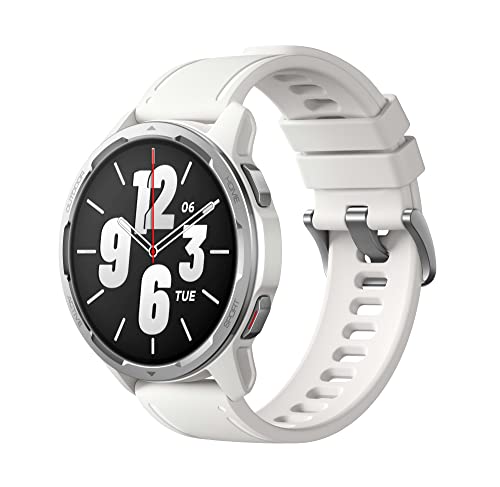
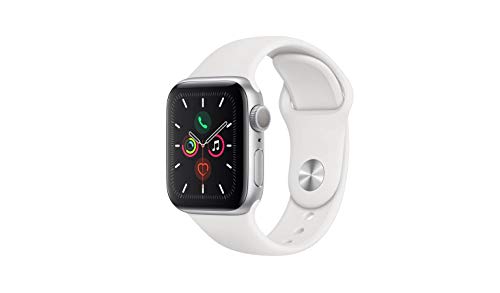
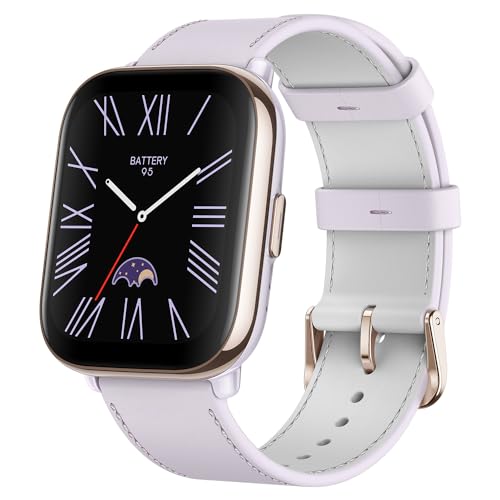
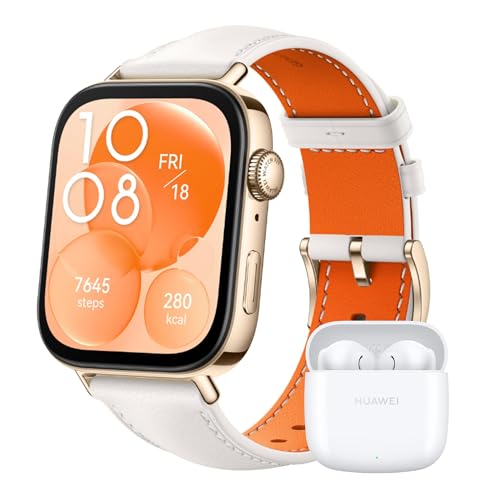
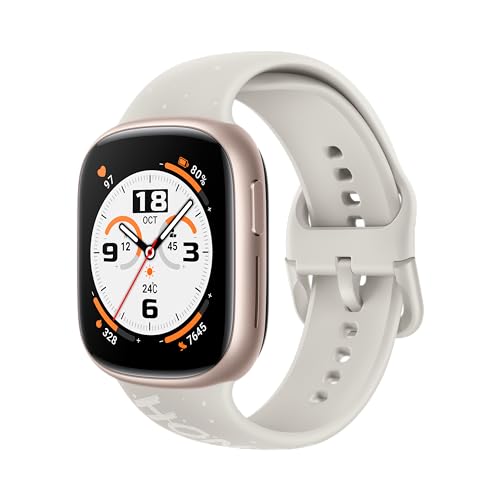
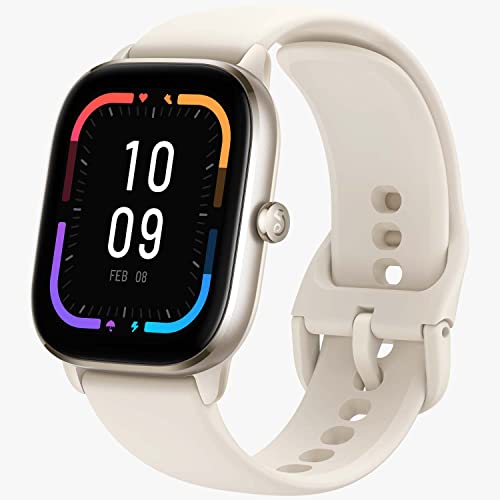
Which smartwatch brands make the best cheap smartwatches?
The best smartwatch brands for cheap smartwatches are as follows:
- [shortcode-06861699266038135099132865976462192888143887459084] (Average overall score: [shortcode-12222549386169372675103396488078297884392760011493])
- [shortcode-01330125607814578871034245673642933138742646595327] (Average overall score: [shortcode-08837495873667305685144773006667242402064224720776])
- [shortcode-04421259340820641650096729243339797718882147246343] (Average overall score: [shortcode-08116247830494843773096537437726649152902786180075])
[horizontal-chart-03192443449491365584130283294442203701253122192898]

What is considered a cheap smartwatch?
A cheap smartwatch is usually considered any model priced under £90.
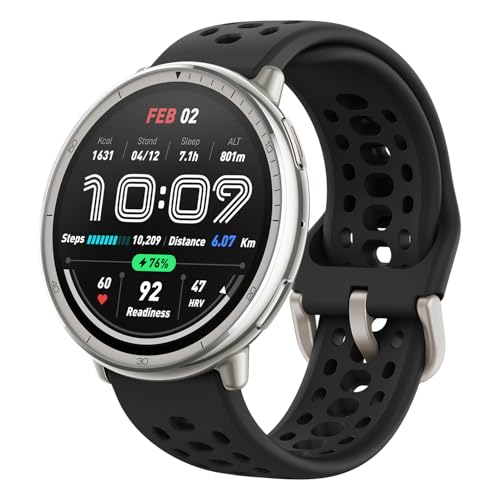
At this level, you get the most basic features such as step counting, heart rate monitoring, sleep tracking, and smartphone notifications. These devices focus on essential functions rather than advanced performance or premium design, so they fit if you want something simple and affordable.
How long does the battery last on cheap smartwatches?
Cheap smartwatches usually last about 2-7 days per charge, depending on display type, sensor use, and notification volume.
With light use, some models can stretch close to a week. With frequent workout tracking, higher brightness, and always-on heart-rate checks, many drop toward roughly 2-3 days.
Battery life is usually more affected by screen behavior and sync frequency than by occasional app interactions.
What kind of display do cheap smartwatches have?
Cheap smartwatches have basic LCD or TFT displays that show time, notifications, and fitness data. These screens usually measure between 1.3 and 1.7 inches, and you will see lower resolution compared to more expensive models, so text and icons may not look as sharp. Some models use simple color displays, while the cheapest ones use monochrome screens.
You will notice that brightness and viewing angles are limited, especially outdoors in direct sunlight, because cheap smartwatches do not use AMOLED panels.
Touch response also feels less smooth and less precise than on higher-end devices, although you can still swipe through menus and tap icons without major problems.
How durable are cheap smartwatches?
Cheap smartwatches are less durable than mid-range or premium models. You can usually expect lower resistance to scratches, weaker water protection, and shorter material lifespan. Many use plastic cases and basic silicone straps, which feel light on your wrist but wear down faster with daily use.
The glass on the display is also softer compared to Gorilla Glass or sapphire used on higher models, so scratches appear more easily.
Straps, clasps, and buttons often feel less solid, so if you use yours heavily in sports or outdoor work, it may show signs of wear sooner.
What operating systems do cheap smartwatches use?
Cheap smartwatches use simple operating systems that focus on basic functions.
Most of them run on proprietary software designed by the manufacturer, which supports features such as step tracking, sleep monitoring, heart rate measurement, call notifications, and message alerts. These systems are lighter than platforms like Wear OS or watchOS, so they need less power and work well with the limited hardware of low-cost devices.
You usually connect these watches to your phone through Bluetooth, and you manage them with a companion app. The app handles updates, watch face settings, and data sync with health or fitness tracking platforms.
What fitness and health features do cheap smartwatches include?
Cheap smartwatches usually include the following fitness and health features:
- Heart rate monitor: Tracks your heart rate in real time and shows patterns during rest and exercise.
- Step counter: Records daily steps and calculates distance and calories burned.
- Sleep tracking: Monitors sleep duration and basic sleep stages like light and deep sleep.
- Blood pressure monitor: Estimates blood pressure levels but with limited accuracy.
- Blood oxygen (SpO2): Measures oxygen saturation to show breathing quality during rest or activity.
- Sports modes: Includes preset profiles such as walking, running, or cycling to record activity data.
- Sedentary reminder: Sends alerts if you stay inactive for too long.
- Calorie tracking: Estimates calories burned based on movement and heart rate.
- Basic women’s health: Tracks menstrual cycle dates and related notifications.
- Pedometer-based distance: Uses step data to calculate approximate distance without GPS.
What connectivity options do cheap smartwatches support?
Cheap smartwatches support basic connectivity options as follows:
- Bluetooth: Most cheap smartwatches use Bluetooth to pair with your smartphone. It syncs notifications, calls, and health data directly between devices.
- USB or magnetic charger connection: These watches connect with a USB cable or magnetic charging dock. This connection is only for charging the battery, not for data transfer.
- SIM card slot (selected models): Some cheap smartwatches have a SIM slot. It enables calls and texts without a phone, but usually only on 2G networks.
- Wi-Fi (rare in cheap models): A few budget smartwatches include Wi-Fi support. It connects directly to a network, but performance is slower than in premium models.
- NFC (very rare): In low-cost watches, NFC is uncommon. When present, it supports simple contactless functions like payments or quick pairing.