
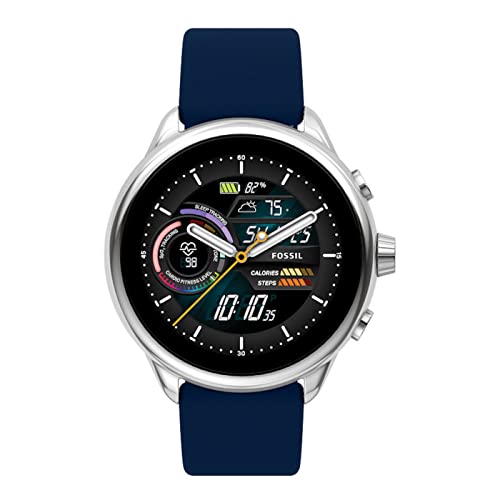
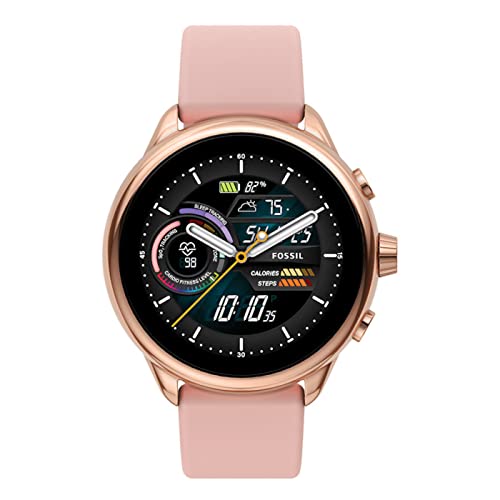
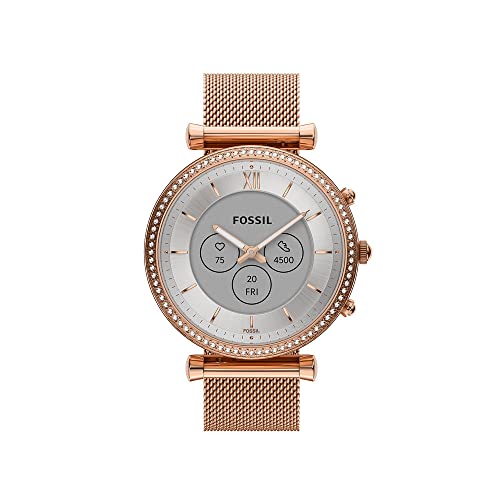
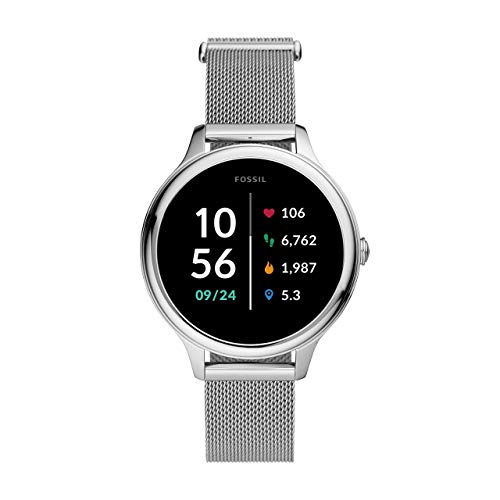
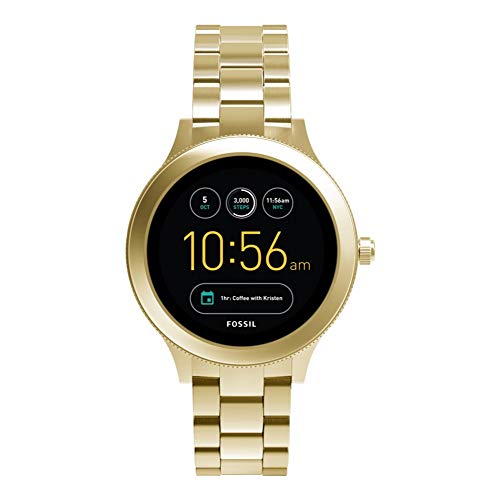
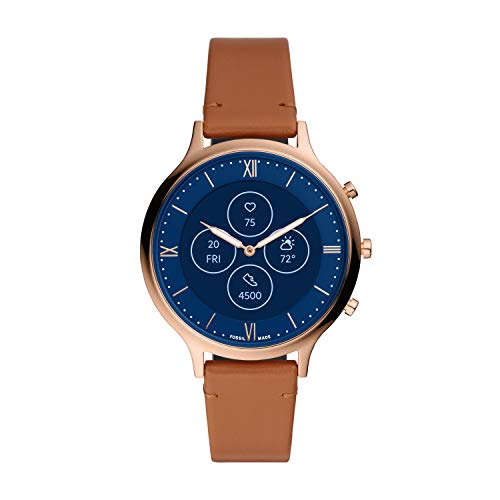
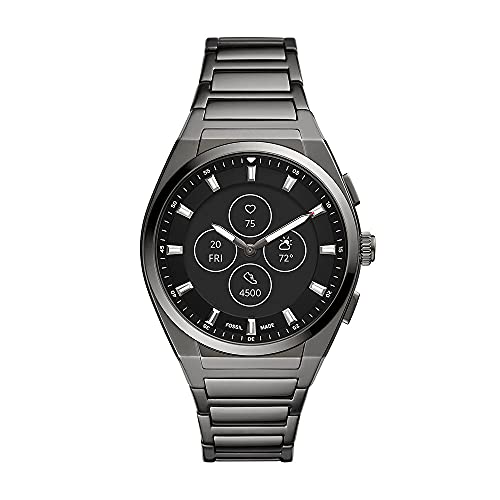
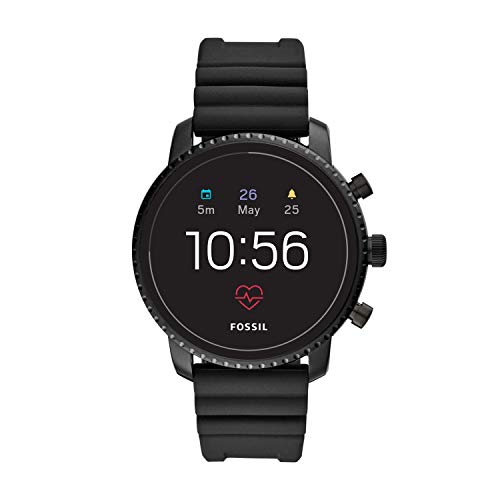
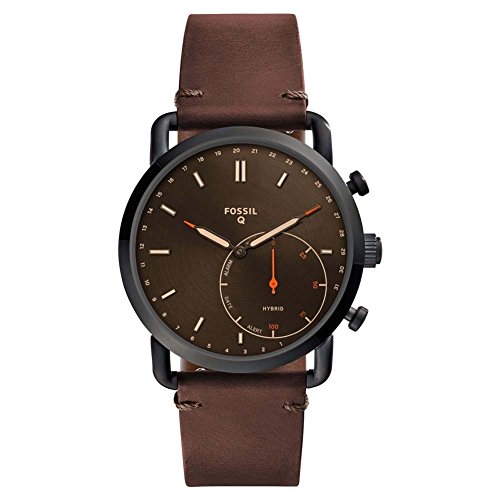
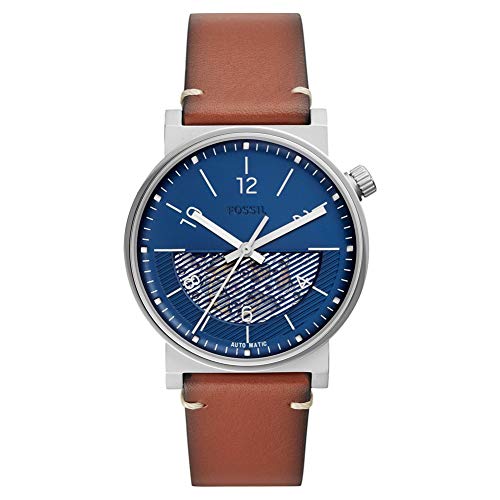
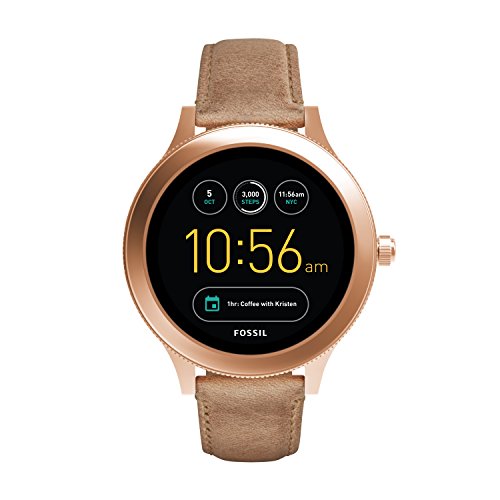
Are Fossil smartwatches good?
Fossil smartwatches have an average overall score of [shortcode-06596680037986292087123157579370771817124212527864], ranking #[shortcode-01754355284884318128123030691162034130494075113206] among all smartwatch brands, and a user rating of [shortcode-11423648003148244517078784923418147168521756964595], placing them at #[shortcode-05869511261974706576174726413099843946291995981048] based on user reviews.
Fossil smartwatches are generally considered good if you want a balance between traditional watch design and modern smartwatch features.
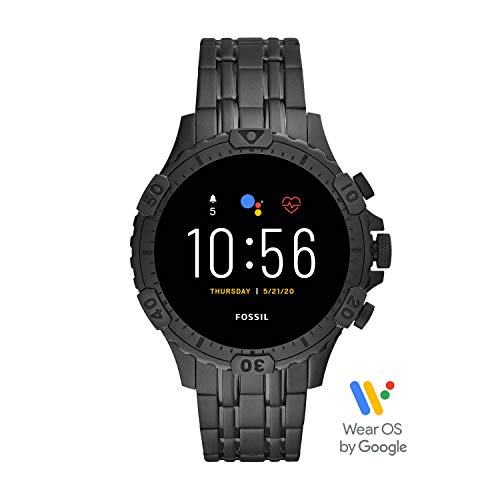
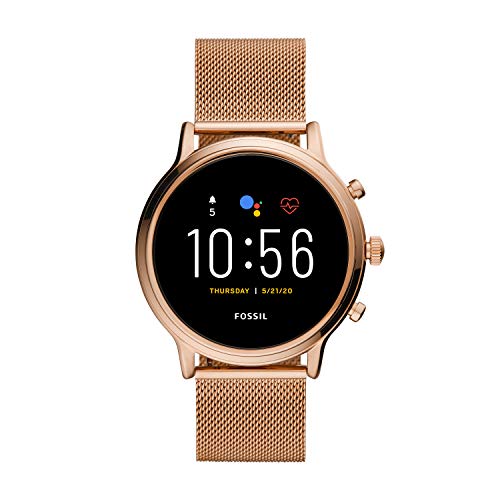
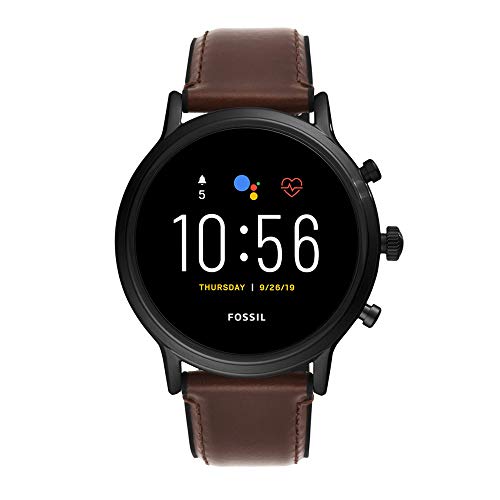
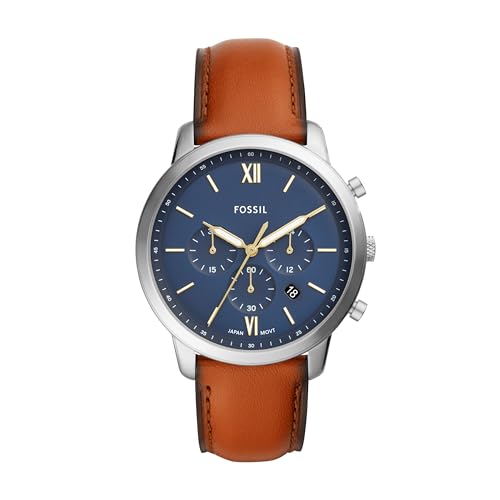
They’re known for stylish builds, often resembling classic analog watches rather than bulky tech gadgets, which appeals to people who care about aesthetics. Many models run on Google’s Wear OS, so you get access to apps, Google Assistant, fitness tracking, and notification syncing. The hardware tends to feel premium, with stainless steel casings, interchangeable bands, and AMOLED displays that make them look and feel more like fashion accessories than just gadgets.
That said, Fossil smartwatches aren’t always the strongest performers compared to brands like Apple, Samsung, or Garmin. Battery life is often only about a day or two, meaning you’ll be charging frequently, and performance can sometimes lag due to mid-range chipsets. Fitness tracking is decent but not as advanced as what you’d find on dedicated fitness brands.
(Note: A total of [shortcode-14661770756085064892067463167598775618980189591735] brands were evaluated in the comparison in the first paragraph. Only those with at least 5 smartwatches in our database were included.)
The best Fossil smartwatch models are as follows:
- [shortcode-01279453852793112967036808516426236340022362343171] (Overall score: [shortcode-07545831297590066928138347460221103163670974702695])
- [shortcode-02066546749711567837035317549946724988500043985073] (Overall score: [shortcode-03627029114959668370026222797366635444242463433358])
- [shortcode-05204282646570362439004462746238470389631643147090] (Overall score: [shortcode-03849609364389000402006575656003160012323719444614])
[horizontal-chart-03302773280258034273180208919870815536630019360859]
What are the main advantages of Fossil smartwatches?
The main advantages of Fossil smartwatches are the following:
- Fossil design: Fossil smartwatches stand out with stainless steel cases, interchangeable straps, and premium finishes. The models resemble traditional watches, so they appeal to those who want both style and technology.
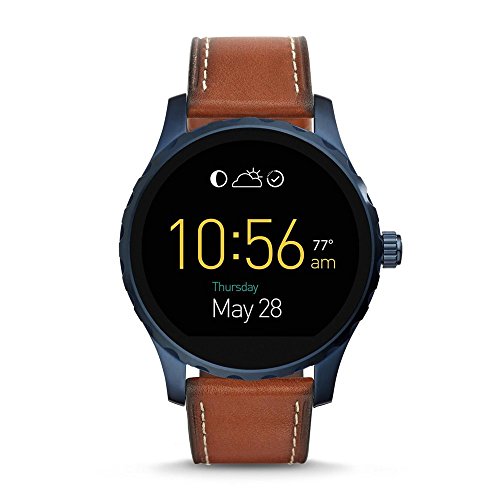
- Wear OS system: Fossil uses Google’s Wear OS which supports Google Assistant, Google Pay, and Play Store apps. Users can install third-party apps directly on the watch, which increases customization and functionality.
- Wide compatibility: Fossil watches connect with both Android (version 8.0 or higher) and iOS (version 14 or higher) smartphones. They sync calls, notifications, and apps on both platforms, so they fit mixed-device environments.
- Multiple health tracking: Fossil smartwatches track heart rate, SpO2, sleep, and activity levels. Many models include GPS for accurate distance and pace measurement, so they suit fitness users.
- Fast charging: Fossil Gen 6 models reach 80% battery in about 30 minutes. This reduces downtime since a short charge covers a full day of use.
- Custom display: Fossil watches feature customizable watch faces and AMOLED screens with always-on mode. The display brightness adapts to light conditions, which improves outdoor visibility.
What are the main disadvantages of Fossil smartwatches?
Fossil smartwatches have the following main disadvantages:
- Battery life: Most Fossil models last only about 24 hours in standard mode. Extended battery modes help but reduce functions, so the autonomy remains limited compared to rivals.
- Performance: Some users report lags with Wear OS on older generations (Gen 5 or earlier). The Snapdragon Wear 4100+ in Gen 6 improved speed, but multitasking can still feel slower than Apple or Samsung watches.
- App limitations: Although Wear OS supports apps, the ecosystem is smaller than Apple’s watchOS. Some health or productivity apps are missing or have limited functions.
- Size and weight: Fossil watches are heavier and bulkier than some competitors. With case sizes often around 44 mm, they may feel large on smaller wrists.
- Price range: Fossil watches usually cost between £170 and £260. While cheaper than Apple Watch, they compete directly with better-performing Samsung and Garmin models in the same range.

Who makes Fossil smartwatches?
Fossil smartwatches are made by Fossil Group, an American company founded in 1984 and based in Richardson, Texas.
Fossil Group designs and manufactures watches, jewelry, and accessories under its own Fossil brand and also develops licensed watches and smartwatches for brands such as Michael Kors, Diesel, Skagen, and Emporio Armani. The company entered the smartwatch market in 2015 with its Fossil Q line and later expanded into Wear OS models in collaboration with Google.
Fossil Group employs thousands of people worldwide and operates design studios in Switzerland, China, and the United States. The company is listed on NASDAQ under the ticker symbol FOSL and has long been one of the largest global watchmakers outside of Switzerland.
Although it sold part of its smartwatch technology and a segment of its R&D team to Google in 2019 for 40 million €, Fossil continues to produce and sell its own smartwatches under the Fossil brand.
How popular are Fossil smartwatches worldwide?
Fossil smartwatches have moderate global popularity, with stronger visibility in North America and selected European markets than in Asia.
Demand is supported by fashion-led design positioning and multi-brand distribution, but global share is smaller than top ecosystem-led smartwatch brands.
How much do Fossil smartwatches cost?
Fossil smartwatches cost between £130 and £300, depending on the model and features.
The brand sells both hybrid smartwatches (with traditional analog design and limited smart functions) and full touchscreen smartwatches that run on Wear OS. Hybrids are usually cheaper, often between £130 and £170, while Wear OS smartwatches with features like Google Assistant, GPS, and heart rate monitoring usually start at £220 and can reach around £300.
Prices also vary across generations and editions. Older models such as the Gen 5 are usually available at a lower cost, while the newer Gen 6 line comes at higher prices as it uses the Snapdragon Wear 4100+ processor, fast charging, and advanced health tracking.
Fossil also sells special editions under its sub-brands (Skagen, Michael Kors, Diesel) which follow the same technical base but can cost more due to premium materials and designer branding.
What are the main Fossil smartwatches series?
Fossil smartwatches are divided into the following series:
- Gen Series: This is the core smartwatch line from Fossil, which includes Gen 4, Gen 5, Gen 5E, and the latest Gen 6. These models run on Wear OS and come with features such as AMOLED displays, heart rate monitoring, GPS, Google Pay support, and Snapdragon Wear processors. The Gen 6 models introduced faster charging, improved performance, and SpO2 tracking.
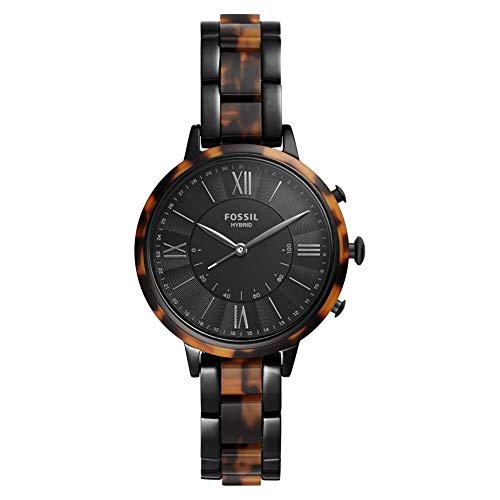
- Hybrid HR Series: This line combines classic analog watch hands with a hidden e-ink display. It supports notifications, fitness tracking, heart rate monitoring, and long battery life that can last up to two weeks. The Hybrid HR watches are designed for users who prefer a traditional look but still want smart features.
- Hybrid Gen 6 Series: This is an updated version of the Hybrid HR that integrates more advanced health features such as SpO2 monitoring, VO2 Max estimates, and sleep tracking. It keeps the same analog-digital design but improves performance and customization through the Fossil Smartwatches app.
- Fossil Sport: This lightweight series was launched with Wear OS and focused on fitness. It features GPS, a heart rate sensor, and swim-proof design. Fossil Sport runs on the Snapdragon Wear 3100 platform and targets users who want a sporty design with daily health tracking.
Which smartphones are compatible with Fossil smartwatches?
Fossil smartwatches are compatible with most Android phones and iPhones that meet the required OS versions and companion app support.
Compatibility usually covers core functions such as notifications, calls, fitness data sync, and app control, with fuller feature depth on Android in many Wear OS use cases.
Before buying, confirm phone OS requirements and app support for your model generation so setup and synchronization work smoothly.