
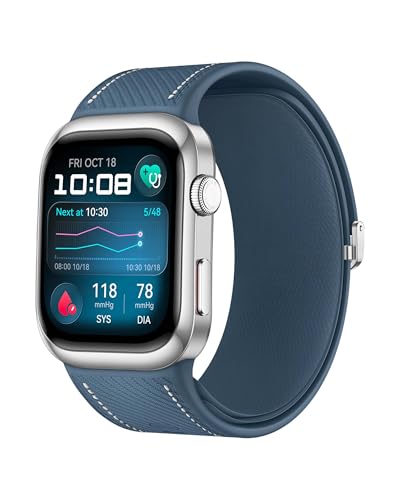
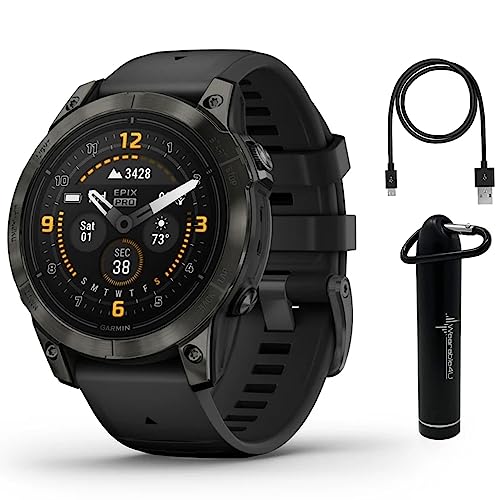
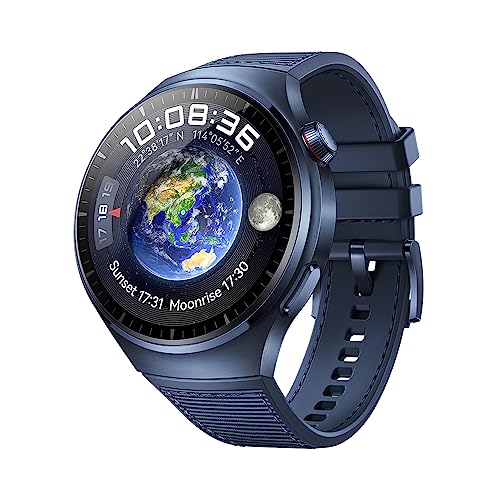
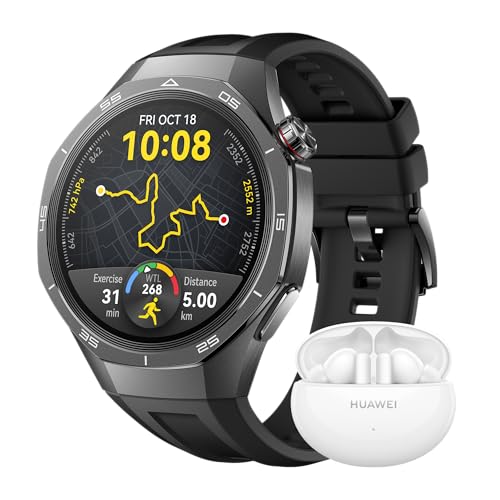
How much do the best smartwatches for iPhone cost?
The best smartwatches for iPhone cost between £220 and £800 depending on the model you choose and the features you want.
Entry-level models such as the Apple Watch SE sit around 250–£260 and give you the basics like notifications, health tracking, and seamless integration with your iPhone. If you go for the Apple Watch Series 9, you usually pay around 400–£430 because it adds a brighter display, faster chip, and more advanced health features.
At the high end, the Apple Watch Ultra 2 costs about £800 and targets users who want a rugged design, extra durability, dual-frequency GPS, and extended battery life. It is best suited for outdoor activities and sports in demanding conditions.
Can any smartwatch work with an iPhone?
Not every smartwatch works with an iPhone. Apple Watches connect best because they are designed for iOS and integrate directly with the Health app, messages, and notifications. You can also connect many third-party smartwatches such as Garmin, Fitbit, or Samsung models, but compatibility is not the same. Some features work only partly or require their own app, while functions like answering iMessages or using Apple-only apps do not sync.
When you pair a smartwatch with an iPhone, the operating system matters. Watches with watchOS (Apple Watch) give you full access to health tracking, fitness data, Apple Pay, and app notifications. Watches with Wear OS or other systems connect through their companion apps, so you get fitness tracking, call alerts, and notifications, but not full iMessage or FaceTime support.
How do I set up my new smartwatch for iPhone?
To set up your new smartwatch for iPhone, you need to connect it through Bluetooth and install the companion app (this depends on the smartwatch brand, i.e. Apple Watch uses the Watch app, while other brands use apps like Wear OS or their own custom apps).
First, switch on your smartwatch and keep it near your iPhone. Go to your iPhone’s Bluetooth settings, turn Bluetooth on, and select your smartwatch from the list of available devices.
Once the devices pair, download the right companion app from the App Store, open it, and follow the instructions on screen. The app will guide you through account login or setup, permission settings, and feature activation (notifications, fitness tracking, GPS, etc.). This process also installs updates and syncs your watch with your iPhone.
After setup, you can customize watch faces, manage app permissions, and sync health or fitness data with Apple Health if supported. Some functions depend on the smartwatch brand and compatibility with iOS, so you may not get the same features as on Android, but you will still have access to calls, messages, apps, and fitness tracking.
What to consider while choosing the best smartwatch for iPhone?
When choosing the best smartwatch for iPhone, consider the following factors:
- Compatibility: The smartwatch must work seamlessly with your iPhone's operating system. Apple Watch Series 10 and Ultra 2 offer the best integration with iOS, which allows native syncing of notifications, health data, and Apple Pay. Third-party options like Garmin Vivoactive 5 and Amazfit Active 2 also work with iPhone but with limited app ecosystem access. Android-focused watches may have restricted functionality when paired with iOS devices.
- Display: Screen technology directly affects daily usability and readability. Apple Watch Ultra 2 features a 3,000-nit OLED display that remains visible in bright sunlight. Standard Apple Watch Series 10 uses advanced OLED technology with improved brightness over previous generations. Budget alternatives like CMF Watch Pro 2 offer 1.32-inch AMOLED displays but only reach 620 nits, which can struggle in outdoor conditions.
- Battery: Power management varies significantly across smartwatch categories. Apple Watch models typically last 18-36 hours with Low Power Mode extending usage. Garmin watches like the Forerunner series can run for weeks on single charges, while budget options such as CMF Watch Pro 2 achieve 10-12 days of regular use. Sports-focused watches generally offer longer battery life than feature-rich smartwatches.
- Health and fitness tracking: Advanced sensors determine the accuracy of health monitoring capabilities. Apple Watch Series 10 and Ultra 2 include ECG readings, blood oxygen monitoring, and sleep tracking. Samsung Galaxy Watch8 adds unique features like antioxidant level measurement and AGEs index tracking. Garmin models excel at fitness-specific metrics with Training Readiness and detailed workout analysis.
- App ecosystem: Software availability affects long-term functionality and customization options. Apple Watch maintains the most comprehensive App Store with native iOS integration for services like Spotify and Google Maps. Alternative smartwatches rely on companion apps and may lack popular third-party applications. Garmin Connect and Samsung Galaxy Watch platforms offer specialized fitness apps but fewer general-purpose options.
- Durability: Construction materials and water resistance ratings determine longevity in various environments. Apple Watch Ultra 2 uses titanium casing with dive-ready features and enhanced GPS accuracy. Standard Apple Watch models feature aluminum or stainless steel construction with basic water resistance. Budget smartwatches often use plastic materials with IP68 ratings suitable for splashes but not swimming.
- Size and design: Physical dimensions and aesthetic customization affect comfort and style preferences. Apple Watch comes in multiple sizes with extensive band options and interchangeable components. Garmin Forerunner series focuses on athletic design with larger displays for outdoor visibility. Some budget options like CMF Watch Pro 2 feature interchangeable bezels but limited overall customization.