
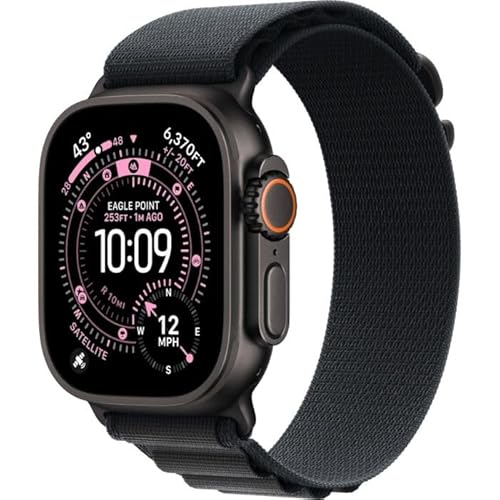
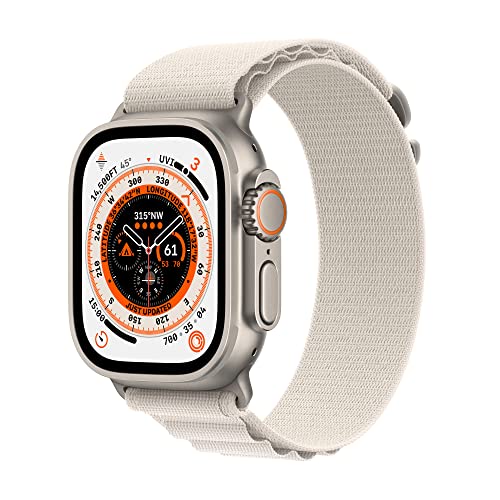
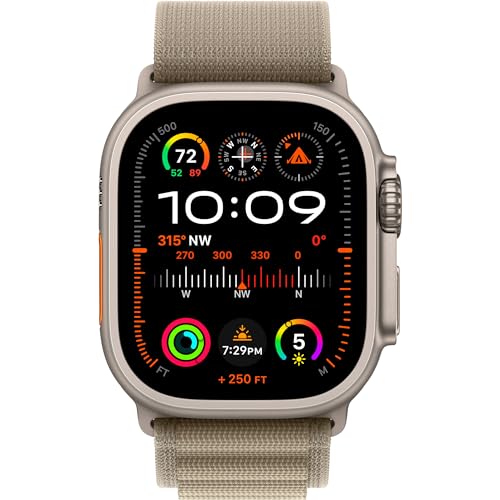
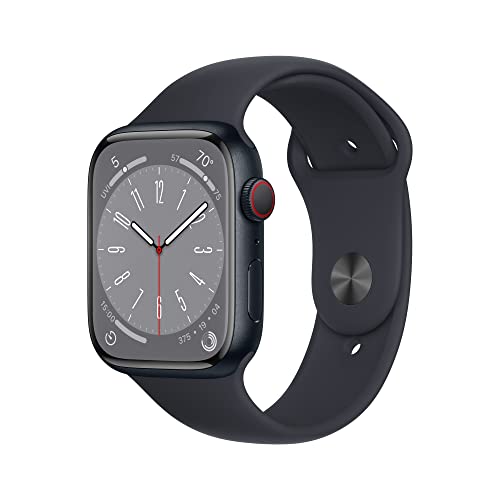
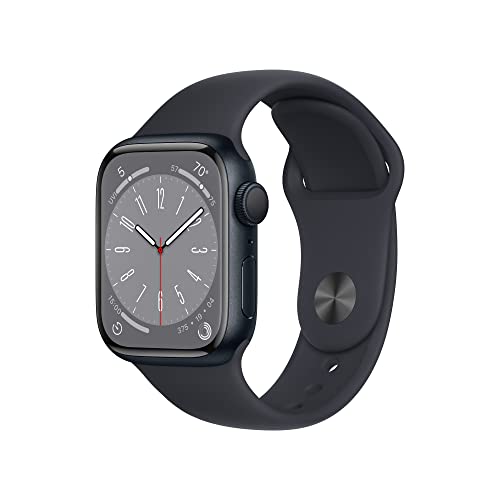
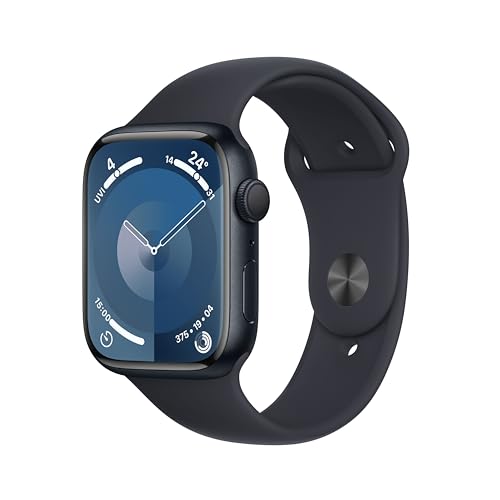
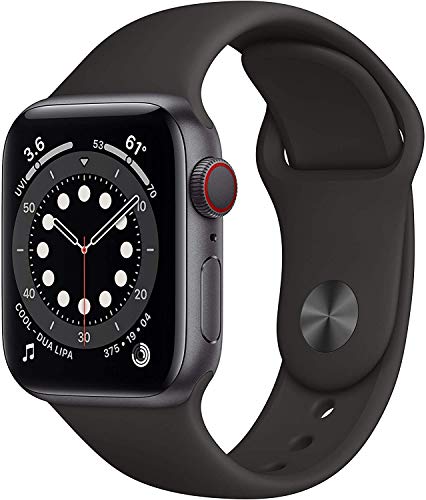
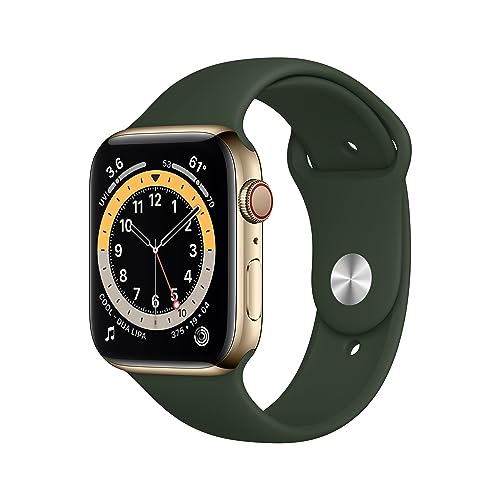
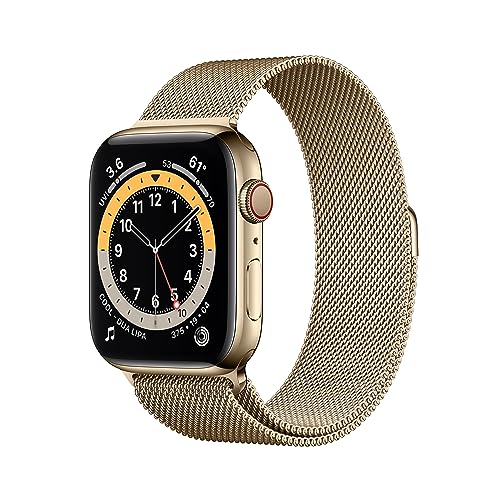
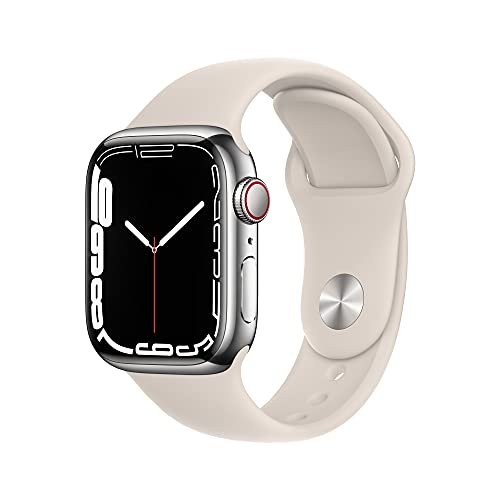
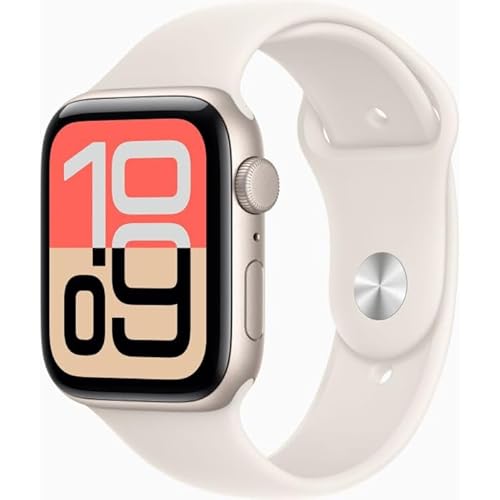
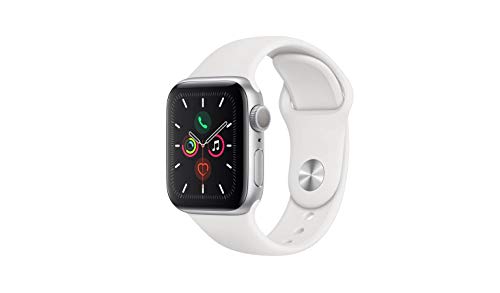


Are Apple smartwatches good?
Apple smartwatches have an average overall score of 8.3, ranking #5 among all smartwatch brands, and a user rating of 9.5, placing them at #1 based on user reviews.
Apple Watches are generally considered some of the best smartwatches available because of their seamless integration with the iPhone and Apple’s ecosystem.
They offer a wide range of features such as fitness and health tracking (heart rate, blood oxygen, ECG), notifications, calling, messaging, and even safety tools like fall detection. The user interface is polished, responsive, and intuitive, and the wide variety of watch faces and bands lets people customize their device to match both lifestyle and style preferences. Battery life usually lasts about a day and a half, which is decent but not the best compared to some fitness-focused alternatives.
That said, Apple Watches do have trade-offs. They’re only fully compatible with iPhones, so Android users can’t take advantage of them. The cost is also relatively high compared to other smartwatches and fitness trackers, especially when you consider additional expenses like bands or cellular models.
(Note: A total of 40 brands were evaluated in the comparison in the first paragraph. Only those with at least 5 smartwatches in our database were included.)
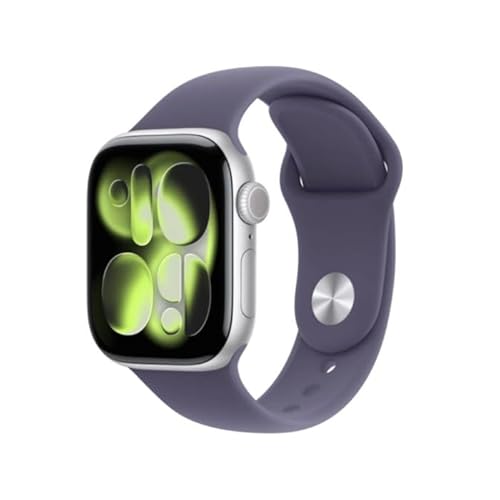
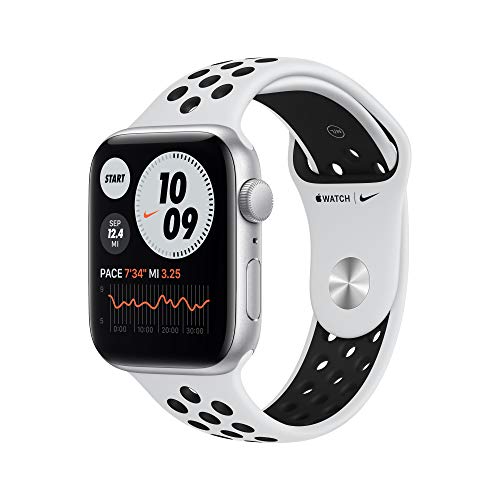
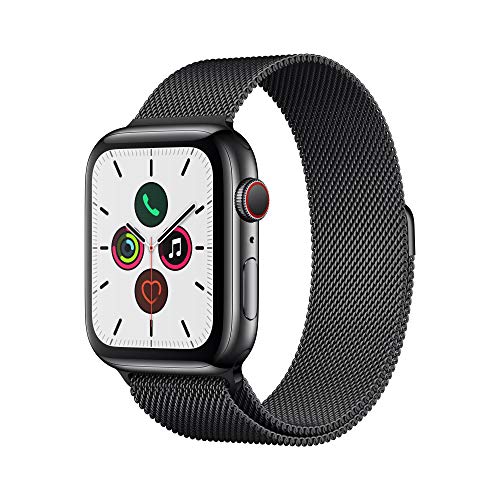
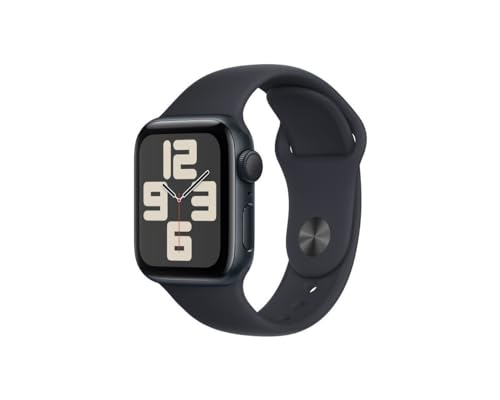
The best Apple smartwatch models are as follows:
- Apple Watch Series 11 Overall score: 8.38
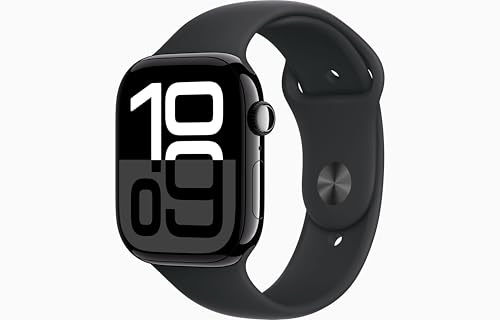
- Apple Watch Series 10 42mm Overall score: 8.36
- Apple Watch Series 10 46mm Overall score: 8.36
The chart below ranks smartwatch brands by average overall score.
[horizontal-chart-03302773280258034273180208919870815536630019360859]What are the main advantages of Apple smartwatches?
The main advantages of Apple smartwatches are as follows:
- Apple ecosystem integration: Apple smartwatches connect seamlessly with iPhones and other Apple devices. Features like iMessage, Apple Pay, and Siri run natively, so the watch acts as an extension of the phone with no setup complexity.
- Advanced health tracking: They measure heart rate, blood oxygen, and ECG with high accuracy. The sensors detect irregular rhythms and can store detailed health reports, which is valuable for long-term health monitoring.
- App selection: With watchOS, Apple smartwatches support thousands of third-party apps. Fitness apps, navigation tools, and productivity apps expand functions far beyond standard health tracking.
- Display technology: Apple uses Retina OLED displays with brightness up to 2000 nits on the latest models. This ensures visibility in direct sunlight and smooth graphics with sharp details.
- Performance and speed: Apple’s custom S-series chips give higher processing power compared to many rivals. Apps open instantly and multitasking feels smooth, which is noticeable compared to mid-range smartwatches.
- Build quality and design: Apple smartwatches use premium materials such as stainless steel, titanium, or ceramic. They combine durability with a clean design that fits both casual and formal wear.
- Software updates: Apple provides regular watchOS updates for many years. Even older models receive new features and security patches, so the watch stays usable longer.
What are the main disadvantages of Apple smartwatches?
The disadvantages of Apple smartwatches can be described as follows:
- High price: Apple smartwatches often start from £260 and can exceed £700, so they are more expensive than most competitors.
- Limited battery life: Most models last around 18 to 24 hours, so daily charging is required, which is less than some rivals that last several days.
- iPhone dependency: Full functionality requires an iPhone, and Android compatibility is absent, which limits the user base.
- Lack of circular design: Apple smartwatches use only a rectangular form factor, while some users prefer a classic round watch look.
- No native support for advanced sports metrics: Although they track fitness well, they lack some specialized training tools found in brands like Garmin or Polar.