
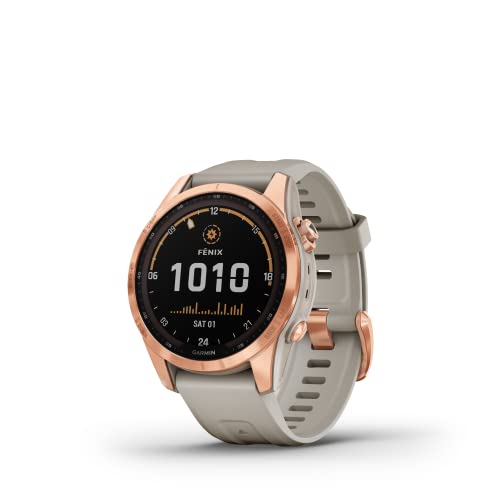


Are Garmin smartwatches good?
Garmin smartwatches have an average overall score of 8.5, ranking #3 among all smartwatch brands, and a user rating of 9.2, placing them at #3 based on user reviews.
Garmin smartwatches are good fitness-focused wearables that excel in GPS accuracy and sports tracking capabilities. The company builds these devices with robust construction and specialized sensors that track various athletic activities with precision.
Garmin watches typically feature longer battery life compared to mainstream smartwatches, often lasting several days to weeks depending on usage patterns. The devices run on Garmin's proprietary operating system which prioritizes fitness metrics and outdoor navigation over general smartphone integration.
These smartwatches target athletes and outdoor enthusiasts rather than casual users seeking comprehensive smart features. Garmin watches excel in areas like heart rate monitoring, sleep tracking, and detailed workout analysis but lack the app ecosystem and smart features found in Apple Watch or Samsung Galaxy Watch devices.
(Note: A total of 40 brands were evaluated in the comparison in the first paragraph. Only those with at least 5 smartwatches in our database were included.)
The best Garmin smartwatch models are as follows:
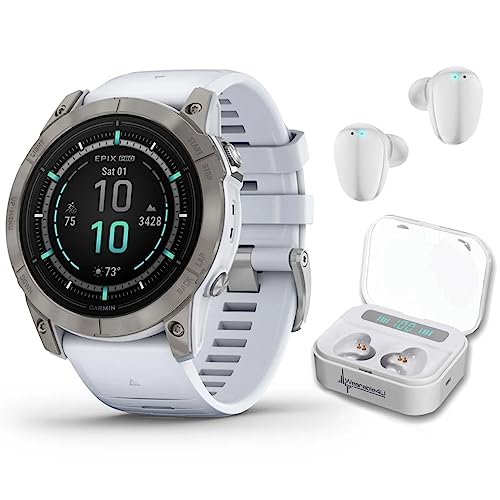
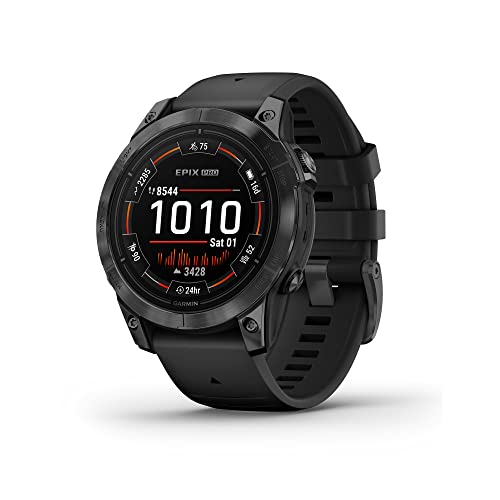
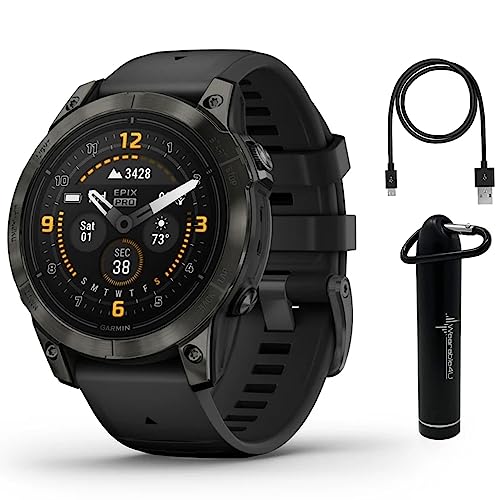
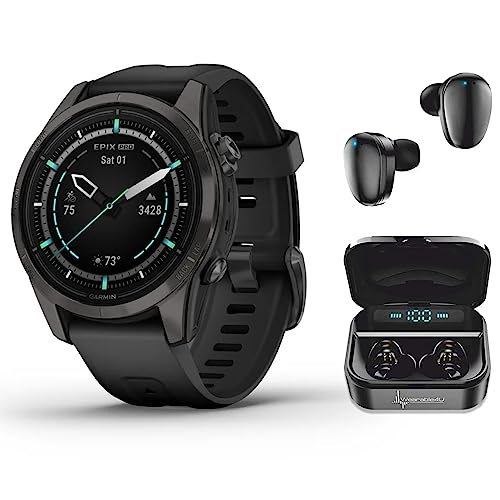
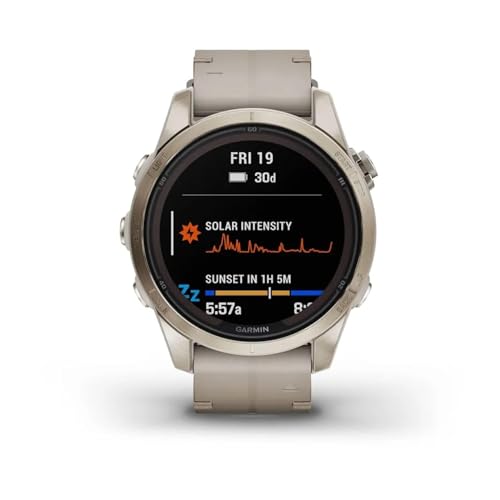
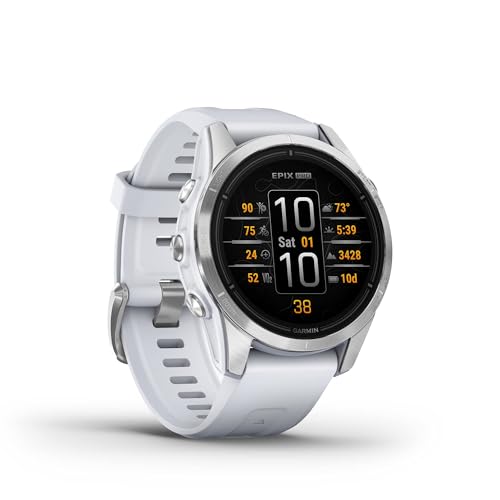
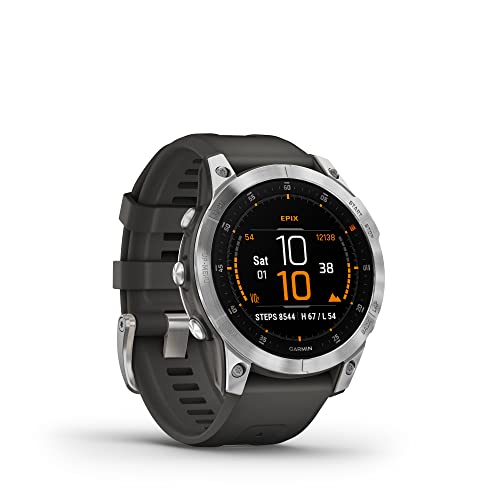
- Garmin Epix Pro Gen 2 Sapphire 51mm Overall score: 8.64
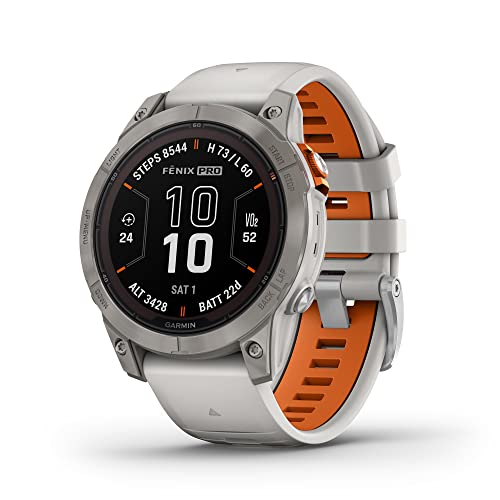
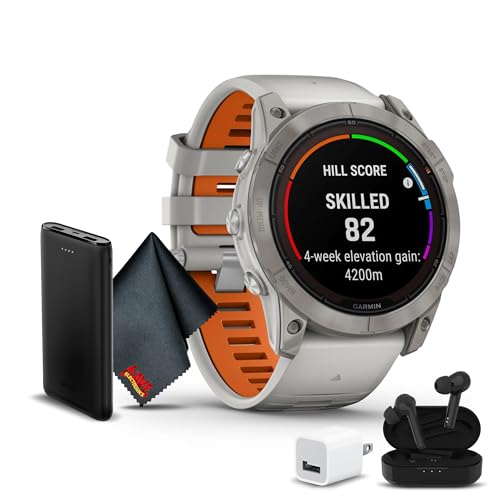
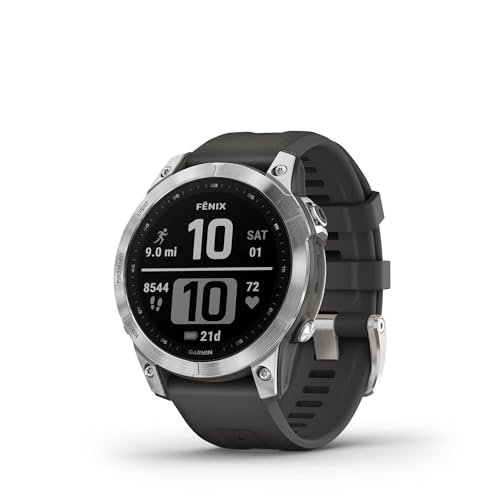
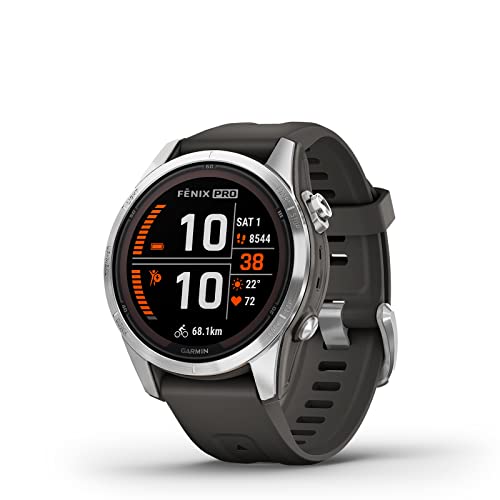
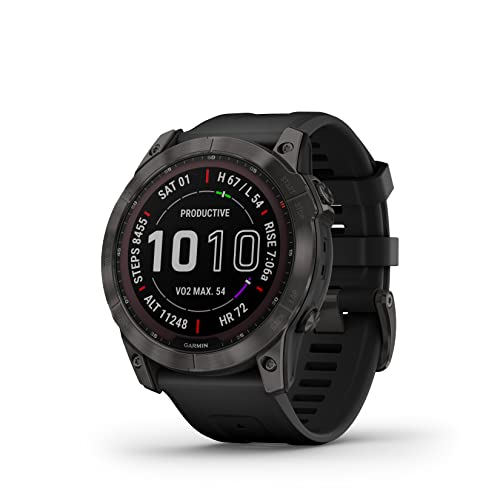
- Garmin Fenix 7 Pro Sapphire Solar Overall score: 8.56
- Garmin Fenix 7X Pro Solar Overall score: 8.56
The chart below ranks smartwatch brands by average overall score.
[horizontal-chart-03302773280258034273180208919870815536630019360859]What are the main advantages of Garmin smartwatches?
The main advantages of Garmin smartwatches are as follows:
- GPS accuracy: Garmin uses multi-band GNSS in higher-end models (dual-frequency L1 + L5), which improves tracking in dense forests or urban canyons where single-band GPS loses precision. Location accuracy often stays within 1-2 meters.
- Battery life: Many Garmin models such as Fenix and Enduro last 14-30 days in smartwatch mode and 50-150 hours in GPS mode. Solar versions extend runtime by 25-40% depending on exposure.
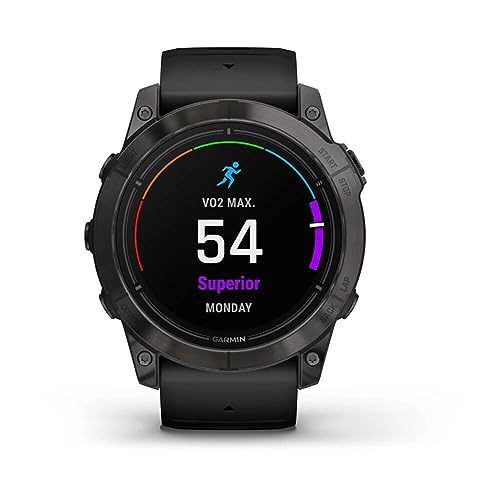
- Sport tracking: Garmin supports 60-100+ activity profiles including running, triathlon, hiking, golf, skiing, and swimming. Metrics include VO2 Max, lactate threshold, recovery time, and Training Status, which are rarely matched by other brands.
- Durability: Fenix, Instinct, and Tactix lines use fiber-reinforced polymer, titanium bezels, and sapphire lenses. They meet MIL-STD-810 for shock, heat, and water resistance. Depth rating reaches 10 ATM (100 m), which suits diving and extreme sports.
- Mapping and navigation: Selected Garmin models have full-color topo maps with turn-by-turn navigation. They support route creation, offline maps, and features like ClimbPro that show elevation details on steep ascents.
- Health monitoring: Garmin smartwatches track heart rate, SpO2, respiration, Body Battery, sleep stages, and stress levels. Advanced metrics like HRV status and recovery time give detailed insights for endurance athletes.
What are the main disadvantages of Garmin smartwatches?
Garmin smartwatches have the following main disadvantages:
- High price: Premium models such as Fenix 7X Sapphire Solar and Epix Pro cost £700-£850 or more, which puts them above most competitors.
- Bulk and weight: Rugged models weigh 70–90 g and have cases up to 51 mm, which feel heavy on smaller wrists and uncomfortable for daily casual use.
- Limited smartwatch features: Garmin supports notifications, music storage (up to 2000 songs), Garmin Pay, and basic apps, but it lacks app variety compared to Apple Watch or Wear OS.
- Display technology: Many Garmin models use transflective memory-in-pixel (MIP) screens that stay visible in sunlight but look less sharp and vibrant than AMOLED displays.
- Learning curve: With 80+ sport modes, advanced training metrics, and multiple settings, Garmin menus can overwhelm casual users who want a simpler interface.