
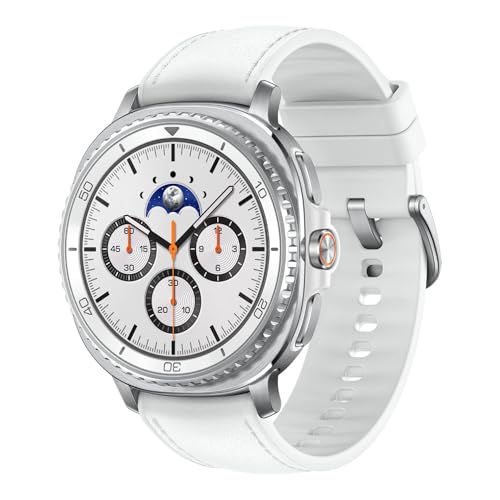
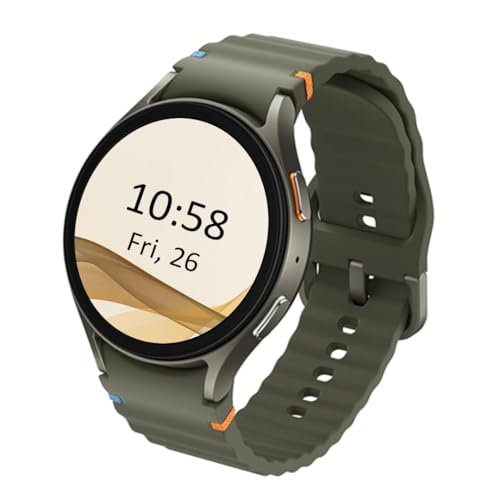
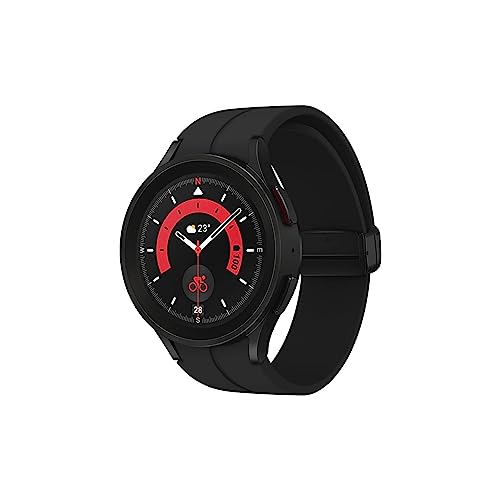
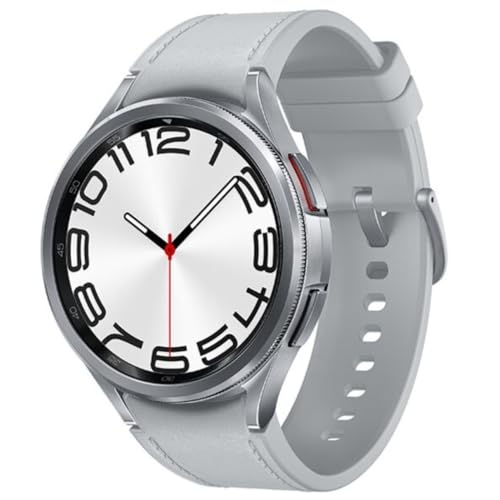
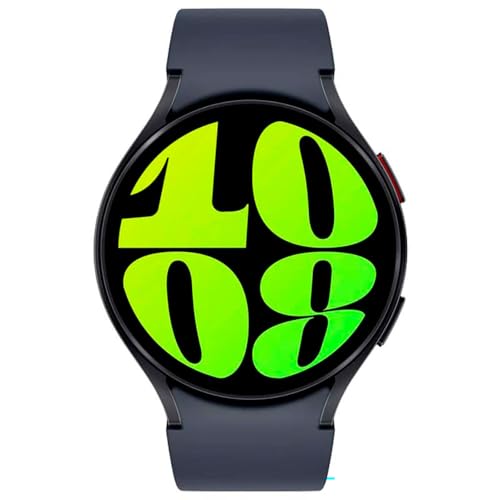
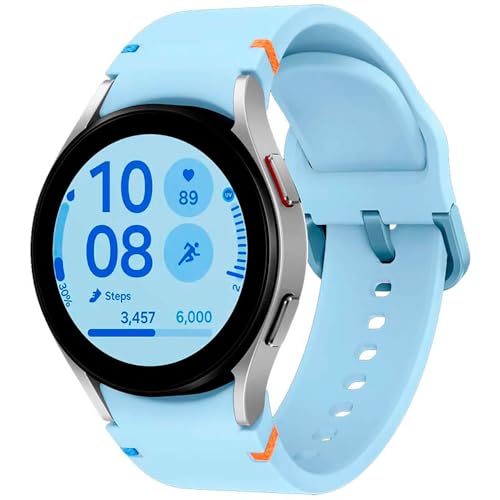
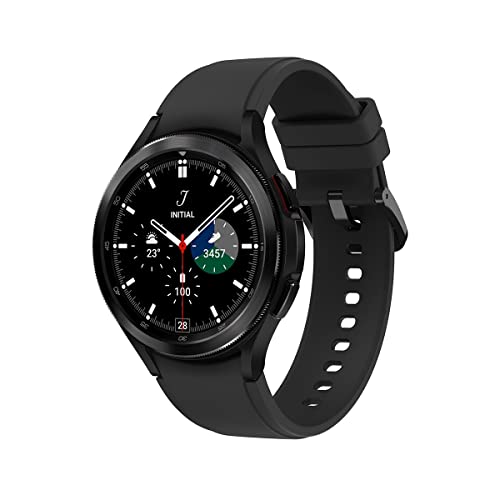
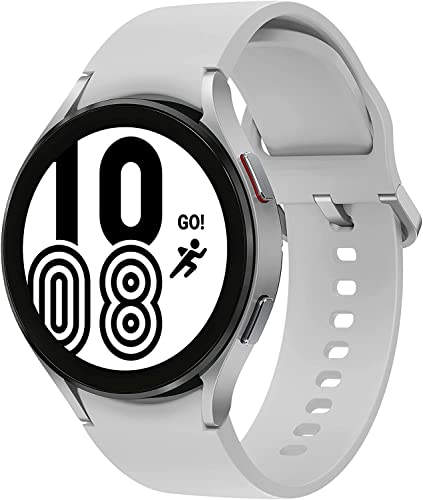
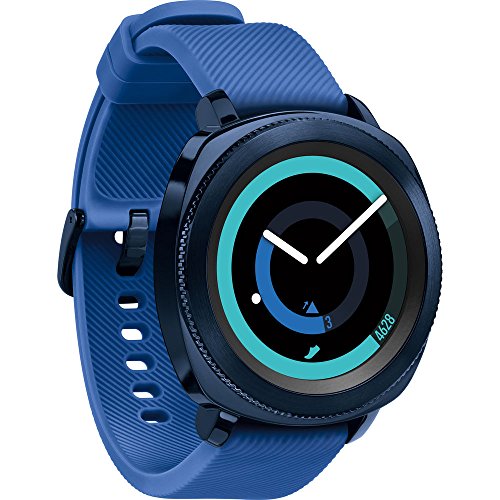
Are Samsung smartwatches good?
Samsung smartwatches have an average overall score of [shortcode-06292836816688769536029531144901784773700064739972], ranking #[shortcode-06660544187191541156130661703242694726183455863662] among all smartwatch brands, and a user rating of [shortcode-16202513397983200082132531595624391878423919752139], placing them at #[shortcode-16405745450122474090050188249815602049842592966699] based on user reviews.
Samsung smartwatches are generally considered some of the best on the market, especially if you already use a Samsung Galaxy phone or other Android devices
They typically run on Wear OS (previously Tizen for older models) and offer smooth performance, intuitive navigation, and a wide range of health and fitness tracking features like heart rate monitoring, sleep tracking, ECG, and body composition analysis. Their build quality is solid, with premium materials, rotating bezels (on some models) for easy navigation, and bright, high-resolution AMOLED displays that are easy to read even outdoors.
Battery life is decent but varies depending on the model and how heavily you use features like GPS or always-on display. While not quite as long-lasting as some fitness-focused wearables like Garmin watches, Samsung’s smartwatches balance functionality with style, making them suitable for both daily wear and workouts.
(Note: A total of [shortcode-14661770756085064892067463167598775618980189591735] brands were evaluated in the comparison in the first paragraph. Only those with at least 5 smartwatches in our database were included.)
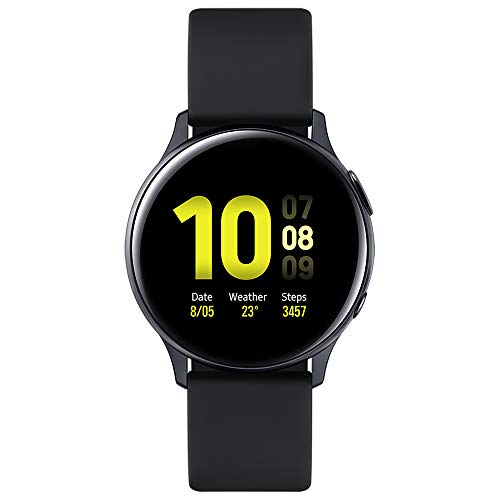
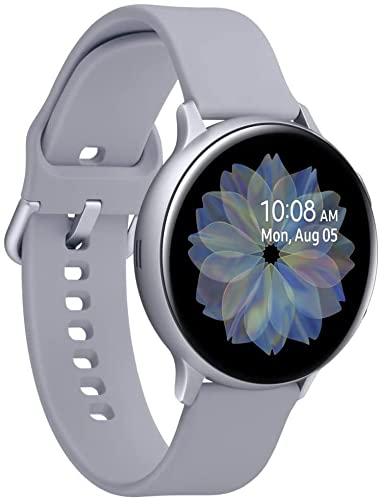
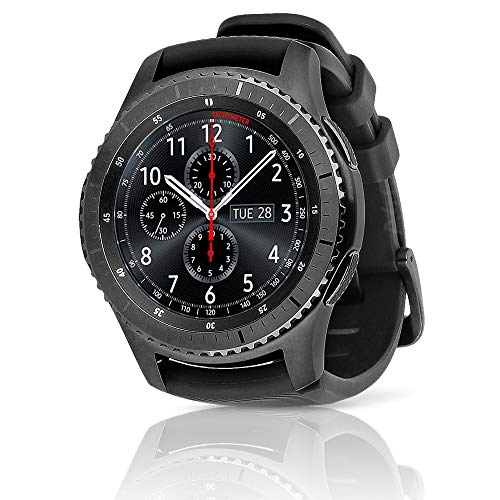
The best Samsung smartwatch models are as follows:
- [shortcode-18003893532832494304113705609812968274384288732845] (Overall score: [shortcode-13838618104529898149108187660981488903382448250192])
- [shortcode-07586975660712485235123233720298482127070797999358] (Overall score: [shortcode-16782812427620626320008095153869999944142403480466])
- [shortcode-08744014829754828437135826084676816828241038293289] (Overall score: [shortcode-05851572246936874437047045773153683793033287354551])
[horizontal-chart-03302773280258034273180208919870815536630019360859]
What are the main advantages of Samsung smartwatches?
The main advantages of Samsung smartwatches are as follows:
- Display quality: Samsung uses AMOLED screens with high resolution (up to 450 x 450 pixels) and brightness above 1,000 nits, so the screen remains clear even under direct sunlight. Always-On Display keeps time and stats visible without activating the screen.
- Health tracking: They track ECG, blood pressure, heart rate, SpO₂, sleep stages, and stress levels with high precision. ECG and blood pressure functions work with calibration, which makes the data more accurate than standard sensors.
- Fitness features: They support more than 90 workout modes, track VO₂ max, and give advanced running metrics like asymmetry, contact time, and vertical oscillation. Automatic detection starts workouts such as walking, cycling, or swimming after just a few minutes.
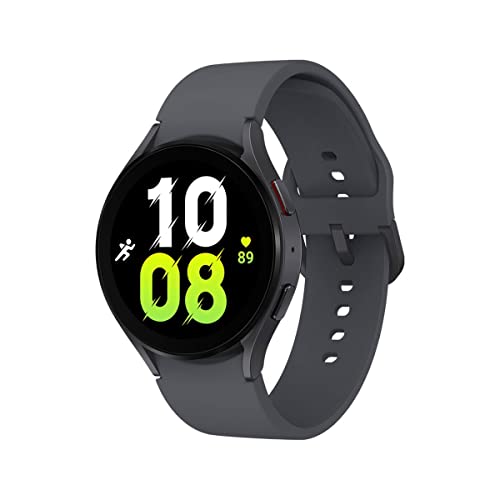
- Battery and charging: Models like the Galaxy Watch5 Pro reach up to 80 hours of use, while standard models last around 40 hours. Fast charging adds about 45% in 30 minutes, so users avoid long waiting times.
- Durability: Samsung smartwatches come with 5ATM water resistance and MIL-STD-810H certification, which means they withstand swimming, shocks, dust, and extreme temperatures. Sapphire crystal glass protects the screen against scratches.
- Connectivity: They run on Wear OS with Samsung’s One UI Watch, so they support Google apps, contactless payments via Samsung Pay and Google Wallet, and app downloads directly from Google Play. LTE versions support calls and data without a phone.
What are the main disadvantages of Samsung smartwatches?
The disadvantages of Samsung smartwatches are the following:
- Battery life: Even the Pro model with 80 hours still performs worse than some competitors that last up to 2 weeks.
- Compatibility: Full health functions such as ECG and blood pressure work only with Samsung smartphones, while some features remain limited on other Android devices.
- Size and weight: Pro models with large 45 mm cases and titanium builds feel heavy on smaller wrists.
- Price: Premium models like Galaxy Watch5 Pro reach around £340 to £430, which is higher than many competitors with similar features.
- iOS support: Samsung smartwatches do not support iPhones, so they exclude iOS users completely.

Who makes Samsung smartwatches?
Samsung smartwatches are made by Samsung Electronics, the South Korean technology company headquartered in Suwon.
Samsung entered modern smartwatch development through the Gear line and then unified the lineup under the Galaxy Watch family. Over time, the software platform evolved from earlier Samsung-led systems to current Wear OS-based models in partnership with Google.
Today Samsung positions Galaxy Watch models across mainstream, classic, and rugged-premium segments, with production and global distribution supported by Samsung’s larger mobile and consumer-electronics ecosystem.
How popular are Samsung smartwatches worldwide?
Samsung smartwatches are among the most popular worldwide, with IDC data showing about 20 million shipments in 2024 and a global market share close to 13 %, which placed Samsung in third position behind Apple and Huawei. The Galaxy Watch 6 and Galaxy Watch 6 Classic were the main drivers, while older models continued to sell in the mid-range. In Europe, Samsung held around 15 % share, in North America it reached about 20 %, and in Asia it stayed near 8 %.
How much do Samsung smartwatches cost?
Samsung smartwatches costs range from about £130 to £600 depending on the series and model. Prices vary with features, screen technology, sensors, and compatibility with other devices.
The Galaxy Watch series is the flagship line. It has premium materials, advanced health tracking, and LTE options. The price usually ranges from £260 to £600 depending on size, connectivity, and edition.
The Galaxy Watch Active series is a sport-focused line. It has a lighter design, a lower price, and a strong focus on fitness. Prices usually start around £170 and can go up to £260.
The Galaxy Fit series is an entry-level option. It focuses on activity and health basics at a much lower cost. Prices range between £45 and £130.
What are the main Samsung smartwatches series?
Samsung smartwatches come in the following series:
- Galaxy Watch series: This is the flagship line with models such as Galaxy Watch, Watch3, Watch4, Watch5, and Watch6. It has round dials, premium design, and advanced health tracking such as ECG, blood pressure, SpO2, and body composition analysis. It runs on Wear OS since Watch4 (earlier models used Tizen).
- Galaxy Watch Active series: This is a sport-oriented line with a lighter and slimmer design. It focuses on fitness features, workout tracking, and heart rate monitoring. It comes with a more minimal design compared to the classic Galaxy Watch.
- Galaxy Fit series: This is a budget line with fitness bands such as Galaxy Fit and Fit2. It tracks steps, workouts, sleep, and heart rate with a small AMOLED display. It targets users who want health functions in a compact, low-cost device.
- Galaxy Gear series: This was Samsung’s first generation of smartwatches before the Galaxy Watch branding. Models such as Gear S, Gear S2, Gear S3, and Gear Sport had rectangular and round designs with Tizen OS. These watches introduced features like a rotating bezel and standalone 3G connectivity.
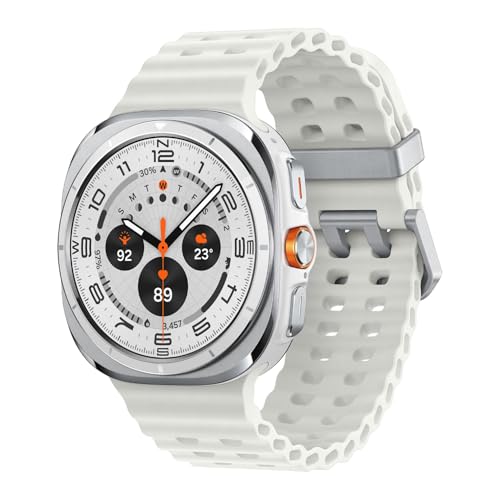
- Galaxy Watch Ultra: This is the newest premium rugged model introduced in 2024. It has a larger case, long battery life, titanium build, and advanced health and sports features. It targets outdoor and professional users with high durability.
Which smartphones are compatible with Samsung smartwatches?
Smartphones compatible with Samsung smartwatches include Android phones and iPhones, but the best experience comes with Samsung Galaxy devices. Samsung watches connect through Bluetooth and Wi-Fi, and they use the Galaxy Wearable app for setup and control.
On Android, most functions such as app notifications, calls, messages, and health tracking work fully, while on iOS the connection is more limited. For example, iPhones can pair and show notifications, but advanced features such as replying to messages or using Samsung Health integrations may not work.
Compatibility also depends on the version of Android or iOS installed. Samsung smartwatches require Android 6.0 or higher with at least 1.5 GB of RAM, and they work with iOS 10.0 or later, but some functions are reduced on Apple devices.
What should you consider while choosing the best Samsung smartwatch?
You should consider the following factors while choosing the best Samsung smartwatch.
- Design and display: Samsung Galaxy Watch series vary in size and style, with the Watch 8 Classic featuring a 46mm squircle design and rotating bezel for easier navigation. The Watch Ultra has a rugged titanium build suited for outdoor use, while the Watch 7 offers a more compact fit. Brightness reaches up to 3,000 nits on newer models like the Watch 8 for clear visibility outdoors, and sapphire crystal lenses provide durability over older series like the Watch 4.
- Battery life: The Galaxy Watch Ultra lasts up to 48 hours on a single charge due to its larger battery, outpacing the Watch 7 and Watch 8 which manage around 40-50 hours. Older models like the Watch 5 have smaller batteries at 284mAh for the 40mm version compared to 410mAh in the 44mm, leading to shorter usage. Fast charging on the Watch 5 reaches 45% in 30 minutes, and newer series improve on this for quick top-ups during sleep tracking.
- Health and fitness features: Advanced sensors in the Watch 8 include BioActive technology for accurate heart rate, sleep coaching, and new metrics like vascular load and antioxidant index. The Watch 6 introduced personalized heart rate zones and over 90 exercise modes with auto-detection, while the Watch Ultra adds extreme activity tracking. Compared to the Watch 4, the Watch 5 enhances sleep stages and adds temperature sensing for cycle tracking, and all integrate with Samsung Health for comprehensive data.
- Performance: The Exynos W1000 chipset powers the Watch 7, Watch 8, and Ultra for smooth Wear OS 5 operation and AI features like running coach. This 3nm processor outperforms the older Exynos in the Watch 5 and Watch 4, reducing lag in apps and tracking. The Watch 8 handles multitasking better than the Watch 6, and all support GPS, NFC, and Bluetooth 5.2 for reliable connectivity.
- Durability: Titanium construction on the Watch Ultra resists scratches and water up to 5ATM, ideal for swimming or hikes, unlike the aluminum bodies in the Watch 7 and Watch 8. The Watch 5 uses sapphire crystal for 60% harder displays than the Watch 4, improving scratch resistance. IP68 ratings apply across series, but the Ultra's design withstands extreme conditions better than standard models like the Watch 6.
- Storage: The Watch Ultra provides 64GB for apps and music, double the 32GB in the Watch 8 and Watch 7. Older series like the Watch 5 and Watch 4 offer only 16GB, limiting offline storage. This difference allows more offline content on newer models, and the Ultra excels for users who store large files.
- Compatibility: All Galaxy Watches pair seamlessly with Samsung devices via Bluetooth and Wi-Fi, but the Watch 8 and Ultra support LTE for independent calls. The Watch 6 integrates well with Galaxy AI for coaching, while the Watch 4 lacks some newer app syncs. GPS and GLONASS ensure accurate location tracking across series, and NFC enables payments on models like the Watch 5 and later.