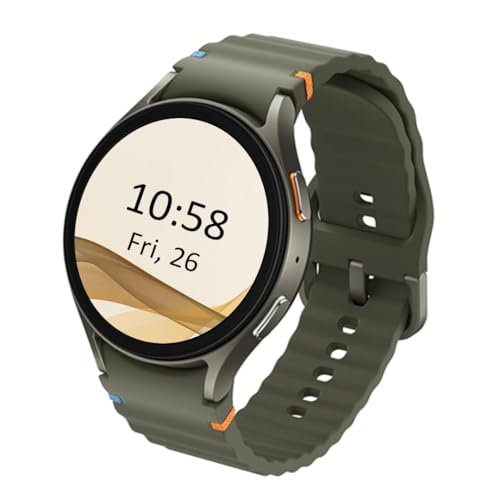
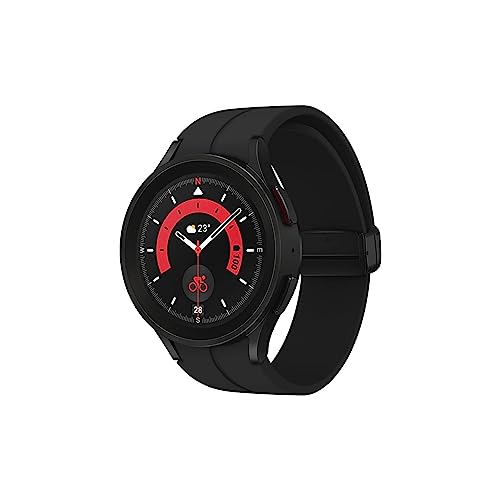
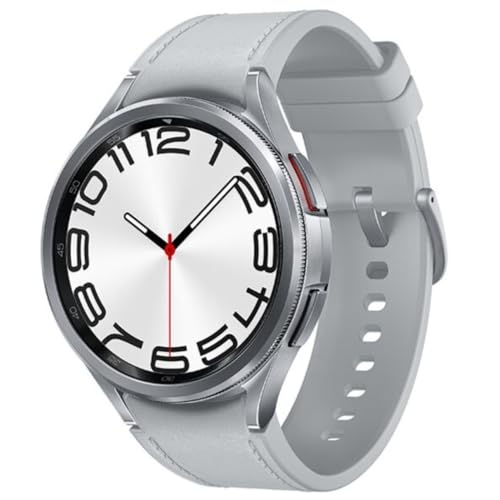
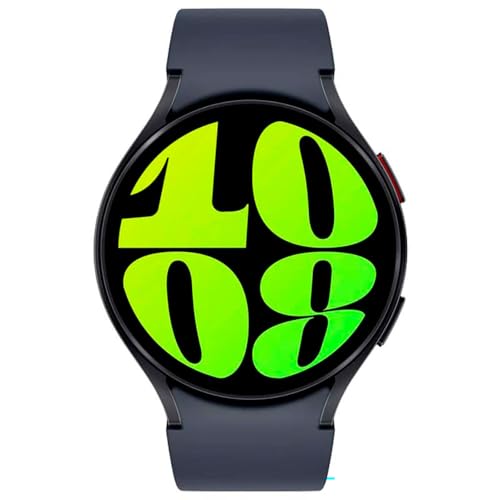
Which brands make the best smartwatches with fall detection?
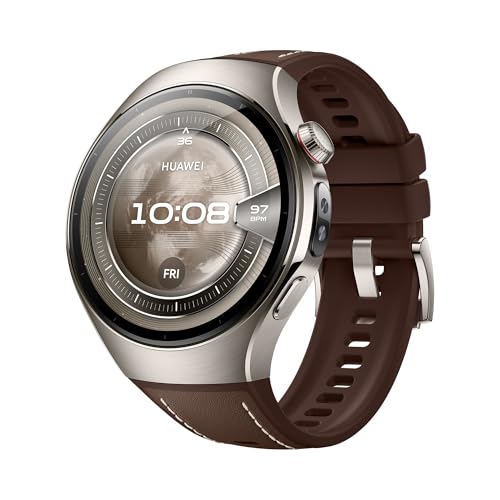
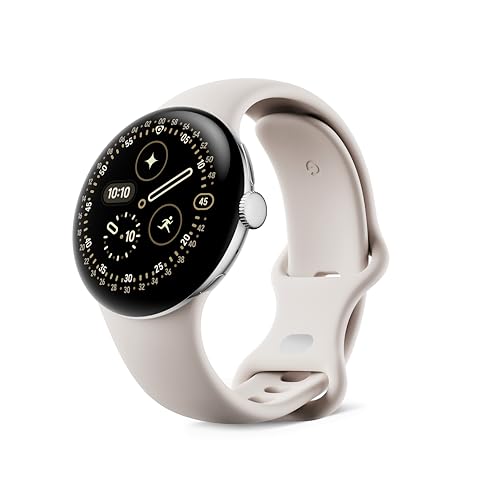
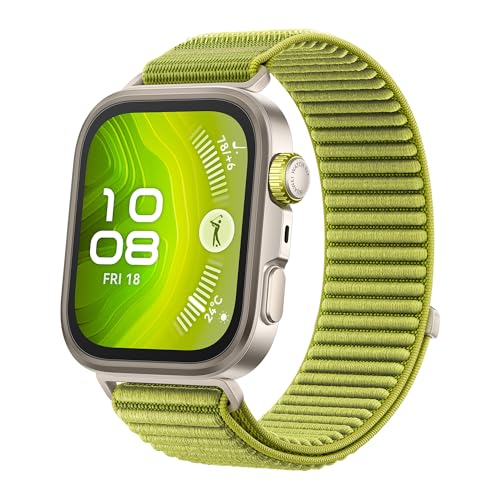
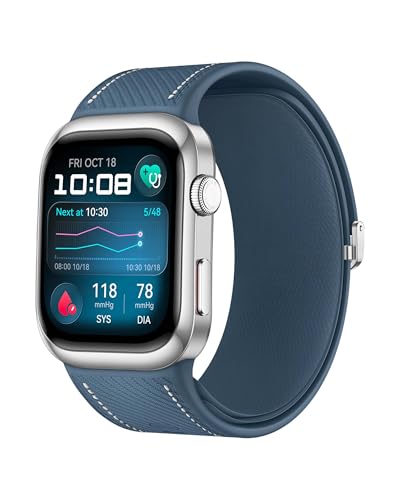
The best smartwatch brands with fall detection are as follows:
- [shortcode-08376385318164630040119448790663854960143404703238] (Average overall score: [shortcode-00736139036433118888137314764648310190172426301484])
- [shortcode-11136800512966105877080449645793220172182544933268] (Average overall score: [shortcode-13114892354365390800074874342997366577372593659807])
- [shortcode-06862954928471849911034513842227879290692153051590] (Average overall score: [shortcode-05783857009899315739115664427673622613490348407573])
[horizontal-chart-08085271306032851777153210947175371801773568663642]
How much do smartwatches with fall detection cost?
Most smartwatches with fall detection cost about 100-£390. Better premium models can cost above 450-£700.
Typical prices are around 100-£190 for simpler models with core safety features and everyday health tracking, about 220-£390 for stronger mainstream options with better displays, sensors, and ecosystem support, and above 450-£700 for premium watches with broader safety and health stacks.
Price differences mainly come from sensor quality, ecosystem integration, connectivity options, and build materials. For most buyers, the 220-£390 range is the practical value zone.
What is a smartwatch with fall detection?
A smartwatch with fall detection is a wearable device that tracks sudden movements and detects when the user experiences a hard fall. It uses built-in sensors such as accelerometers and gyroscopes that measure speed, direction, and impact to determine if a fall has occurred. The watch then analyses the data to distinguish between a normal movement and an actual fall.
When a smartwatch detects a fall, it displays an alert on the screen and vibrates to prompt the user to respond. If the person does not react within a set period, the device automatically contacts emergency services or pre-selected contacts with the user’s location. This function is mainly used by older adults, people with health conditions, or those who engage in activities with higher risk of accidents.
Fall detection remains concentrated in higher-end smartwatches and health-focused models.
What happens when a smartwatch detects a fall?
When a smartwatch detects a fall, it triggers an automatic safety sequence. The device sends an alert on the screen with options to dismiss or call for help. If the wearer does not respond within a short countdown, the watch automatically contacts emergency services and shares the location data with them. Some models also notify pre-set emergency contacts at the same time.
The feature uses built-in motion sensors and algorithms that measure sudden impact combined with immobility. If the watch registers both, it assumes the wearer may be injured. The accuracy can vary depending on the brand and the type of fall, but the main goal is to create a rapid response in case the user cannot act.
This system is widely used in Apple, Samsung, and Garmin smartwatches, and it adds a layer of safety in everyday activities or during exercise.
How accurate is fall detection technology in smartwatches?
Fall detection on smartwatches can be very useful, but accuracy varies by brand, movement type, and wearing conditions.
In practice, better models usually balance two goals: high detection of real falls and low false alerts during normal activity. Fast arm movements, workouts, or impacts that are not falls can still trigger occasional false positives, while some slow or complex falls may be missed.
For safety-critical use, treat fall detection as a strong aid rather than a perfect guarantee, and keep emergency settings tested.
Do smartwatches with fall detection work without a phone?
Smartwatches with fall detection can work without a phone, but it depends on the model and its connectivity. Devices with built-in cellular (LTE/4G) can detect a fall and call emergency services directly from the watch. In that case, you do not need to carry a phone. Without LTE, most watches still detect the fall, but they need a paired phone nearby to place emergency calls or send alerts.
Apple Watch Series with cellular and some Samsung Galaxy Watch LTE versions can handle fall alerts independently, while Wi-Fi or Bluetooth-only models depend on the phone connection. Garmin watches detect the fall but usually rely on the phone’s connection to send emergency messages. Fitbit does not support fall detection, so the question applies more to Apple, Samsung, and Garmin devices.
What to consider while choosing the best smartwatch with fall detection?
You should consider the following factors while choosing the best smartwatch with fall detection:
- Sensor accuracy: The accelerometer and gyroscope sensors form the foundation of fall detection systems. Apple Watch Series 4 and later models use sophisticated algorithms that analyze sudden movements and distinguish between actual falls and regular activities. Samsung Galaxy Watch 7 incorporates AI-driven technology that reduces false alarms through machine learning capabilities. The Kanega Watch uses artificial intelligence that adapts to user movement patterns over time, which results in fewer false positives as the system learns.


- Response time: The speed of emergency response determines the effectiveness of fall detection systems. Samsung Galaxy Watch models trigger alarms within 60 seconds and automatically send SOS messages if users cannot respond. Apple Watch automatically calls emergency services and alerts emergency contacts when fall detection activates. The Bay Alarm Medical SOS Smartwatch responds within 15 seconds through its monitoring center with immediate operator assistance.
- Connectivity options: Different connectivity types affect the watch's ability to send alerts during emergencies. LTE variants like Samsung Galaxy Watch 7 work independently from phones and can send emergency alerts directly through cellular networks. Amazfit GTR 4 relies on Bluetooth connection with paired phones, which limits functionality when the phone is out of range. Garmin Forerunner 945 and Fenix 6 series connect through Garmin's safety app for emergency alerts during outdoor activities.
- Battery life: Extended battery life guarantees continuous fall detection monitoring without frequent charging interruptions. Amazfit GTR 4 delivers excellent battery performance that supports extended use periods. Apple Watch models require daily charging which can interrupt continuous monitoring if not managed properly. Samsung Galaxy Watch 7 improved battery life through the newer Exynos W1000 processor compared to previous generations.
- Durability: Physical robustness affects the watch's ability to withstand impacts and environmental conditions. Samsung Galaxy Watch 7 features aluminum construction with water resistance suitable for active users. Apple Watch Series 10 incorporates durable materials that protect internal sensors during falls and daily activities. Garmin models target outdoor enthusiasts with rugged construction designed for extreme conditions.
- Setup complexity: Simple configuration and operation determine user adoption and proper functionality. Samsung Galaxy Watch requires setup through the Galaxy Wearable app with straightforward Safety and Emergency settings. Amazfit GTR 4 features multiple menus and settings that can complicate initial configuration despite eventual effectiveness. Apple Watch integrates fall detection seamlessly with health apps and emergency contacts through iPhone compatibility.
- Medical alert integration: Some smartwatches connect with professional monitoring services that provide 24/7 emergency response. Bay Alarm Medical SOS Smartwatch includes full-service medical alert monitoring with trained operators and automatic emergency dispatch. Consumer smartwatches like Apple Watch and Samsung Galaxy Watch rely on personal emergency contacts rather than professional monitoring services.