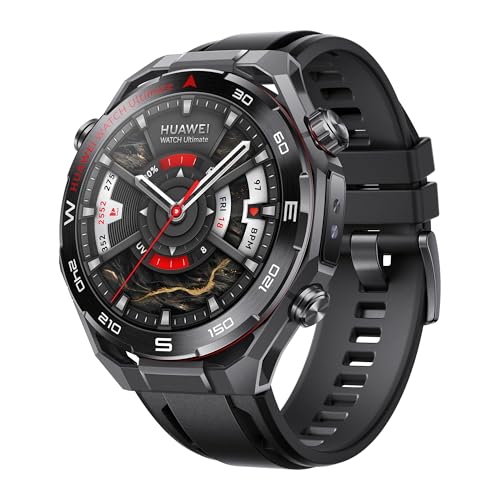
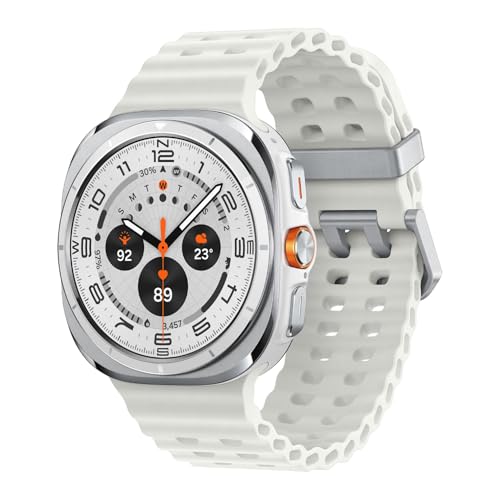
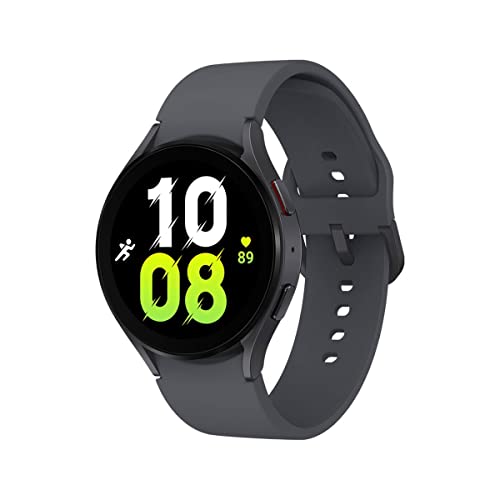
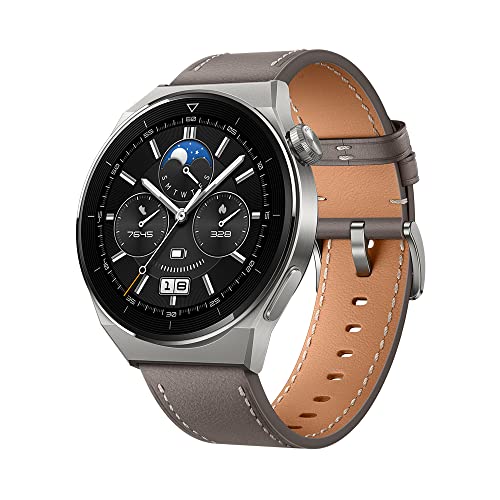
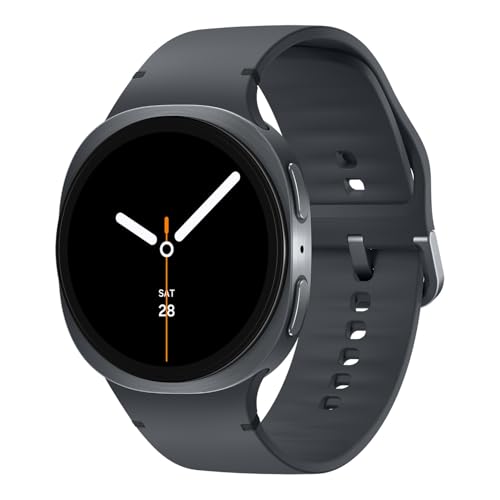
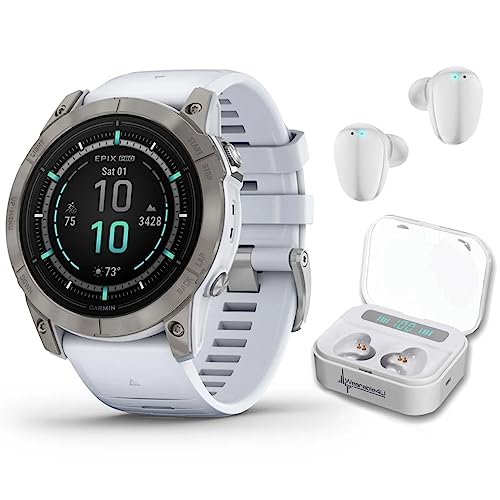
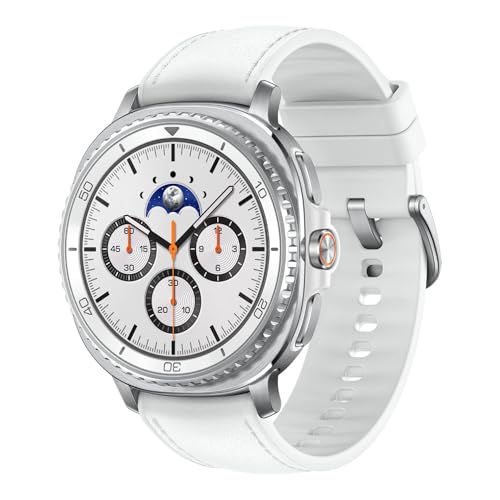
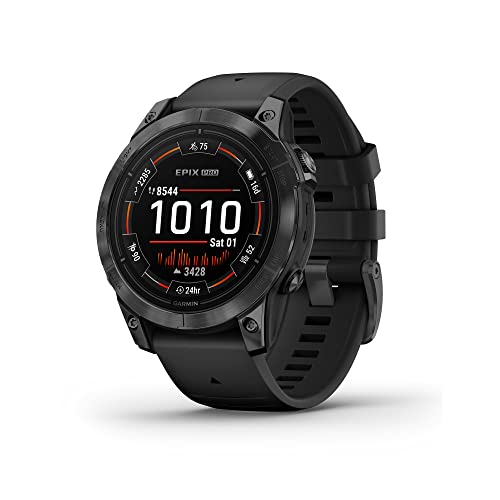
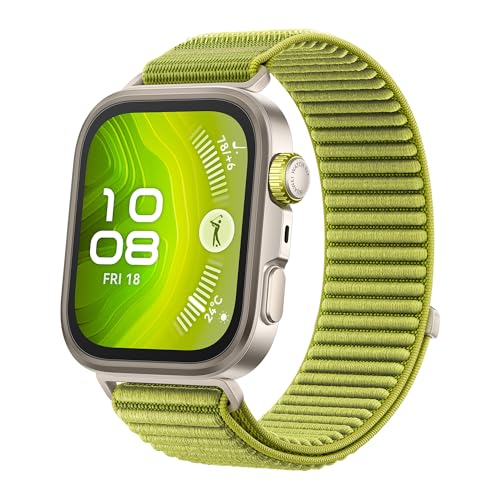
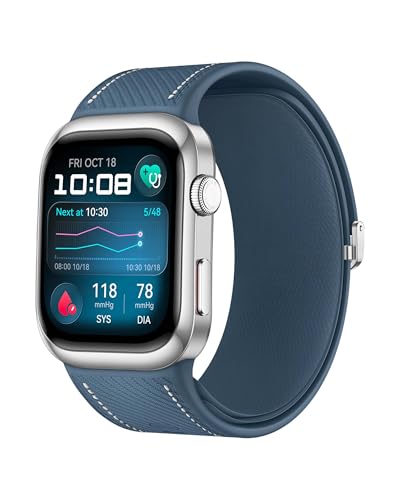
Which brands make the best smartwatches with ECG?
The best smartwatch brands with ECG technology are as follows:
- [shortcode-07431802545696602569000136164550192250392681754915] (Average overall score: [shortcode-12968032637416815075146925345265898602612600436951])
- [shortcode-17149873657436811516141613629251354286753596793231] (Average overall score: [shortcode-01668798433585725659059440387790716468202731742202])
- [shortcode-14884284986155073342061098498567034799123632141885] (Average overall score: [shortcode-06173675437333577809089243916908968673152770892886])
[horizontal-chart-01455945261014967610018068099827819875721416013989]
How much do the best smartwatches with ECG cost?
Most smartwatches with ECG cost about 100-£430. Better premium models can cost above 500-£700.
Typical prices are around 100-£220 for lower mid-range models with ECG and basic health tracking, about 250-£430 for stronger mainstream options with better displays, software, and broader sensor support, and above 500-£700 for premium watches with stronger materials, richer connectivity, and more advanced health features.
Price differences mainly come from ecosystem software, display class, materials, and the depth of health and connectivity features. For most buyers focused on ECG plus daily health tracking, the 250-£430 range is the practical value zone.
What is an ECG feature on a smartwatch?
An ECG feature on a smartwatch is a function that records the electrical activity of your heart directly from your wrist. It works like a single-lead electrocardiogram (not as detailed as the multi-lead test you get in a clinic) but it can detect irregularities in your heartbeat, such as atrial fibrillation. You usually start an ECG test by placing your finger on the crown or a specific sensor, so the watch completes a circuit between both arms, which gives a clear reading of your heart rhythm.
With this feature, you can check your heart’s electrical signals at any time and store the results in your watch or connected app. You can then review trends over time or share the data with your doctor if needed.
While it does not replace a medical test, it gives you quick access to your heart rhythm and alerts you if the smartwatch detects unusual patterns. This is why ECG on a smartwatch is seen as a practical health tool that fits into daily use.
ECG-enabled models are still concentrated in the mid-range and premium end of the smartwatch market.
How accurate are smartwatches with ECG compared to medical devices?
Smartwatches with ECG show accuracy rates between 83-98% compared to medical-grade ECG devices that achieve near 100% accuracy. Your smartwatch provides useful screening capabilities but cannot match the diagnostic precision of hospital equipment.
Recent clinical studies reveal significant performance differences between consumer smartwatches and traditional medical ECG systems. ECG-based smartwatches demonstrate pooled sensitivity of 83% and specificity of 88.4% for detecting atrial fibrillation, while some studies report accuracy ranges from 93-95% for identifying different heart conditions.
Medical-grade 12-lead ECGs maintain near-perfect accuracy since they use multiple electrodes positioned strategically across your chest and limbs to capture comprehensive electrical activity. Your smartwatch uses only single-lead technology with one or two electrodes, which limits the amount of cardiac information it can collect and reduces overall diagnostic reliability.
Which health conditions can a smartwatch with ECG detect?
A smartwatch with ECG can detect health conditions that affect your heart rhythm. The most common one is atrial fibrillation (AFib), which is an irregular heartbeat that increases your risk of stroke. The watch can also record signs of bradycardia (slow heart rate) and tachycardia (fast heart rate), which may point to other underlying heart issues.
You can use the ECG feature to capture a snapshot of your heart’s electrical activity when you feel symptoms like palpitations, dizziness, or chest discomfort. The device cannot diagnose a heart attack or other complex heart diseases, but it can flag irregular patterns that need medical review. Your recorded ECG can be shared with a doctor, who may use it to confirm if you need further testing.
Are ECG readings on a smartwatch safe?
ECG readings on a smartwatch are safe for you to use. The sensors work with a very low electrical current that does not harm your skin or your heart, and the device only records your heart’s natural electrical activity without interfering with it. You do not need to worry about side effects, as the process is passive and non-invasive.
You can record an ECG anytime by placing your finger on the crown or sensor area, which completes the circuit between the electrodes. The smartwatch then captures a single-lead ECG trace that shows your heart rhythm. This process is safe even if you repeat it often during the day, since the device does not send any energy into your body.
How often should I take an ECG reading on my smartwatch?
You should take an ECG reading on your smartwatch only when you need to check your heart rhythm, not on a fixed daily schedule. These devices are not designed for continuous monitoring, so you use them when you feel symptoms like palpitations, chest discomfort, dizziness, or irregular heartbeat. A single ECG reading can capture a brief snapshot of your heart’s electrical activity, which may help you spot atrial fibrillation or other irregularities.
If you have a medical condition that requires closer monitoring, your doctor may advise you to take more frequent readings, for example once or twice a day at set times. For most people, occasional checks are enough, since frequent use does not improve accuracy and may create unnecessary worry.
What to consider while choosing the best smartwatch with ECG?
The key things to consider while choosing the best smartwatch with ECG are as follows and the bullets cover 5–7 core factors with brief examples.
- ECG certification and validity: Check regulatory clearance for the ECG feature (FDA-cleared in the US or CE-marked in the EU), since this sets clinical use claims and feature availability (Apple Watch ECG received FDA De Novo and CE marking, Withings ScanWatch has FDA clearance, Samsung lists ECG clearance and rollouts). Brands with recognized clearance include Apple Watch Series 4–Series 10 and Ultra line, Withings ScanWatch/ScanWatch 2, Samsung Galaxy Watch 4–7 series, Fitbit Sense/Charge 6, and Pixel Watch 2-3 (region dependent).
- Measurement method: Most watches record single‑lead Lead I ECG through a finger‑on‑crown/electrode method, so look for validated rhythm classification for AFib and sinus rhythm with published sensitivity/specificity (Apple reported ~98% sensitivity for AFib and ~99% specificity for sinus rhythm in a clinical validation). Consider accessories if multi‑lead data is needed (AliveCor KardiaMobile 6L provides 6‑lead ECG, though it is not a smartwatch).
- Regional support: ECG works only in approved countries and requires specific apps and phone platforms, so check official availability lists and pairing requirements (Samsung Health Monitor ECG works only in listed countries and with Samsung phones running Android 9+, with a published country roster). Apple Watch ECG availability depends on the watchOS region rollout and CE/FDA status in the market (Apple announced EU and US availability with CE marking and FDA De Novo classification).
- Arrhythmia features: Evaluate depth of rhythm analysis beyond spot ECG, such as background irregular rhythm notifications and AFib history or burden trends (Apple supports background irregular rhythm checks and on‑demand ECG classification, documented in Apple’s clinical and healthcare briefs). Withings and Samsung also surface AFib notifications when supported in their cleared regions, so confirm feature parity in the local market.
- Health sensor suite: ECG works best with a robust sensor stack (optical HR, temperature, SpO2) and sound algorithms to correlate symptoms with events (ScanWatch literature cites accuracy in specific cardiology metrics in peer‑review, and major brands tie ECG with sleep, activity, and stress data). Google Pixel Watch 2 integrates Fitbit for heart rhythm insights, and Fitbit Sense/Charge 6 adds ECG with broader health context in the Fitbit app ecosystem.
- App ecosystem and data export: Confirm PDF export of ECG tracings, clinician‑friendly reports, and historical trend viewing, since these affect clinical conversations (Apple and Withings support ECG PDF export for sharing, and Samsung Health Monitor generates ECG reports within its app environment in supported regions). Check if the app restricts use to specific phones or regions because this affects access to reports during travel or phone changes.
- Battery life and durability for ECG use: ECG sessions draw power and need stable contact, so consider real‑world battery life and build (Apple Watch Ultra line emphasizes ruggedness, while Withings ScanWatch focuses on hybrid design with long battery life and FDA ECG clearance). Samsung Galaxy Watch 6/7 series lists larger displays and efficient processors with ECG capability, which supports frequent checks during daily wear.