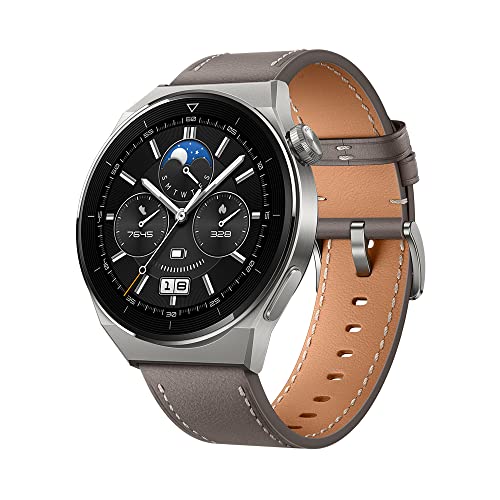
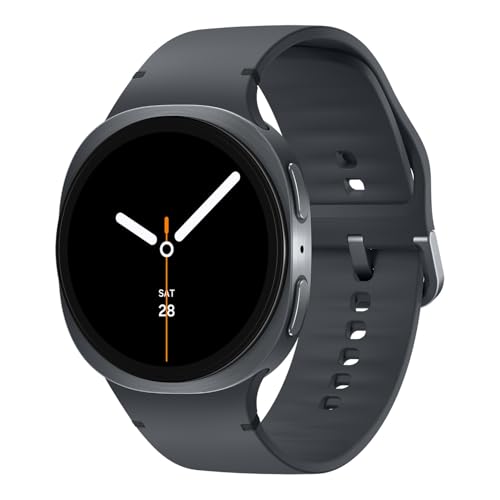
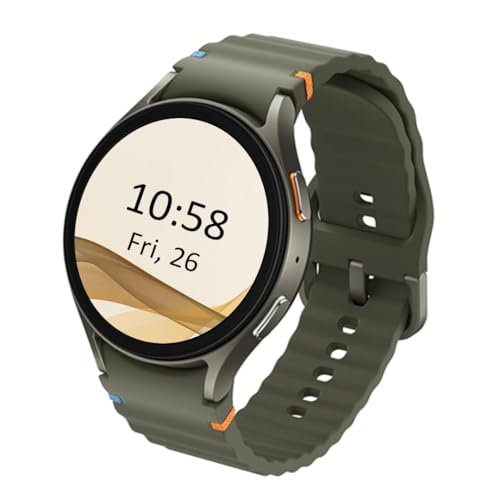
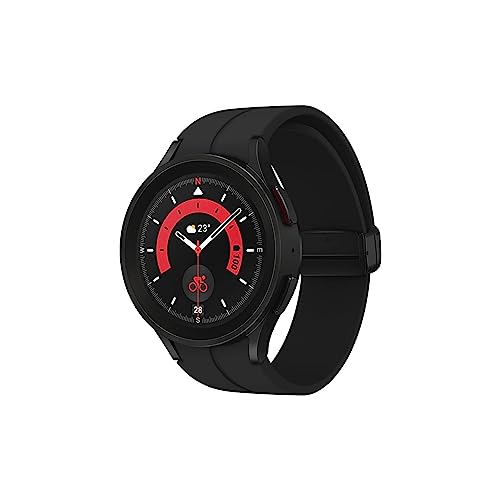
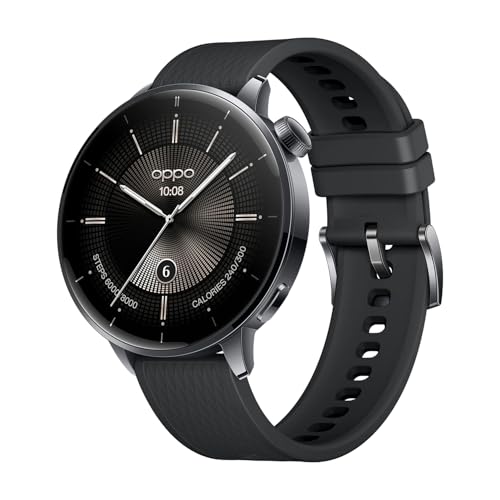
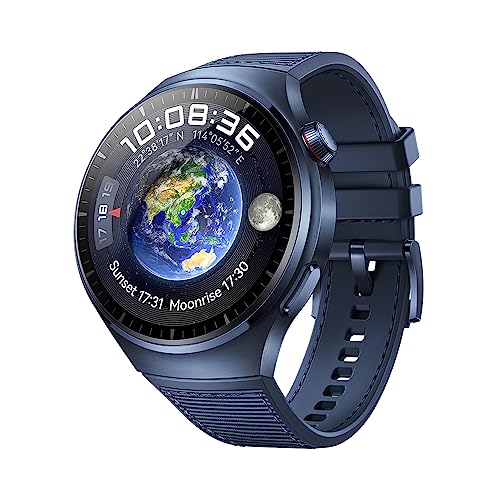
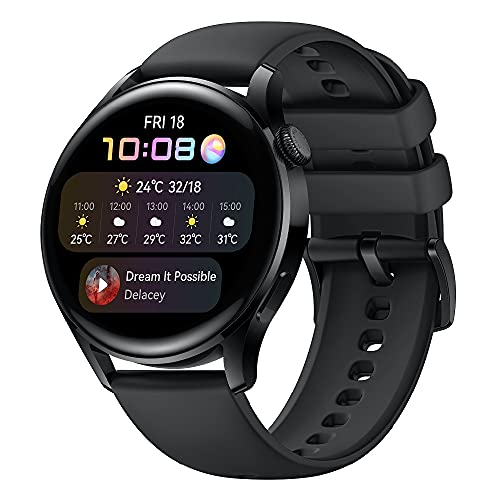
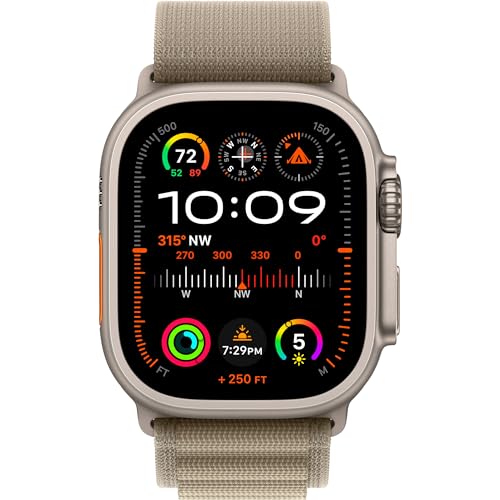
Which brands make the best smartwatches for seniors?
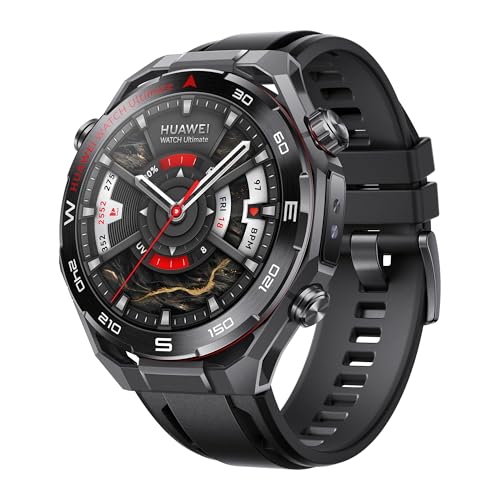
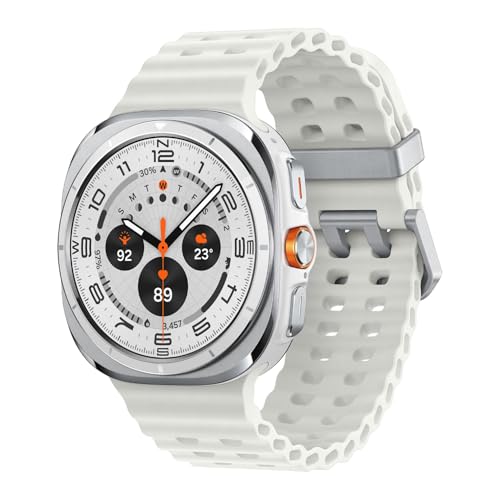
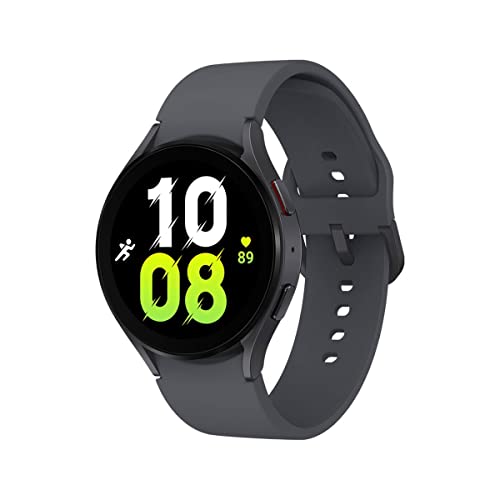
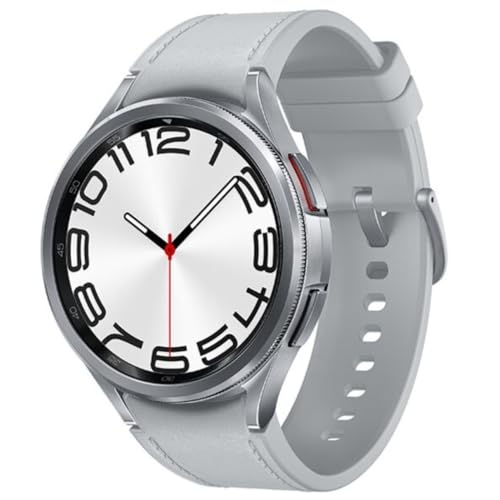
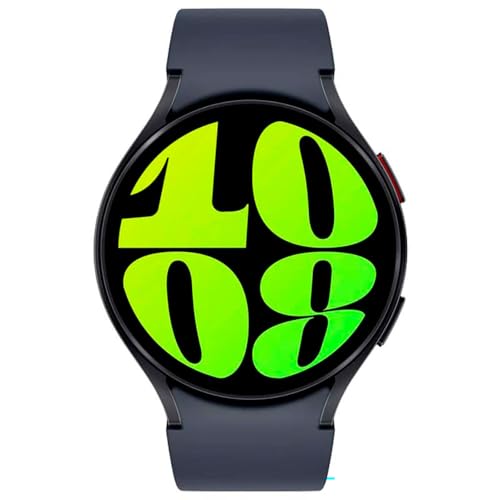
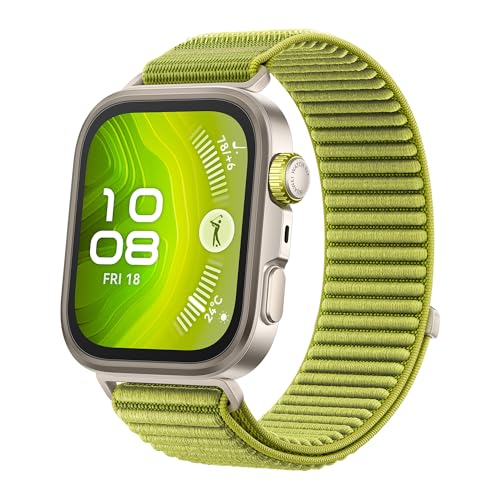
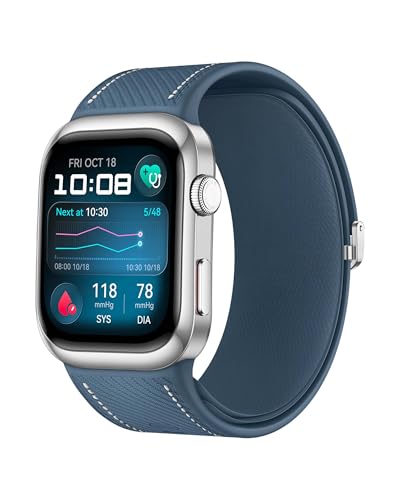
The best smartwatch brands for seniors are as follows:
- [shortcode-08376385318164630040119448790663854960143404703238] (Average overall score: [shortcode-00736139036433118888137314764648310190172426301484])
- [shortcode-11136800512966105877080449645793220172182544933268] (Average overall score: [shortcode-13114892354365390800074874342997366577372593659807])
- [shortcode-06862954928471849911034513842227879290692153051590] (Average overall score: [shortcode-05783857009899315739115664427673622613490348407573])
[horizontal-chart-08085271306032851777153210947175371801773568663642]
Who should consider buying a smartwatch for seniors?
A smartwatch for seniors is most useful for people who want simple health tracking, clearer alerts, and extra safety tools such as fall detection, SOS features, or location sharing. It is especially relevant for older users who benefit from a large display, straightforward menus, and health reminders without needing a complex sports-focused watch.
These models also make sense for family members or caregivers who want better visibility into location, emergency contact options, and daily health signals. In this category, practical safety features still matter as much as brand ranking because emergency and health tools drive the decision.
How much do the best smartwatches for seniors cost?
Smartwatches for seniors usually cost about 150-£430.
Typical prices are around 150-£190 for simpler models with large displays, easy-to-use menus, and basic health tracking, about 220-£300 for stronger options with GPS and more advanced health tools, and roughly 350-£430 for premium models with better sensors, stronger durability, and broader smartphone connectivity.
Price differences mainly come from display size, sensor quality, safety features, and ecosystem support. For most buyers, the 220-£300 range is the practical value zone.
What are smartwatches for seniors?
Smartwatches for seniors are wearable devices designed to track health, improve safety, and keep you connected. They look like regular watches but include functions that help you monitor heart rate, track steps, check sleep, and in some models even record an ECG. Many also have fall detection and emergency call features, so you or your family can get alerts if something happens.
These watches often focus on clear displays, simple navigation, and longer battery life so you do not need to recharge every day. You can use them to read notifications, answer calls, and stay in touch without pulling out your phone.
Some models track blood oxygen levels, irregular heart rhythms, and medication reminders, which adds another layer of support for daily life.
Senior-focused smartwatches are still a niche part of the market, but the segment keeps expanding as health and safety functions improve.
How do smartwatches for seniors help with health monitoring?
Smartwatches for seniors help with health monitoring in the following ways:
- Heart rate: Continuous heart-rate tracking can flag unusually high or low values and help identify patterns over time.
- ECG: ECG-capable models can capture rhythm snapshots that may support early identification of irregular rhythm events.
- Blood oxygen: SpO2 tracking provides an additional signal for respiratory and recovery context during daily monitoring.
- Sleep: Sleep metrics show duration and quality trends, helping users and caregivers spot changes in rest patterns.
- Fall alerts: Fall detection can trigger emergency workflows when a hard fall is detected and the user does not respond.
Do smartwatches for seniors have emergency features?
Yes, smartwatches for seniors have emergency features that can help you stay safe in daily life.
Many models include an SOS button that sends your location and an alert to family members or emergency services. Some watches also have fall detection, which means the watch can detect if you fall and automatically trigger a call or alert if you do not respond in time. These functions give you a direct way to get help if something happens while you are alone.
You can also set up contacts that the watch will call or message in an emergency, so you reach the right people fast. Some smartwatches track your location with GPS, which lets caregivers or family members know where you are if they need to find you.
Can smartwatches for seniors track location?
Yes, smartwatches for seniors can track location through built-in GPS and cellular connectivity. This means you can see where your watch is in real time, and some models send location data to family members or caregivers through a paired smartphone app. If you get lost or disoriented, the watch can transmit your position so others know exactly where you are.
Some smartwatches also include features like geofencing, which alerts your family if you move outside a set area, and quick SOS functions that send your location instantly during an emergency. These tools help you stay independent while keeping your loved ones updated about your whereabouts.
If you need extra safety, you can choose models with both Wi-Fi and LTE support, since they track your position more reliably indoors and outdoors.
What to consider while choosing the best smartwatch for seniors?
When choosing the best smartwatch for seniors, you should consider the following key hardware specifications and features.
- Fall detection and SOS: Look for automatic fall detection with low false alarms and a dedicated SOS button that contacts emergency services or a 24/7 monitoring center (Apple Watch Series 10/Ultra, Samsung Galaxy Watch series, Bay Alarm Medical SOS, Medical Guardian MGMove, emporiaWATCH-LTE). Apple Watch includes fall detection without an extra fee and can trigger international emergency calling, while medical alert watches such as Bay Alarm SOS connect to monitored operators and MGMove focuses on caregiver features. Some reviewers note Medical Guardian’s fall detection tested very accurately, and senior-focused devices add GPS for responders.
- Health sensors and approvals: Prioritize ECG with regulatory clearance (FDA/CE) for Afib checks, plus heart rate, SpO2, and, if needed, blood pressure support (Apple Watch Series 4–10/Ultra, Samsung Galaxy Watch 4–8/Ultra, Garmin Venu 3/Epix Pro/Forerunner lines, Fitbit Sense 2). Apple and Samsung have ECG clearance in the US and EU markets, Garmin now supports ECG on Elevate 5 devices across many regions, and Fitbit Sense 2 supports ECG with continuous rhythm assessment via PPG. Withings and Samsung also hold ECG approvals per recent reports.
- Battery life and charging ease: Aim for multi-day battery when possible because frequent charging reduces adherence (medical alert watches and Garmin/selected fitness-first models tend to last longer than full-feature smartwatches). Apple Watch can extend to roughly 36 hours in Low Power Mode, while senior-focused models and GPS/SOS watches often advertise longer runtimes and simpler docks. Long battery life pairs well with SOS/GPS for continuous protection.
- Connectivity and coverage: Choose LTE/cellular for standalone calling, GPS/Wi‑Fi location for emergencies, and wide regional support for features like ECG and SOS (Apple Watch with cellular, Samsung LTE models, emporiaWATCH-LTE, Bay Alarm Medical SOS). Apple’s emergency features work internationally on supported models, Samsung’s Health Monitor and ECG operate across many EU countries and the US, and senior-focused LTE watches add geofencing and direct 112 dialing in Europe.
- Ease of use and interface: Favor large, bright displays, simple menus, and caregiver portals or companion apps that simplify setup and remote support (MGMove caregiver portal, Bay Alarm Medical setup flow, emporiaAPP management). Senior-centric designs use big icons and streamlined controls; some devices arrive preconfigured for quick activation and fast operator connection during SOS tests.
- Durability and comfort: Seek water resistance and sturdy cases that tolerate daily wear, plus comfortable bands for all‑day use (Apple Watch and Samsung lines with swim resistance, senior-targeted watches with robust housings). Senior-focused models highlight waterproofing and tough casings, which help in continuous wear for health and safety features.
- Ecosystem and extras: Consider platform fit and added safety/health tools like medication reminders, irregular rhythm notifications, sleep tracking, and caregiver location sharing (Apple Health, Samsung Health Monitor, Bay Alarm Medical medication reminders, MGMove activity and alerts). Platform and app support impact data sharing with clinicians and family, and reviewers consistently cite Apple Watch for advanced fitness and health features valued by older users.