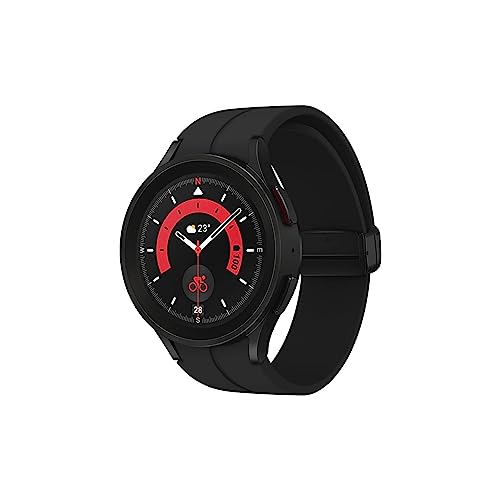
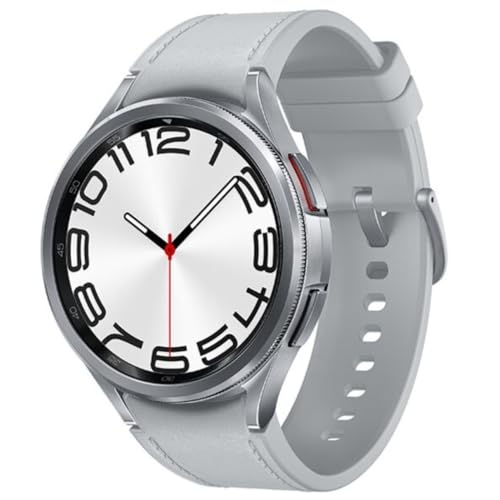
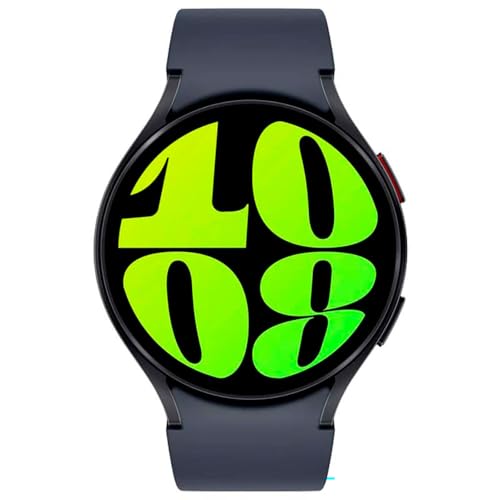
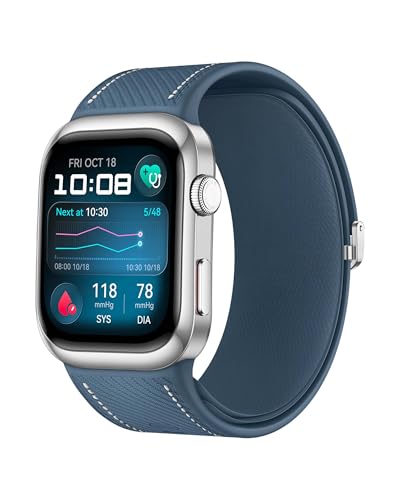
Which smartwatch brands make the best blood pressure smartwatches?
The best blood pressure smartwatch brands are as follows:
- [shortcode-09035577969073731973127805055081670984861352983855] (Average overall score: [shortcode-11207916915375743070063953575789658030103536464120])
- [shortcode-13257435750091242700156256057227719591981187729607] (Average overall score: [shortcode-13480270045569284596174411265466871694141652699453])
- [shortcode-11000979870748261830019729272289997216660951707508] (Average overall score: [shortcode-11554995487298529685005120916941267239093830798481])
[horizontal-chart-04127642362000607836039686277948692490773458295946]
How much do blood pressure smartwatches cost?
Blood pressure smartwatches cost anywhere from £30 to over £340, depending on brand, accuracy, and extra health functions.
Basic models usually stay between £30 and £70, and they give you simple readings through optical sensors. Mid-range devices cost between £90 and £170, and you get better accuracy, stronger build, and more health tracking features such as heart rate variability or sleep analysis.
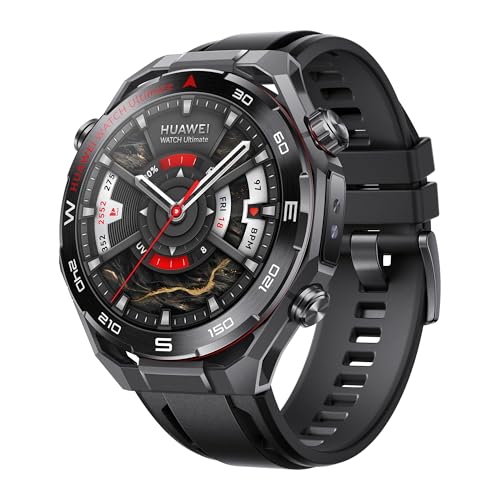
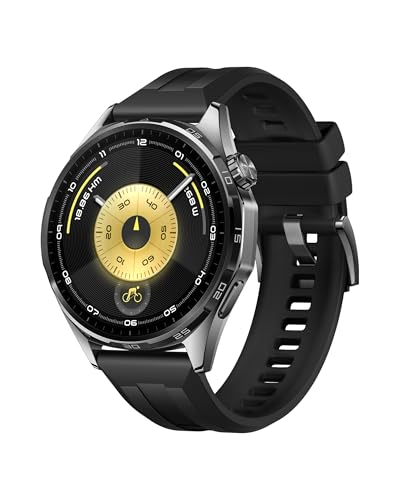
High-end smartwatches with blood pressure tracking cost £220 to £340 or more. These models often come from major brands like Samsung or Huawei, and they combine blood pressure tracking with ECG, advanced fitness tracking, and premium displays. If you want medical-grade accuracy, you usually pay more and you still need calibration with a traditional cuff.
How do blood pressure smartwatches work?
Blood pressure smartwatches work by using optical sensors and algorithms that measure changes in the blood flow under your skin.
When you wear the watch on your wrist, light from LEDs penetrates the skin and reflects back to the sensor. The watch then analyzes the variation in this reflection, which relates to your pulse wave. From the timing and shape of this wave, the smartwatch estimates your systolic and diastolic blood pressure.
Some models also require calibration with a traditional cuff monitor. You usually enter your real readings into the watch during setup, and the smartwatch uses this data as a baseline. After calibration, the device estimates your pressure without a cuff, but you need to recalibrate from time to time for accuracy.
Blood pressure monitoring is still limited to a smaller subset of smartwatch models and often needs regular calibration to stay useful.
Are blood pressure smartwatches accurate?
Blood pressure smartwatches have limited accuracy compared to traditional cuff-based monitors and cannot match clinical-grade precision.
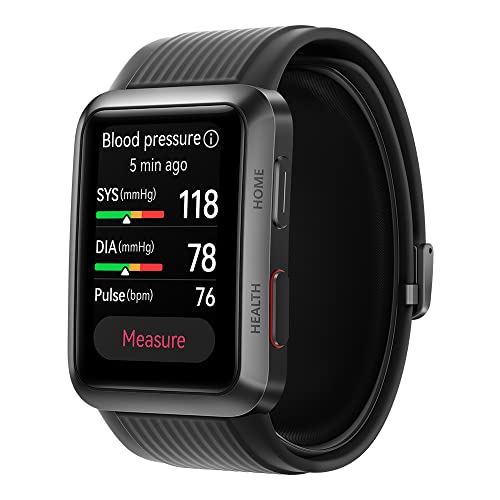
Studies show that while some validated models like the HUAWEI WATCH D can meet international standards with mean differences of only -0.034 mm Hg for systolic pressure and -0.65 mm Hg for diastolic pressure, most smartwatches show systematic bias patterns.
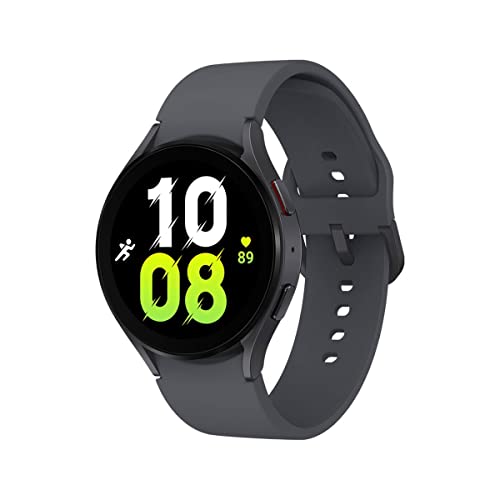
Research demonstrates that these devices tend to overestimate low blood pressure readings and underestimate high readings. The Samsung Galaxy Watch Active 2, for example, showed sensitivity of 83% but specificity of only 41% for detecting hypertension, which means it correctly identifies high blood pressure 83% of the time but fails to rule out normal readings 59% of the time.
Do I need to calibrate my blood pressure smartwatch?
Yes, you need to calibrate your blood pressure smartwatch if you want accurate readings.
These watches use optical sensors that estimate blood pressure from pulse waves, but they need reference values from a traditional cuff monitor to stay precise. Without calibration, the readings can drift and give results that do not reflect your real blood pressure.
Most models require calibration when you first set them up, and some need recalibration every few weeks or months depending on the brand. You usually do this by measuring your blood pressure with a cuff monitor and entering the values into your smartwatch or its app. This step helps the watch adjust its algorithm to match your personal blood pressure pattern, so it can track changes more reliably over time.
Can a smartwatch replace a traditional blood pressure monitor?
A smartwatch cannot fully replace a traditional blood pressure monitor, but it can give you useful readings for daily tracking.
Most smartwatches that measure blood pressure use optical sensors and algorithms that estimate values based on pulse wave analysis. A medical blood pressure monitor uses a cuff and inflation method, which is still the reference standard for accuracy in clinical settings.
You can use a smartwatch to spot general trends in your blood pressure and to see changes during the day or during activities. This can help you notice patterns that you might not see with occasional checks on a cuff monitor. However, if you need precise measurements for medical diagnosis or treatment adjustments, you should rely on a certified blood pressure monitor that meets clinical standards.
What to consider while choosing the best blood pressure smartwatch?
Consider the following factors when choosing the best blood pressure smartwatch for you:
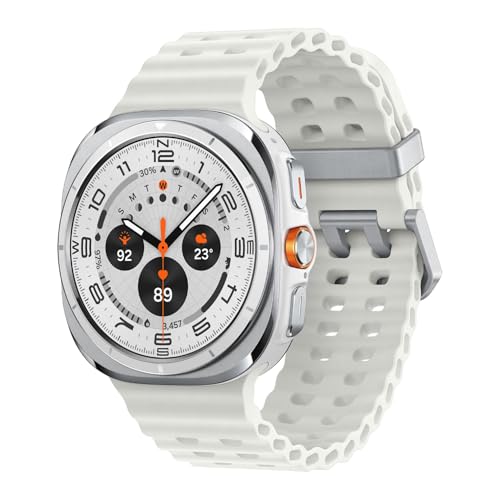
- Measurement technology: The technology used to measure blood pressure varies significantly between smartwatches and directly impacts accuracy. Some devices like the Samsung Galaxy Watch 7 and Galaxy Watch Ultra use pulse wave analysis technology which requires monthly calibration with a traditional blood pressure cuff. Other models such as the YHE BP Doctor Pro use inflatable air cuffs similar to medical devices, providing more direct measurement capabilities. The Omron Heart Guide uses FDA-approved oscillometric technology that matches the method used by medical professionals.
- Sensor accuracy: The precision of health sensors determines the reliability of blood pressure readings. Look for watches with clinically validated sensors that provide consistent measurements. The Med-Watch Pro features medical-grade optical sensors designed for precise tracking, while the BP Doctor Pro series uses oscillometric technology that has been clinically tested to deliver accurate results. The Omron Heart Guide stands out as FDA-approved with sensors that match hospital-grade equipment accuracy.
- Compatibility: Your smartwatch must sync seamlessly with your smartphone's operating system and health applications. Most modern blood pressure smartwatches support both iOS and Android platforms, but verify compatibility before purchase. Samsung Galaxy Watch models integrate well with Samsung Health and other fitness apps, while devices like the BP Doctor Pro connect with third-party health monitoring applications for comprehensive data tracking.


- Battery: Continuous health monitoring requires reliable power performance. The Samsung Galaxy Watch Ultra can last for days with blood pressure monitoring capabilities, while the FitVII Smartwatch provides all-day tracking with efficient battery management. The Amazfit GTR 4 offers up to 9 days of battery life depending on usage patterns, which reduces the frequency of charging interruptions.
- Additional health features: Modern blood pressure smartwatches often include complementary health metrics that provide comprehensive wellness insights. The YHE BP Doctor Pro measures heart rate, blood oxygen levels, and sleep stages alongside blood pressure. The Fitbit Sense 2 combines blood pressure monitoring with ECG readings, stress management, and sleep tracking. The Withings ScanWatch includes ECG functionality and oxygen saturation monitoring in addition to blood pressure tracking.
- Standalone functionality: Some smartwatches operate independently without requiring smartphone connectivity for blood pressure measurement. The Med-Watch Pro functions as a standalone device that tracks blood pressure and other health metrics without needing external calibration or phone synchronization. This independence makes it suitable for users who prefer simple operation or have limited smartphone access.