
How much do smartwatches for kids cost?
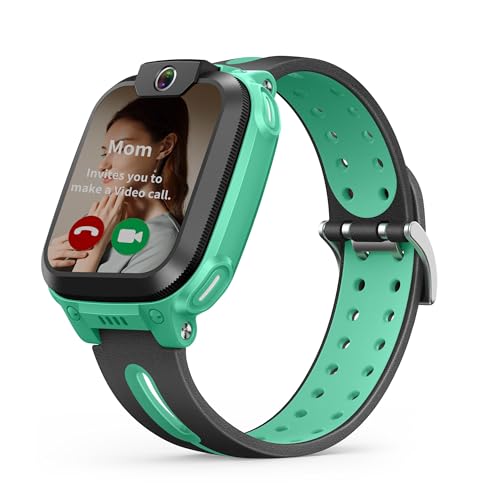
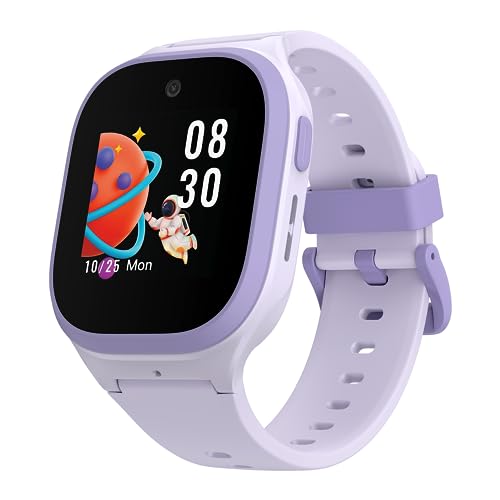
Smartwatches for kids cost anywhere from £30 to £170, depending on what you want for your child.
The cheapest models stay close to the 30–£45 range and give you only the basics such as time display, a step counter, and sometimes simple games. These watches usually use plastic builds and simple LCD screens, so they are affordable but not very advanced.
If you want more functions, like GPS tracking, phone calls, or video chat, then you should expect to spend between £60 and £130. Watches in this range often include 4G connectivity, SOS buttons, and better battery life, which helps you stay connected with your child during the day. They also tend to have stronger materials and water resistance, which adds durability.
How do smartwatches for kids differ from adult models?
Smartwatches for kids differ from adult models in the following ways:
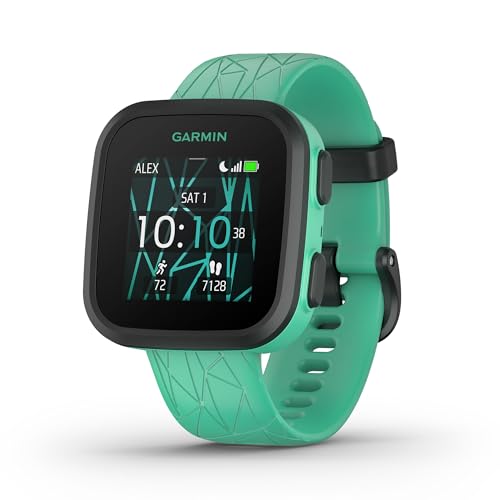
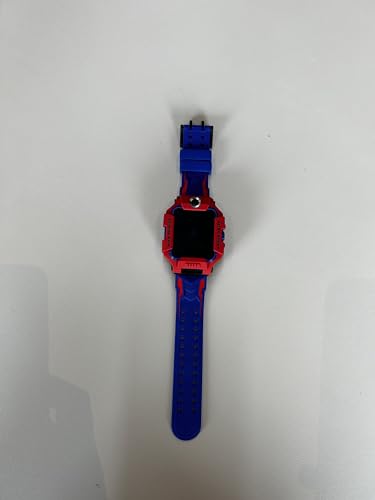
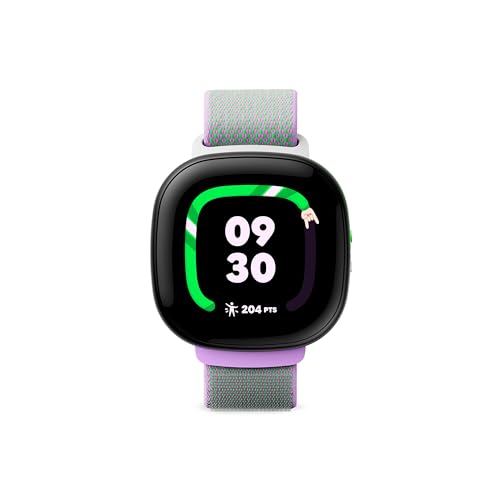
- Design and size: Kids’ smartwatches have smaller cases and lighter materials so they fit comfortably on a child’s wrist. Many models use bright colors and playful designs.
- Durability: These watches often use shock-resistant casings and water resistance to withstand everyday rough use.
- Safety features: GPS tracking, SOS buttons, and geofencing are standard in kids’ watches, while adult models focus more on productivity and fitness.
- Communication: Kids’ watches often include 4G or SIM support with limited call and text functions restricted to approved contacts.
- Apps and functions: They usually come with basic games, step counters, and parental controls, while adult models support advanced apps, email, and productivity tools.
- Battery life: Children’s models focus on simple functions so batteries can last longer in some cases, but advanced GPS or call functions reduce runtime compared to basic adult fitness trackers.
What battery life do smartwatches for kids have?
Smartwatches for kids have a battery life that usually ranges from one to three days, depending on usage and features.
Models with GPS tracking, 4G connectivity, and cameras consume more power, so they often last closer to one day. Simpler watches without constant connection or heavy functions can stretch to two or even three days.
You should also expect differences based on screen type and activity. Watches with bright color touchscreens drain faster than those with basic displays, and continuous GPS or video calls reduce the runtime sharply.
In daily use, most parents need to recharge a kid’s smartwatch every evening, which keeps functions like messaging and location tracking reliable without interruptions.
What health and activity tracking features do smartwatches for kids include?
Smartwatches for kids include different health and activity tracking features. The most common ones are as follows:
- Step counter: Tracks the number of steps a child takes during the day and helps measure daily activity levels.
- Distance tracking: Records how far a child walks or runs and gives a simple overview of movement.
- Calories burned: Estimates energy expenditure during physical activity and shows basic calorie consumption.
- Heart rate monitor: Measures heart rate in real time and can show trends during rest and exercise.
- Sleep tracking: Monitors sleep duration and patterns and helps parents see if their child rests enough.
- Sports modes: Records activities such as running, cycling, or skipping and tracks performance by activity type.
- Activity reminders: Sends alerts when a child stays inactive for too long and encourages short movement breaks.
How durable are smartwatches for kids?
Smartwatches for kids are usually built for rough daily use with reinforced plastic housings, raised bezels, and flexible straps.
Most models include splash resistance or basic waterproof protection, which helps during handwashing, rain, or playground activity. Better models also add stronger screen protection to reduce scratch risk from drops and impacts.
Durability still varies by price tier, so cheaper watches may handle light bumps but wear faster at the strap and buttons, while better-built models maintain reliability for daily school and outdoor use.
What kind of display and size do smartwatches for kids have?
Smartwatches for kids usually have small, colorful displays that are easy to read.
Most models use LCD or basic touchscreen panels with bright colors and large icons, so your child can see menus and functions clearly. The resolution is lower than what you find on adult smartwatches, but it is enough for simple apps, calling, and GPS features. Some models add extra brightness to keep the screen visible outdoors, which is useful if your child spends time outside.
The display size usually ranges from 1.3 to 1.5 inches, which is compact and fits well on a child’s wrist. This size strikes a balance between readability and comfort, so the watch does not feel bulky.
What safety and parental control features do smartwatches for kids include?
The most common safety and parental control features are as follows:
- GPS tracking: Parents can see the real-time location of their child and check location history.
- Geofencing: You can set safe zones (home, school, playground) and receive alerts if your child leaves these areas.
- SOS button: A dedicated button lets the child send an emergency alert to parents with location data.
- Call restrictions: You can set who can call or message the watch, so unknown numbers cannot reach your child.
- Remote monitoring: Parents can control certain functions from an app, such as disabling features during school hours.
- Voice and video calls: Communication is limited to pre-approved contacts, which adds another layer of safety.
- Location history: Parents can review where the child has been throughout the day.
What connectivity do smartwatches for kids support?
Smartwatches for kids usually support the following types of connectivity:
- Bluetooth: Lets you pair the watch with a smartphone or headphones. It is the base connection for syncing data between the watch and your phone.
- Wi-Fi: Connects the smartwatch to the internet without a phone. This connection is useful for updates, apps, and fast data sync.
- Cellular (4G/LTE with SIM card): Gives the watch independent network access. Kids can call, send messages, and use GPS without a phone.
- GPS: Tracks the child’s location in real time. Parents can check movements directly from their smartphone.
- NFC: Some models include NFC for contactless payments or quick pairing. This feature is less common but adds extra convenience.
What smartwatch styles and colors are most popular among kids?
Smartwatch styles and colors most popular among kids are bright, playful, and designed with durability in mind.
You often see models with chunky plastic cases that resist scratches and bumps, which suits active daily use. Rounded edges and simple button layouts dominate because they are easier for children to use than thin or complex designs. Many models also include cartoon characters or fun icons on the watch face, which adds appeal for younger children.
What wrist sizes do smartwatches for kids fit best?
Smartwatches for kids fit best on wrists between 12 cm and 18 cm. Most models come with adjustable silicone straps, so they adapt to both younger children with smaller wrists and older kids with slightly larger wrists. This range covers the average wrist size of children aged 4 to 12 years, which means you usually do not need to worry about sizing problems.