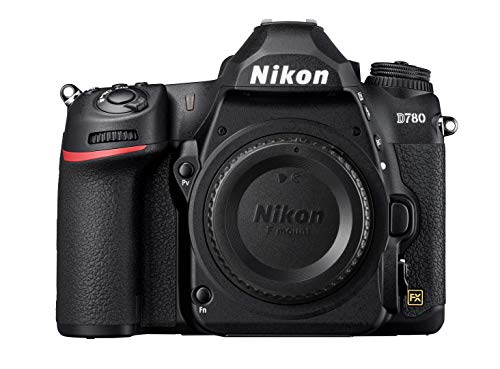
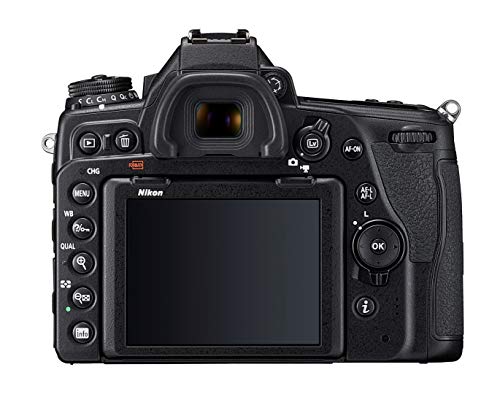
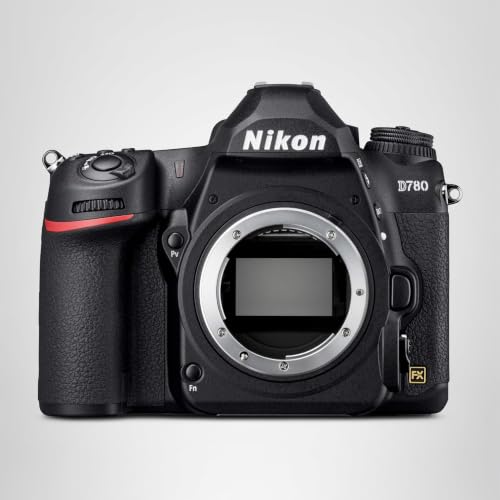
Nikon D780 review. Compare 108 technical specifications and user reviews to see how it ranks among cameras and if it is worth buying.
Overall score
What it is: An overall evaluation of the camera's quality, based on technical analyses and user reviews.
When it matters: When you need a quick reference to identify the best cameras on the market.
Score components:
90.0%
Technical Score
10.0%
User score
Technical Score
What it is: An assessment of the camera's technical performance, covering eight key areas: image quality, autofocus, video features, stabilization, lens compatibility, connectivity, battery, and design.
When it matters: When you want to compare cameras based on technical performance and available features.
Score components:
28.0%
Sensor & Image
25.0%
Photo Features
18.0%
Video & Audio
14.0%
Display & Design
8.0%
Battery & Power
7.0%
Connectivity & Storage
User score
What it is: A rating that combines user reviews and the total number of reviews received by the camera.
When it matters: When real-world owner satisfaction and review volume matter to your decision.
Score components:
70.0%
User reviews
30.0%
Popularity
Score components:
25.0%
Sensor size
20.0%
Main camera megapixels
20.0%
Dual card slots
15.0%
N. of focus points
10.0%
RAW photo capture
10.0%
Phase-detection autofocus (photos)
Score components:
35.0%
Weight
30.0%
Battery life (CIPA)
20.0%
Sensor-shift stabilization
15.0%
GPS
Score components:
30.0%
Price
20.0%
Weight
20.0%
AF tracking
20.0%
Battery life (CIPA)
10.0%
Touchscreen
Score components:
30.0%
Main camera megapixels
25.0%
Sensor size
20.0%
Main camera pixel size
15.0%
Sensor-shift stabilization
10.0%
RAW photo capture
Score components:
30.0%
Weight
25.0%
Thickness
20.0%
AF low-light sensitivity
15.0%
Sensor-shift stabilization
10.0%
Eye detection AF (human)
Score components:
30.0%
Sensor size
25.0%
Main camera pixel size
20.0%
Eye detection AF (human)
15.0%
Main camera megapixels
10.0%
Sensor-shift stabilization
Score components:
30.0%
Weight
25.0%
Battery life (CIPA)
20.0%
Min operating temperature
15.0%
Sensor-shift stabilization
10.0%
GPS
Available: ranking among products currently available (including other versions of this product).
All: ranking among all products in the database.
#2 in Best DSLR Cameras
#2 in Best SLR Cameras
#9 in Best Nikon Cameras
#31 in Best Low Light Cameras
#41 in Best Cameras
#41 in Best Digital Cameras
#41 in Best 4K Cameras
#41 in Best Cameras for Portraits
#338 in Best Travel Cameras
#376 in Best Cameras for Hiking
What it is: An assessment of the camera's technical performance, covering eight key areas: image quality, autofocus, video features, stabilization, lens compatibility, connectivity, battery, and design.
When it matters: When you want to compare cameras based on technical performance and available features.
Score components:
28.0%
Sensor & Image
25.0%
Photo Features
18.0%
Video & Audio
14.0%
Display & Design
8.0%
Battery & Power
7.0%
Connectivity & Storage
What it is: A rating that combines user reviews and the total number of reviews received by the camera.
When it matters: When real-world owner satisfaction and review volume matter to your decision.
Score components:
70.0%
User reviews
30.0%
Popularity
What it is: An indicator that combines the camera's overall rating with its cost.
When it matters: When you want to know how much overall quality you get for the price.
Score components:
60.0%
Overall score
40.0%
Price
Importance: HIGH
Good value: Full frame or larger
Importance: HIGH
Good value: At least 20 MP
Importance: HIGH
Good value: At least 3.5 µm
Importance: LOW
Importance: MEDIUM
Good value: At least ISO 25,600
Importance: MEDIUM
Importance: MEDIUM
Good value: At least 14-bit
Importance: LOW
Importance: LOW
Importance: LOW
Importance: LOW
Importance: LOW
Importance: LOW
Importance: LOW
Importance: LOW
Importance: MEDIUM
Importance: LOW
Importance: LOW
Importance: LOW
Importance: LOW
Importance: LOW
Importance: HIGH
Good value: At least 200 points
Importance: HIGH
Importance: MEDIUM
Importance: LOW
Importance: LOW
Importance: MEDIUM
Importance: MEDIUM
Importance: HIGH
Good value: At least 5 stops
Importance: LOW
Importance: MEDIUM
Good value: At least 10 fps
Importance: LOW
Importance: LOW
Importance: LOW
Importance: LOW
Importance: LOW
Importance: LOW
Importance: LOW
Importance: LOW
Importance: LOW
Importance: LOW
Importance: LOW
Importance: LOW
Importance: LOW
Importance: LOW
Importance: LOW
Importance: LOW
Good value: At least 200,000 actuations
Importance: LOW
Good value: At least 10x
Importance: HIGH
Good value: At least 3840 px
Importance: MEDIUM
Good value: At least 200 Mbps
Importance: MEDIUM
Good value: At least 10-bit
Importance: LOW
Importance: LOW
Importance: LOW
Importance: LOW
Importance: LOW
Importance: LOW
Importance: LOW
Good value: At least 30 min
Importance: LOW
Importance: LOW
Importance: LOW
Importance: LOW
Importance: LOW
Good value: At least 2 microphones
Importance: LOW
Importance: LOW
Importance: LOW
Importance: LOW
Importance: MEDIUM
Good value: 500 g or less
Importance: LOW
Importance: LOW
Importance: LOW
Importance: MEDIUM
Importance: MEDIUM
Good value: At least 2.36 million dots
Importance: LOW
Good value: 100%
Importance: LOW
Importance: LOW
Good value: At least 120 Hz
Importance: MEDIUM
Good value: At least 3 in
Importance: LOW
Importance: LOW
Importance: LOW
Importance: LOW
Importance: LOW
Importance: LOW
Importance: LOW
Good value: At least 10 m
Importance: LOW
Importance: LOW
Importance: LOW
Importance: LOW
Importance: MEDIUM
Good value: At least 400 shots
Importance: LOW
Good value: At least 1,500 mAh
Importance: LOW
Importance: LOW
Importance: LOW
Importance: LOW
Importance: LOW
Importance: LOW
Importance: LOW
Importance: LOW
Importance: LOW
Importance: LOW
Importance: LOW
Importance: LOW
Importance: LOW
Importance: LOW
Importance: LOW
Importance: LOW
Importance: LOW
Importance: LOW
Importance: HIGH
Importance: MEDIUM
Good value: At least ISO 25,600
Importance: MEDIUM
Good value: At least 400 shots
Importance: LOW
Importance: MEDIUM
Good value: At least 200 Mbps
Importance: HIGH
Good value: At least 3.5 µm
Importance: MEDIUM
Importance: LOW
Importance: MEDIUM
Good value: 500 g or less
Importance: LOW
Importance: LOW
Importance: MEDIUM
Importance: LOW
Importance: MEDIUM
Good value: At least 14-bit
Importance: LOW
(Reviews last updated: July 2026)
The DPReview Nikon D780 review highlights the camera as a versatile DSLR offering excellent 24MP raw image quality, high dynamic range, and accurate color rendering, earning it an 87% score and a Silver Award. It bridges the gap between DSLR and mirrorless with 4K video capability, fast live-view autofocus with eye tracking, and impressive 2,260-shot battery life. Key drawbacks noted include the absence of in-body image stabilization (IBIS), the lack of a dedicated AF-joystick, and complex differences between viewfinder and live-view AF systems. Additionally, the camera omits a built-in flash and vertical grip contacts, making it feel less featured than some competitors.
The Photography Life review identifies the Nikon D780 as a refined full-frame hybrid DSLR featuring exceptional low-light ISO performance, great dynamic range, and improved live view functionality adapted from the Z6, including 12 fps silent shooting and 4K video. Key strengths include robust, weather-sealed construction, a 68-shot RAW buffer, long exposure capabilities, and superior battery life. Conversely, the review notes the optical viewfinder AF system feels dated with limited coverage, and the body lacks a built-in flash, AF-assist lamp, and vertical grip electronic contacts. Additionally, the camera lacks in-body stabilization (IBIS) and features a tilting, rather than fully articulating, screen, making it a "best of both worlds" hybrid that nonetheless misses some modern, specialized features.
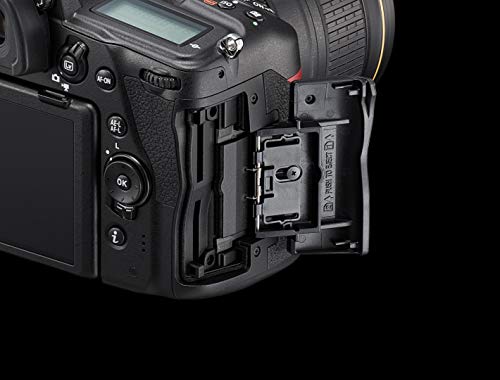
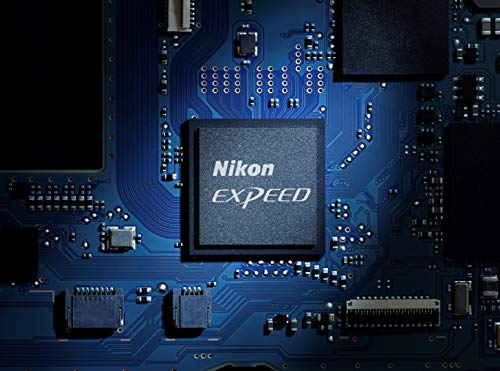
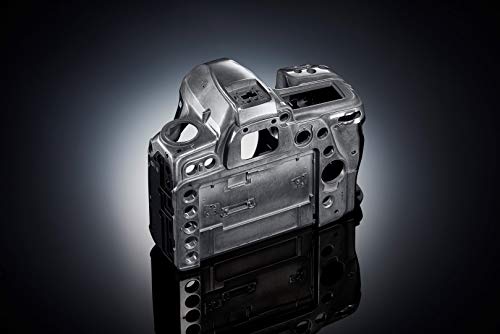
Nikon D780 Review Summary The Nikon D780 is an excellent full-frame DSLR-mirrorless hybrid camera. It features a 24.5MP sensor and EXPEED 6 processor. The sturdy magnesium alloy body is fully weather-sealed. Key pros include a comfortable, chunky grip and extensive controls. It provides dual UHS-II card slots for flexible storage. The battery lasts for an impressive 2,260 shots. Live-view offers fast 273-point autofocus with Eye-Detection. It shoots up to 12fps burst speed using the screen. A tilting touchscreen makes low-angle framing easy.
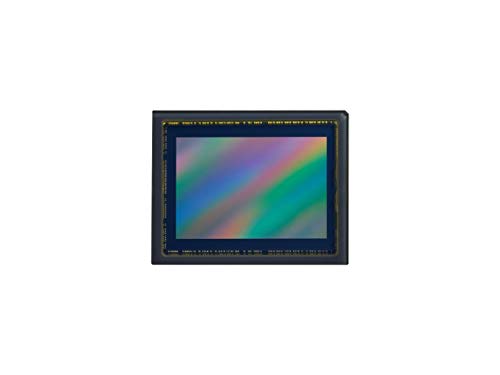
Nikon D780 The Nikon D780 is a highly refined hybrid camera that successfully blends state-of-the-art DSLR performance with modern mirrorless capabilities inherited from the Z6. Shifting from its predecessor (the D750), it brings massive internal upgrades including a 24MP BSI image sensor, an improved buffer capable of holding up to 100 shots, and exceptional battery life yielding over 2,000 shots per charge in DSLR mode. It shines brightest in low-light scenarios, where its dual-gain sensor delivers superior color integrity and dynamic range over the D750 at ISO 800 and above. Furthermore, its Live View mode converts the camera into an elite mirrorless machine, offering uncropped oversampled 4K video, 12 fps silent shooting, and highly accurate on-sensor phase-detect autofocus. Despite these stellar upgrades, the camera introduces a few notable drawbacks. On the downside, Nikon removed the built-in internal flash and completely eliminated support for an optional vertical battery grip, which limits the physical "system" customisation for certain shooters. From an ergonomics standpoint, the button layout compromises hand comfort due to the missing focus thumb stick and the awkwardly low placement of...
Ken Rockwell calls the Nikon D780 a significant upgrade that merges rapid DSLR responsiveness with advanced mirrorless capabilities, praising its superior image quality, exceptional high ISO performance, and phase-detection Live View autofocus. The camera is noted for its dual UHS-II SD card slots and full compatibility with older, non-CPU manual focus lenses. Ken Rockwell Key drawbacks highlighted include the removal of the built-in flash, the lack of a connection for a vertical battery grip, and an inconvenient, two-finger operated exposure mode lock button. Despite these limitations, Rockwell recommends it for users prioritizing an optical viewfinder and instant performance over mirrorless systems.
The DPReview hands-on analysis highlights the Nikon D780 as a hybrid successor to the D750, merging a traditional, rugged, weather-sealed DSLR body with Z6 mirrorless technology. Key advancements include a 24.5MP BSI sensor, a redesigned shutter allowing for 1/8000 sec speeds, and improved burst rates of 7 fps. Conversely, the review notes the omission of a built-in pop-up flash and the loss of support for dedicated vertical battery grips, which may deter some users. Additionally, the flash sync speed remains limited at 1/200 sec, and the camera, while a strong bridge between systems, represents a niche choice in the current mirrorless-driven market.
The Nikon D780 is a full-frame, 24.4-megapixel hybrid DSLR that successfully bridges the gap between traditional camera designs and modern mirrorless technology by incorporating the sensor and autofocus systems of the Nikon Z6. It features an Expeed 6 processor, dual UHS-II SD card slots, uncropped 4K video recording, and an impressive battery life of up to 2,260 shots. A major highlight is its dual autofocus capability, utilizing a trusted 51-point phase-detection system through the optical viewfinder and a much faster, 273-point hybrid system during live view mode. This hybrid approach enables the camera to jump from a standard 7fps continuous shooting speed up to 12fps when shooting silently in live view. The review highlights several distinct pros and cons for enthusiast and expert photographers. On the positive side, the camera offers chunky and highly satisfying physical handling, uncropped 4K video, exceptionally fast live view autofocus, and superior high-ISO noise performance and dynamic range when compared to its rivals. However, the D780 lacks the automatic viewfinder-to-screen switching found on mirrorless bodies, forcing users to manually swap to live view. It also...
Nikon D780 Review Summary The Nikon D780 is a highly versatile, full-frame DSLR that masterfully bridges the gap between traditional DSLR design and modern mirrorless technology. Retaining a robust, user-friendly body layout, it features a 24.5-megapixel sensor driven by the Expeed 6 image processor, delivering outstanding image quality and class-leading low-light performance with clean files up to ISO 6,400. Its standout upgrade is the introduction of a 273-point hybrid autofocus system in live view—borrowed from Nikon's Z-series mirrorless line—which provides highly accurate subject and face tracking. Furthermore, its video capabilities received a major overhaul, now capturing uncropped 4K video at up to 30fps alongside practical filmmaker tools like focus peaking and zebra striping. Despite its stellar performance, the D780 has a few drawbacks that potential buyers should consider. Its primary downsides are the expensive launch price of £2,099 and a highly fiddly drive mode selector wheel that requires holding a locking button to change settings. Additionally, it removes the built-in pop-up flash found on its predecessor, lacks internal N-log recording (requiring an external monitor instead), and its rear display only...
The Nikon D780 is a 24.5MP full-frame DSLR that combines traditional handling with modern, mirrorless-style performance, offering an extremely robust build, exceptional low-noise image quality, and excellent battery life with USB-C charging. Its standout performance features include fast, accurate eye detection in live view and a reliable, versatile autofocus system. However, the camera lacks an AF assist lamp and a built-in flash, requiring external lighting for dark environments, and it omits a dedicated thumb joystick for focus point selection. Additional drawbacks noted in the review include the lack of portrait-grip contacts and a 4-way controller lock that can be accidentally disengaged.
The Nikon D780 is a robust full-frame SLR camera featuring a 24-megapixel BSI CMOS sensor and an EXPEED 6 image processor, specifically designed for traditional DSLR users reluctant to switch to mirrorless systems. The camera excels with its modern capabilities, boasting a 7fps burst shooting rate using the mechanical shutter and a faster 12fps continuous drive via an electronic shutter in Live View. Its updated Live View system incorporates on-sensor phase detection that brings fast, mirrorless-style autofocus performance directly to the tilting 3.2-inch touchscreen display. Additional strong points include its highly durable, weather-sealed chassis, dual UHS-II SD card slots, 4K video recording with a flat profile, and exceptional battery life rated up to 2,260 shots alongside convenient in-camera USB-C charging. However, the D780 exhibits notable drawbacks that limit its value relative to its contemporary mirrorless rivals. When shooting through the optical viewfinder, its 51-point autofocus system suffers from a highly restricted coverage area bunched entirely within the central third of the frame. Crucially, the camera completely lacks in-body sensor stabilization, putting it at a disadvantage for handheld video and low-light...
The Nikon D780 is a versatile, enthusiast-level full-frame DSLR featuring a 24-megapixel dual-gain sensor that delivers exceptional RAW image quality, dynamic range, and low-light performance. Its robust, weather-sealed body includes a tilting touchscreen, while the hybrid autofocus system provides reliable, responsive tracking during Live View. However, the camera is relatively heavy compared to modern mirrorless alternatives and lacks in-body image stabilization (IBIS), requiring lenses with optical stabilization. Furthermore, it lacks a built-in flash and exhibits differences in autofocus performance between the optical viewfinder and live view, according to the RTINGS evaluation.
In his review for Australian Photography, Doug Gimesy evaluates the Nikon D780 as a highly capable, full-frame DSLR that brings significant tech upgrades over its predecessor, the D750. Tested during professional wildlife and conservation assignments in bushfire-affected regions, the camera is praised for major pros, including a dramatically quieter shutter mechanism derived from the D850, which proves excellent for skittish wildlife. It also introduces a massive low-light performance boost up to ISO 51,200, an upgraded 2,359,000-dot LCD screen, an extended exposure duration of up to 900 seconds for landscapes, and an advanced 273-point hybrid autofocus system inherited from Nikon's mirrorless Z-series cameras. Video features also receive a modern overhaul, boasting uncropped 4K video capabilities at 30p and high-speed 1080p recording at 120 fps.
The Nikon D780 is a versatile 24.5-megapixel full-frame DSLR that successfully bridges the gap between classic reflex technology and modern mirrorless features. Built with a robust, weather-sealed magnesium body, it delivers exceptional image quality with high dynamic range and low noise, even at high ISO settings like 6400. Photographers benefit from two distinct autofocus systems: a fast 51-point viewfinder system for action shots, and a 273-point Live-View system inherited from mirrorless technology that supports face and eye detection. Additionally, it serves as a strong hybrid option for video production, offering uncropped 4K video at 30 fps, 10-bit N-Log output via HDMI, and a remarkable battery life capable of up to 2,260 shots per charge. Despite its strong performance, the camera has notable limitations that might impact specific workflows. It lacks an integrated flash and does not feature an AF-point control joystick, which can slow down manual focus point selection. For videographers or content creators who record themselves, the 3.2-inch touchscreen tilts but does not fully rotate, making self-recording difficult. Finally, at a retail price of around €2,000 for the body...
The Nikon D780 is a full-frame digital SLR camera that receives a "good" (1.8) score from COMPUTER BILD and serves as a highly successful mix of traditional DSLR build and modern mirrorless camera features. Key pros highlighted in the review include its exceptional 24-megapixel sensor which provides sharp, detail-rich photos with high image quality even under poor lighting or high settings like ISO 6400. The camera also boasts a powerful dual-autofokus system, offering a precise 51-point phase-change system through the viewfinder and a fast 273-point system in LiveView that accurately detects faces and eyes. Additionally, it offers a robust magnesium alloy body with weather sealing, a long-lasting battery life that easily manages over 1,000 shots, 4K video capabilities, and dual SD card slots. On the downside, the review identifies a few notable cons that buyers should keep in mind. While the camera records very high-quality video, the autofokus operation is loud and clearly audible on the internal microphone recording, largely due to standard AF-S lenses using older ultrasonic drives. Furthermore, the extensive suite of features means the camera has a...
The Nikon D780 is a highly capable full-frame DSLR successor to the popular D750, borrowing a 24-megapixel BSI sensor and an advanced 273-point hybrid autofocus system from the mirrorless Z6 to significantly boost live-view and video performance. In live-view mode, the camera shines with silent electronic shutter shooting and fast burst speeds of up to 12 frames per second. Video capabilities see a massive upgrade to uncropped 4K resolution at 30p alongside headphone and microphone ports, 10-bit external recording, and built-in Bluetooth for reliable background image transfers via SnapBridge. Additionally, it leads its class in battery longevity, boasting up to 2,260 shots per charge, and features a dual UHS-II SD card setup, a fast 1/8000s shutter speed, and a sharp 2.36-million-dot tilting touchscreen. However, the review highlights several downsides, most notably a disappointing single-autofocus shutter lag using the kit lens, measuring between 0.5 to 0.7 seconds—significantly slower than the Nikon D850 or mirrorless Z6. Viewfinder autofocus remains stagnant, using the exact same 51-point module as its predecessor, and the camera lacks a dedicated AF-point joystick which is found on rival...
In his review on Flokugrafie, photographer Florian Kunde highlights the Nikon D780 as a hybrid that merges DSLR, rugged construction with modern mirrorless technology, boasting an impressive 2,000+ shot battery life and a fast, reliable Live View autofocus. The camera is praised for its ergonomic handling, ideal for balancing large lenses, and an improved, highly capable sensor for low-light conditions. Conversely, the review identifies the absence of in-body image stabilization (IBIS) as a major disadvantage for handheld photography, alongside its heavier, bulkier form factor compared to modern mirrorless alternatives. The reviewer also notes that, despite excellent dynamic range, the camera can occasionally blow out highlights, requiring attentive exposure management in high-contrast scenes.
The digitalkamera.de review highlights the Nikon D780 as a hybrid camera merging DSLR design with Z6 mirrorless technology, featuring an outstanding 24.5-megapixel BSI sensor, excellent high ISO performance, and a dual-system autofocus with a reliable 51-point viewfinder AF and a 273-point Live View AF. Key advantages include robust build quality, dual UHS-II slots, and 4K video recording, representing a significant upgrade in Live View performance. Conversely, the review notes the omission of a built-in flash, a lack of in-body image stabilization (IBIS), and heavy, bulky ergonomics compared to mirrorless alternatives. Furthermore, while the camera offers fast 12 fps shooting in live view, this mode forces 12-bit RAW files and introduces rolling shutter effects.
The Nikon D780 is a full-frame DSLR that successfully merges traditional camera design with modern mirrorless technology, featuring a 24.3-megapixel BSI sensor, crisp UHD video at 30 fps via 6K oversampling, and an exceptionally durable magnesium alloy body. In laboratory testing, it demonstrated outstanding image quality with low noise up to ISO 12.800 and a high dynamic range of 14 stops. The camera excels in stamina, capturing up to 3,420 photos per charge through its optical viewfinder, and includes practical dual UHS-II SD card slots, a 1/8,000-second maximum shutter speed, and built-in SnapBridge connectivity for seamless image transfers.
The Nikon D780, reviewed by Heise Online, is a durable, weather-sealed full-frame DSLR functioning as a capable all-rounder with features inherited from modern mirrorless systems. Key advantages include a 24-megapixel sensor, 12 fps burst shooting, a flexible tilting touchscreen, and exceptional battery life. However, the D780 lacks in-body image stabilization (IBIS) and faces a challenging market position due to its high price compared to the mirrorless Nikon Z6, which offers similar performance with stabilization. As a result, the review highlights that the D780 is best suited for users specifically requiring an optical viewfinder or holding significant F-mount lens collections.
The c't Fotografie review evaluates the Nikon D780 as a robust, weather-sealed full-frame DSLR tailored for advanced enthusiasts, highlighting its 24-megapixel sensor, exceptional battery life exceeding 2,000 images, and fast 12 fps continuous shooting. The camera excels with its traditional, reliable ergonomics and an updated, sharp, tilting touchscreen for effective live-view autofocusing. Conversely, the review notes the D780 lacks internal sensor-based image stabilization (IBIS), relying strictly on lens-based stabilization. Positioned against modern mirrorless alternatives like the Nikon Z 6, the D780 offers fewer customizable physical buttons, making it a capable yet traditional option in a market shifting toward more compact systems. heise online
The Nikon D780 is a highly capable hybrid DSLR that bridges the gap between traditional mirrorless tech and DSLR performance, utilizing the same 24.5 MP BSI CMOS sensor and Expeed 6 processor found in the mirrorless Nikon Z6. Through the optical viewfinder, it functions as a high-speed DSLR with a 51-point phase-detection autofocus system that excels at tracking rapid movement without any display lag. Switching to Live View activates a combined contrast and sensor-based 273-point phase-detection autofocus system. This mirrorless-style autofocus facilitates smooth, precise tracking for both photography and uncropped 4K UHD video up to 30 fps, alongside a 120 fps Full HD slow-motion mode. The camera body maintains a comfortable, deep grip and familiar layout, while integrating modern updates like a 3.2-inch tilting touchscreen, dual UHS-II SD card slots, open Wi-Fi connectivity, and extended manual exposure times up to 900 seconds. Its key advantages include superb low-light sensor performance with high dynamic range, an exceptionally bright Live View screen for night and astrophotography, and a robust battery life of over 2,000 shots per charge when using the viewfinder. Users...
The Nikon D780 features a 24.3-megapixel full-frame sensor that delivers exceptional image quality with virtually no noise up to ISO 1,600 and highly usable results up to ISO 3,200. A standout advantage of this camera is its significantly upgraded Liveview and video autofocus system, featuring 273 phase-detection pixels that effortlessly outperform older Nikon DSLRs. Videographers will appreciate its excellent 4K recording at 30p, high-speed Full-HD at 120p, full manual controls, and dedicated microphone and headphone jacks. Furthermore, the camera boasts a robust, weather-sealed magnesium alloy body, an ergonomic grip, a highly detailed 3.2-inch tilting touchscreen, and dual UHS-II SD card slots for seamless in-camera backups. On the downside, the camera's maximum continuous shooting speed of roughly 12 frames per second is highly restrictive, as it can only be reached in Liveview mode while using the electronic shutter—which introduces rolling shutter risks. When shooting traditionally through the optical viewfinder, the frame rate drops significantly to a modest 7 frames per second. The viewfinder autofocus system is fast at 0.15 seconds, but its 51 AF points (including 15 cross-type sensors) feel somewhat...
The Nikon D780 is a highly versatile full-frame DSLR that bridges the gap between traditional reflex cameras and modern mirrorless technology, earning a perfect 5 out of 5 rating. It features a 24-megapixel sensor paired with an upgraded processor and an autofocus system derived from the flagship Nikon D5, drastically improving its performance. The camera excels in low-light environments, showcasing excellent ISO sensitivity management up to 6,400 ISO and perfectly handling deep shadows down to -5 IL. Its liveview autofocus—previously a major flaw in its predecessor, the D750—is highly effective and includes responsive face and eye tracking. Additional strong points include a high-quality optical viewfinder, a robust weather-sealed body, uncropped 4K UHD video recording, dual UHS-II SD card slots, and convenient USB-C charging. Despite its high versatility, the D780 has several specific limitations that hold it back from perfection. In terms of image quality, its exposure latitude is disappointing regarding highlight recovery, struggling past 1.3 IL and causing color shifts in bright areas. The continuous burst shooting speed is also lackluster, capping at a modest 7 fps when full tracking...
The CameraRace review rates the Nikon D780 as a top-tier DSLR, highlighting its robust, weather-sealed body, exceptional 2,260-shot battery life, and high-speed dual card slots for professional reliability. It excels in versatile shooting scenarios—specifically sports and street photography—thanks to its rapid autofocus system and built-in connectivity features. Conversely, the analysis notes limitations, including an absence of a pop-up flash and the lack of in-body image stabilization (IBIS), requiring users to rely on lens-based stabilization. While the 24.5-megapixel sensor provides high quality, the review indicates its speed and resolution scores fall short of top-level, specialized professional alternatives. YouTube
The Nikon Z6 mirrorless camera wins this comparison against the Nikon D780 DSLR because it delivers advanced technology in a more compact, lightweight, and affordable package. Both cameras share the exact same 24.4-megapixel BSI CMOS sensor and processing engine, resulting in identical image quality, ISO performance up to 51,200, and exposure dynamic range. However, the Z6 stands out with its highly effective 5-axis in-body image stabilization (IBIS), a faster autofocus system that features animal eye tracking via firmware updates, and superior continuous shooting speeds reaching over 9 fps in 14-bit RAW. Its high-quality electronic viewfinder (EVF) also provides helpful real-time exposure and histogram previews. Furthermore, for video creators, the Z6 offers a more adaptable shooting experience due to its sensor stabilization and 12-bit ProRes RAW output support via external recorders. Despite losing the overall duel, the Nikon D780 possesses distinct traditional advantages, primarily its rugged DSLR build and much faster startup time. Its largest benefits include dual UHS-II SD card slots for instant file backup and a traditional optical viewfinder that many classic photographers prefer. However, the D780 suffers from...
The Nikon D780 field test in Venice during the Carnival highlights the camera as a highly reliable and versatile DSLR for reportage and street photography. Paired with an AF-S NIKKOR 28mm f/1.4E ED lens, the camera excels at handling high-contrast scenes, reliably balancing extreme highlights and deep shadows without requiring manual exposure compensation. Its 24-megapixel sensor performs exceptionally well in low-light environments, producing clean images with minimal noise even when pushed to an extreme sensitivity of ISO 28,800. Thanks to the Expeed 6 processor inherited from Nikon's mirrorless lineup, the camera delivers an incredibly fast and reactive continuous autofocus (AF) through the optical viewfinder and completely transforms the live-view experience into a fast, responsive, and tactile tool suitable for long-exposure tracking. Despite its strong performance, the reviewer notes several downsides that may deter certain photographers. A major complaint among long-time DSLR users is the omission of a vertical battery grip option, which was a dealbreaker for some. Additionally, because it is a traditional DSLR, the optical viewfinder cannot provide real-time exposure previews like modern mirrorless cameras, forcing photographers to rely...
The Labo Fnac review evaluates the Nikon D780 DSLR camera paired with the Nikkor AF-S 24-120mm VR f/4 kit lens, highlighting it as a highly versatile setup. Successor to the best-selling D750, the D780 preserves its predecessor's physical form while introducing crucial technical upgrades, including an Expeed 6 processor, a 25.28-megapixel CMOS sensor, better sensitivity, faster performance, extended battery life, and 4K video resolution. Labo Fnac's technical evaluations, conducted at light levels of 250 and 500 Lux, conclude that this combination delivers highly convincing image detail and sharp resolution, particularly at shorter focal lengths. However, the review outlines specific optical compromises that come with this versatile zoom range. A major con identified is a noticeable tendency toward chromatic aberrations when the camera is coupled with the 24-120mm lens. Additionally, lab testing revealed diminished cropping capabilities at longer focal lengths—dropping down to 51% at 70mm and 44% at 85mm, compared to a more generous 67% at 28mm and 63% at 50mm. Lastly, the lack of a built-in fill flash is noted as a drawback, though the tester suggests that upgrading to...
Nikon D780 Review Summary The Nikon D780 is a full-frame DSLR camera that blends traditional reflex design with advanced mirrorless features inherited from the Nikon Z6. On the positive side, it features an upgraded 24-megapixel CMOS sensor and processor that offer excellent dynamic range and improved high ISO performance over its predecessor, the D750. When switching to live view or shooting video, it introduces a fast hybrid autofocus system with face and eye detection. Additionally, it boasts a highly durable build, an optical viewfinder with 100% coverage, a tilting touchscreen, dual high-speed SD card slots, USB-C charging, and an impressive battery life exceeding 2,000 shots per charge. However, the camera has several drawbacks, primarily its restrictive launch price of 2,500 euros, which positions it close to the superior D850 and makes it more expensive than mirrorless alternatives like the Sony A7 III. In terms of ergonomics and hardware, users will miss a dedicated autofocus joystick, an integrated flash, and an official vertical battery grip. Furthermore, when shooting through the traditional viewfinder, the autofocus remains limited to the older 51-point system,...
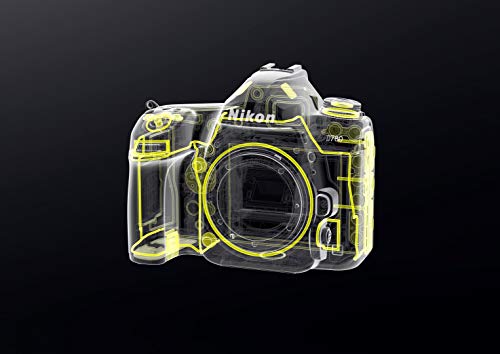
The Nikon D780 is a full-frame (FX) DSLR camera equipped with a 24.5-megapixel CMOS sensor and a fast EXPEED 6 image processor, delivering outstanding dynamic range and low-noise performance even at high ISO values. Built with a rugged, fully weather-sealed magnesium alloy body weighing 840 grams, it inherits the advanced 51-point autofocus algorithm from the professional Nikon D5, which provides fast tracking down to -3 EV. Significant technological upgrades focus on Live View mode, where the camera adopts features from the mirrorless Nikon Z6, including an enhanced AF system sensitive up to -7 EV, precise eye-detection tracking, and uncropped 4K/UHD video recording at 30p. Additional practical highlights include dual UHS-II SD card slots, built-in interval timer features (focus stacking and 4K time-lapses), a tilting touchscreen display, and an exceptional battery life yielding up to 2,260 shots per charge. The reviewer highlights several specific pros, including excellent colour reproduction, superb light metering that rarely requires exposure compensation beyond -1/3 EV, and the ergonomic repositioning of the "i" button for easier menu access. The camera offers a solid continuous shooting burst rate...
The Nikon D780 is a full-frame DSLR designed for advanced amateurs and professionals, acting as a highly upgraded successor to the popular D750. It features a weather-sealed magnesium alloy body weighing 840 grams with an improved, deeper grip and intuitive button layouts, such as a repositioned "i" information button for quick settings changes. The camera excels in versatility, delivering a 24.5-megapixel resolution and an expansive dynamic range powered by the EXPEED 6 processor, which results in minimal noise even at high ISO levels. Its continuous shooting speed reaches 7 frames per second (fps) through the regular viewfinder and can shoot up to 12 fps in quiet live-view mode. Autofocus is reliable and precise, relying on a 51-point system through the viewfinder. Major upgrades are visible during live-view operations, which inherit advanced tracking capabilities from mirrorless models, including an eye-detection system that locks onto subjects even in crowds. Video features are also significantly improved, utilizing full 6K sensor data to output zero-crop 4K/UHD videos at 30p alongside a tiltable touchscreen that is perfect for low-angle work. Dual UHS-II SD card slots...
In his review for José Barceló, the author concludes that the Nikon D780 is a refined hybrid, merging classic DSLR ergonomics with modern, fast mirrorless autofocus capabilities. Based on real-world use for filming a course, he finds it a familiar, powerful tool for Nikon users transitioning to modern performance. Key pros highlighted include the improved, ergonomic placement of a dedicated ISO button and excellent, swift autofocus tracking in Live View. Conversely, the review notes the camera is heavier and bulkier than its predecessor, and critiques the removal of the built-in pop-up flash.
The Nikon D780 is a full-frame "hybrid" DSLR camera that integrates key mirrorless technologies from the Nikon Z6 into a traditional DSLR body. It features a 24.5-megapixel BSI-CMOS sensor, continuous shooting speeds up to 12 fps using the electronic shutter, and uncropped 4K video recording at 30 fps. The dual autofocus system is a major highlight, offering a standard 51-point phase-detection system through the optical viewfinder and a fast 273-point system with Face and Eye Detection in Live View. Additionally, its weather-sealed ABS body features dual UHS-II SD card slots and an exceptional battery life capable of reaching up to 2,260 shots per charge. The review highlights several distinct advantages, including excellent RAW image quality with high dynamic range, great high-ISO performance up to 6400, and the convenient ability to recharge the battery via USB-C. The camera also excels in video capabilities, providing 10-bit Log output to external recorders and a DX crop mode to minimise rolling shutter. However, it does come with notable drawbacks, such as a lack of in-body mechanical image stabilisation—relying instead on a digital stabiliser that...
The Nikon D780 is a highly responsive, semiprofessional mid-to-high-end FX-format DSLR. It seamlessly blends traditional DSLR mechanics with advanced live view mirrorless technology, making it feel like a hybrid masterpiece. The camera boasts exceptional build quality and ergonomics, featuring a comfortable grip and a highly rational button layout that will feel instantly familiar to longtime Nikon users. Its standout strengths include a highly efficient 24-megapixel sensor delivering top-tier image quality and excellent high-ISO performance. Furthermore, its integration with the SnapBridge platform completely revamps wireless remote control, allowing comprehensive adjustment of shooting parameters directly via smartphone. YouTube ·Leigh &
The Nikon D780 is reviewed as a highly capable 24-megapixel hybrid DSLR that bridges the gap between traditional reflex cameras and mirrorless technology. The reviewer notes that its lightweight, comfortable grip, and exceptional 24MP full-frame sensor offer excellent dynamic range and impressive high-ISO noise control, functioning up to ISO 10,000 in low-light field tests. Its defining feature is a mirrorless-derived Live View system integrated into the rear touchscreen. This feature provides full-frame autofocus, eye-detection, and vibration reduction when shooting via the screen, allowing photographers to get maximum optical performance from classic Nikon F-mount lenses without needing an FTZ adapter. Additionally, the camera's automatic white balance proved highly accurate across demanding environments, from misty riversides to bright winter snowscapes. However, the review highlights several distinct layout and design drawbacks that limit its handling in professional settings. A major criticism is the omission of dedicated electrical contacts for an official battery grip, leaving users reliant on less elegant third-party workarounds. The physical layout also removes the standard autofocus joystick, forcing photographers to use smaller cursor buttons that are difficult to locate while...
The Nikon D780 serves as a highly evolved hybrid bridge between traditional DSLRs and modern mirrorless systems, acting as the spiritual successor to the D750. It integrates the core electronics of the mirrorless Nikon Z6—including its 24-megapixel Sony-derived BSI sensor, Expeed 6 processor, and fast on-sensor phase-detection matrix—while keeping the comforting physical construction of an optical viewfinder, mirror box, and dual SD card slots. The reviewer emphasizes that for photographers heavily invested in F-mount glass who prefer the tactical feel and auditory response of a mechanical reflex shutter, the D780 offers exceptional longevity, cutting-edge software features like focus stacking, and an extended exposure firmware that enables manual shutter speeds up to 15 minutes.
The Nikon D780 is presented as a high-performing hybrid DSLR that serves as a modern bridge between traditional reflex cameras and newer mirrorless technology, sharing much of its electronics and Live View functionality with the full-frame mirrorless Nikon Z6. The camera excels in high-ISO performance, demonstrating excellent image quality that is sharp and usable across its standard range, easily outperforming the older D750 at 6400 and 12800 ISO. It features an upgraded layout with a robust tilting touch screen, updated multimedia connections (including USB-C), a reliable build quality that completely eliminates the built-in flash for increased body strength, and seamless compatibility with Adobe development software. Crucially, the addition of on-sensor phase-detection autofocus provides a fluid and responsive Live View experience for both tracking subjects in photography and shooting high-quality, full-frame video. However, the reviewer highlights several notable drawbacks, particularly regarding its constraints compared to a pure mirrorless system, such as autofocus restrictions when using the traditional optical viewfinder and the necessity of calibrating individual lenses to achieve optimal focus. The camera's built-in microphone also captures audible lens autofocus noise during...
The Camerarace review highlights the Nikon D780 as a versatile full-frame DSLR (74/100 overall) that combines classic handling, featuring a 24.5-megapixel BSI-CMOS sensor and Z6-derived autofocus, with high comfort and robust build quality for street and sports photography. Key strengths include reliable subject-tracking AF, exceptional 2,260-shot battery life, dual SD slots, and robust weather sealing, though it lacks built-in image stabilization (IBIS) and a pop-up flash, with only moderate burst performance.
In this review, Luca Fumero details his hands-on experience testing the Nikon D780 during a real-world wedding photography session, evaluating it as a highly capable evolution of the D750. The camera stands out for its exceptional build quality, professional-grade weather sealing, and robust physical ergonomics that draw immediate design comparisons to a slightly downsized D850. Performance-wise, Fumero highlights major strengths, including its instant professional startup response, an upgraded 1/8000 second maximum shutter speed, a massive buffer that easily handles fast raw sequences, and a vastly superior exposure metering module derived from the flagship D5. Most notably, it is praised for providing a significantly optimized, touchscreen-enabled Live View autofocus system—a historic weak point for previous Nikon DSLRs—and an excellent 24.5-megapixel BSI CMOS sensor that yields highly malleable, rich raw files while consuming remarkably little battery power. Despite the overwhelmingly positive feedback, the reviewer notes a few definitive weaknesses regarding the camera's technology and missing features. While the 51-point autofocus system proved highly precise through the optical viewfinder, Fumero points out that the camera's face and eye detection tracking systems lag behind...
Based on the provided review, the Nikon D780 is a semiprofessional Full Frame DSLR that acts as a hybrid by incorporating mirrorless technology from the Nikon Z series into a traditional reflex body. On the positive side, this "hybridization" significantly boosts its Live View performance, allowing it to hit a continuous shooting speed of 12 fps compared to just 7 fps when using the optical viewfinder. It features an upgraded 24-megapixel sensor that delivers excellent image quality even at high ISO levels, an improved layout inspired by the professional D850—including a relocated ISO button—and a faster 1/8000s shutter speed. Additionally, it boasts an exceptional battery life of up to 2,260 shots when using the optical viewfinder. However, the camera also comes with notable drawbacks. To improve weather sealing and align the body with higher-end professional models, Nikon completely removed the built-in flash, which may disadvantage users who rely on an integrated fill light. Furthermore, these substantial upgrades come at a premium financial cost. The launch price is higher than its predecessor, debuting at an official list price of 2,499.00 Euros...
The Nikon D780 is a versatile full-frame DSLR camera that successfully bridges the gap between traditional reflex design and modern mirrorless functionality. Retaining a 24.4-megapixel resolution, it incorporates the advanced image-processing technology of the Expeed 6 engine and the precise live-view autofocus system from the mirrorless Nikon Z6. Built for enthusiasts who prefer the handling of a traditional camera, it boasts a rugged body, an expansive optical viewfinder with 100% coverage, and a larger 3.2-inch tilting touchscreen. Furthermore, the camera excels in data management and speed, offering a robust buffer capacity capable of handling up to 68 lossless compressed 14-bit RAW files or 100 JPEGs during high-speed burst shooting. The main advantages of the D780 include an exceptionally long battery life of up to 2,260 shots, dual high-speed UHS-II SD card slots, and uncropped 4K video recording at 30 fps featuring N-Log and HLG HDR options. It also features a dual autofocus system: a reliable 51-point phase-detection system through the viewfinder and a fast 273-point hybrid system in live view with Eye-Detection for photography. On the downside, the camera completely...
The Nikon D780 represents a significant evolutionary leap over the D750, borrowing cutting-edge processing algorithms from the flagship D6 and integrating sensor-based phase-detection autofocus technology directly from the mirrorless Z 6. Designed for enthusiasts seeking a robust DSLR experience, its major advantages include an enhanced shutter system capable of speeds from 1/8000 second up to an impressive 900 seconds (15 minutes) for long exposures. When using the electronic shutter, continuous shooting jumps from a modest 7 frames per second (fps) up to 12 fps. Video performance is drastically improved, offering uncropped 4K video at 30 fps, 10-bit 4:2:2 output via HDMI, and N-Log support. Additionally, it features excellent dynamic range (gaining a third of a stop over the Z 6 in shadows and highlights), automatic focus-shifting, weather sealing, dual SD card slots, and USB-C charging capability. However, the reviewer points out a few specific drawbacks to consider. Unlike its predecessor, the D780 has completely omitted an integrated pop-up flash in order to prioritize the body's weather sealing. For event and sports photographers, a major limitation is the absolute lack of...
Overview of the Nikon D780 The Nikon D780 is a highly versatile full-frame DSLR featuring a 24.5-megapixel BSI-CMOS sensor and the fast Expeed 6 processor, essentially bringing mirrorless capabilities into a robust reflex body. The camera bridges the gap between classic DSLR shooting and modern system cameras by incorporating the 273-point hybrid autofocus system of the Nikon Z6 into its live view mode. This addition ensures fast, reliable autofocus during video and live view, complete with accurate face and eye detection. Video features are significantly upgraded, offering 4K UHD at up to 30 fps with 10-bit N-Log and HLG, alongside slow-motion capabilities at 120 fps in Full HD. Furthermore, it boasts an improved expandable ISO range of 50 to 204,800, dual UHS-II SD card slots, and an impressive tiltable 2.4-million-dot touchscreen. Pros and Cons
The Nikon D780, paired with the AF-S Nikkor 24-120mm f/4.0 ED VR lens, is rated as a high-quality DSLR that offers a robust build and a wealth of professional features. Key strengths highlighted in the review include its sturdy construction, a tilting screen for versatile shooting angles, and an extensive array of physical buttons that allow users to adjust settings quickly without diving into menus. Additionally, the camera supports modern connectivity, allowing users to sync GPS data from a smartphone directly to their image files. However, the review points out several ergonomic and functional drawbacks. A significant con is the camera's substantial weight, which makes it difficult to operate with just one hand. The software interface also has a learning curve; by default, the control dials cannot navigate the menu system, requiring users to manually change this in the settings before they can use the dials for that purpose. Despite being a DSLR, the technical summary categorises it as a "large system camera" with a 5x optical zoom and a high-performance full-frame sensor measuring 35.9 x 23.9 mm. Are you...
The Vink Academy guide details accessible methods to digitalise old photo negatives using standard household items like smartphones or digital cameras, avoiding the need for expensive dedicated scanners. For smartphone users, the guide suggests using the free Film Scanner Pro (Film Developer) app on iOS or Photo Negative Scanner on Android, paired with a bright, uniform backlight source like an A4 paper taped to a window or a clean white computer monitor. For a higher-quality output, it recommends mounting a digital camera with a macro lens on a tripod, utilizing a makeshift lightbox created from a diffused LED panel, and converting the raw files into positives using Adobe Photoshop or Lightroom. The primary pro of these methods is their exceptional cost-effectiveness and speed, enabling users to quickly preview, invert, and digitise negatives without buying niche gear. Furthermore, high-end cameras like the Nikon D780 feature built-in digitising profiles that automate the color inversion process on-the-fly. However, the cons focus heavily on technique sensitivity and final image quality: shooting too close to paper reveals paper grain texture, while laying negatives flat on...
Compare