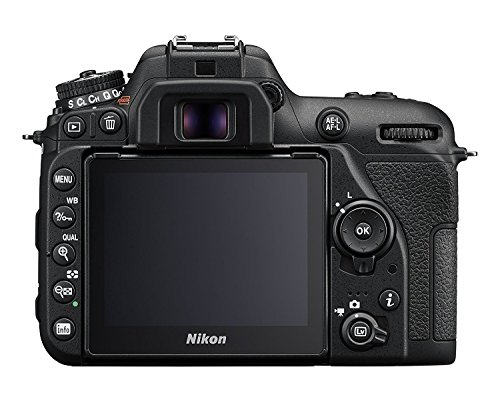
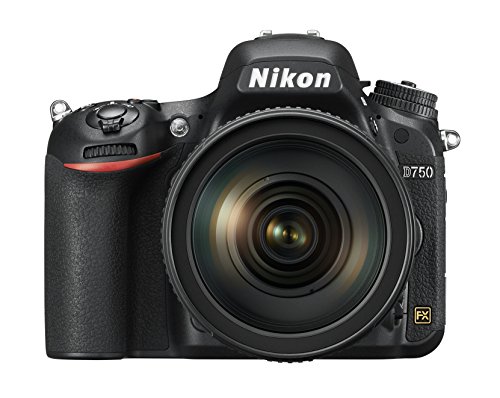
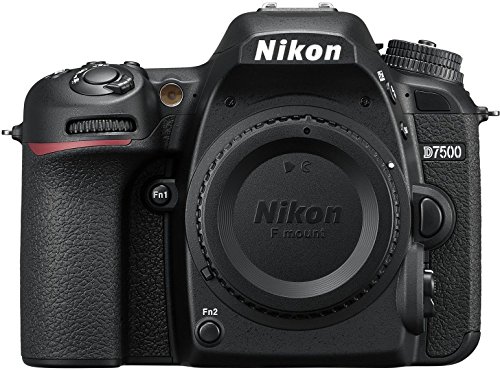
Nikon D7500 review. Compare 108 technical specifications and user reviews to see how it ranks among cameras and if it is worth buying.
Overall score
What it is: An overall evaluation of the camera's quality, based on technical analyses and user reviews.
When it matters: When you need a quick reference to identify the best cameras on the market.
Score components:
90.0%
Technical Score
10.0%
User score
Technical Score
What it is: An assessment of the camera's technical performance, covering eight key areas: image quality, autofocus, video features, stabilization, lens compatibility, connectivity, battery, and design.
When it matters: When you want to compare cameras based on technical performance and available features.
Score components:
28.0%
Sensor & Image
25.0%
Photo Features
18.0%
Video & Audio
14.0%
Display & Design
8.0%
Battery & Power
7.0%
Connectivity & Storage
User score
What it is: A rating that combines user reviews and the total number of reviews received by the camera.
When it matters: When real-world owner satisfaction and review volume matter to your decision.
Score components:
70.0%
User reviews
30.0%
Popularity
Score components:
25.0%
Sensor size
20.0%
Main camera megapixels
20.0%
Dual card slots
15.0%
N. of focus points
10.0%
RAW photo capture
10.0%
Phase-detection autofocus (photos)
Score components:
35.0%
Weight
30.0%
Battery life (CIPA)
20.0%
Sensor-shift stabilization
15.0%
GPS
Score components:
30.0%
Price
20.0%
Weight
20.0%
AF tracking
20.0%
Battery life (CIPA)
10.0%
Touchscreen
Score components:
30.0%
Main camera megapixels
25.0%
Sensor size
20.0%
Main camera pixel size
15.0%
Sensor-shift stabilization
10.0%
RAW photo capture
Score components:
30.0%
Weight
25.0%
Thickness
20.0%
AF low-light sensitivity
15.0%
Sensor-shift stabilization
10.0%
Eye detection AF (human)
Score components:
30.0%
Sensor size
25.0%
Main camera pixel size
20.0%
Eye detection AF (human)
15.0%
Main camera megapixels
10.0%
Sensor-shift stabilization
Score components:
30.0%
Weight
25.0%
Battery life (CIPA)
20.0%
Min operating temperature
15.0%
Sensor-shift stabilization
10.0%
GPS
Available: ranking among products currently available (including other versions of this product).
All: ranking among all products in the database.
#8 in Best DSLR Cameras
#8 in Best SLR Cameras
#16 in Best Nikon Cameras
#41 in Best Low Light Cameras
#61 in Best Cameras
#61 in Best 4K Cameras
#61 in Best Digital Cameras
#216 in Best Travel Cameras
#231 in Best Cameras for Hiking
What it is: An assessment of the camera's technical performance, covering eight key areas: image quality, autofocus, video features, stabilization, lens compatibility, connectivity, battery, and design.
When it matters: When you want to compare cameras based on technical performance and available features.
Score components:
28.0%
Sensor & Image
25.0%
Photo Features
18.0%
Video & Audio
14.0%
Display & Design
8.0%
Battery & Power
7.0%
Connectivity & Storage
What it is: A rating that combines user reviews and the total number of reviews received by the camera.
When it matters: When real-world owner satisfaction and review volume matter to your decision.
Score components:
70.0%
User reviews
30.0%
Popularity
What it is: An indicator that combines the camera's overall rating with its cost.
When it matters: When you want to know how much overall quality you get for the price.
Score components:
60.0%
Overall score
40.0%
Price
Importance: HIGH
Good value: Full frame or larger
Importance: HIGH
Good value: At least 20 MP
Importance: HIGH
Good value: At least 3.5 µm
Importance: LOW
Importance: MEDIUM
Good value: At least ISO 25,600
Importance: MEDIUM
Importance: MEDIUM
Good value: At least 14-bit
Importance: LOW
Importance: LOW
Importance: LOW
Importance: LOW
Importance: LOW
Importance: LOW
Importance: LOW
Importance: LOW
Importance: MEDIUM
Importance: LOW
Importance: LOW
Importance: LOW
Importance: LOW
Importance: LOW
Importance: HIGH
Good value: At least 200 points
Importance: HIGH
Importance: MEDIUM
Importance: LOW
Importance: LOW
Importance: MEDIUM
Importance: MEDIUM
Importance: HIGH
Good value: At least 5 stops
Importance: LOW
Importance: MEDIUM
Good value: At least 10 fps
Importance: LOW
Importance: LOW
Importance: LOW
Importance: LOW
Importance: LOW
Importance: LOW
Importance: LOW
Importance: LOW
Importance: LOW
Importance: LOW
Importance: LOW
Importance: LOW
Importance: LOW
Importance: LOW
Importance: LOW
Importance: LOW
Good value: At least 200,000 actuations
Importance: LOW
Good value: At least 10x
Importance: HIGH
Good value: At least 3840 px
Importance: MEDIUM
Good value: At least 200 Mbps
Importance: MEDIUM
Good value: At least 10-bit
Importance: LOW
Importance: LOW
Importance: LOW
Importance: LOW
Importance: LOW
Importance: LOW
Importance: LOW
Good value: At least 30 min
Importance: LOW
Importance: LOW
Importance: LOW
Importance: LOW
Importance: LOW
Good value: At least 2 microphones
Importance: LOW
Importance: LOW
Importance: LOW
Importance: LOW
Importance: MEDIUM
Good value: 500 g or less
Importance: LOW
Importance: LOW
Importance: LOW
Importance: MEDIUM
Importance: MEDIUM
Good value: At least 2.36 million dots
Importance: LOW
Good value: 100%
Importance: LOW
Importance: LOW
Good value: At least 120 Hz
Importance: MEDIUM
Good value: At least 3 in
Importance: LOW
Importance: LOW
Importance: LOW
Importance: LOW
Importance: LOW
Importance: LOW
Importance: LOW
Good value: At least 10 m
Importance: LOW
Importance: LOW
Importance: LOW
Importance: LOW
Importance: MEDIUM
Good value: At least 400 shots
Importance: LOW
Good value: At least 1,500 mAh
Importance: LOW
Importance: LOW
Importance: LOW
Importance: LOW
Importance: LOW
Importance: LOW
Importance: LOW
Importance: LOW
Importance: LOW
Importance: LOW
Importance: LOW
Importance: LOW
Importance: LOW
Importance: LOW
Importance: LOW
Importance: LOW
Importance: LOW
Importance: LOW
Importance: HIGH
Importance: MEDIUM
Good value: At least ISO 25,600
Importance: MEDIUM
Importance: MEDIUM
Good value: At least 200 Mbps
Importance: MEDIUM
Good value: At least 400 shots
Importance: LOW
Importance: LOW
Importance: MEDIUM
Good value: At least 3 in
Importance: MEDIUM
Good value: 500 g or less
Importance: LOW
Importance: MEDIUM
Importance: MEDIUM
Good value: At least 14-bit
Importance: LOW
Importance: LOW
(Reviews last updated: July 2026)
The DPReview evaluation highlights the Nikon D7500 as an outstanding mid-range DX-format DSLR that inherits the 20.9MP APS-C sensor, processor, and 8 fps burst capabilities of the flagship D500. It excels in speed and image quality for stills, featuring a robust 51-point AF system and a high-resolution tilting touchscreen. However, the review notes significant compromises, including a severe 1.5x crop on 4K video, only a single SD card slot, and the loss of battery grip compatibility found on its predecessor, the D7200. While recommended for sports and wildlife photographers, its limited feature set may disappoint enthusiasts upgrading from older models, as stated in the full DPReview article.
The Photography Life review of the Nikon D7500 highlights the DX-format camera as a fast-handling, robust, and ergonomically sound workhorse, inheriting the 20.9-megapixel sensor, 8 fps shooting speed, and 51-point AF system from the higher-end D500. Key pros noted include excellent high-ISO performance, a durable, lightweight body with superior weather sealing, and an expanded buffer suitable for action photography. Conversely, the review outlines significant drawbacks, particularly the removal of features found on the older D7200, such as the downgrade to a single SD card slot (lacking UHS-II support) and the removal of the aperture coupling tab for older AI-S lens compatibility. Further limitations cited include the inability to use a vertical battery grip and a 1.5x crop factor applied to 4K video recording.
The Nikon D7500 is an enthusiast-grade, DX-format DSLR that pairs a 20.9MP APS-C CMOS sensor with the powerful EXPEED 5 image processing engine borrowed from the flagship D500 model. Priced around $699 / £649, it represents fantastic value for photographers who prefer traditional DSLR handling, weather-sealed durability, and an optical viewfinder over modern mirrorless alternatives. Performance highlights include a robust 8fps burst shooting speed with a generous buffer—making it a fine choice for sports and action—along with the ability to shoot 4K UHD video at up to 30fps and record uncompressed footage via HDMI output. The review highlights several key strengths and weaknesses to help buyers evaluate its capabilities: Pros: Features a brilliant sensor with excellent high-ISO performance, expanding up to a staggering ISO 1,640,000 for low-light flexibility. It features an advanced 51-point AF system, snappy 8fps action shooting, and a useful 3.2-inch tilt-angle touchscreen display. Cons: The camera body is limited to only a single SD card slot, which may disappoint backup-reliant users. Additionally, it features a lower-resolution rear screen compared to premium models and suffers from slow autofocus...
Ken Rockwell calls the Nikon D7500 a top-tier DX-format DSLR, highlighting its fast 8 FPS shooting, 51-point AF system, and useful U1/U2 setting presets. Key pros also include a built-in flash, 4K video, a tilting touch screen, and excellent image quality with vibrant colors. Conversely, the review notes significant cons, specifically the removal of the second SD card slot, a drop to 20.6 megapixels, and the lack of metering with older manual-focus lenses. While featuring high ISO capabilities, top-end sensitivity is noted as unusable.
The Nikon D7500 is an APS-C (DX format) DSLR camera that aims to pack the processing power of the higher-end D500 into a more affordable, consumer-friendly body priced at $1,250. Built with a rugged, weather-sealed chassis weighing just under 1.5 pounds, it features a 20.9-megapixel sensor capable of recording internal UHD 4K video at up to 30 fps and Full HD at 60 fps. Key strengths highlighted in the review include its excellent battery life, yielding up to 950 stills or 80 minutes of video per charge, and the inclusion of dedicated microphone and headphone jacks for enhanced audio control. Navigating the system is highly accessible thanks to a responsive 3.2-inch tilting rear touchscreen display and built-in Wi-Fi and Bluetooth connectivity. Videographers will also appreciate the ability to output uncompressed 4K video externally via its HDMI port. Despite these robust features, the camera exhibits notable limitations in specific shooting environments. Its primary weakness is its poor low-light performance; studio testing revealed visible image noise starting as low as ISO 400, falling significantly behind mirrorless competitors like the Sony a6500 or...
The PhotoBohemian review identifies the Nikon D7500 as an advanced, traditional APS-C DSLR offering exceptional 8 fps speed, high ISO performance, and a large buffer tailored for action photography. The review notes the camera justifies its updated designation through significant operational improvements over its predecessor. While praising its speed and image quality, the review finds the camera faces stiff competition from lower-priced models offering comparable image output, and some users may find the extensive settings overwhelming. Ultimately, it is described as a high-performance, conventional DSLR.
The Nikon D7500 is a robust, weather-sealed APS-C (DX-format) DSLR that strikes a practical balance between high-end enthusiast performance and affordable pricing. To the surprise of many, Nikon dropped the resolution slightly to 20.9 megapixels compared to older models, which marginally affects its absolute fine-detail rendering in lab tests. However, this trade-off powers a highly capable Expeed 5 processor, enabling a swift 8fps continuous shooting speed and an exceptionally deep 50-frame raw buffer capacity—making it excellent for action photography. Furthermore, it incorporates 4K UHD video capture and features an impressive Matrix metering system with a new Highlight-weighted mode to prevent blown-out highlights. The camera's performance features clear advantages and disadvantages depending on user needs. Among its prominent pros are excellent high ISO low-light capabilities—stretching up to an expanded ISO of 1,640,000—crisp 4K video, a fast burst rate, and highly reliable dynamic range. On the downside, the cons include the controversial decision to provide only a single SD card slot, the lack of electronic connections to support a vertical battery grip, and a live-view autofocus system that relies on slower contrast...
The Shutterbug review highlights the Nikon D7500 as a robust, enthusiast-focused DSLR, featuring a 20.9MP sensor and EXPEED 5 processor that deliver exceptional dynamic range, particularly 11.8 f/stops at ISO 100. Praised for its ergonomic build and articulating touchscreen, the camera brings high-end performance to a lighter, more accessible body. Key drawbacks noted in the review include the omission of dual memory card slots, a regression from the older D7200, which compromises instant backup functionality. Furthermore, the D7500 produces 4K UHD video with a significant 1.5x crop factor and relies on a slower contrast-detection system for live view, limiting its versatility for videographers.
The Nikon D7500 represents a highly capable, D5-generation enthusiast camera that provides substantial performance upgrades over the older D7200 despite online criticism. Equipped with the same 20.7-megapixel sensor found in the high-end D500, the camera delivers exceptional image quality with improved noise handling and better color retention at high ISO ranges. It excels in action and sports photography, featuring a robust 8 frames per second burst rate, a significantly faster 180k-pixel metering sensor that transforms 3D autofocus tracking, and a massive memory buffer that doubles the capacity of its predecessor. Physical design enhancements like a sharper, tilting touchscreen LCD, reduced overall body weight, and better weather sealing make the user interface and operation more sophisticated.
The Nikon D7500 is a highly capable and responsive APS-C DSLR that inherits several premium features from the flagship D500, making it an excellent option for action and still photography. Its core strengths include a refined 20-megapixel sensor that delivers exceptional dynamic range and impressive low-light performance up to 6400 ISO, even surpassing the pixel-heavy D7200 in overall image quality. Supported by a powerful new processor, it boasts a fast 8 frames-per-second continuous RAW burst up to 50 shots and an improved metering system, packed into a robust, weather-sealed tank-like body with great ergonomics. On the video side, it stands out against competitors like Canon by offering 4K recording, alongside dedicated microphone and headphone ports. However, the camera has notable limitations that make it feel like a consumer-driven step back for some professionals. The most significant drawbacks are the exclusion of dual memory card slots and lack of support for a battery grip—both of which were present in the older D7200. Additionally, its video capabilities suffer from a heavy 1.5x additional crop factor in 4K and a slow, clunky contrast-detection...
The Focus Review evaluation of the Nikon D7500 highlights it as a fast, highly capable, and budget-friendly "little brother" to the professional D500. Borrowing the D500's 20-megapixel APS-C sensor and 180,000-point RGB light meter, the camera delivers top-tier image quality characterized by excellent dynamic range and strong high ISO performance. It is highly optimized for sports and action photography, offering a burst speed of 8.2 frames per second and a deep 100-frame JPEG buffer that effortlessly tracks fast-moving subjects using an advanced 3D Tracking autofocus system. Additionally, the body has been modernized with enhanced dust and moisture sealing, a deeper handgrip, and a practical tilting touchscreen for versatile shooting angles. However, the review outlines several compromises, noting that the camera drops down to a single SD card slot compared to the dual slots found on both the older D7200 and the higher-end D500. Videographers gain 4K video capabilities at 30 fps, but this mode inflicts a restrictive 1.5x sensor crop, lacks built-in stabilization, and suffers from a slow, contrast-detect live view autofocus that makes manual focusing preferable. Furthermore, the D7500...
The Digitalkamera.de review highlights the Nikon D7500 as a robust, high-performance enthusiast DSLR featuring excellent ergonomics, weather-sealing, and a 20-megapixel sensor with outstanding image quality up to ISO 3,200. Key strengths include a 51-point AF system, fast 8 fps burst shooting, and a generous buffer capacity. Conversely, the review notes drawbacks, specifically sluggish live-view autofocus, poor placement of the Fn1 button, and unusable high ISO settings. Despite these issues and limited wireless functionality, the D7500 is praised as a capable, cost-effective alternative to higher-tier models.
summary of the Nikon D7500. Overview and Key Strengths The Nikon D7500 is a highly capable mid-range DSLR that inherits its core technology from the professional, sports-oriented Nikon D500. It features a 20-megapixel APS-C sensor that delivers exceptional image quality, high edge sharpness, and low noise, performing reliably up to ISO 3,200, and remaining highly usable for smaller prints up to ISO 25,600. Geared toward action and low-light photography, the camera boasts a blazing-fast 51-point phase-detection autofocus system that locks onto targets in just 0.21 seconds, paired with a rapid continuous shooting speed of 8.1 frames per second. For video enthusiasts, it supports crisp Ultra HD (4K) recording at 30 frames per second alongside dedicated headphone and microphone jacks. Additional strengths include a weather-sealed magnesium and plastic body, a long battery life capable of up to 1,400 shots, and a 3.2-inch tilting touchscreen that simplifies navigation. Primary Drawbacks and Missing Features Despite its excellent performance, the Nikon D7500 introduces several notable downgrades compared to its predecessor, the D7200, which may frustrate advanced users. Most significantly, Nikon removed the secondary card...
The Nikon D7500 positions itself as a high-performing APS-C DSLR that integrates professional-grade technology into a more accessible, lightweight body. A primary highlight is its 20-megapixel sensor inherited from the professional D500, which delivers crisp, detail-rich images with highly accurate color reproduction in daylight. The sensor excels in low-light environments, keeping image noise minimal even at high ISO settings, with sharpness only beginning to decrease around ISO 4,000. Photographers will benefit from a highly responsive autofocus system equipped with Group-AF for precise tracking of fast-moving subjects, alongside an impressive battery life capable of capturing nearly 3,700 photos per charge. Additionally, the physical design features a deeper grip for better handling, a monocoque build that reduces the weight to 720 grams, and a bright, tilting touchscreen display that allows users to easily adjust settings and set focus points. Despite these strong features, the camera has notable limitations, particularly for video creators and continuous shooting. While it introduces 4K video recording at up to 30 frames per second with excellent sharpness, the autofocus mechanism switches to a slower contrast-detection method in LiveView...
The Nikon D7500 delivers outstanding image quality and high-speed performance by utilising the same 20.7-megapixel APS-C sensor found in the higher-end D500. Testing shows the camera handles image noise flawlessly, capturing excellent detail up to ISO 3,200, with results remaining highly usable at ISO 6,400. Its speed is equally impressive, achieving continuous shooting speeds of 7.3 to 7.6 frames per second. Backed by a generous buffer, it can sustain up to 55 consecutive 14-bit RAW files without slowing down. Additionally, it features a highly responsive 51-point phase-detection autofocus system through the viewfinder, a bright pentaprism viewfinder with 100% coverage, a sharp 3.2-inch tilting touchscreen, and crisp 4K video recording capability. Despite these strengths, the D7500 introduces several notable compromises compared to its predecessor, the D7200. Nikon replaced the magnesium alloy build with an all-plastic chassis and removed the second SD card slot, leaving photographers with no option for in-camera live backups. Performance drops dramatically outside of viewfinder shooting; the autofocus in live-view and video modes relies on contrast detection and is painfully slow at 0,72 seconds, making it practical only...
Gunther Wegner’s review identifies the Nikon D7500 as a capable APS-C camera, bridging mid-range and high-end models by incorporating the 20.9MP sensor and processor from the flagship D500. Key pros highlighted include excellent high-ISO noise performance, a robust, lighter carbon fiber monocoque body, an 8 fps burst rate, and a useful tilting touchscreen with accurate exposure simulation. Conversely, the review notes significant compromises, including the removal of the second SD card slot, the lack of a native vertical grip option, and a heavy 1.5x crop factor applied to 4K video. While the reduced 20.9MP resolution is lower than predecessors, the superior low-light performance is touted as a worthwhile trade-off for most users.
The Nikon D7500 is a robust DX-format DSLR featuring a 21-megapixel sensor and a fifth-generation EXPEED processor. Key pros identified in the review include a fast continuous shooting speed of eight frames per second. Its 51-point autofocus system efficiently locks onto and tracks moving targets, even in low-light environments. Image quality is excellent, delivering crisp details alongside a professional-tier 11.8-stop dynamic range. Video performance serves as another major benefit, supporting 4K UHD recording at 30 fps with a high 144 Mbps data rate and highly effective digital stabilization in Full HD. Conversely, the review highlights several specific cons where the camera compromises compared to the older D7200. A primary physical drawback is the removal of the second memory card slot, leaving users with only a single SD slot. The body also lacks the necessary electronic connections to support an optional vertical battery grip. Furthermore, while the monitor now tilts, its resolution was downgraded to 920,000 dots, and its movement is awkwardly restricted by buttons on the left side of the camera. Operational downsides include a hesitant contrast-detection autofocus during Live...
The Nikon D7500 DSLR offers an improved, highly versatile shooting experience highlighted by a newly added tilting touchscreen that simplifies menu navigation, live-view adjustments, and capturing shots from extreme high or low angles. Its autofocus system features 51 focus points (with 15 cross-type sensors) and introduces a new group area AF that excels at tracking tricky subjects and reliably locks sharpness even under moonlight or dim conditions. Furthermore, the camera boasts an impressive continuous shooting buffer that dramatically improves upon its predecessor, allowing photographers to seamlessly capture up to 50 RAW images or 100 high-quality JPEGs at a rapid 8 frames per second.
The Nikon D7500 balances professional-grade technology within an upper mid-range DSLR body. Acting as a bridge between the D7200 and the professional D500, it borrows the robust 20.9-megapixel APS-C sensor and EXPEED 5 processor from its high-end sibling. Reviewers praise its fast continuous burst rate of 8 frames per second and an exceptionally deep image buffer, making it a standout tool for wildlife and sports photography. The camera's overall imaging performance shines with low-noise, sharp, and highly detailed images up to ISO 3,200, which can be extended up to a massive ISO 25,600 with minimal quality loss. Additionally, it introduces crisp 4K Ultra HD video recording at 30fps, a bright 100% coverage optical viewfinder, and an incredibly fast 51-point autofocus system when using the viewfinder. However, the camera comes with a few notable trade-offs and downgrades from previous generations. A primary drawback for videographers is that 4K recording suffers from a heavy 1.5x crop factor, making wide-angle shooting difficult. Furthermore, autofocus during Live View and video modes relies on contrast-detection, making it significantly slower and prone to focus hunting. Reviewers...
The Les Numériques review concludes that the Nikon D7500 is an excellent expert DSLR camera that borrows high-end components from the pricier D500. It is highly praised for its exceptional image quality and electronic noise management, delivering crisp and clear photos up to ISO 3200 or 6400. Key hardware strengths include a deeply contoured ergonomic grip, a responsive tilting touchscreen display, a high-performance 100% coverage optical viewfinder, and impressive battery longevity that exceeds 1,000 shots per charge. On the performance side, the camera is incredibly reactive, featuring a fast 8 frames-per-second burst mode with reliable autofocus tracking, automatic front/back focus calibration, and an exposure anti-flicker system. Smart connectivity features like SnapBridge Bluetooth file transfers, as well as dedicated headphones and mic ports, further boost its overall value. However, the reviewer highlights several notable drawbacks, especially when compared to mirrorless rivals and its predecessor, the D7200. A major regression is the inclusion of only a single SD card slot, alongside the omission of a compatible power battery grip and support for older non-CPU lenses. For video production, the D7500 is criticized...
The TechRadar review highlights the Nikon D7500 as an excellent, versatile mid-range DSLR that offers unbeatable value for money due to its steadily dropping price. Borrowing the 20.9-megapixel APS-C sensor and advanced EXPEED 5 image processor from the flagship D500, it delivers remarkable image detail and impressive high-resolution performance, especially in low-light situations. Photographers capturing action and sports will benefit from its rapid 8 frames per second (fps) burst shooting speed and a generous buffer. Furthermore, it features an incredibly wide extended sensitivity range up to an ISO equivalent of 1,640,000, a handy 3.2-inch tilting touchscreen, robust weather sealing, and the ability to shoot uncompressed 4K UHD video at 30fps with built-in electronic vibration reduction. Despite these strengths, the review notes several compromises compared to newer mirrorless models and its predecessor, the D7200. A notable downgrade is the inclusion of only a single SD card slot rather than two, which may disappoint enthusiast users. Additionally, the camera suffers from a lower rear screen resolution of 922,000 dots and sluggish Live View autofocus speeds that lag behind modern standards. While its...
The Nikon D7500 kit, bundled with the AF-S DX Nikkor 18-300mm f/3.5-6.3G ED VR lens, scores 4 out of 5 stars but receives a mixed assessment as DSLRs face obsolescence against modern mirrorless competitors. On the positive side, the camera excels in optical quality, earning a perfect lab score of 10 out of 10 for minimizing defects like vignetting and chromatic aberration. The included 18-300mm kit lens is highly praised for its build quality and exceptional versatility. It functions as an all-in-one option that performs reliably across grand-angle, standard, and telephoto focal lengths. This adaptability makes it a comfortable, easy-to-use option for everyday photography and consumer use. However, the review highlights several prominent drawbacks that cause the system to pale in comparison to newer mirrorless alternatives. At 20 megapixels, the sensor's overall definition is considered low for current photography standards. Color accuracy is also a weak point, scoring a mediocre 6.7 due to a distinct lack of precision. Most notably, the camera struggles heavily in dim environments, registering low sensitivity marks in daylight (4/10) and a poor low-light score of...
Overview and Image Quality Comparison The Nikon D7500 transitions from the 24-megapixel sensor of its predecessor, the D7200, to a lower 20.3-megapixel CMOS sensor derived from the professional D500. In laboratory testing, this resolution downgrade results in a slight loss of maximum rendering precision when paired with high-end lenses like the Sigma 35mm f/1.4 Art at optimal apertures. However, the D7500 delivers more consistent image sharpness and vastly superior homogeneity across the frame, especially when shooting wide open. Powered by the Expeed 5 processor, the D7500 significantly improves high-ISO performance from ISO 3,200 upwards. It manages deep shadows more effectively, shows less noise in solid colors, keeps images in color up to its native limits, and extends the maximum sensitivity ceiling to an expansive ISO 1,638,400. Autofocus, Performance, and Key Trade-offs When it comes to speed and handling, the upgrade offers a mix of performance gains and minor setbacks. A major advantage of the D7500 is its overhauled burst shooting capabilities; continuous high shooting speeds jump from 5.2 to 7.5 frames per second. Furthermore, the buffer capacity expands dramatically, enabling...
The Nikon D7500 positions itself as a robust, mid-range APS-C DSLR that borrows high-performing internal components from the professional D500 while upgrading the older D7200 platform. Built with a deep, ergonomic carbon-fiber grip, it offers highly stable handling for heavy telephoto lenses. Photo performance is a major strength; its 20.3 MP sensor and Expeed 5 processor deliver a 1-stop improvement in low-light ISO sensitivity and shadow recovery compared to its predecessor. Action photographers will benefit from its rapid 7.5 frames-per-second burst shooting capability, generous 50-RAW image buffer, and an upgraded 3D tracking autofocus system that seamlessly follows moving subjects. Additionally, the body features comprehensive Wi-Fi and Bluetooth connectivity, exceptional battery life reaching up to 1,200 shots per charge, and a versatile tilting touchscreen. However, the camera makes several noticeable compromises to achieve its more compact design and lower price point. To restructure the internal motherboard, engineers removed the second card slot, leaving users with only a single SD memory slot. Video shooters face significant limitations; although the camera records in 4K/UHD, it enforces a heavy 2.2x crop factor that severely...
Based on the provided review, the Nikon D7500 is a compact and lightweight APS-C reflex camera that successfully bridges the gap between the amateur D5600 and the high-end, action-oriented D500. It shares the exact same high-quality 20-megapixel sensor and Expeed 5 processor as the D500, delivering identical, top-tier image quality. The reviewer highlighted several major pros, including exceptional exposure handling in matrix metering mode, impressive low-light performance up to 3,200–6,400 ISO, and a highly responsive 51-point autofocus system that locks quickly onto subjects. Additionally, it features a convenient tiltable touchscreen, a built-in flash that can control external lights via the Nikon Creative Lighting System (CLS), a simplified automated back/front focus adjustment procedure, and video capabilities that include 4K recording output in the practical MP4 format. However, the camera requires several compromises that might deter specific expert users. The reviewer explicitly noted significant cons, such as the complete removal of the physical depth-of-field (DOF) preview button—forcing users to switch to Live View on the rear screen to check focus depth. It also drops the secondary storage card slot, providing only a...
The Nikon D7500 DSLR kit with the AF-S DX 18-140mm f/3.5-5.6 G ED VR lens receives a mediocre 3 out of 5 stars from the Labo Fnac experts, who note that it struggles to keep up with modern mirrorless cameras. On the positive side, the camera delivers an impressive sensor definition score of 8 out of 10 and yields highly satisfactory image quality at standard focal lengths between 35mm and 69mm (rated 7.4),. Its wider focal ranges under 35mm also perform decently at 6.6. Furthermore, retail customers contradict the lab tests completely, giving it a perfect 5-star rating across 50 reviews, praising its quick handling, solid build quality, and overall versatility for amateur photography. However, the technical review highlights several severe performance flaws that dragged down its final score. The camera heavily falters in low-light environments, scoring a poor 4 out of 10 for low light and a 4.3 for daylight sensitivity, which results in noticeable image noise due to insufficient sensor sensitivity,,. Color accuracy is another weakness, registering a subpar colorimetry score of 5 out of 10. Additionally, while...
The Nikon D7500 review by Focus Review highlights it as a highly capable, fast, and lightweight APS-C DSLR that serves as a more affordable "little brother" to the professional Nikon D500. Borrowing the D500’s 21-megapixel sensor and advanced 180K RGB light metering system, the camera delivers outstanding image quality, excellent high ISO performance, and an expanded 50 ISO setting that is ideal for maximizing landscape detail and portrait bokeh. Designed with action and wildlife photography in mind, the camera represents a major speed upgrade over its predecessor, the D7200. It achieves a swift continuous shooting rate of 8 frames per second and boasts a massive 100-frame JPEG buffer alongside a rapid, highly accurate 51-point autofocus system supported by exceptional 3-D subject tracking. Physical handling is also greatly improved through a deeper, more comfortable grip, better dust and moisture sealing, and a versatile tilting touchscreen LCD. Despite its versatile "all-round" appeal, the review notes several feature cutbacks and performance limitations. For multimedia creators, the camera adds 4K video capabilities at 30fps and useful advanced tools like zebra exposure stripes and a...
In this review, the author marks Nikon’s 100th anniversary by highlighting the brand's financial resilience and technical comeback. After years of sluggish product updates and market pressure from smartphones, the review asserts that Nikon was saved from collapse due to its median financial standing within its massive parent conglomerate, the Mitsubishi Keiretsu. Rather than being a failing photography-only brand, Nikon relies heavily on profitable alternative growth sectors, particularly its thriving precision lithographic equipment division and expanding medical imaging branch. The review features a hands-on perspective of the Nikon D850 and the D7500, framing them as major turnarounds. Pros include the D850's groundbreaking 45.7 MP backlit BSI CMOS sensor, a newly adopted tilting touchscreen, modern wireless features like Bluetooth and Wi-Fi, and uncropped 4K video capabilities. Conversely, the cons focus on Nikon’s historical flaws, such as years of delayed responses to shifting industry trends, lagging video innovations, a severe lack of competitive high-end compact options, and the total market failure of the KeyMission 360 and the canceled DL expert compact line. If you'd like to look deeper into this era of...
The Nikon D7500, launched in April 2017, achieves a strong overall sensor score of 86 on DXOMARK’s benchmarks, placing it highly among competitive mid-range cameras. The camera demonstrates robust technical capabilities across diverse shooting environments, particularly excelling in its dynamic range for landscape photography with a high score of 14 Evs. Additionally, it offers solid portrait performance, registering a color depth of 24.3 bits. When evaluated against market alternatives, the D7500 comfortably outperforms several key rivals from the same era, including the Canon EOS 80D (score of 79), the Panasonic Lumix DMC-GX8 (score of 75), and the Olympus PEN-F (score of 74). Despite these strengths, the review highlights areas where the Nikon D7500 experiences performance limitations compared to alternative bodies. For instance, its low-light sports score reaches 1483 ISO, which, while highly capable, falls behind top-tier sports sensors like the Pentax 645Z. Furthermore, the sensor marks a slight regression from its immediate predecessor, the Nikon D7200, which holds a marginally higher overall score of 87. It is also narrowly outperformed in sensor capabilities by higher-end digital backs like the Phase...
The Nikon D7500 review by Photolari highlights the camera as a capable mid-range APS-C (DX) DSLR positioned to bridge the gap between the budget-friendly D7200 and the flagship D500. It inherits the same premium 20.9-megapixel CMOS sensor and Expeed 5 processor from the D500, offering identical image quality, impressive dynamic range, and top-tier noise control at exceptionally high ISO values. Additional strong performance points include an upgraded burst speed of 8 frames per second with a significantly deeper raw buffer (up to 50 consecutive shots), a robust weather-sealed body, an optical viewfinder with 100% coverage, and a highly functional 3.2-inch tilting touchscreen. However, the reviewer heavily criticizes the camera for several notable downgrades compared to the older D7200, most notably the elimination of the dual memory card slots in favor of a single SD slot. The camera also suffers from reduced battery life (losing about 100 shots per charge) and a lower-resolution screen. While the introduction of 4K video recording is a positive development, it comes with a strict 1.5x crop factor, no in-body stabilization, and a very slow, lagging...
The Nikon D7500 bridges the gap between enthusiast and professional DX-format DSLRs by inheriting the core image-processing powerhouse of the higher-tier D500, specifically its 20.9-megapixel CMOS sensor, EXPEED 5 multi-core processor, and a 180,000-pixel RGB scene recognition sensor. Key advantages of this setup include exceptional low-light capabilities extending up to an expanded ISO 1,640,000 (Hi 5), a rapid continuous shooting rate of 8 frames per second with full-sensor coverage, and a highly sensitive 51-point autofocus system (with 15 cross-type sensors) reliable down to -3 EV. Additionally, it incorporates advanced flicker detection technology to synchronise shutter releases under fluctuating artificial lights, an automated Picture Control system that adapts color profiles to the subject, a tilting 3.2-inch touchscreen monitor, and built-in Bluetooth low energy connectivity (SnapBridge) for persistent smartphone pairing. On the video front, it supports 4K UHD filming, electronic vibration reduction, and a clean HDMI output for uncompressed external recording. Despite these robust specifications, the review highlights potential drawbacks depending on the user's workflow. On the physical side, the implementation of a slimmer body profile provides a deeper, more secure grip,...
The Nikon D7500 fills a crucial gap in Nikon's DX-format line by striking an excellent balance between high-end enthusiast performance and affordable pricing. Borrowing the 20.9-megapixel sensor and powerful Expeed 5 processor from the flagship D500, this DSLR delivers exceptional speed and an impressive continuous burst rate of 8 frames per second with a robust 50-RAW image buffer. It handles challenging environments gracefully due to a rugged, weather-sealed carbon fiber body, top-tier dynamic range, and an outstanding maximum expanded ISO of 1,640,000 that ensures clean details and color saturation at high sensitivities. For movie creators, the inclusion of 4K UHD video capability is highly detailed and sharp, further enhanced by a practical 3.2-inch tilting touchscreen. However, the camera makes notable sacrifices that might disappoint some longtime Nikon users. The most polarizing downside is the reduction in sensor resolution from the older D7200's 24 megapixels down to 20.9 megapixels, causing it to fall slightly behind competitors in lab-tested absolute resolution. Enthusiasts will also face layout and hardware regressions; most notably, the removal of a secondary memory card slot—leaving only one SD...
The Nikon D7500 DSLR is a highly versatile APS-C camera offering sports-centric performance at an attractive price point, making it behaviorally closer to the flagship D500 than its direct predecessors. A major performance pro is the camera's highly elevated burst shooting speed and duration, which effectively eliminates the frustrating buffer restrictions that plagued the older D7000 and D7100 models. While continuous JPEG capture is technically capped at 100 consecutive frames, the buffer performs so efficiently that it never completely fills up in real-world testing. In terms of image quality, although the overall sensor resolution has decreased compared to the D7200, the practical impact is negligible. Fine details are slightly softer at a baseline of ISO 100 but become noticeably superior at higher sensitivities, with ISO 1600 serving as the exact tipping point where superior noise reduction yields better detail retrieval. Conversely, the review highlights several specific cons, starting with the camera's marketed maximum sensitivity of ISO 1,640,000, which is deemed completely unrealistic for actual use. During performance testing with the DX AF-S Nikkor 16-80mm f/2.8-4E ED VR lens, the optics...
The Nikon D7500 is a highly versatile, semi-professional APS-C DSLR camera designed with a strong focus on speed, inheriting many high-end technical features from the premium D500. Equipped with an Expeed 5 processor, the camera features a 20.7-megapixel sensor—a strategic drop from the D7200's 24 megapixels intended to reduce digital noise and massively boost light sensitivity up to an expanded ISO of 1,640,000. Its continuous shooting speed is a standout feature for its price bracket, delivering 8 frames per second with a generous buffer that holds up to 100 JPEGs or 50 RAW images without clogging. Key functional strengths include a robust, weather-sealed body that is lighter and smaller than its predecessor, a high-performing 51-point autofocus system, 4K UHD video capabilities, and built-in SnapBridge Bluetooth/Wi-Fi connectivity. Additionally, the inclusion of a vertically tilting LCD touchscreen greatly improves workflow comfort when shooting from difficult or low tripod angles. Despite these technological advancements, the D7500 makes a few significant downgrades that may alienate professional users, particularly wedding and event photographers who require extended shooting reliability. The most notable drawbacks are the removal...
The Nikon D7500 is a highly versatile midrange APS-C (DX) DSLR that borrows the powerful 20.9-megapixel sensor and EXPEED 5 image processor from the flagship Nikon D500, offering professional-grade performance in a lighter, more affordable carbon fibre monocoque body. Key strengths highlighted in the review include its excellent image quality and high-ISO noise management, which remains virtually noise-free up to ISO 6400 and expands up to an incredible ISO 1,640,000. Action shooters will benefit from a fast 8fps continuous shooting burst paired with a reliable 51-point autofocus system (including 15 cross-type sensors). Multimedia creators are supported by 4K UHD video recording capabilities, integrated in-camera Raw processing, a built-in flash, a dual-axis electronic level, and a highly responsive 3.2-inch tilting touchscreen LCD. Despite its standout performance, the review notes several design compromises tailored to differentiate it from pricier models. A major drawback for enthusiasts is the reduction to a single SD card slot, removing the memory backup option found on older series models. For videographers and live-view shooters, the contrast-detect autofocus in live view is slower and more cumbersome than its...
The Nikon D7500 is reviewed as a highly capable, fast, and well-rounded midrange DX-format DSLR that inherits key premium technologies from the flagship Nikon D500. It features the exact same 20.9MP APS-C sensor and processing pipeline as the D500, delivering excellent operational speed and exceptional image quality even at high ISO sensitivities up to 12,800. Architecturally, Nikon streamlined this model compared to its predecessors (the D7100 and D7200) to better differentiate it from the professional D500, resulting in a lighter monocoque body with a deeper, more ergonomic grip and a newly placed, highly convenient top-plate ISO button. The reviewer highlights several prominent pros and cons from real-world testing: Pros: Excellent Speed & Buffer: Generates a rapid continuous burst rate of 8 frames per second paired with a significantly expanded, deep memory buffer. Advanced Autofocus & Display: Employs an incredibly reliable 51-point viewfinder autofocus system derived from the professional D4s, alongside a brilliant, clear, and highly responsive 3.2-inch tilting touchscreen display. Superb Ergonomics & Utility: Features improved physical handling with an excellent grip layout, outstanding battery life (averaging 85% remaining charge...
The Nikon D7500 is a compact and versatile APS-C (DX format) DSLR camera designed to offer high-speed, "sports-like" performance heavily inspired by the professional Nikon D500, but at a more accessible price point. It shares the exact same photographic image quality and an identical, impressive ISO range as the D500, featuring 51,200 native ISO that expands up to 1,640,000. Key positive features highlighted in the review include its lightweight body, the introduction of a tilting touchscreen display, integrated Nikon SnapBridge connectivity, and the ability to record 4K video, including time-lapses, or Full HD up to 50/60p. However, to maintain a competitive price and market positioning below the D500, the D7500 makes several specific compromises. Its downsides include a continuous shooting speed that is a couple of frames slower, a shorter overall burst capacity, and a lower-tier (though still highly capable) autofocus system compared to its professional sibling. Additionally, it offers reduced expansion options, limited strictly to a single SD memory card slot and no provision for an official battery grip. Despite these cutbacks, the review notes that the camera delivers...
The Nikon D7500 bridges the gap between the older D7200 and the high-end APS-C flagship, the D500, utilizing the same Sony sensor found in the D500. This hardware choice delivers superior noise performance and an improved dynamic range compared to its predecessor, though it results in fewer megapixels than the D7200's 24MP Toshiba sensor. For autofocus, the D7500 upgrades the D7200's 51-point autofocus system (15 cross-type) with the D500’s group-area AF technology for faster subject tracking. Additionally, its physical usability is enhanced by a touch-sensitive rear screen that tilts in two directions, standing as a clear upgrade over the fixed, non-touch screen of the D7200. However, the camera introduces notable downsides for enthusiasts requiring professional redundancies or maximum coverage. A major drawback is the inclusion of only a single memory card slot, a regression from the dual slots found on both the D7200 and the D500, which removes the ability to automatically back up images on the fly. Furthermore, its autofocus coverage is significantly less robust than the D500's expansive 153-point system (99 cross-type), making it harder to track subjects...
The Nikon D7500 is a 20.9-megapixel DX-format DSLR tailored for enthusiastic photographers, sitting between the D5600 and D500 in Nikon’s lineup. It delivers exceptional image quality with impressive low-light performance up to ISO 6400, accurate matrix metering, and vivid JPEG color rendition. Equipped with an Expeed 5 processor, the camera features an excellent control layout with a repositioned, intuitive ISO button, a durable and weather-sealed compact body, and a 3.2-inch tilting touchscreen that displays a live preview of exposure and white balance. Its 51-point phase-detection autofocus system through the viewfinder is exceptionally fast and capable of tracking subjects at a burst rate of 8.2 frames per second for up to 46 lossless compressed RAW frames. Videographers also benefit from detailed 4K recording capabilities and built-in electronic image stabilization for Full HD footage. However, the camera falls short in several areas when compared to its predecessor, the D7200, and its direct competitors. Most notably, it is restricted to a single SD card slot, drops support for metering with older manual lenses, and lacks a custom quick menu. While the viewfinder autofocus...
The Consumentenbond review describes the Nikon D7500 with the AF-S DX Nikkor 18-140 mm lens as a very high-quality digital SLR camera packed with advanced features. The camera is praised for its solid, premium build and excellent ergonomics, featuring a comfortable handgrip with ample thumb space and well-sized, logically placed buttons. Users will find the menu system intuitively structured, complemented by a tilting touchscreen and a convenient top LCD screen that displays critical shooting configurations at a glance. Additionally, it offers great functional versatility, including a headphone jack for real-time audio monitoring during filming, Eye-Fi compatibility, and support for an optional external GPS unit to geotag image files. However, the review highlights that this specific camera and lens combination is quite heavy, warning that it may prove too cumbersome or fatiguing for some users to carry around. The expert testing evaluated key performance metrics—such as general photo quality, video quality, resolution, sharpness, and high ISO/RAW performance—positioning it as a powerful option for enthusiasts, though full access to the final score ratings and breakdown requires a paid membership. Physically, the system...
Compare