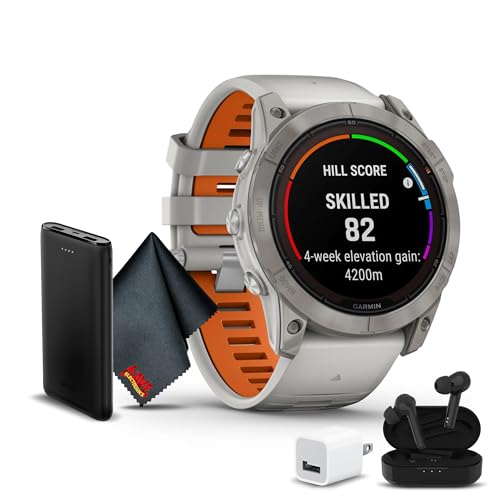
Which brands make the best smartwatches for men?
The best smartwatch brands for men are as follows:
- [shortcode-02346770216618633058018730663422237863472414743493] (Average overall score: [shortcode-13553871347903875636023470343918355196961098499315])
- [shortcode-07815710995533719347118747899560906590843804978336] (Average overall score: [shortcode-13814143249635288302178477912804457798473151790793])
- [shortcode-02628910080955993046141963811814503768162025880945] (Average overall score: [shortcode-14029408945215723125136702698612396065623977985204])
[horizontal-chart-08648179499954193059026291307783334997261754402070]
What makes a smartwatch suitable for men?
A smartwatch is usually suitable for men when it combines a larger case, a clear display, strong battery life, and a design that matches everyday wear or sport use. In practice, this usually means a screen around 1.3 inches or larger, a heavier build, and a case design that prioritizes readability and durability over compact size.
The best men's models are not defined by brand alone. It matters more whether the watch gives enough screen space for notifications and training data, has reliable health tracking, and uses materials such as stainless steel, aluminum, or reinforced polymer that hold up well in daily use.
How much do the best men’s smartwatches cost?
The best men’s smartwatches cost between £170 and £550, and some premium models reach over £850.
Mid-range models from brands such as Samsung, Huawei, or Garmin usually stay in the 250–£340 range, while Apple Watch models often start around £340 and rise higher depending on edition and materials. Luxury editions with stainless steel, titanium, or sapphire glass can exceed £1,100 because of premium design and build.
How do smartwatches for men differ from women’s models?
Smartwatches for men differ from women’s models in the following ways:
- Size and weight: Men’s smartwatches usually have larger cases (44–47 mm) and heavier builds, while women’s models often measure 38–42 mm and weigh less.
- Strap design: Men’s versions often use wider straps with sporty or leather finishes, while women’s straps are slimmer and available in more colors and styles.
- Display and readability: Men’s smartwatches often feature bigger displays with higher brightness for outdoor use, while women’s models balance readability with a more compact screen.
- Features focus: Men’s versions sometimes emphasize fitness tracking, GPS, and performance metrics, while women’s models often include features like menstrual cycle tracking or stress monitoring.
- Style and aesthetics: Men’s watches lean toward neutral or darker colors with robust cases, while women’s models feature more elegant designs, rose gold or silver finishes, and slimmer bezels.
What battery life do the best smartwatches for men have?
The best smartwatches for men have a battery life that ranges from one day to several weeks depending on the brand, display type, and features.
Premium models like the Apple Watch or Samsung Galaxy Watch usually last about 18 to 48 hours because they run advanced apps and have bright AMOLED displays. Watches designed for sports and outdoor use, such as Garmin or Suunto, often last between one and two weeks on a single charge, which is longer because of more efficient power management and larger batteries.
What health monitoring functions do the best smartwatches for men include?
The best smartwatches for men include the following health monitoring functions:
- Heart rate monitoring: Measures your heart rate throughout the day and during workouts to track cardiovascular health.
- Blood oxygen (SpO2) monitoring: Tracks oxygen levels in your blood, which can show how well your body absorbs oxygen during rest or activity.
- ECG (electrocardiogram): Records the heart’s electrical activity to detect irregular rhythms such as atrial fibrillation.
- Sleep tracking: Monitors sleep stages (light, deep, REM) and records sleep duration to evaluate sleep quality.
- Stress tracking: Uses heart rate variability to estimate stress levels and help you identify periods of physical or mental tension.
- VO2 Max measurement: Estimates your maximum oxygen consumption during exercise, which shows overall cardiovascular fitness.
- Blood pressure tracking: Measures and records blood pressure trends for better heart health awareness.
- Skin temperature monitoring: Detects changes in skin temperature that may indicate stress, recovery needs, or health issues.
- Respiration tracking: Monitors breathing rate during sleep and activity to detect irregularities.
- Menstrual cycle tracking: Tracks cycle phases and symptoms, useful for men’s smartwatches that also support shared health tracking with partners.
How durable are the best smartwatches for men?
The best smartwatches for men are highly durable as they use resistant materials and protective designs.
Many models have reinforced cases in stainless steel, titanium, or hardened aluminum, and they pair these with scratch-resistant sapphire or Gorilla Glass displays. This protects the watch from daily wear and accidental bumps, which is essential if you wear it for work, sport, or outdoor activities.
Most premium watches also carry an IP68 or 5 ATM rating, which means they withstand dust, splashes, and submersion in water up to 50 meters. Rugged models such as those from Garmin or Casio add military-grade certifications (MIL-STD-810G) that prove resistance to shocks, extreme temperatures, and pressure changes. This makes them suitable for hiking, swimming, or other demanding conditions.
What kind of display and size do the best smartwatches for men have?
The best smartwatches for men have AMOLED or OLED displays with sharp resolution and bright colors. Screen sizes usually range between 1.3 and 1.5 inches, which gives enough space for apps, fitness data, and notifications without feeling too bulky on the wrist. Some premium models reach up to 2 inches with very thin bezels, so you get more display area without a larger case.
Brightness levels often reach 1000 nits or more, which keeps the screen clear even in direct sunlight. Many watches include an always-on mode, so you can read time and health data at a glance.
Touchscreens are standard, but some brands also add rotating bezels, crowns, or buttons for easier navigation.
What smartwatch styles are most popular among men?
The most popular smartwatch styles among men are the following:
- Classic round design: These resemble traditional wristwatches and suit men who want a timeless look that fits both casual and formal wear. Brands often use stainless steel or premium finishes to highlight elegance.
- Rugged outdoor style: These models target men who need durability for sports or outdoor activities. They often feature reinforced cases, larger buttons, and stronger resistance to shocks or extreme conditions.
- Minimalist modern style: These watches focus on a slim profile with clean lines and simple displays. They attract men who prefer a sleek design that blends with everyday outfits.


- Hybrid smartwatch style: These combine analog hands with digital displays. Men choose them when they want a classic look with smart functions like notifications and fitness tracking.
- Sporty fitness style: These watches highlight bold colors, lightweight cases, and silicone straps. They fit men who focus on workouts and health features while keeping a dynamic appearance.