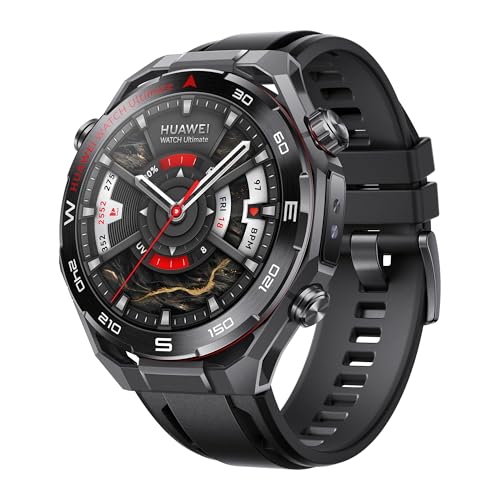
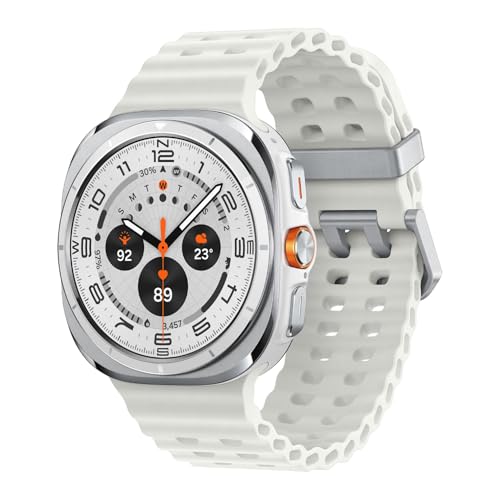
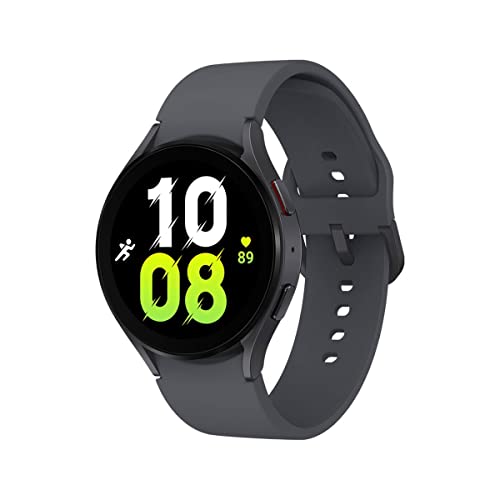
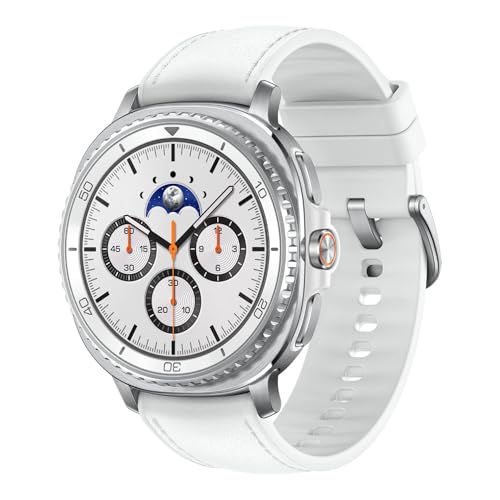
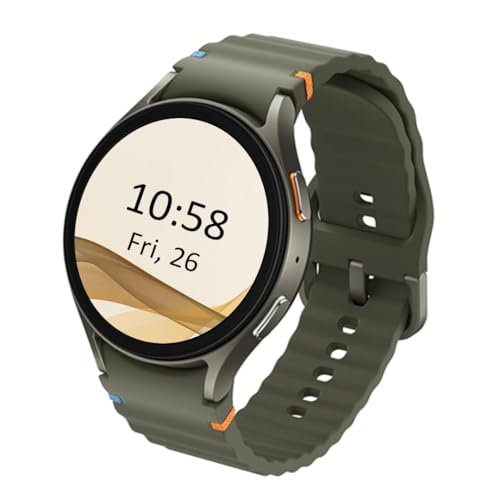
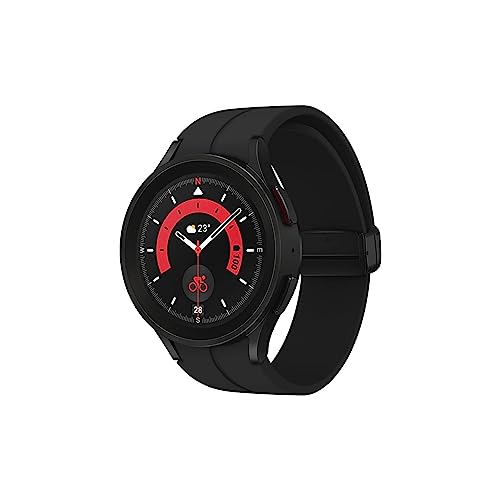
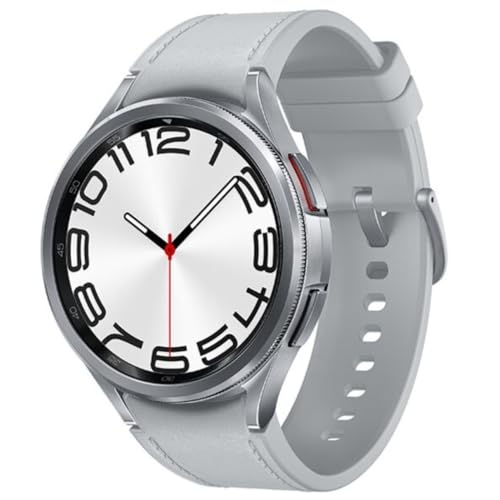
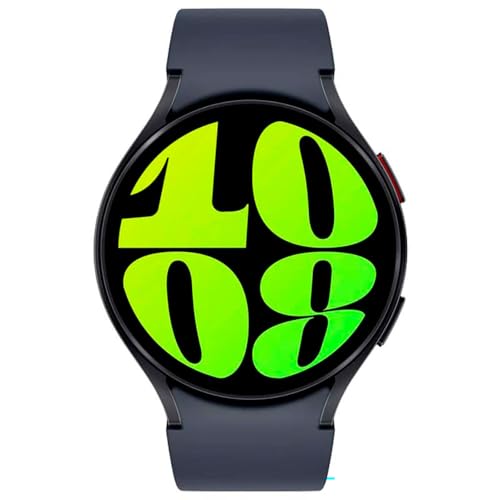
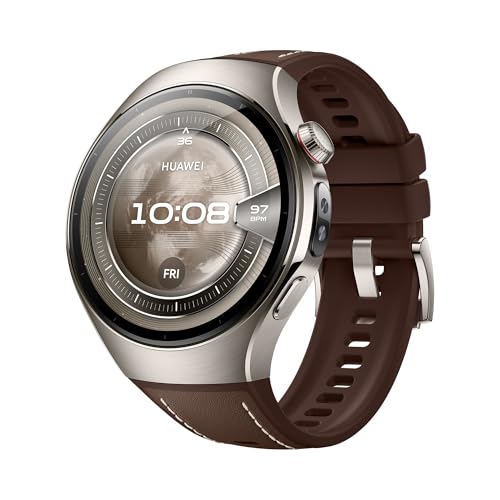
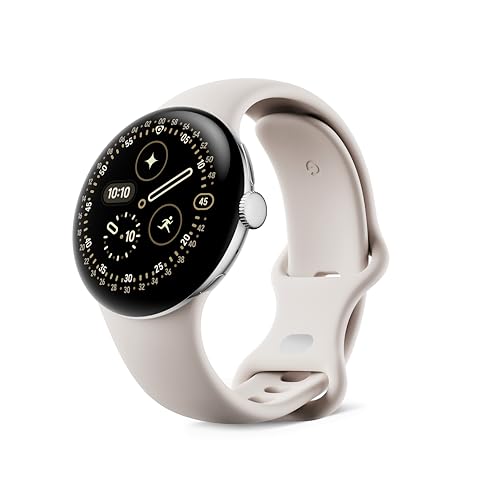
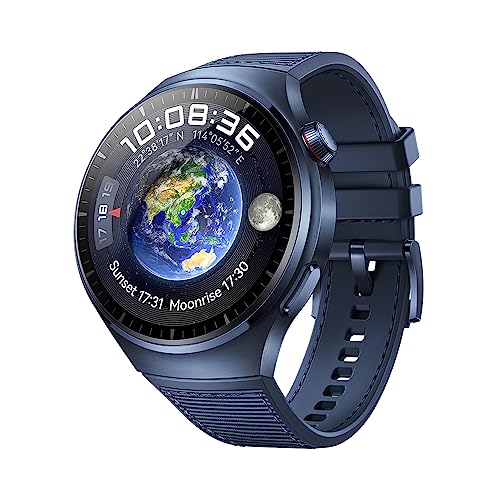
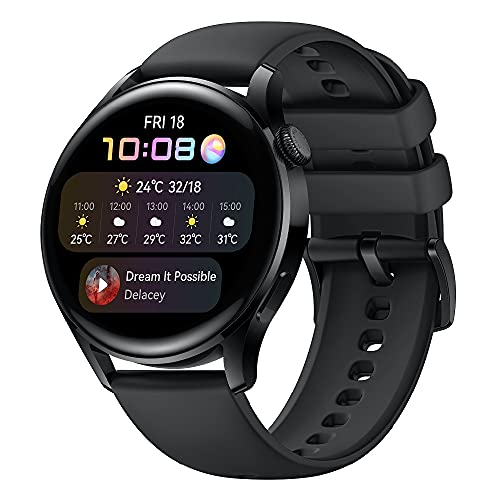
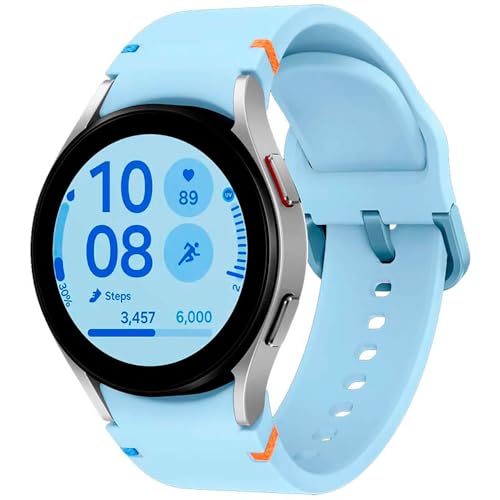
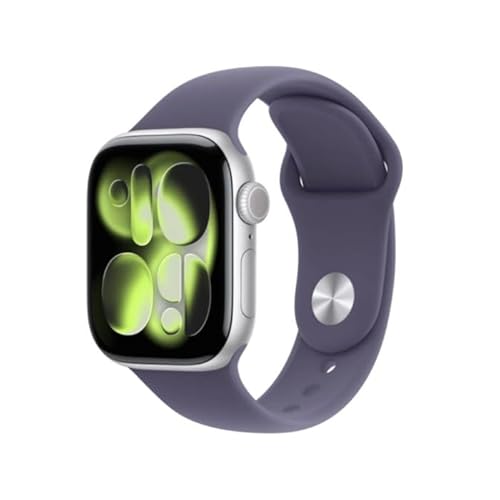
Which brands make the best LTE smartwatches?
The best LTE smartwatch brands are as follows:
- [shortcode-17508666378101732223109778283115082954350352545629] (Average overall score: [shortcode-05750794913892692077054449479411896379151758649954])
- [shortcode-09893298129951912353102584372207145639361338097875] (Average overall score: [shortcode-17599855819630619714170036266557048575313418067038])
- [shortcode-07297987820831044973128509361831471590111829970273] (Average overall score: [shortcode-07601133173040990238009757472051196204342785212329])
[horizontal-chart-16417087227355925509123593677076254864321974004766]
How much do the best LTE smartwatches cost?
The best LTE smartwatches cost between £260 and £700, depending on the brand, features, and build quality. Entry-level LTE models start at around £260 and give you basic connectivity with calls, texts, and notifications directly on your wrist. Mid-range LTE smartwatches usually fall in the 400–£430 range, where you get better displays, longer battery life, and advanced health tracking.
High-end LTE smartwatches reach 700–£700 or more, especially models from premium brands that include stainless steel or titanium cases, AMOLED screens, and advanced features such as ECG, SpO2 tracking, and standalone GPS.
When you buy an LTE smartwatch, you also need to factor in the cost of the data plan with your carrier, which typically adds a monthly fee to keep the watch connected without your phone. This extra cost makes LTE smartwatches more expensive to maintain compared to Bluetooth-only models.
What is an LTE smartwatch?
An LTE smartwatch is a smartwatch that connects directly to 4G LTE networks without needing your phone nearby. It uses a SIM card or eSIM to access mobile data, so you can make calls, send texts, and use apps on your wrist. This means you can stay connected during workouts, outdoor activities, or even when you leave your phone at home.
With LTE, your smartwatch works like a small smartphone on your wrist. You can stream music, get GPS navigation, and receive notifications in real time. Battery life may be shorter than on non-LTE smartwatches because the cellular connection uses more power, but you gain independence from your phone.
LTE connectivity is still mostly reserved for premium or carrier-ready smartwatch models.
Do LTE smartwatches require a separate data plan?
Yes, LTE smartwatches require a separate data plan if you want to use them independently from your phone. The LTE connection works like a miniature version of the one in your smartphone, so your watch needs its own subscription to access calls, messages, and apps without pairing with your phone over Bluetooth. Some carriers support an eSIM that links your watch to the same number as your phone, while others require an additional number with its own plan.
The cost of this plan depends on your carrier and region, but in most cases you pay a monthly fee between £5 and £13 for smartwatch connectivity.
How does battery life differ on an LTE smartwatch?
Battery life differs on an LTE smartwatch because the mobile connection drains more power than Bluetooth or Wi-Fi. When you use LTE, the watch constantly communicates with cell towers, which requires more energy. This means you usually get fewer hours of active use compared to the same model running only in Bluetooth mode.
If you use your LTE smartwatch for calls, messages, and data without a phone nearby, you can expect the battery to last much less than in standard smartwatch mode. Some watches last only a day with LTE active, while the same device can last two or more days on Bluetooth. The actual time depends on the watch’s battery capacity, network signal strength, and how often you use LTE functions.
What to consider while choosing the best LTE smartwatch?
When you choose the best LTE smartwatch for your needs, you should focus on the following key points:
- Battery: LTE connectivity drains battery faster than standard Bluetooth connections, so battery life matters more than on a typical smartwatch. Models with better endurance are more practical if you plan to use calls, messaging, and data without your phone nearby.

- Device compatibility: Your smartphone still determines which LTE smartwatch makes the most sense. Apple Watch works best with iPhone, while Wear OS and Samsung models fit Android users better.
- Connectivity: Check how independently the watch can handle calls, messages, music, and apps when your phone is not nearby. This is one of the main reasons to buy an LTE model in the first place.
- Health and fitness tracking: Premium LTE smartwatches often combine cellular freedom with advanced health and fitness features such as ECG, heart rate tracking, GPS, and broader workout support.
- Display quality: A bright and easy-to-read display is important because LTE smartwatches are often used on the move, outdoors, and without constant access to your phone.
- Water resistance: Water resistance affects how safely you can use the watch for swimming, training, and daily wear. Check the rating carefully if water use matters to you.