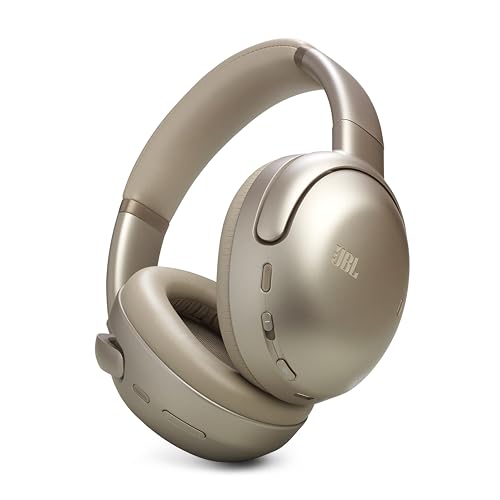
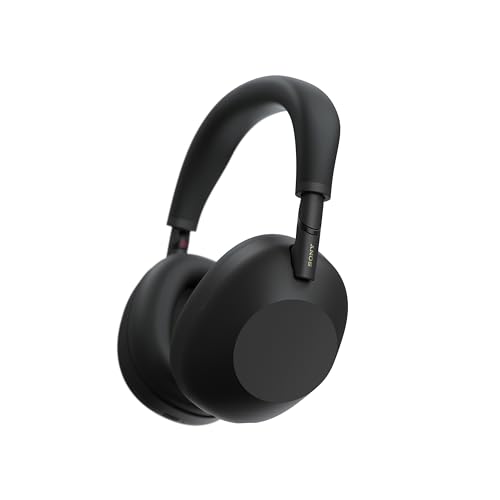
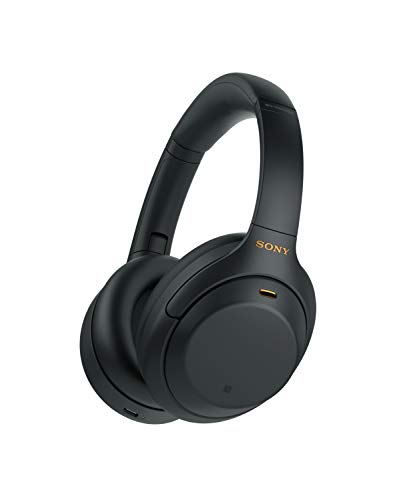
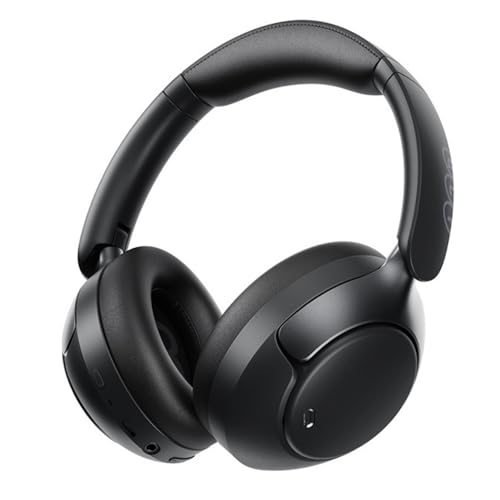
Which brands make the best wireless over-ear headphones?
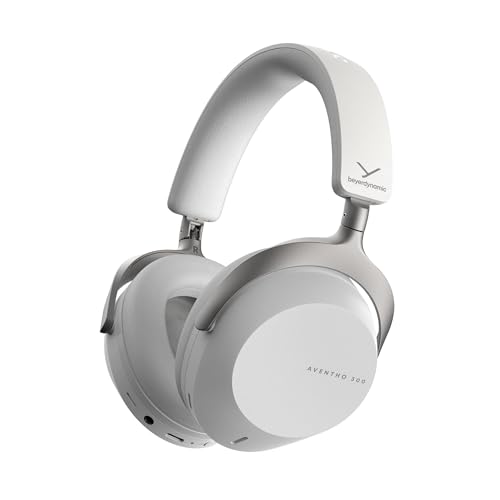
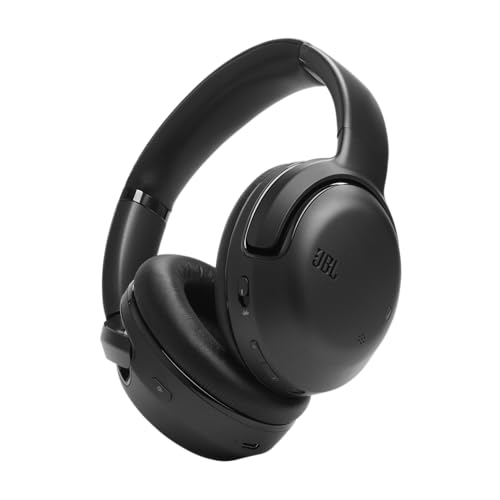
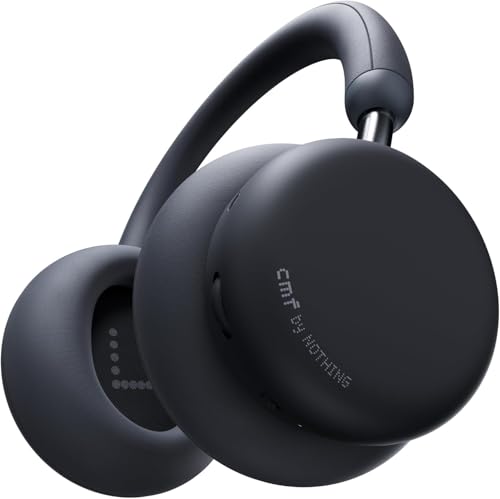
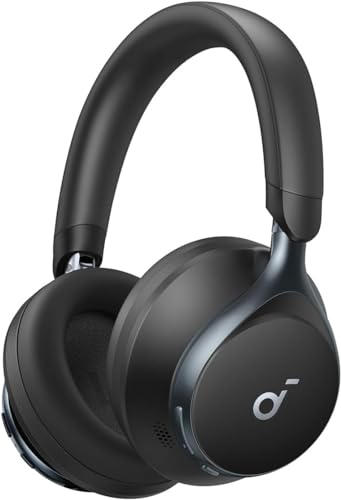
The best wireless over-ear headphone brands are as follows.
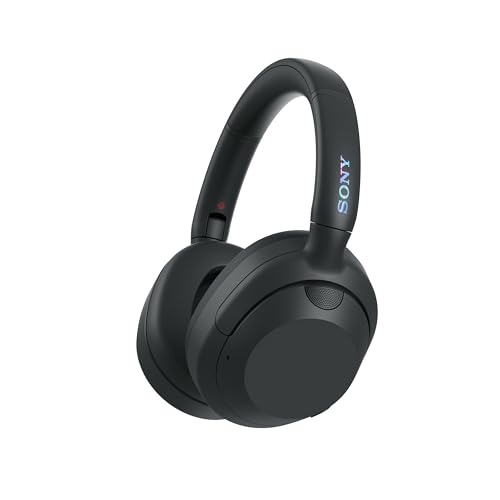
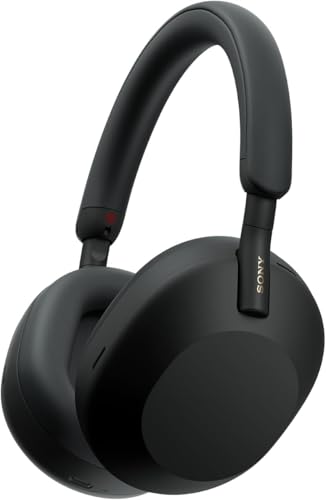
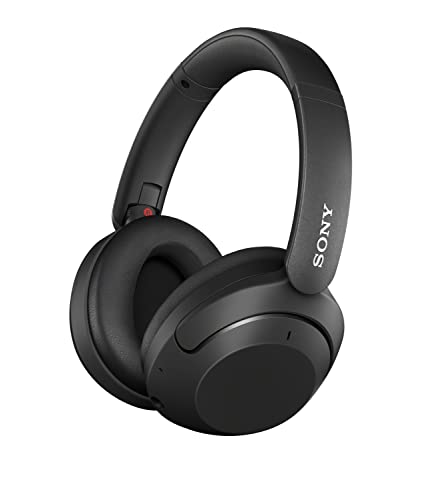
- Sony (Average overall score: 8.3)
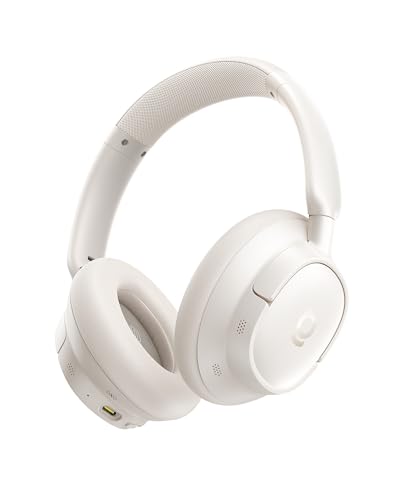
- Anker (Average overall score: 8.2)
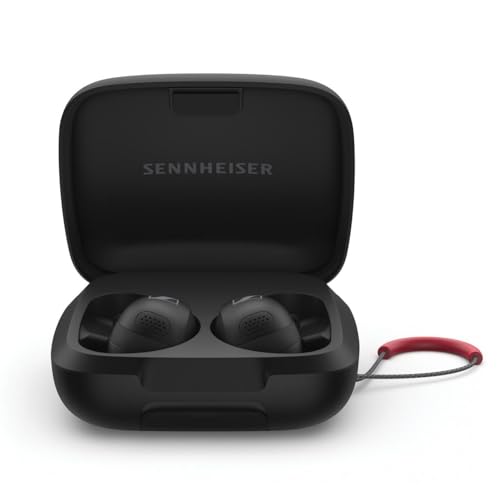
- Sennheiser (Average overall score: 8.1)
The chart below ranks wireless over-ear headphone brands by average overall score.
[horizontal-chart-02688547569278336462138784522792022870321245259908]
Which wireless over-ear headphone brands have the highest average user ratings?
The wireless over-ear headphone brands with the highest average user ratings are as follows.
- Bose (Average user rating: 9.4 points)
- Anker (Average user rating: 9.3 points)
- Sony (Average user rating: 9.3 points)
The chart below ranks wireless over-ear headphone brands by average user rating.
[horizontal-chart-04067762036585896925125738590365543289451309496323]
How much do the best over-ear headphones cost?
The best over-ear headphones cost about 100-£340, while premium models can go much higher when driver quality, build materials, ANC, and brand positioning all move up a level.
A lot of entry-level over-ear headphones sit below £90, but the strongest balance of comfort, tuning, isolation, and long-term build quality is usually easier to find around 150-£300. Wireless ANC models often cluster in the middle of that range, while audiophile-focused wired models and luxury designs push far above it.
Cheap over-ear headphones can still work well for casual listening, but pad quality, headband comfort, consistency of tuning, and long-session durability are often where the lower price tiers give up the most.
What makes over-ear headphones worth buying?
Over-ear headphones are worth buying because they usually offer the best mix of comfort, scale of sound, and passive isolation in the broader headphone market.
Over-ear designs place the pads around the ear rather than directly on it, which usually reduces pressure points and makes long listening sessions easier. The larger cups also give designers more room for bigger drivers, deeper pads, and better acoustic control than smaller on-ear or many in-ear alternatives.
The main tradeoff is size. Over-ear headphones are bulkier to carry, warmer to wear, and often less convenient for fast everyday movement than smaller designs, so they make the most sense when comfort and listening quality matter more than compactness.
Are over-ear headphones better wired or wireless?
Over-ear headphones are not automatically better wired or wireless, because the better choice depends on where and how you listen.
Wired over-ear headphones are usually the safer choice if you care most about long-term reliability, zero charging, and predictable latency. They also make the most sense for desktop use, studio work, hi-fi listening, or any setup where you are already sitting close to the source device.
Wireless over-ear headphones are usually the better fit for commuting, office work, travel, and mixed-device use because they remove cable drag and often add ANC, microphones, and app control. The tradeoff is battery dependence, more electronics inside the cups, and greater long-term reliance on firmware and battery health.
What should you consider while choosing over-ear headphones?
When you choose over-ear headphones, you should focus on the following key aspects:
- Acoustic design: Check whether you need open-back or closed-back design. Over-ear headphones split first into closed-back and open-back designs. Closed models isolate better for offices and travel, while open-back models give a wider stage and more natural air but leak heavily and make sense mainly in quiet rooms.
- Driver size: Most over-ear models use dynamic drivers in roughly the 35-50 mm range, but the tuning and enclosure matter more than the raw number. A well-tuned 40 mm driver can outperform a larger one if the pads, cup volume, and damping are better matched.
- ANC support: If you travel or work in noisy places, put ANC near the top of your list. If the headphone is for commuting or flights, active noise cancellation matters far more than it does on a desk-only or home-listening model. Buyers should separate true travel over-ears from wired home headphones immediately, because they are built for different jobs.
- Comfort: If you will wear the headphones for hours, put comfort high on your list. Weight, clamp force, ear-cup depth, and pad material decide whether an over-ear headphone still feels good after two or three hours. This format can sound excellent, but a shallow cup or hot pad can ruin it faster than a small difference in codec support.
- Battery or cable fallback: Think about what happens when the battery runs low or you need a cable. Wireless over-ears often range from roughly 20-60 hours depending on ANC and codec load, while wired models avoid battery concerns entirely. If you travel or work long days, wired fallback or USB listening is still worth checking on wireless models.