
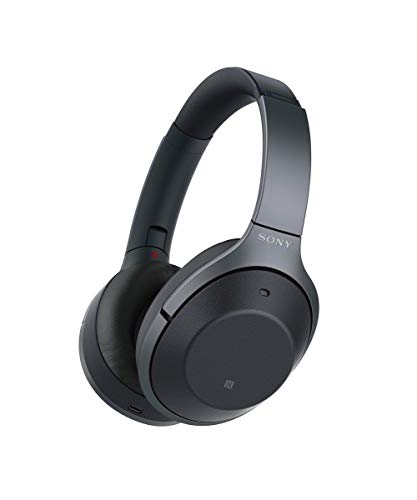
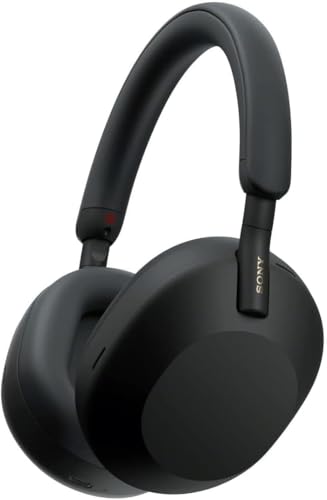
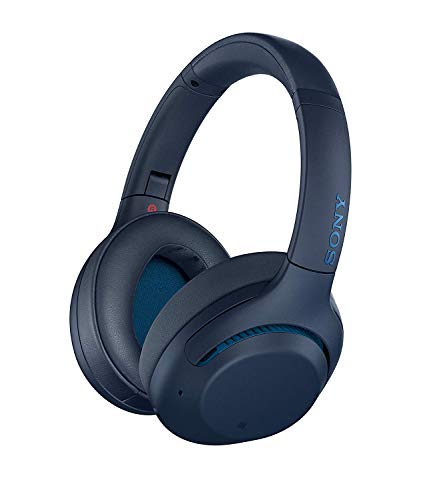
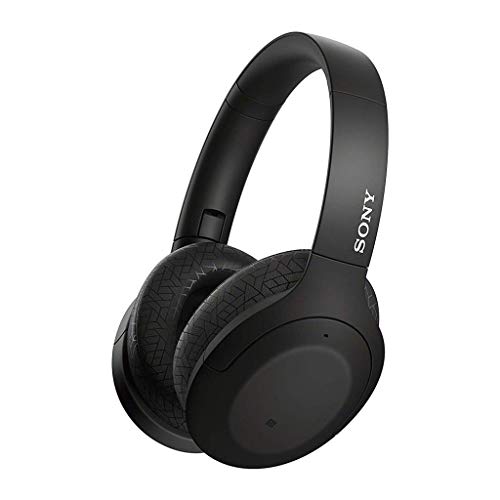
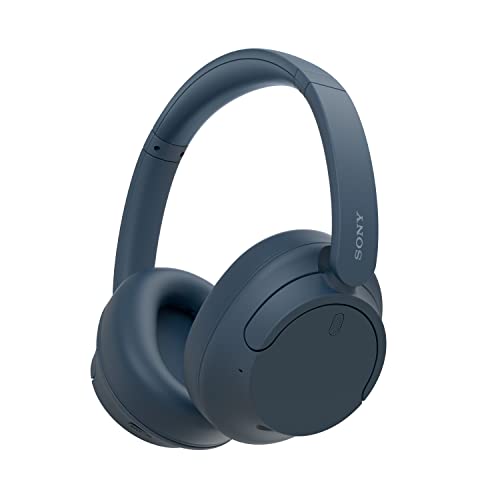
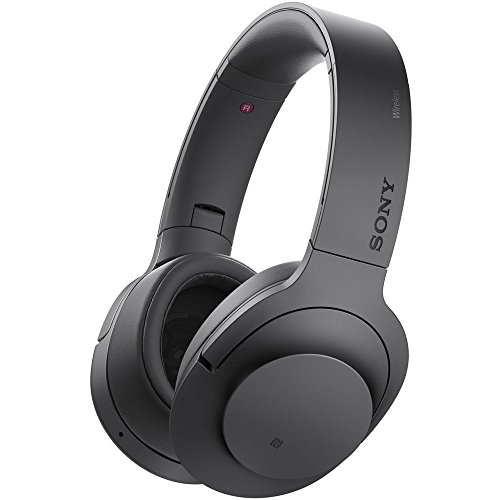
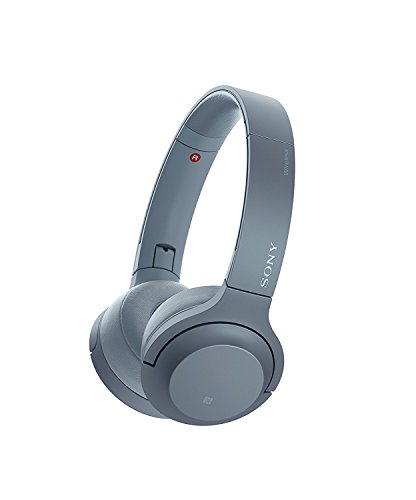
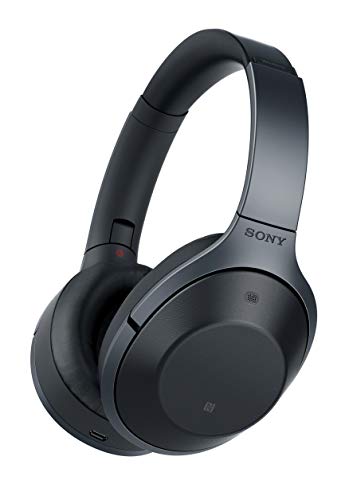
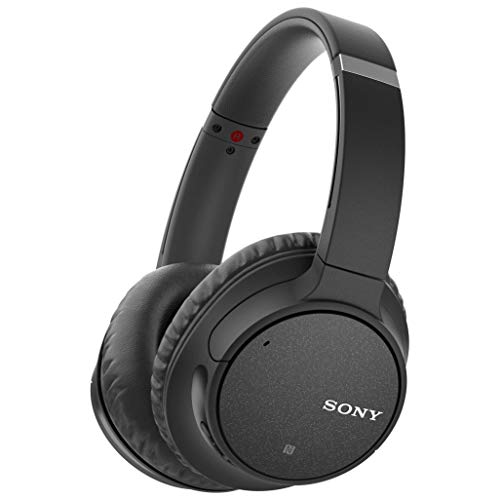
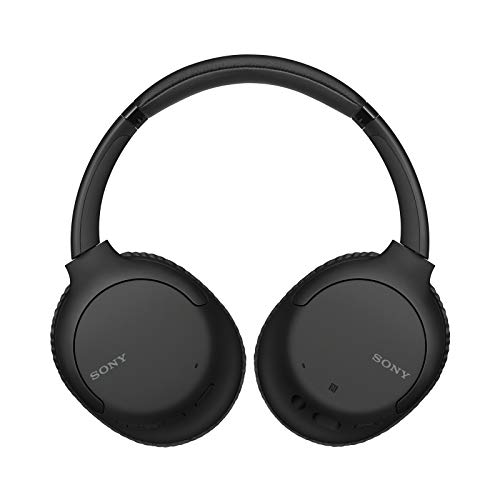
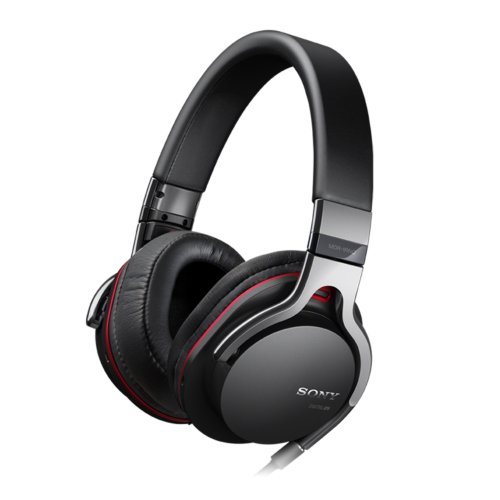
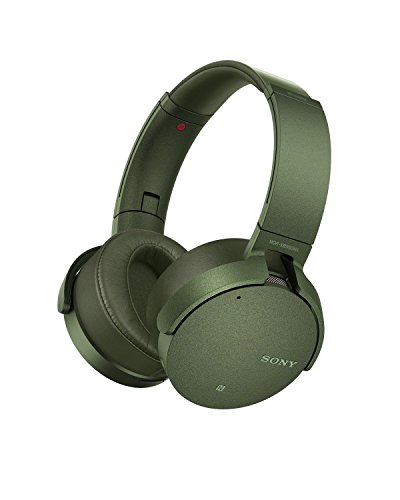
Are Sony noise-cancelling headphones good?
Sony noise-cancelling headphones have an average overall score of 8.3, ranking #2 among comparable noise-cancelling headphone brands, and a user rating of 9.3, placing them at #3 based on user reviews.
Sony's main strength in this filtered slice is depth with clear product progression. The brand covers cheaper ANC entries, mainstream CH and XB models, premium WH-1000X generations, and several older wired or hybrid branches, so buyers can stay within one brand across very different budgets.
The tradeoff is that the range is not equally modern from top to bottom. Older legacy ANC products still appear in the broader Sony pool, USB-C is not universal across the full slice, and some cheaper or older models do not deliver the same refined travel experience as the better WH-series options.
Sony noise-cancelling headphones make the most sense for buyers who want a wide Sony-only shortlist, especially if they care about comparing affordable ANC models against stronger premium over-ear options without leaving the same brand family.
The best Sony noise-cancelling headphones are as follows:
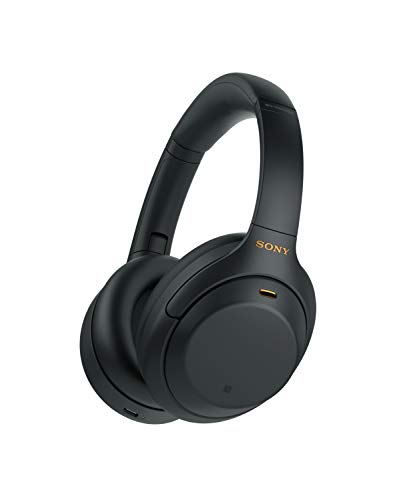
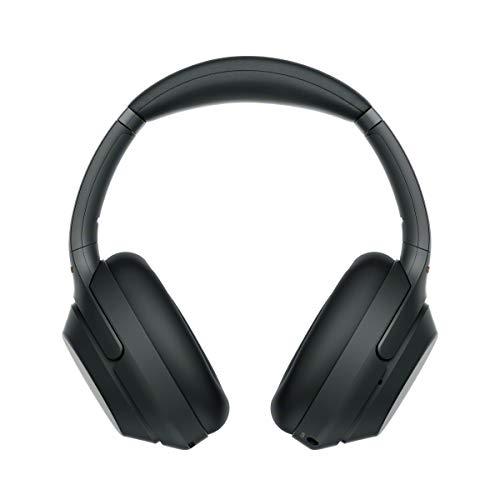
- Sony WH 1000XM4 (Overall score: 9.04)
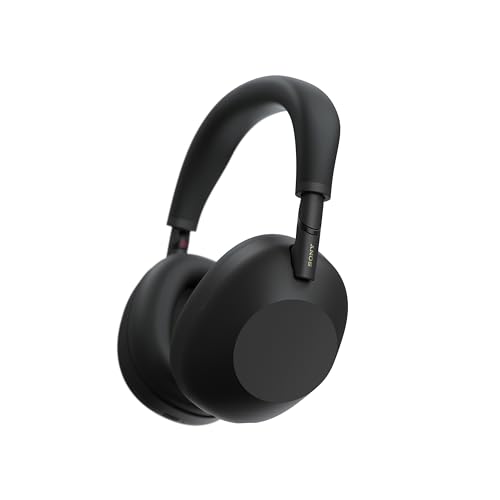
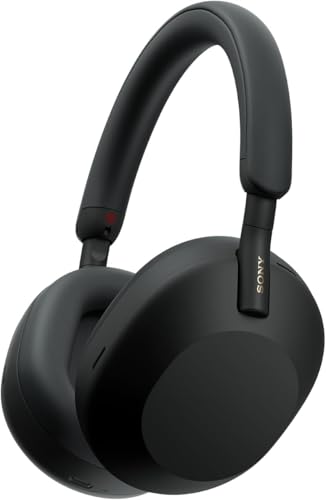
- Sony WH 1000XM6 (Overall score: 8.97)
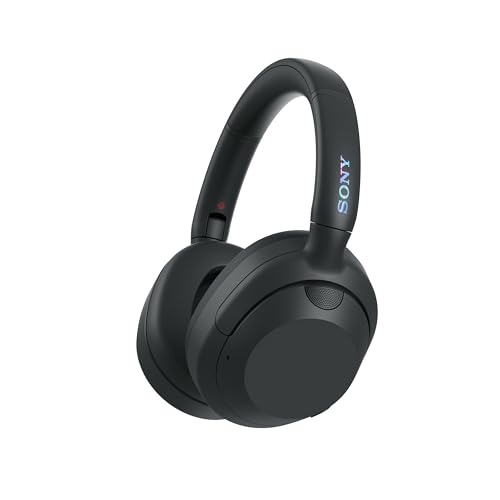
- Sony WH ULT900N (Overall score: 8.85)
The chart below ranks noise-cancelling headphone brands by average overall score and shows where Sony stands.
[horizontal-chart-11064344283314864596128608389837141427020573445443]
What are the main advantages of Sony noise-cancelling headphones?
The main advantages of Sony noise-cancelling headphones are as follows.
- Top-tier ANC: Sony remains one of the safest names for buyers who mainly want strong noise cancellation for commuting, flights, and office listening.
- Strong ambient and travel features: Transparency mode quality, app tuning, call handling, and useful travel-oriented controls make the better models feel complete rather than single-spec products.
- Choice between earbuds and over-ears: The noise-cancelling branch gives buyers a real decision between compact carry and larger full-size isolation without leaving the Sony ecosystem.
- Long practical battery life: Battery endurance with ANC active is usually a real strength, especially on Sony's more serious travel over-ear models.
- Polished daily use: Compared with many rivals, Sony usually combines ANC with better app control and overall wireless maturity instead of treating noise cancelling as the only headline feature.
What are the main disadvantages of Sony noise-cancelling headphones?
The main disadvantages of Sony noise-cancelling headphones are as follows.
- Top-tier ANC: Sony remains one of the safest names for buyers who mainly want strong noise cancellation for commuting, flights, and office listening.
- Strong ambient and travel features: Transparency mode quality, app tuning, call handling, and useful travel-oriented controls make the better models feel complete rather than single-spec products.
- Choice between earbuds and over-ears: The noise-cancelling branch gives buyers a real decision between compact carry and larger full-size isolation without leaving the Sony ecosystem.
- Long practical battery life: Battery endurance with ANC active is usually a real strength, especially on Sony's more serious travel over-ear models.
- Polished daily use: Compared with many rivals, Sony usually combines ANC with better app control and overall wireless maturity instead of treating noise cancelling as the only headline feature.

Who makes Sony headphones?
Sony headphones are made by Sony, the Japanese consumer electronics company known for audio, TVs, cameras, PlayStation, and other mainstream technology products. That background helps explain why Sony's headphone lineup combines large-scale consumer reach with strong feature development in areas such as wireless audio and active noise cancellation.
Sony's role in the ANC market is much more significant than a small side branch. The company has spent years building recognizable noise-cancelling families across several price tiers, which is why the Sony slice here is both broader and more layered than what many competitors offer.
In practical buying terms, Sony sits in the mainstream-premium technology lane. Buyers usually come to the brand for a mix of broad choice, strong ANC reputation, and recognizable flagship families rather than for boutique audio identity alone.
What are the main Sony noise-cancelling headphone series?
The main Sony noise-cancelling headphone series are as follows.
- WH-1000X: This is Sony's flagship ANC family and the clearest place to start if you want the brand's best-known premium over-ear noise-cancelling headphones.
- CH700/710/720N: This branch covers more affordable mainstream over-ear ANC options for buyers who want Sony's travel-friendly feature set at lower prices than the flagship line.
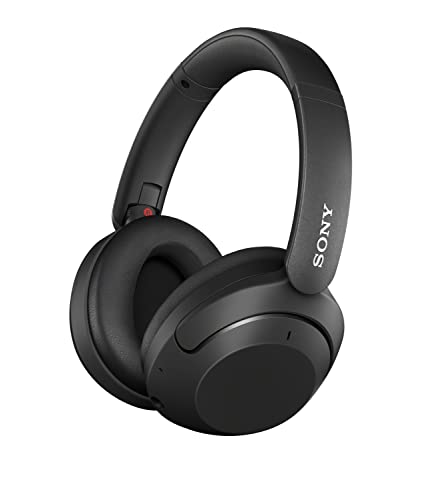
- XB900N and XB910N: These extra-bass-oriented ANC models target buyers who want a more energetic sound profile without leaving Sony's over-ear wireless ANC lane.
- H.ear and related lifestyle branches: H.ear models and similar side families show Sony's mid-to-upper-range consumer ANC direction outside the main WH naming.
- MDR NC legacy lines: Older MDR NC products help explain Sony's long-running ANC history, especially across wired or earlier-generation branches.
- In-ear ANC models: A small group of in-ear Sony ANC products exists, but it is much less central than the over-ear range.
How much do Sony noise-cancelling headphones cost?
Sony noise-cancelling headphones usually cost about 10-£350, but most realistic buying choices sit around 150-£310. That middle-to-upper zone covers the stronger CH, XB, H.ear, and WH-1000X style models that define Sony's ANC reputation for most buyers.
Price differences inside Sony are driven by generation, connection style, and how premium the ANC experience is. The very cheapest entries tend to be older or simpler products, while the better-known wireless over-ear travel models occupy the central buying range and the newer flagships push higher.
For most buyers, the best value does not sit at the absolute bottom of Sony's ANC pool. The 150-£310 range is where the brand's more complete mix of wireless convenience, battery life, and stronger everyday noise cancelling usually becomes much easier to justify.
This chart visualizes Sony noise-cancelling headphone prices.
[vertical-chart-03067424573761655854013105307474904595030259295238]
What should you consider while choosing Sony noise-cancelling headphones?
When you choose Sony noise-cancelling headphones, you should focus on the following key aspects:
- ANC tier: If you travel or work in noisy places, put ANC near the top of your list. Sony's best noise-cancelling models separate themselves through stronger low-frequency suppression, cleaner office-noise reduction, and smoother pressure behavior. In this subcategory, the gap between flagship and mid-tier ANC is large enough to justify treating it as the main filter.
- Form factor: Start by choosing the shape that fits how you will use the headphones. Sony's ANC branch covers both earbuds and over-ear models. Earbuds win on carry size, while over-ears usually provide stronger isolation, longer runtime, and better long-haul travel comfort.
- Codec support: Check whether your phone or laptop can actually use the better codecs on offer. LDAC, multipoint stability, ambient-mode quality, and call behavior matter because premium ANC buyers usually expect the whole wireless stack to work well together. A strong ANC figure alone is not enough if the app and codec side is weak.
- Battery life: Check the real battery figure for your kind of use, not just the best-case claim. Many serious Sony ANC over-ears land around 25-40 hours, while ANC earbuds are usually much lower per charge. That battery gap should be weighed alongside size and comfort, especially for flights or full workdays.
- Comfort: If you will wear the headphones for hours, put comfort high on your list. Once ANC quality is already strong enough, clamp force, pad heat, and earbud pressure can decide the better model. Long-session comfort matters more here than on casual home headphones because these products are often worn for hours without breaks.