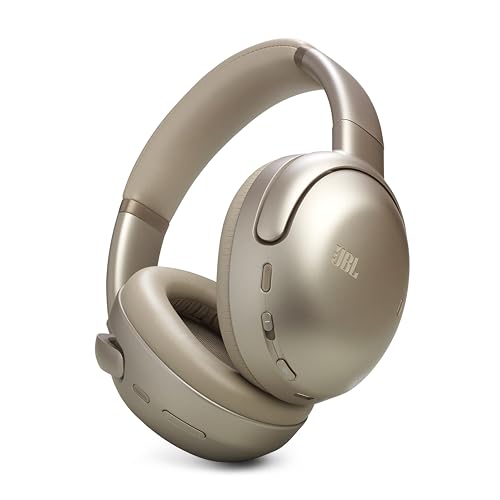

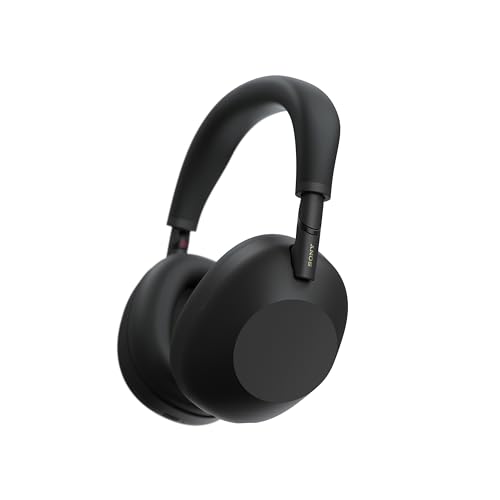
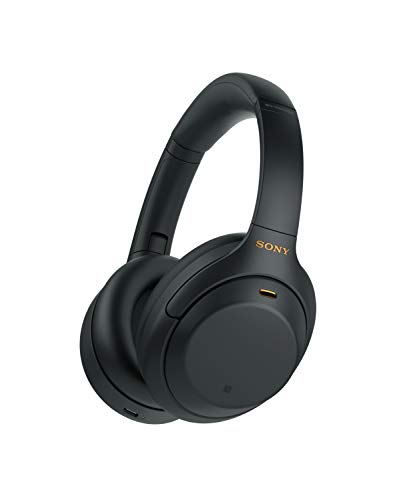
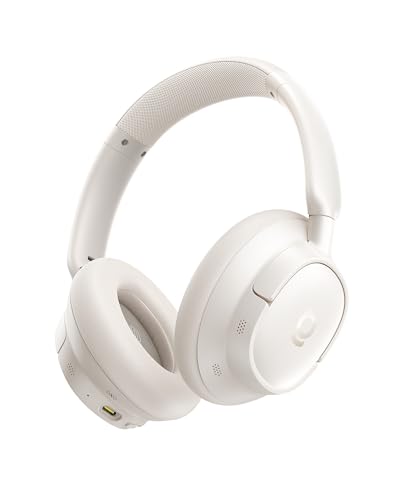
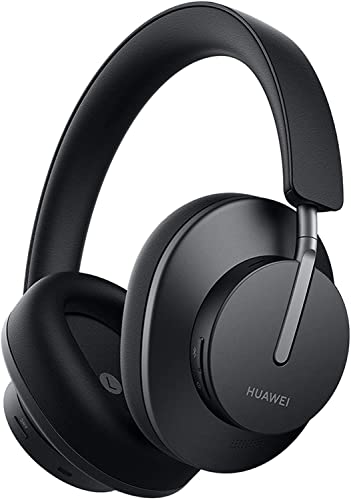
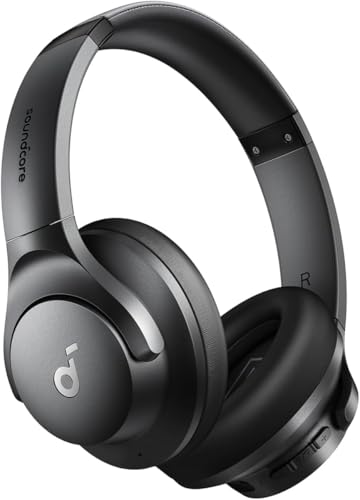
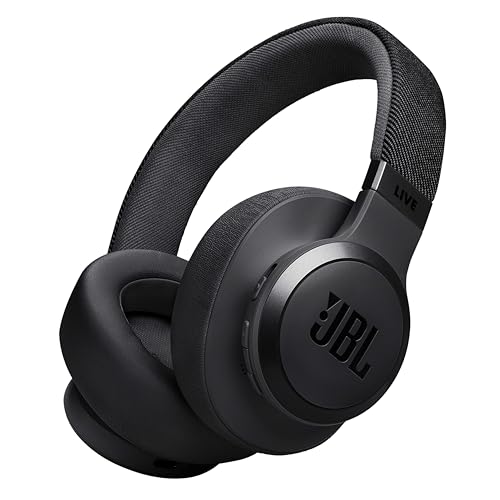
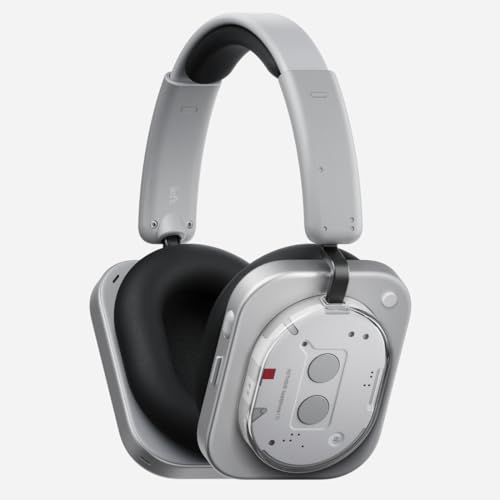
Which brands make the best noise-cancelling over-ear headphones?
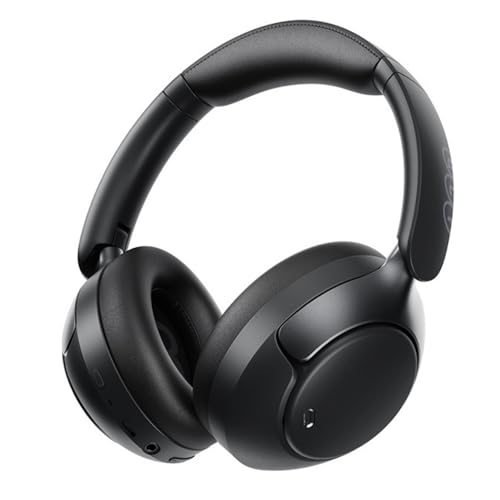
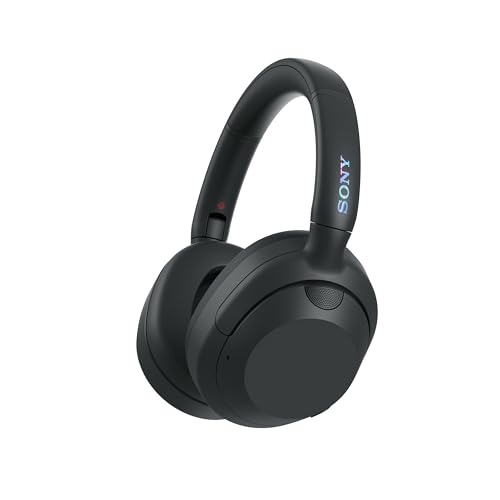
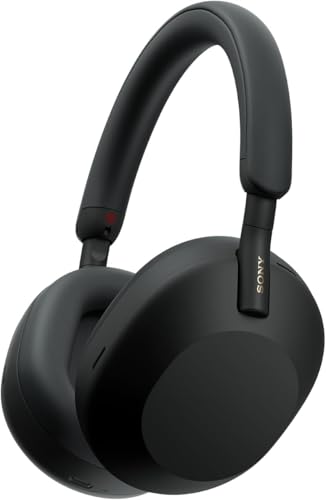
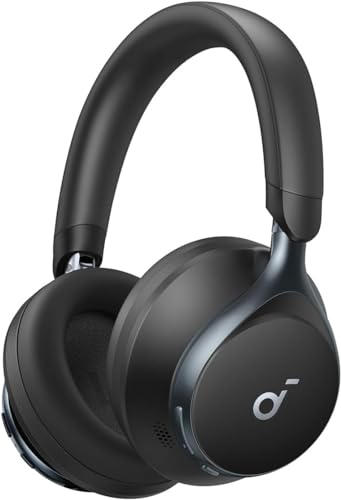
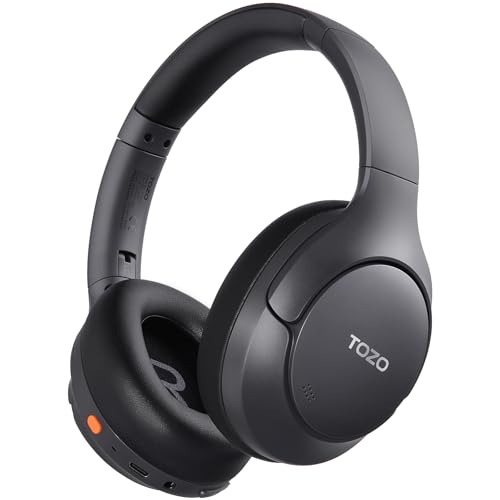
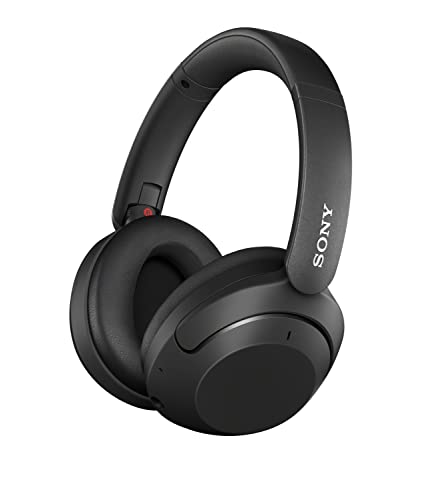
The best noise-cancelling over-ear headphone brands are as follows.
- Baseus (Average overall score: 8.3)
- Sony (Average overall score: 8.3)
- Anker (Average overall score: 8.3)
The chart below ranks noise-cancelling over-ear headphone brands by average overall score.
[horizontal-chart-17145756316235324088015380703152402925480506778437]
Which noise-cancelling over-ear headphone brands have the highest average user ratings?
The noise-cancelling over-ear headphone brands with the highest average user ratings are as follows.
- Bose (Average user rating: 9.4 points)
- Anker (Average user rating: 9.3 points)
- Sony (Average user rating: 9.3 points)
The chart below ranks noise-cancelling over-ear headphone brands by average user rating.
[horizontal-chart-07817911901301861180170920408399950317692089001877]
What are noise-cancelling over-ear headphones?
Noise-cancelling over-ear headphones are closed over-ear models that use active electronics to reduce outside noise while also relying on large ear cups for passive sealing.
The over-ear shape covers the ears with pads that block part of the surrounding sound on their own. ANC then adds microphones and processing that target steady background noise such as engines, HVAC hum, or office noise.
That combination makes these headphones especially useful for travel, shared workspaces, and long listening sessions where comfort and isolation matter together. They are less about maximum portability than about sustained quiet and reduced listening fatigue.
How do active noise cancellation and passive isolation compare?
Active noise cancellation and passive isolation work best together, but they do different jobs.
Passive isolation comes from the ear pads, clamp force, cup shape, and seal around the ears. It is especially useful for higher-frequency noise and for stopping sound leakage in both directions. Active noise cancellation is better at reducing steady low-frequency noise such as plane engines, air conditioning, or train rumble.
A strong over-ear ANC headphone needs both. Good passive isolation gives the electronics less work to do, and stronger ANC makes the sealed design far more effective in real travel and office conditions than passive isolation alone.
How good is battery life on noise-cancelling over-ear headphones?
Battery life on noise-cancelling over-ear headphones is usually good, with about 20-50 hours being the most useful practical band and around 30-40 hours already counting as strong.
In this topic, many models still advertise higher raw battery figures with ANC off, but the more important number is runtime with ANC active because that is how these headphones are usually used. A lot of the market clusters around roughly 20-50 hours with ANC on, while stronger long-run options push well beyond that.
Battery life matters less if you mostly listen at a desk with a cable nearby, but it matters a lot for flights, commutes, and workdays. Quick charging and the ability to keep listening in wired mode become valuable once runtime drops toward the lower end of the category.
What should you consider while choosing noise-cancelling over-ear headphones?
When you choose noise-cancelling over-ear headphones, you should focus on the following key aspects:
- ANC performance: If you travel or work in noisy places, put ANC near the top of your list. The best noise-cancelling over-ear headphones do more than remove low engine rumble. They should also reduce office HVAC noise and nearby chatter while keeping pressure comfort natural enough for multi-hour use.
- Passive isolation: Do not ignore pad seal and passive blocking just because ANC is present. Cup seal and pad density still matter because active cancellation works best when the headphone already blocks a useful amount of outside sound mechanically. A weak seal can make even expensive ANC sound less effective.
- Battery life: Check the real battery figure for your kind of use, not just the best-case claim. Strong ANC over-ears commonly sit around 25-60 hours depending on the brand, codec load, and whether multipoint is active. That spread matters because these are often workday and travel headphones rather than short-session products.
- Comfort: If you will wear the headphones for hours, put comfort high on your list. Weight, clamp force, and pad heat become critical in this category because ANC over-ears are worn for long blocks of time. A slightly lighter or cooler model can be the better buy even if the ANC spec sheet is similar.
- Wired backup: Think about what happens when the battery runs low or you need a cable. Analog cable support or USB audio still matters if the battery dies or if you need airline, console, or desk compatibility. Premium ANC is most useful when the headphone still behaves predictably outside pure Bluetooth use.