Which brands make the best DJ headphones?
The best DJ headphone brands are as follows:
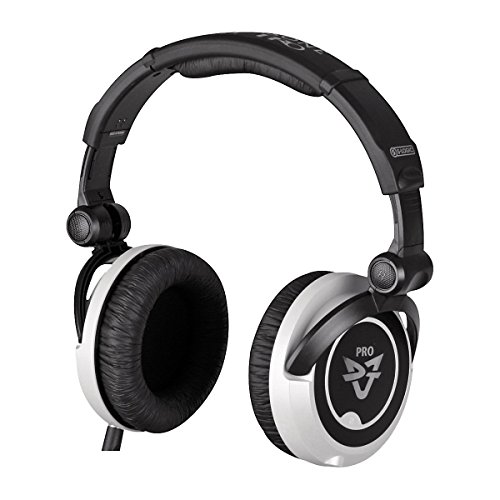
- Ultrasone (Average overall score: 5.9)
- Technics (Average overall score: 5.7)
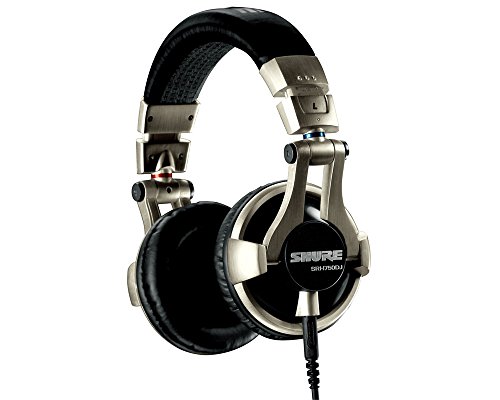
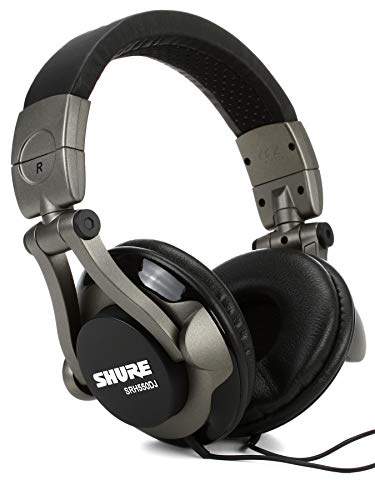
- Shure (Average overall score: 5.4)
The chart below ranks DJ headphone brands by average overall score.
[horizontal-chart-09937085659607850897058956983053041714593830164859]
Which DJ headphone brands have the highest average user ratings?
The DJ headphone brands with the highest average user ratings are as follows.
- Sennheiser (Average user rating: 9.3 points)
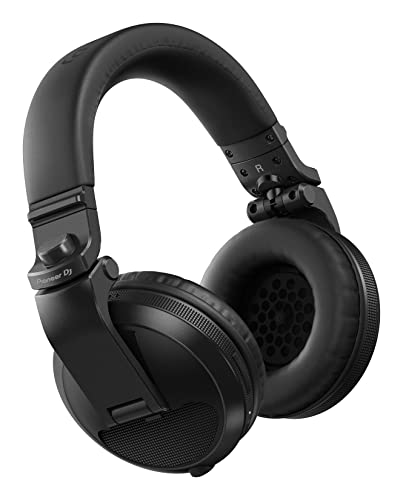
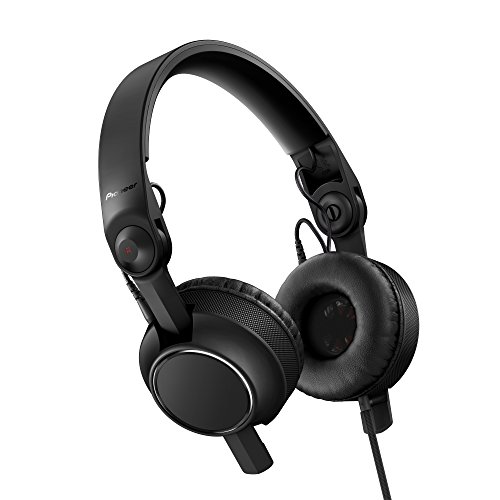
- Pioneer (Average user rating: 9.2 points)
- Shure (Average user rating: 8.9 points)
The chart below ranks DJ headphone brands by average user rating.
[horizontal-chart-06920236904594106250146267255942613298310140287357]
How much do the best DJ headphones cost?
The best DJ headphones usually cost about 30-£260, with most serious buying choices sitting around 80-£170.
That middle range is where a lot of the practical DJ market lives. It covers many of the long-running wired models that focus on cueing, foldable transport, detachable cables, and replaceable pads without forcing buyers into luxury pricing.
Cheaper models can still work for entry-level practice or occasional mixing, but build quality and long-session comfort often become less dependable at the bottom of the range. Premium DJ headphones above about £220 are more niche and usually make sense only if you want a specific flagship line, stronger materials, or a higher-end pro-audio brand position.
This chart visualizes DJ headphone prices.
[vertical-chart-03403458034638852182078776253393241824051118689761]
What makes headphones suitable for DJ use?
Headphones are suitable for DJ use when they combine strong passive isolation, stable fit, durable construction, and cue-friendly practicality.
- Passive isolation: DJ headphones need to block enough outside sound to make beatmatching and cue monitoring easier in loud rooms.
- Secure fit: A stable clamp and predictable earcup position matter because the headphones are often moved on and off one ear during a set.
- Swiveling or flexible cups: DJ use often involves single-ear monitoring, so cup movement and hinge behavior are more important than on ordinary casual headphones.
- Wired reliability: A cable-first design avoids latency, charging dependence, and wireless dropouts during performance.
- Detachable cable: Replaceable cables are valuable because cable damage is common in booth and transport use.
- Foldable transport design: DJ headphones are moved constantly between gigs, bags, and desks, so folding hinges and compact carry behavior matter.
- Replaceable pads and serviceability: Pads wear out with heat, pressure, and sweat, so replaceable parts help the headphones stay usable longer.
How important is passive isolation for DJ headphones?
Passive isolation is very important for DJ headphones because it directly affects how clearly you can cue and monitor in loud environments.
DJ headphones usually rely on physical sealing much more than ANC. In a booth or rehearsal space, cup seal, pad contact, and clamp force do more to keep kick drums, room noise, and monitor spill under control than extra wireless features ever will.
Passive isolation also changes fatigue and confidence during mixing. If outside noise keeps leaking in, DJs often push the monitoring volume higher than necessary, which can make long sessions more tiring and reduce how precisely they judge the incoming track.
Are DJ headphones better wired or wireless?
Wired DJ headphones are usually better than wireless ones for real DJ use because they avoid latency, charging limits, and connection risk during performance.
That is why most DJ models still stay wired. A cable-first design is simpler, more predictable, and easier to trust when timing accuracy matters and the headphones may be moved on and off one ear repeatedly.
Wireless DJ headphones can still make sense for casual listening, track preparation, or mixed everyday use, especially if they also support wired playback. For booth work or any situation where reliability comes first, wired remains the safer default choice.

What should you consider while choosing DJ headphones?
When you choose DJ headphones, you should focus on the following key aspects:
- Sensitivity: Make sure the headphones can get loud enough for your real use. DJ headphones need enough output and control to stay clear in loud booths, so efficient drivers and dependable SPL handling matter more than subtle audiophile language. A technically refined home headphone can still fail here if it cannot cut through the environment.
- Cable system: If you move the headphones around a lot, pay attention to the cable design. Detachable cables, locking connectors, and coiled-cable options are practical technical details because DJ headphones are moved, packed, and handled constantly. A fragile fixed cable is a bigger risk in this category than in sofa listening.
- Ear-cup movement: If you cue with one ear, check how easily the earcups move. Swivel range and single-ear monitoring flexibility matter because cueing often depends on moving one cup quickly on and off the ear. That mechanical behavior can be more important than one small change in frequency response.
- Isolation: Think about how much outside noise you want to block. Closed-back design and strong passive isolation are usually far more useful for DJ work than open soundstage. Booth noise overwhelms lighter home-listening designs quickly, so isolation should be treated as a core spec.
- Comfort: If you will wear the headphones for hours, put comfort high on your list. A DJ headphone has to stay secure without becoming painful under heat and repeated movement. Clamp force, pad pressure, and total weight all matter because these headphones are often worn in stop-start sessions over long nights.