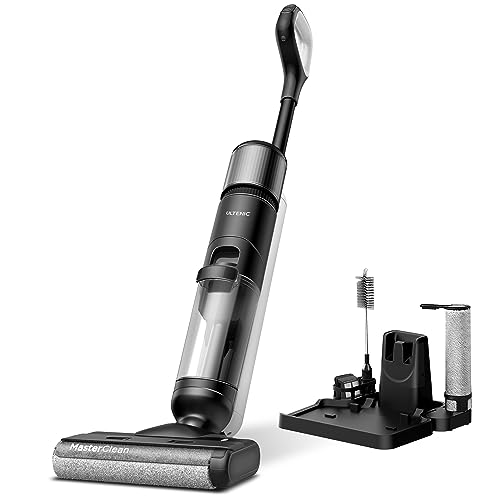
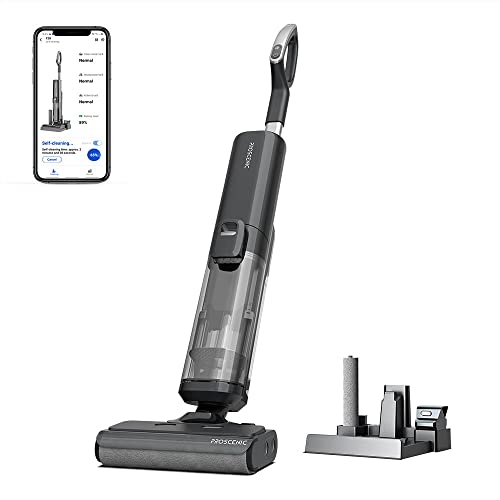
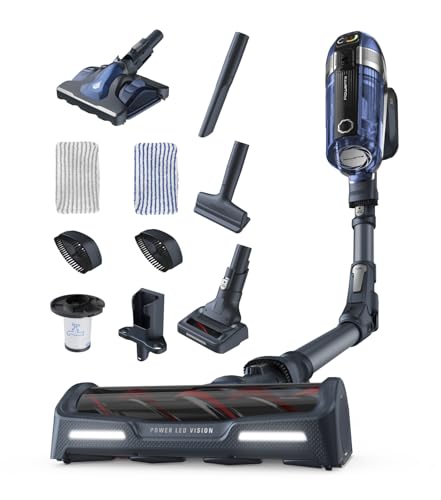
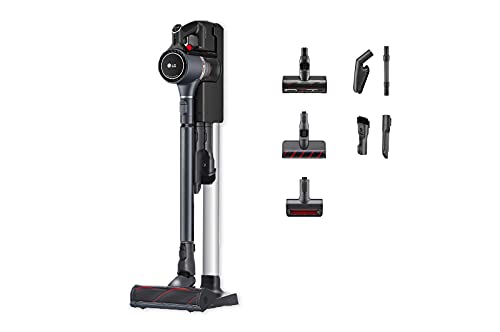
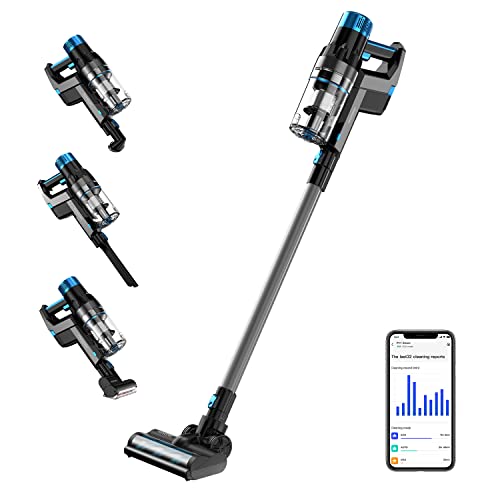
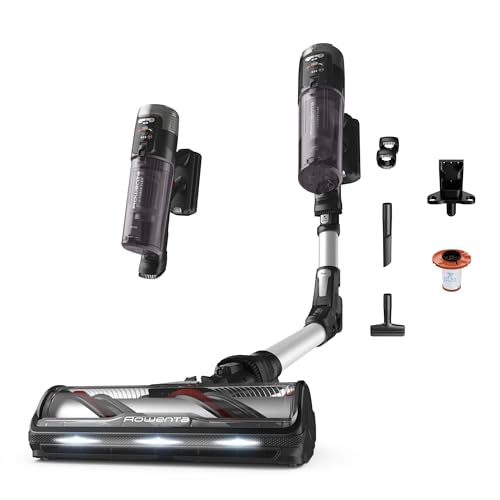
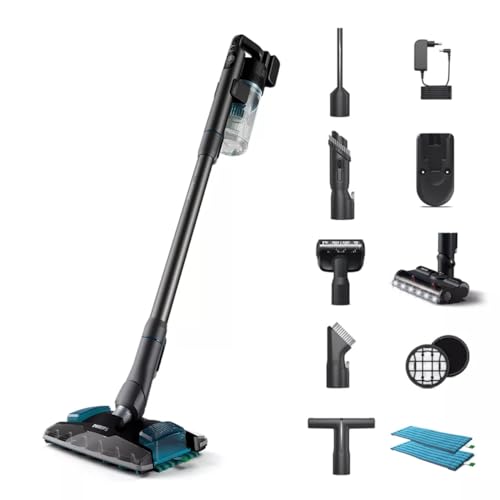
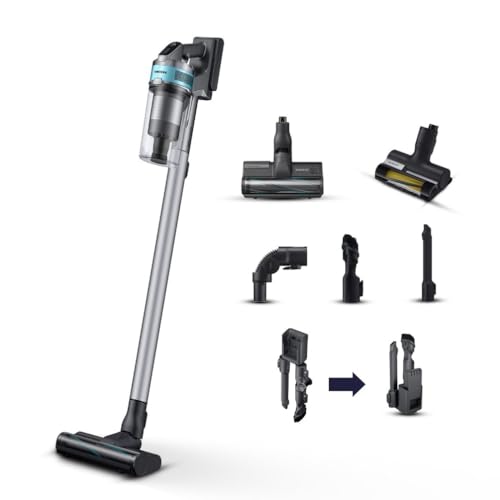
Which brands make the best floor-washing stick vacuums in 2026?
The best floor-washing stick-vacuum brands in 2026 are ranked below:
- Samsung (Average overall score: 8.3)
- Rowenta (Average overall score: 8.2)
- LG (Average overall score: 8.2)
The chart below ranks floor-washing stick-vacuum brands by average overall score.
[horizontal-chart-13670960754401491969159747000473167246893031299228]
When should you consider buying a floor-washing stick vacuum?
You should consider a floor-washing stick vacuum if you regularly clean sealed hard floors and want to collect dry debris and wipe or wash the surface in one pass. An active wet/dry roller is particularly useful for kitchen spills, muddy marks, and fine dust that a dry vacuum leaves behind.
A standard stick vacuum with a mop pad is better suited to light maintenance because the pad receives limited water and usually cannot recover dirty liquid. For heavier cleaning, choose a purpose-built washer with separate clean- and dirty-water tanks so contaminated water is not repeatedly spread across the floor.
Neither design is automatically suitable for unsealed wood, delicate laminate, rugs, or carpet. Follow the flooring manufacturer’s moisture limits and keep a conventional dry-cleaning head available for surfaces the washing system cannot handle.
How much do floor-washing stick vacuums cost?
Floor-washing stick vacuums generally cost about £100-£600, with many mid-range models between £220 and £430. Premium machines with automatic dosing, heated washing, drying, or advanced self-cleaning docks can approach £860.
Compare the included equipment before judging value. A lower-priced mop attachment may lack dirty-water recovery, whereas a complete wet/dry cleaner should include separate tanks, a washable roller, a cleaning tray or dock, and access to replacement rollers and filters.
The chart below shows the price distribution of floor-washing stick vacuums.
[vertical-chart-17697324958484039289098052491701027810992995488689]
What should you check before buying a floor-washing stick vacuum?
You should check the following factors before buying a floor-washing stick vacuum:
- Washing system: Confirm whether the machine actively dispenses solution, scrubs with a powered roller, and recovers dirty liquid, or merely drags a damp pad behind a dry-vacuum head. The two systems suit very different levels of mess.
- Floor compatibility: Check the approved surfaces in the manual, especially for wood and laminate. A controllable water flow and reliable liquid pickup reduce residual moisture, but they do not make an unsuitable floor water-safe.
- Tank and bin design: A true floor washer should separate clean and dirty water and make both tanks easy to remove. Capacity near 0.5–0.8 L is practical for routine rooms, while a debris strainer makes disposal less messy.
- Suction, roller, and cleaning width: Around 150–250 AW gives a stick-based washer useful dry-debris pickup, but the figure must be measured in a comparable mode and does not describe liquid recovery. A cleaning path around 230–270 mm balances coverage with access along cabinets; also check whether the roller reaches both edges and resists hair wrapping.
- Runtime, charging, and handling: Around 40–60 minutes is suitable for many homes, although water capacity may end the session first, and a full recharge commonly takes about four hours. A dry weight around 2.5–3 kg is manageable, but compare the working weight with both tanks filled and check whether the dock remains stable.
- Cleaning solution and spares: Check whether the warranty requires a proprietary detergent and how much it costs. Replacement rollers, filters, tanks, and batteries should be available locally because these parts receive more moisture and wear than those in a dry vacuum.
The chart below shows the cleaning-path-width distribution of floor-washing stick vacuums.
[vertical-chart-09021574348716456365163752380503840607832962407629]