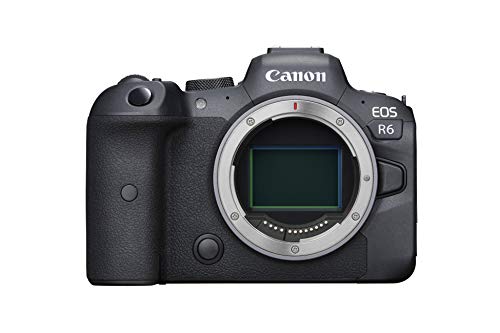
OM System OM-1 Mark II Review | 108 Data compared

double-arrow
  • Avg. price in UK: ~£1,850
  • Avg. price in US: ~$2,400
  • Sensor size: four thirds
  • Lens mount: Micro Four Thirds
  • Main camera pixel size: 3.34 µm
  • Weight: 599 g
  • Battery life (CIPA): 500 shots

OM System OM-1 Mark II review. Compare 108 technical specifications and user reviews to see how it ranks among cameras and if it is worth buying.

8.8

Overall score

What it is: An overall evaluation of the camera's quality, based on technical analyses and user reviews.

When it matters: When you need a quick reference to identify the best cameras on the market.

Score components:

90.0%

8.8

Technical Score

10.0%

?

User score

Excellent
8.8

Technical Score

What it is: An assessment of the camera's technical performance, covering eight key areas: image quality, autofocus, video features, stabilization, lens compatibility, connectivity, battery, and design.

When it matters: When you want to compare cameras based on technical performance and available features.

Score components:

28.0%

8.0

Sensor & Image

25.0%

9.9

Photo Features

18.0%

8.9

Video & Audio

14.0%

7.9

Display & Design

8.0%

9.6

Battery & Power

7.0%

8.9

Connectivity & Storage

Excellent
?

User score

What it is: A rating that combines user reviews and the total number of reviews received by the camera.

When it matters: When real-world owner satisfaction and review volume matter to your decision.

Score components:

70.0%

?

User reviews

30.0%

?

Popularity

  • 8.9
    Professional photography

    Score components:

    25.0%

    8.2

    Sensor size

    20.0%

    6.6

    Main camera megapixels

    20.0%

    10

    Dual card slots

    15.0%

    10

    N. of focus points

    10.0%

    10

    RAW photo capture

    10.0%

    10

    Phase-detection autofocus (photos)

  • 6.7
    Travel

    Score components:

    35.0%

    5.2

    Weight

    30.0%

    9.0

    Battery life (CIPA)

    20.0%

    10

    Sensor-shift stabilization

    15.0%

    1.0

    GPS

  • 6.1
    Beginners

    Score components:

    30.0%

    1.0

    Price

    20.0%

    5.2

    Weight

    20.0%

    10

    AF tracking

    20.0%

    9.0

    Battery life (CIPA)

    10.0%

    10

    Touchscreen

  • 7.7
    Landscape photography

    Score components:

    30.0%

    6.6

    Main camera megapixels

    25.0%

    8.2

    Sensor size

    20.0%

    5.9

    Main camera pixel size

    15.0%

    10

    Sensor-shift stabilization

    10.0%

    10

    RAW photo capture

  • 7.2
    Street photography

    Score components:

    30.0%

    5.2

    Weight

    25.0%

    4.8

    Thickness

    20.0%

    9.6

    AF low-light sensitivity

    15.0%

    10

    Sensor-shift stabilization

    10.0%

    10

    Eye detection AF (human)

  • 7.9
    Portraits

    Score components:

    30.0%

    8.2

    Sensor size

    25.0%

    5.9

    Main camera pixel size

    20.0%

    10

    Eye detection AF (human)

    15.0%

    6.6

    Main camera megapixels

    10.0%

    10

    Sensor-shift stabilization

  • 6.7
    Hiking

    Score components:

    30.0%

    5.2

    Weight

    25.0%

    9.0

    Battery life (CIPA)

    20.0%

    6.4

    Min operating temperature

    15.0%

    10

    Sensor-shift stabilization

    10.0%

    1.0

    GPS

  • No image
No image

Best prices in UK

    N/A~ £1,850

Verdict

The OM System OM-1 Mark II is a flagship Micro Four Thirds mirrorless camera featuring a 20.4MP stacked BSI Live MOS sensor and the TruePic X processor, delivering continuous shooting speeds up to 50fps with full AF tracking or 120fps with fixed focus. Its robust magnesium alloy body is IP53-rated for weather sealing and includes an industry-leading 5-axis in-body image stabilisation system offering up to 8.5 stops of compensation. Key pros include advanced computational features like LiveGND (graduated neutral density), handheld 50MP and tripod 80MP high-res modes, and a doubled buffer capacity over its predecessor for extended high-speed bursts. However, notable cons include its relatively low 20MP resolution compared to full-frame rivals, limited video features that lag behind some competitors, and a significant price increase over the original model.

Technical Specifications of OM System OM-1 Mark II

Technical Score

What it is: An assessment of the camera's technical performance, covering eight key areas: image quality, autofocus, video features, stabilization, lens compatibility, connectivity, battery, and design.

When it matters: When you want to compare cameras based on technical performance and available features.

Score components:

28.0%

?

Sensor & Image

25.0%

?

Photo Features

18.0%

?

Video & Audio

14.0%

?

Display & Design

8.0%

?

Battery & Power

7.0%

?

Connectivity & Storage

8.8
OM System OM-1 Mark II has a technical score of 8.81 points, which is higher than 97.2% of cameras.
User score

What it is: A rating that combines user reviews and the total number of reviews received by the camera.

When it matters: When real-world owner satisfaction and review volume matter to your decision.

Score components:

70.0%

0.0

User reviews

30.0%

1.0

Popularity

?
Popularity
What it is: An indicator based on the number of reviews received by the camera.
When it matters: When you want to see which cameras attract the most buyer attention and review activity.
1.0
OM System OM-1 Mark II has a popularity of 1 points, which is higher than 0% of products in this category.
Ratio quality/price

What it is: An indicator that combines the camera's overall rating with its cost.

When it matters: When you want to know how much overall quality you get for the price.

Score components:

60.0%

8.8

Overall score

40.0%

1.0

Price

6.5
OM System OM-1 Mark II has a quality-to-price ratio of 6.5 points, which is higher than 65.3% of products in this category.
Sensor size
What it is: The sensor format value describes the physical light-collecting area.
When it matters: When you shoot in more difficult lighting.

Importance: HIGH

Good value: Full frame or larger

four thirds
OM System OM-1 Mark II uses a sensor classified as four thirds; it is larger than the sensor in 49% of cameras and the same size as the sensor in 8.1% of cameras.
Main camera megapixels
What it is: The effective resolution of the camera sensor, measured in megapixels (MP). A higher resolution can capture more detail.
When it matters: When you want high-resolution photos that allow more cropping or larger prints.

Importance: HIGH

Good value: At least 20 MP

20.4 MP
OM System OM-1 Mark II has a sensor resolution of 20.4 MP, which is higher than that of 71.6% of cameras and equal to that of 1.6% of cameras.
Main camera pixel size
What it is: The physical size of individual pixels on the camera sensor, measured in micrometers. Larger pixels typically capture more light for better low-light performance.
When it matters: When you shoot in low light and want reduced noise in your photos.

Importance: HIGH

Good value: At least 3.5 µm

3.34 µm
OM System OM-1 Mark II has sensor pixels measuring 3.34 µm, which are larger than those in 49.8% of cameras and the same size as those in 2% of cameras.
Base ISO
What it is: The native ISO setting that delivers the sensor’s standard balance of image quality and dynamic range.
When it matters: When you want the best native image quality and compare cameras at their most optimal sensitivity setting.

Importance: LOW

200
OM System OM-1 Mark II has a base ISO of 200 which is higher than that of 84.9% of cameras and equal to that of 14.2% of cameras.
Max ISO
What it is: The ISO ceiling shows the highest sensor sensitivity available for darker scenes.
When it matters: When you shoot in more difficult lighting.

Importance: MEDIUM

Good value: At least ISO 25,600

102,400 ISO
OM System OM-1 Mark II reaches a maximum sensitivity of ISO ISO 102400, which is higher than that of 97.5% of cameras and equal to that of 1.8% of cameras.
Show more
Lens mount
What it is: The mechanical and electronic interface that determines which interchangeable lenses the camera can use.
When it matters: When lens availability, upgrade options, and long-term system compatibility are central to your buying decision.

Importance: LOW

Micro Four Thirds
Built-in focus motor
What it is: Indicates whether the camera body includes an internal autofocus motor for driving compatible lenses.
When it matters: When you plan to use older or budget lenses that depend on the camera body for autofocus drive.

Importance: LOW

no
OM System OM-1 Mark II does not have a built-in focus motor. 11% of cameras have a built-in focus motor.
N. of focus points
What it is: The total number of selectable autofocus points available for positioning and tracking focus.
When it matters: When you want more flexibility in placing focus precisely or tracking subjects across the frame.

Importance: HIGH

Good value: At least 200 points

1,053
OM System OM-1 Mark II has 1,053 focus points, more than the number offered by 97.9% of cameras and equal to the number offered by 0.2% of cameras.
Phase-detection autofocus (photos)
What it is: Autofocus technology that measures phase differences to lock focus quickly and accurately for still photography.
When it matters: When you want faster and more reliable autofocus for still photos, especially with moving subjects.

Importance: HIGH

yes
OM System OM-1 Mark II supports phase-detection autofocus for photos. 37.3% of cameras support phase-detection autofocus for photos.
AF tracking
What it is: An autofocus mode that continuously follows a moving subject to keep it sharp during shooting.
When it matters: When your subjects move unpredictably and you need the camera to keep focus on them automatically.

Importance: MEDIUM

yes
OM System OM-1 Mark II supports AF tracking. This feature is available on 88% of cameras.
Show more
Max video resolution
What it is: The highest video resolution the camera can record, defining the maximum level of captured image detail.
When it matters: When you care about recording the highest level of detail for cropping, editing, or future-proof video work.

Importance: HIGH

Good value: At least 3840 px

3,840 px
OM System OM-1 Mark II supports 3840 px video recording which is higher quality than that of 76% of cameras and equal to that of 19.2% of cameras.
DCI 4K
Video bitrate
What it is: The amount of video data recorded per second, which affects file size and potential recording quality.
When it matters: When you compare potential video quality and want fewer compression artifacts in demanding scenes.

Importance: MEDIUM

Good value: At least 200 Mbps

202 Mbps
OM System OM-1 Mark II has a video bitrate of 202 Mbps which is higher than that of 89.4% of cameras and equal to that of 0.1% of cameras.
Video bit depth
What it is: The number of bits used per color channel in recorded video, affecting gradation smoothness and editing flexibility.
When it matters: When you color grade video and want smoother gradients with fewer banding issues.

Importance: MEDIUM

Good value: At least 10-bit

10 bit
OM System OM-1 Mark II supports video at 10 bit, a bit depth higher than that of 88.5% of cameras and equal to that of 7.4% of cameras.
Video chroma subsampling
What it is: The color sampling format used in video recording, indicating how much color detail is retained relative to brightness detail.
When it matters: When color grading, keying, or serious post-production work is important in your video workflow.

Importance: LOW

4:2:2
OM System OM-1 Mark II supports 4:2:2 video chroma subsampling which is more advanced than that of 77.9% of cameras and equal to that of 22.1% of cameras.
HDMI
Video codecs
What it is: The video compression formats the camera can use when recording, affecting compatibility, efficiency, and workflow.
When it matters: When compatibility, editing performance, and file efficiency matter in the way you handle video.

Importance: LOW

H.264, H.265, ProRes RAW
Show more
Type
What it is: The camera type identifies the overall design, such as mirrorless, DSLR, compact, or bridge.
When it matters: When you want a camera style that matches how you shoot, carry, and swap lenses.

Importance: LOW

mirrorless
Weight
What it is: The total weight of the camera body, which affects comfort while carrying and shooting.
When it matters: When you carry the camera all day, travel often, or prefer a lighter setup.

Importance: MEDIUM

Good value: 500 g or less

599 g
OM System OM-1 Mark II weighs 599 g which is heavier than 73.4% of cameras and equal to the weight of 0.3% of cameras.
Width
What it is: The width of the camera body, measured from side to side.
When it matters: When compact packing, grip comfort, or bag fit matters to you.

Importance: LOW

138.8 mm
OM System OM-1 Mark II has a width of 138.8 mm which is wider than 85.8% of cameras.
Height
What it is: The height of the camera body, measured from top to bottom.
When it matters: When you care about how compact the camera feels in a bag or in hand.

Importance: LOW

91.6 mm
OM System OM-1 Mark II has a height of 91.6 mm which is taller than 69.2% of cameras and equal to that of 0.1% of cameras.
Thickness
What it is: The depth of the device profile, excluding the camera bump unless specified.
When it matters: When you prefer a sleek, slim profile that slides easily into tight pockets.

Importance: LOW

72.7 mm
OM System OM-1 Mark II has a thickness of 72.7 mm which is thicker than 66% of cameras and equal to that of 0.1% of cameras.
Show more
Battery life (CIPA)
What it is: The official battery endurance estimate measured under CIPA test methodology, usually expressed in shots per charge.
When it matters: When you need realistic expectations for how many shots you can take before carrying a spare battery.

Importance: MEDIUM

Good value: At least 400 shots

500 shots
OM System OM-1 Mark II has a CIPA-rated battery life of 500 shots, which is longer than that of 79.1% of cameras and equal to that of 3.6% of cameras.
Battery capacity
What it is: The amount of electric charge the battery can hold, measured in milliampere-hours (mAh).
When it matters: When you want a general idea of how large the battery is physically.

Importance: LOW

Good value: At least 1,500 mAh

2,280 mAh
OM System OM-1 Mark II has a battery capacity of 2280 mAh which is larger than the batteries in 92.6% of cameras and equal to those in 3.4% of cameras.
Removable battery
What it is: Indicates whether the camera battery can be removed and replaced by the user.
When it matters: When you want to swap batteries quickly during a long shoot or replace an aging battery.

Importance: LOW

yes
OM System OM-1 Mark II has a removable battery, and 98.7% of cameras include one.
USB Power Delivery (PD)
What it is: Support for the USB Power Delivery standard for higher-power charging or external power supply over USB-C.
When it matters: When you want faster USB-C charging or the ability to power the camera externally for longer sessions.

Importance: LOW

yes
OM System OM-1 Mark II supports USB Power Delivery. 10% of cameras support USB Power Delivery.
Wi-Fi connectivity
What it is: Indicates whether the camera has built-in Wi-Fi for image transfer, remote control, or network features.
When it matters: When you want to transfer photos wirelessly, control the camera from a phone, or use supported network workflows.

Importance: LOW

yes
OM System OM-1 Mark II supports Wi-Fi. This feature is available on 47.8% of cameras.
802.11a/b/g/n/ac
Wi-Fi version
What it is: The specific generation of Wi-Fi standards supported (e.g., Wi-Fi 6, Wi-Fi 7), determining maximum speed and efficiency.
When it matters: When you have a high-speed router and want faster downloads with less congestion.

Importance: LOW

Wi-Fi 5 (802.11ac)
OM System OM-1 Mark II uses Wi-Fi version Wi-Fi 5 (802.11ac) which is newer than that of 89.9% of cameras and equal to that of 9.6% of cameras.
Bluetooth connectivity
What it is: Indicates whether the camera supports Bluetooth for pairing, remote control, or file transfer.
When it matters: When you want quick wireless pairing with a phone, remote control, or location syncing.

Importance: LOW

yes
OM System OM-1 Mark II has Bluetooth. 22.6% of cameras support Bluetooth.
Bluetooth 4.2.
Bluetooth version
What it is: The Bluetooth version supported by the camera for wireless pairing and low-power connections.
When it matters: When you want more efficient wireless pairing, better range, or newer Bluetooth features.

Importance: LOW

4.2
OM System OM-1 Mark II supports Bluetooth version 4.2 which is newer than that supported by 86.4% of cameras and equal to that of 9.6% of cameras.
USB Type-C
What it is: A modern, reversible connector used for charging, data transfer, and sometimes audio or video output.
When it matters: When you want a reversible cable that handles charging, data, and accessories universally.

Importance: LOW

yes
OM System OM-1 Mark II features USB Type-C. 14.5% of cameras use USB-C ports.
Supports Power Delivery.
Show more

OM System OM-1 Mark II vs the average camera

  • 1030 more AF points
    OM System OM-1 Mark II has more focus points than the average camera (1053 vs 23). The average camera offers 23 focus points.
    What it is: The total number of selectable autofocus points available for positioning and tracking focus.
    When it matters: When you want more flexibility in placing focus precisely or tracking subjects across the frame.

    Importance: HIGH

    Good value: At least 200 points

    OM System OM-1 Mark II has more focus points than the average camera (1053 vs 23). The average camera offers 23 focus points.1,053 vs 23
  • In-body stabilization
    OM System OM-1 Mark II supports in-body stabilization, the average camera does not.
    What it is: A stabilization system that physically moves the image sensor to reduce shake during handheld shooting.
    When it matters: When you often shoot handheld and want sharper results at slower shutter speeds without relying only on lens stabilization.

    Importance: MEDIUM

    OM System OM-1 Mark II supports in-body stabilization, the average camera does not.
  • Phase-detect AF for photos
    OM System OM-1 Mark II supports phase-detection autofocus for photos, the average camera does not.
    What it is: Autofocus technology that measures phase differences to lock focus quickly and accurately for still photography.
    When it matters: When you want faster and more reliable autofocus for still photos, especially with moving subjects.

    Importance: HIGH

    OM System OM-1 Mark II supports phase-detection autofocus for photos, the average camera does not.
  • 96000 ISO higher maximum sensitivity limit
    OM System OM-1 Mark II has a higher max ISO than the average camera (102400 ISO vs 6400 ISO). The average camera reaches a max ISO of 6400 ISO.
    What it is: The ISO ceiling shows the highest sensor sensitivity available for darker scenes.
    When it matters: When you shoot in more difficult lighting.

    Importance: MEDIUM

    Good value: At least ISO 25,600

    OM System OM-1 Mark II has a higher max ISO than the average camera (102400 ISO vs 6400 ISO). The average camera reaches a max ISO of 6400 ISO.102400 ISO vs 6400 ISO
  • 4.5 stops higher CIPA stabilization rating
    OM System OM-1 Mark II has a higher CIPA stabilization rating than the average camera (8.5 stops vs 4 stops). The average camera has a CIPA stabilization rating of 4 stops.
    What it is: The official stabilization effectiveness rating measured under CIPA standards, usually expressed in stops.
    When it matters: When you compare how effective stabilization really is for handheld shooting at slower shutter speeds.

    Importance: HIGH

    Good value: At least 5 stops

    OM System OM-1 Mark II has a higher CIPA stabilization rating than the average camera (8.5 stops vs 4 stops). The average camera has a CIPA stabilization rating of 4 stops.8.5 stops vs 4 stops
  • 172 Mbps higher video bitrate
    OM System OM-1 Mark II has a higher video bitrate than the average camera (202 Mbps vs 30 Mbps). The average camera records at 30 Mbps.
    What it is: The amount of video data recorded per second, which affects file size and potential recording quality.
    When it matters: When you compare potential video quality and want fewer compression artifacts in demanding scenes.

    Importance: MEDIUM

    Good value: At least 200 Mbps

    OM System OM-1 Mark II has a higher video bitrate than the average camera (202 Mbps vs 30 Mbps). The average camera records at 30 Mbps.202 Mbps vs 30 Mbps
  • Human eye AF
    OM System OM-1 Mark II supports human eye-detection AF, the average camera does not.
    What it is: Autofocus detection designed to identify and prioritize human eyes for portrait and action shooting.
    When it matters: When you shoot portraits, weddings, or events and want the camera to prioritize people’s eyes automatically.

    Importance: LOW

    OM System OM-1 Mark II supports human eye-detection AF, the average camera does not.
  • Better viewfinder type
    OM System OM-1 Mark II uses a more advanced viewfinder than the average camera (electronic vs none).
    What it is: The type of viewfinder the camera uses to frame the shot, such as optical, electronic, hybrid, or none.
    When it matters: When you strongly prefer the clarity of an optical finder, the preview benefits of an electronic one, or no viewfinder at all.

    Importance: MEDIUM

    OM System OM-1 Mark II uses a more advanced viewfinder than the average camera (electronic vs none).electronic vs none
  • Better viewfinder type
    OM System OM-1 Mark II uses a more advanced viewfinder than the average camera (electronic vs none).
  • 3400000 dots higher EVF resolution
    OM System OM-1 Mark II has a higher EVF resolution than the average camera (5760000 dots vs 2360000 dots). The average camera has an EVF resolution of 2360000 dots.
  • Fully articulated screen
    OM System OM-1 Mark II has a fully articulated screen, the average camera does not.
  • Has a touchscreen
    OM System OM-1 Mark II has a touchscreen, the average camera does not. 36.6% of cameras support touchscreen input.
  • 60 Hz higher EVF refresh rate
    OM System OM-1 Mark II has a higher EVF refresh rate than the average camera (120 Hz vs 60 Hz). The average camera has an EVF refresh rate of 60 Hz.
  • 96000 ISO higher maximum sensitivity limit
    OM System OM-1 Mark II has a higher max ISO than the average camera (102400 ISO vs 6400 ISO). The average camera reaches a max ISO of 6400 ISO.
  • Uses a BSI sensor
    OM System OM-1 Mark II uses a BSI sensor, the average camera does not. 34.8% of cameras use a BSI sensor.
  • Stacked CMOS sensor
    OM System OM-1 Mark II uses a stacked CMOS sensor, the average camera does not.
  • Sensor cleaning system
    OM System OM-1 Mark II includes a sensor cleaning system, the average camera does not.
  • 11 newer
    OM System OM-1 Mark II is newer than the average camera (2024 vs 2013). The average camera was released in 2013.
  • 4.2 MP higher sensor resolution
    OM System OM-1 Mark II has a higher sensor resolution than the average camera (20.4 MP vs 16.2 MP). The average camera has a sensor resolution of 16.2 MP.
  • 1.2 points higher DxOMark Landscape score
    OM System OM-1 Mark II has a higher DxOMark landscape score than the average camera (13.6 points vs 12.4 points). The average camera scores 12.4 points.
  • 7 points higher DxOMark sensor score
    OM System OM-1 Mark II has a higher DxOMark sensor score than the average camera (80 points vs 73 points). The average camera has a DxOMark sensor score of 73 points.
  • 1030 more AF points
    OM System OM-1 Mark II has more focus points than the average camera (1053 vs 23). The average camera offers 23 focus points.
  • In-body stabilization
    OM System OM-1 Mark II supports in-body stabilization, the average camera does not.
  • Phase-detect AF for photos
    OM System OM-1 Mark II supports phase-detection autofocus for photos, the average camera does not.
  • 4.5 stops higher CIPA stabilization rating
    OM System OM-1 Mark II has a higher CIPA stabilization rating than the average camera (8.5 stops vs 4 stops). The average camera has a CIPA stabilization rating of 4 stops.
  • Human eye AF
    OM System OM-1 Mark II supports human eye-detection AF, the average camera does not.
  • Combined stabilization
    OM System OM-1 Mark II supports combined stabilization, the average camera does not.
  • Animal eye AF
    OM System OM-1 Mark II supports animal eye-detection AF, the average camera does not.
  • 4.3 fps faster mechanical burst
    OM System OM-1 Mark II has a faster mechanical burst rate than the average camera (10 fps vs 5.7 fps). The average camera shoots at 5.7 fps.
  • 1770 s longer maximum exposure
    OM System OM-1 Mark II supports a longer maximum exposure than the average camera (1800 s vs 30 s). The average camera supports a longest shutter speed of 30 s.
  • Better low-light autofocus
    OM System OM-1 Mark II has a better low-light AF sensitivity than the average camera (-8 EV vs -4 EV). The average camera reaches a low-light AF sensitivity of -4 EV.
  • 300000 more shutter cycles
    OM System OM-1 Mark II has a higher shutter durability than the average camera (400000 vs 100000). The average camera is rated for 100000 shutter cycles.
  • Lossless compressed RAW
    OM System OM-1 Mark II supports lossless compressed RAW, while the average camera does not.
  • Supports touch autofocus
    OM System OM-1 Mark II supports touch autofocus, the average camera does not. 34.9% of cameras support touch autofocus.
  • 172 Mbps higher video bitrate
    OM System OM-1 Mark II has a higher video bitrate than the average camera (202 Mbps vs 30 Mbps). The average camera records at 30 Mbps.
  • Includes headphone output
    OM System OM-1 Mark II includes a headphone output, the average camera does not.
  • Has microphone input
    OM System OM-1 Mark II has microphone input, the average camera does not.
  • Supports slow-motion video
    OM System OM-1 Mark II supports slow-motion video, the average camera does not.
  • 1920 px higher video resolution
    OM System OM-1 Mark II records higher-resolution video than the average camera (3840 px vs 1920 px). The average camera records at 1920 px.
  • Phase-detect AF in video
    OM System OM-1 Mark II supports phase-detection autofocus in video, the average camera does not.
  • More complete chroma subsampling
    OM System OM-1 Mark II supports better video chroma subsampling than the average camera (4:2:2 vs 4:2:0). The average camera supports 4:2:0 video chroma subsampling.
  • 2-bit higher video color depth
    OM System OM-1 Mark II supports a higher video bit depth than the average camera (10 bit vs 8 bit). The average camera supports video at 8 bit.
  • Supports timecode
    OM System OM-1 Mark II supports timecode, the average camera does not.
  • Clean HDMI output
    OM System OM-1 Mark II offers clean HDMI output, the average camera does not.
  • Supports live streaming
    OM System OM-1 Mark II supports live streaming, the average camera does not.
  • Supports log profiles
    OM System OM-1 Mark II supports log profiles, the average camera does not.
  • Built-in timelapse
    OM System OM-1 Mark II includes timelapse capture, the average camera does not.
  • Supports 24p cinema mode
    OM System OM-1 Mark II supports 24p cinema mode, the average camera does not. 44% of cameras support this mode.
  • 1160 mAh larger battery capacity
    OM System OM-1 Mark II has a higher battery capacity than the average camera (2280 mAh vs 1120 mAh). The average camera has a battery capacity of 1120 mAh.
  • 170 shots more shots per charge
    OM System OM-1 Mark II has longer battery life than the average camera (500 shots vs 330 shots). The average camera delivers 330 shots per charge.
  • USB Power Delivery
    OM System OM-1 Mark II supports USB Power Delivery, the average camera does not.
  • Dual card slots
    OM System OM-1 Mark II offers dual card slots, the average camera does not. 13.3% of cameras offer them.
  • Has USB Type-C
    OM System OM-1 Mark II has a USB Type-C port, the average camera does not. 14.5% of cameras use USB-C.
  • Has Bluetooth
    OM System OM-1 Mark II supports Bluetooth, the average camera does not. 22.7% of cameras support Bluetooth.
  • Supports Wi-Fi connectivity
    OM System OM-1 Mark II supports Wi-Fi, the average camera does not. 47.8% of cameras support Wi-Fi.
  • Smartphone remote control
    OM System OM-1 Mark II supports smartphone remote control, the average camera does not. 46.2% of cameras support smartphone remote control.
  • Newer USB version
    OM System OM-1 Mark II supports a newer USB version than the average camera (USB 3.2 Gen 1 vs USB 2.0). The average camera uses USB 2.0.
  • Newer HDMI version
    OM System OM-1 Mark II uses HDMI 2, while the average camera uses HDMI 1.4.
  • 51.6% heavier
    OM System OM-1 Mark II is heavier than the average camera (599 g vs 395 g). The average camera weighs 395 g.
  • No flash
    OM System OM-1 Mark II does not have a built-in flash, the average camera does. 73.4% of cameras have a flash.
    Bundled external flash, not built in.
  • 18.9 mm wider
    OM System OM-1 Mark II is wider than the average camera (138.8 mm vs 119.9 mm). The average camera has a width of 119.9 mm.
  • 17.7 mm taller body
    OM System OM-1 Mark II is taller than the average camera (91.6 mm vs 73.9 mm). The average camera has a height of 73.9 mm.
  • 26.7 mm thicker
    OM System OM-1 Mark II is thicker than the average camera (72.7 mm vs 46 mm). The average camera has a thickness of 46 mm.
  • Lower RAW bit depth
    OM System OM-1 Mark II supports lower RAW bit depth than the average camera (12-bit vs 14-bit). The average camera supports 14-bit RAW capture.
    14-bit in High Res Shot modes.
  • Smaller sensor
    OM System OM-1 Mark II has a smaller sensor than the average camera (four thirds vs APS-C).
  • Lower RAW bit depth
    OM System OM-1 Mark II supports lower RAW bit depth than the average camera (12-bit vs 14-bit). The average camera supports 14-bit RAW capture.
    14-bit in High Res Shot modes.
    What it is: The number of bits used to encode color and tonal information in RAW files captured by the camera.
    When it matters: When you heavily edit RAW photos and want more tonal information for aggressive adjustments.

    Importance: MEDIUM

    Good value: At least 14-bit

    OM System OM-1 Mark II supports lower RAW bit depth than the average camera (12-bit vs 14-bit). The average camera supports 14-bit RAW capture.12-bit vs 14-bit
  • Smaller sensor
    OM System OM-1 Mark II has a smaller sensor than the average camera (four thirds vs APS-C).
    What it is: The sensor format value describes the physical light-collecting area.
    When it matters: When you shoot in more difficult lighting.

    Importance: HIGH

    Good value: Full frame or larger

    OM System OM-1 Mark II has a smaller sensor than the average camera (four thirds vs APS-C).four thirds vs APS-C
  • 51.6% heavier
    OM System OM-1 Mark II is heavier than the average camera (599 g vs 395 g). The average camera weighs 395 g.
    What it is: The total weight of the camera body, which affects comfort while carrying and shooting.
    When it matters: When you carry the camera all day, travel often, or prefer a lighter setup.

    Importance: MEDIUM

    Good value: 500 g or less

    OM System OM-1 Mark II is heavier than the average camera (599 g vs 395 g). The average camera weighs 395 g.599 g vs 395 g
  • No flash
    OM System OM-1 Mark II does not have a built-in flash, the average camera does. 73.4% of cameras have a flash.
    Bundled external flash, not built in.
    What it is: Indicates the presence of an integrated light source to illuminate subjects in low-light conditions.
    When it matters: When you need a quick built-in light for fill flash or simple low-light shots.

    Importance: LOW

    OM System OM-1 Mark II does not have a built-in flash, the average camera does. 73.4% of cameras have a flash.
  • 6.38x more expensive
    OM System OM-1 Mark II is more expensive than the average camera (£1850 vs £290).
    OM System OM-1 Mark II is more expensive than the average camera (£1850 vs £290).£1,850 vs £290
  • 18.9 mm wider
    OM System OM-1 Mark II is wider than the average camera (138.8 mm vs 119.9 mm). The average camera has a width of 119.9 mm.
    What it is: The width of the camera body, measured from side to side.
    When it matters: When compact packing, grip comfort, or bag fit matters to you.

    Importance: LOW

    OM System OM-1 Mark II is wider than the average camera (138.8 mm vs 119.9 mm). The average camera has a width of 119.9 mm.138.8 mm vs 119.9 mm
  • 17.7 mm taller body
    OM System OM-1 Mark II is taller than the average camera (91.6 mm vs 73.9 mm). The average camera has a height of 73.9 mm.
    What it is: The height of the camera body, measured from top to bottom.
    When it matters: When you care about how compact the camera feels in a bag or in hand.

    Importance: LOW

    OM System OM-1 Mark II is taller than the average camera (91.6 mm vs 73.9 mm). The average camera has a height of 73.9 mm.91.6 mm vs 73.9 mm
  • 26.7 mm thicker
    OM System OM-1 Mark II is thicker than the average camera (72.7 mm vs 46 mm). The average camera has a thickness of 46 mm.
    What it is: The depth of the device profile, excluding the camera bump unless specified.
    When it matters: When you prefer a sleek, slim profile that slides easily into tight pockets.

    Importance: LOW

    OM System OM-1 Mark II is thicker than the average camera (72.7 mm vs 46 mm). The average camera has a thickness of 46 mm.72.7 mm vs 46 mm

Graphic comparison of OM System OM-1 Mark II and

Attribute category
Attribute
No results found

Third-party reviews

What customers like about OM System OM-1 Mark II?

  • Exceptional build quality and highly durable, featuring an IP53 weather-sealing rating that excels in harsh outdoor environments.
  • Outstanding handheld computational photography features, including built-in Neutral Density (ND) filters and exceptional image stabilization that largely removes the need for a tripod.
  • Improved ergonomics such as rubberised dials that are easier to use with gloves, and the ability to operate the power switch with one hand.
  • Class-leading autofocus system and fast frame rates, making it highly capable for sports and wildlife photography.
  • Compact and lightweight setup relative to equivalent full-frame systems, making it excellent for travel and hiking.

What customers dislike about OM System OM-1 Mark II?

  • Noticeable price increase compared to the original OM-1, which makes the upgrade feel costly for owners of the older model.
  • Low-light performance and noise handling do not match the capabilities of larger Full-Frame or APS-C sensor cameras.
  • Some video limitations, as straight-out-of-camera pregraded 10-bit footage can appear slightly soft.
  • The camera body is not universally light, and feels as substantial and heavy as some full-frame alternatives.

Expert reviews

D
dpreview.com
30/01/2024
Summary of the review
U
uk.pcmag.com
30/01/2024
Summary of the review
P
photofocus.com
20/03/2024
Summary of the review
R
rtings.com
01/05/2024
Summary of the review
D
digitalcameraworld.com
05/05/2024
Summary of the review
K
kenrockwell.com
Undated
Summary of the review
E
ephotozine.com
27/02/2026
Summary of the review
D
dkamera.de
21/03/2024
Summary of the review
D
digitalphoto.de
21/03/2024
Summary of the review
C
chip.de
05/03/2024
Summary of the review
F
fotokoeberl.at
07/02/2024
Summary of the review
R
rohnfelder.de
30/01/2024
Summary of the review
S
stephan-forstmann.de
16/12/2025
Summary of the review
L
lesnumeriques.com
07/02/2025
Summary of the review
A
apprendre-la-photo.fr
17/03/2026
Summary of the review
L
leclaireur.fnac.com
17/07/2024
Summary of the review
P
photolari.com
30/01/2024
Summary of the review
M
micro43italia.it
04/03/2024
Summary of the review
M
micro43italia.it
25/10/2024
Summary of the review
F
focus-review.com
02/02/2024
Summary of the review
T
tomreuvers.nl
30/01/2024
Summary of the review

Compare OM System OM-1 Mark II with

VS
VS

Compare