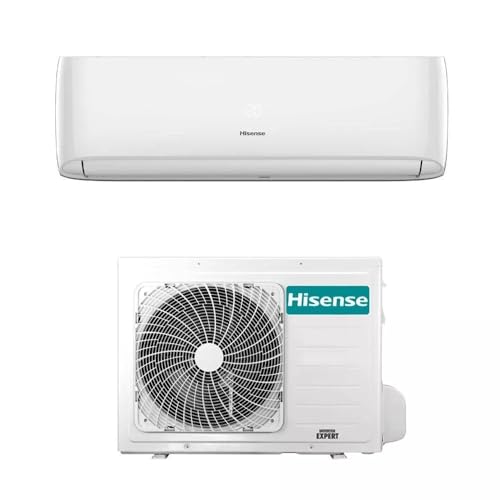
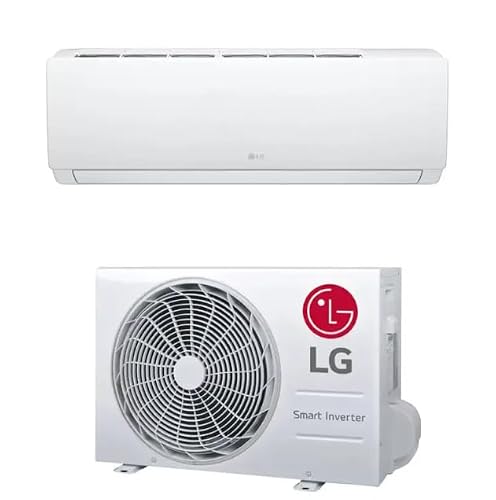
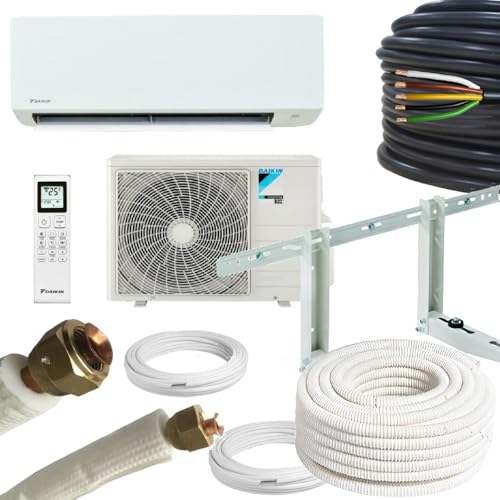
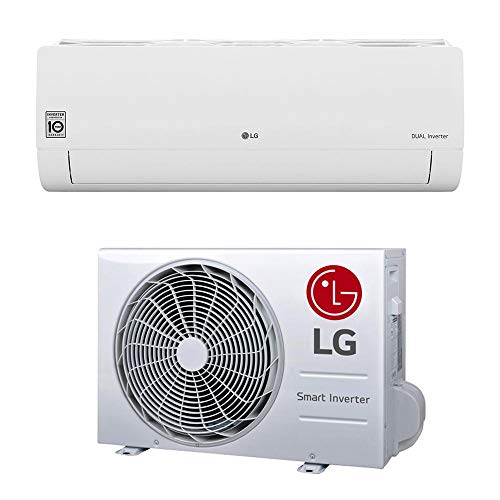
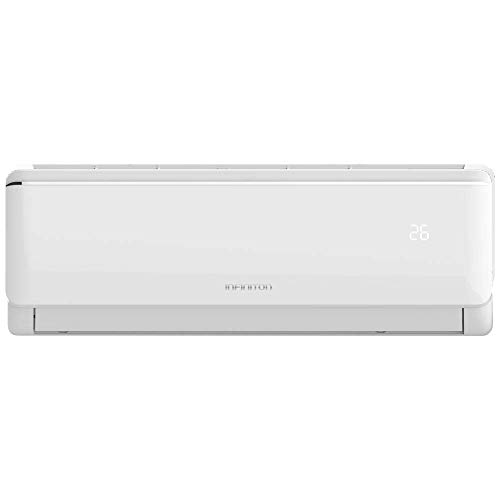
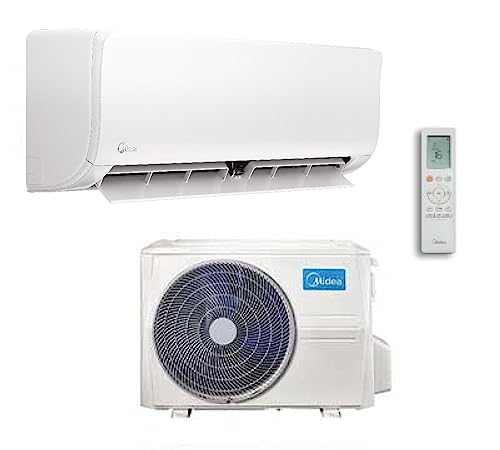
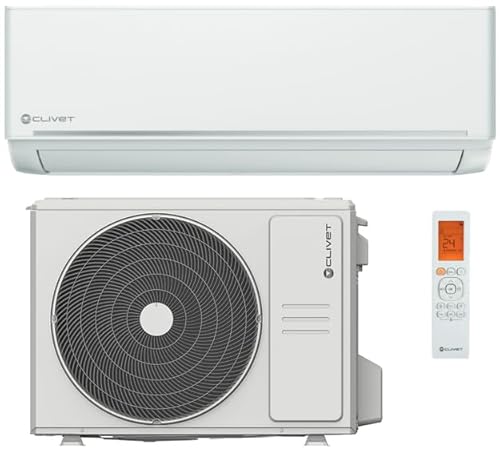
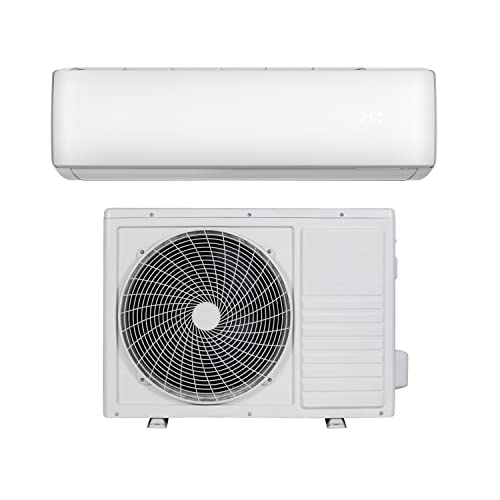
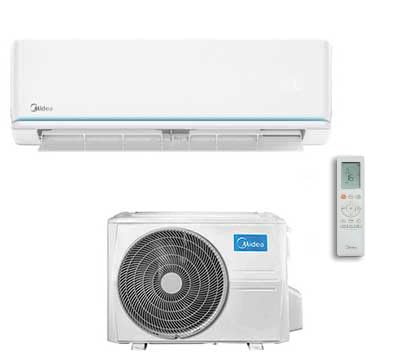
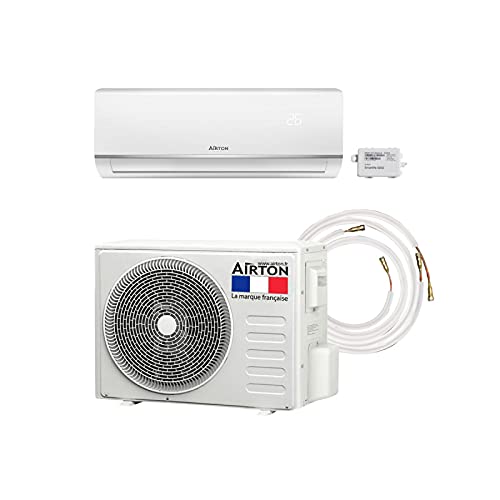
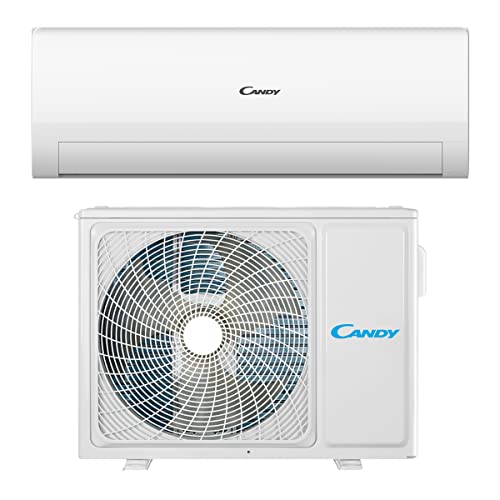
Which brands make the best 18000 BTU air conditioners?
The brands with the highest average scores among 18000 BTU air conditioners are as follows.
- LG (Average overall score: 7.9)
- Hisense (Average overall score: 7.9)
- Midea (Average overall score: 7.9)
The chart below ranks brands by average overall score among 18000 BTU air conditioners.
[horizontal-chart-02108973000464121620127485263911374592411006126901]
What does 18000 BTU mean for an air conditioner?
An 18000 BTU air conditioner has a nominal cooling capacity of about 5.3 kW, because BTU/h is a rate of heat removal rather than an electrical consumption figure.
The label describes the unit's rated output under a test condition; it does not mean that the system always draws 18,000 BTU of electricity or cools every room of the same size. Real suitability depends on insulation, glazing, ceiling height, sun, occupancy, and internal heat.
Compare the rated cooling capacity, airflow, SEER, sound level, and heating output in the same model specification. A higher BTU label is not automatically better if the room is small or the system cannot modulate down comfortably.
When should you choose a 18000 BTU air conditioner?
Choose an 18000 BTU air conditioner when a properly assessed room or open-plan zone needs about 5.3 kW of cooling and a smaller 2.5–3.5 kW system would run near its limit. It can suit a large living room, sunny upper-floor room, or space with several occupants and appliances.
As a broad reference, ordinary conditions may allow roughly 40–60 m², but poor insulation or large glazing can reduce that coverage. Do not use 18,000 BTU to cool several closed rooms through open doors; assess zones, shading, and insulation as well.
What room size can a 18000 BTU air conditioner cool?
A 18000 BTU air conditioner can often cool roughly 40–60 m² in ordinary conditions, but the safe room size depends on heat load rather than floor area alone.
A well-insulated shaded room may sit near the upper end, while a top-floor room with large windows, high ceilings, or poor insulation may need less area or additional zoning. Open-plan layouts also need the airflow path and connected spaces assessed.
Use the manufacturer's coverage guidance as a starting reference and ask for a room-by-room load calculation. Oversizing can cause short cycling and weak dehumidification, while undersizing leaves the 5.3 kW unit at high output for too long.
How energy-efficient are the best 18000 BTU air conditioners?
The best 18000 BTU air conditioners can be efficient for their size when they use inverter control and have strong SEER and SCOP ratings. Compare efficiency within the 18,000 BTU class rather than against a small bedroom unit, and check part-load behaviour and the climate assumptions behind the label.
Installation and operation still determine much of the bill. Clean filters, closed doors, shading, sensible set points, and a correctly sized system help the rated efficiency appear in everyday use.
How much do 18000 BTU air conditioners cost?
18000 BTU air conditioners cost about £700-£1,700 for equipment, with professional installation priced separately. Entry inverter systems often sit around £700-£900, while quieter, more efficient, premium, or connected models can reach roughly £900-£1,700.
Budget for stronger brackets, longer pipe runs, electrical work, condensate drainage, commissioning, and possible lifting or access costs. A multi-split or difficult outdoor installation can exceed the equipment range, so compare the complete installed project.
The chart below shows the price distribution of 18000 BTU air conditioners.
[vertical-chart-04868531273158589806019473048420552860143586323321]
What should you check before buying a 18000 BTU air conditioner?
Before buying a 18000 BTU air conditioner, check the following factors:
- Heat-load calculation: Confirm that the room genuinely needs about 5.3 kW after considering insulation, glazing, ceiling height, solar gain, occupants, and appliances. Do not select the size from floor area alone.
- Coverage and zoning: Use 40–60 m² only as a broad reference for ordinary conditions and assess open-plan airflow separately. Several rooms may need zoning or multiple indoor units rather than one oversized wall unit.
- Airflow and noise: Check airflow volume, low-mode and maximum indoor sound, and whether the unit can distribute air without blowing directly at occupants. Larger capacity can mean more audible fan output.
- SEER and SCOP: Compare seasonal cooling and heating ratings within the 18,000 BTU class. SCOP is important if the larger system will heat the space regularly.
- Inverter modulation: Check the minimum output and part-load behaviour so a large system can settle in moderate weather. A unit that cannot reduce output may cycle in a smaller or well-insulated room.
- Installation route: Plan pipe length, elevation, condensate drainage, electrical supply, outdoor clearance, and service access. The larger refrigerant and airflow requirements make installation planning more important.
- Future running cost: Compare the energy label, expected hours, set temperatures, filters, and service needs. A cheaper 18,000 BTU unit can cost more to run if its seasonal efficiency or installation is weaker.