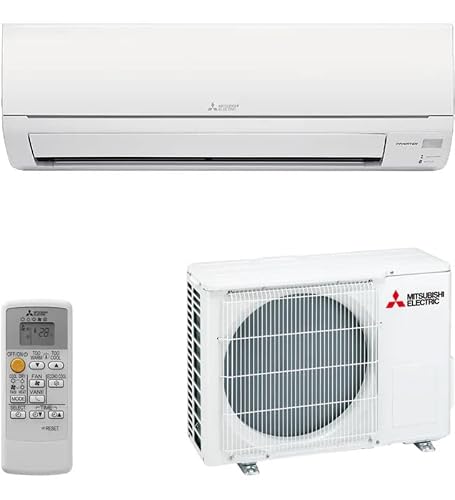
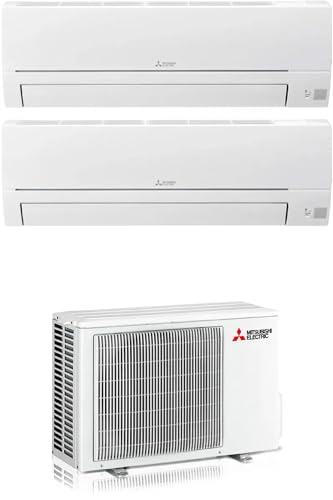
Are Mitsubishi air conditioners good?
Mitsubishi air conditioners have an average overall score of 7.7, ranking #5 among comparable air-conditioner brands.
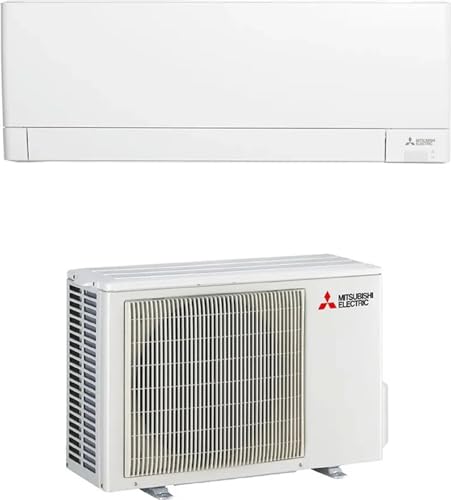
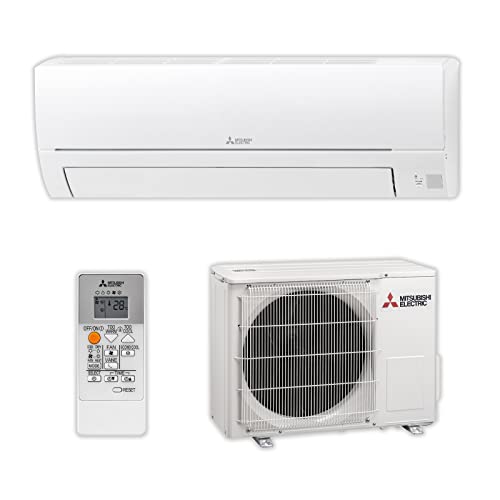
Mitsubishi air conditioners are a strong choice when quiet operation, refined temperature control, and dependable heating matter. MSZ-HR is a practical entry family, MSZ-AY adds a broader comfort specification, and MSZ-EF gives buyers a more design-led premium indoor unit.
Mitsubishi air conditioners suit frequent users who want a well-developed inverter platform and careful low-fan behaviour. The main limitations are higher prices than basic systems, uneven feature availability between generations, and the need to check the exact unit combination for Wi-Fi, filtration, and cold-weather output.
What are the main advantages of Mitsubishi air conditioners?
The main advantages of Mitsubishi air conditioners are as follows:
- Quiet operation: Many indoor units are designed for low sound at reduced fan speed, which is valuable in bedrooms and studies. Check both the low-mode and maximum indoor sound figures because the quietest claim does not describe every operating condition.
- Stable comfort: Inverter control can adjust output gradually instead of repeatedly switching full power on and off. Correct sizing remains essential because an oversized unit may still cycle in a lightly loaded room.
- Heating performance: A large part of the range can provide useful heating in shoulder seasons and colder weather. Compare the declared operating range, SCOP, and capacity at low outdoor temperatures rather than relying on the cooling rating.
- Premium indoor units: MSZ-AY and MSZ-EF families offer refined indoor-unit design, fan control, and comfort functions. These benefits matter most where the unit runs for long periods or is visible in a main room.
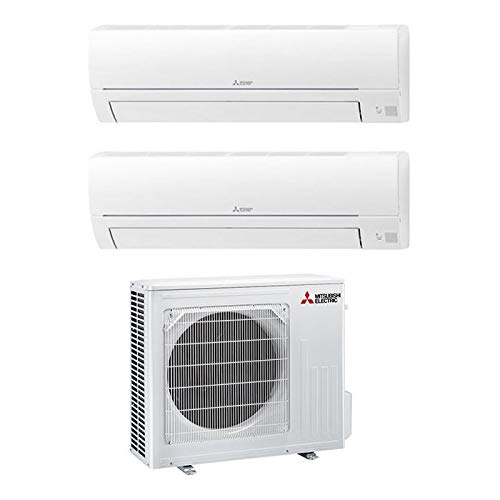
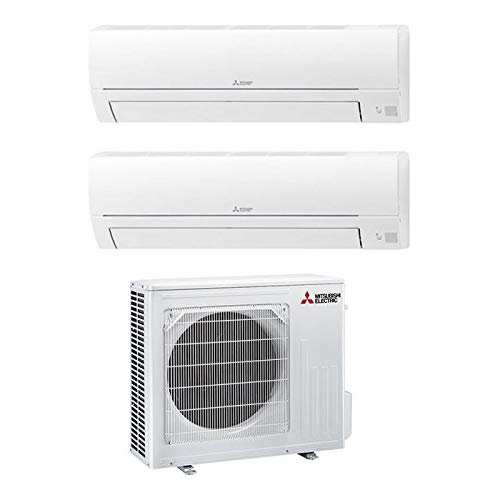
- System flexibility: Mitsubishi offers mono-split and multi-split combinations for different room layouts. Confirm the approved indoor-unit mix and simultaneous output before specifying a multi-room installation.
What are the main disadvantages of Mitsubishi air conditioners?
The main disadvantages of Mitsubishi air conditioners are as follows:
- Higher entry cost: The equipment commonly costs more than basic split systems, even before installation. The premium is easier to justify for long daily use, quiet bedrooms, or regular heating.
- Generation differences: MSZ family names cover several generations and markets, with different Wi-Fi, filtration, and efficiency details. Read the full model code and current energy label instead of comparing only the first letters.
- Installer dependence: Multi-split systems need careful pipework, drain routing, and capacity planning. A poor installation can cause noise, uneven comfort, or avoidable service calls.
- Limited visual choice: The most affordable units are functional rather than design-led, while the slim or decorative models cost more. Check depth, width, and clearance before choosing a premium faceplate.
- Feature availability: Air purification, humidity control, Wi-Fi, and advanced heating functions are not universal. Treat each feature as model-specific and confirm whether it is built in or optional.
What are the main Mitsubishi air conditioner series?
The main Mitsubishi air conditioner families are as follows:
- MSZ-HR: MSZ-HR is the value-oriented wall-mounted family for straightforward cooling and heating. It suits buyers who want Mitsubishi branding and inverter control without paying for every premium comfort feature.
- MSZ-AY: MSZ-AY sits higher in the range with a stronger comfort specification and a more refined indoor unit. It is a sensible middle choice for frequent use when low noise and seasonal efficiency matter.
- MSZ-EF: MSZ-EF is the design-led premium family, aimed at rooms where the indoor unit is visible. Its appearance and compact styling add value, but capacity, sound, and feature details still need model-level checking.
- MSZ-LN: MSZ-LN is another premium wall-mounted family in markets where it is available, with advanced comfort and air-treatment features. Availability and exact functions vary by region, so verify the current local specification.
- MXZ multi-split: MXZ outdoor units support multi-room configurations with compatible indoor families. Choose the outdoor capacity from the simultaneous room load, not simply by adding each indoor-unit label.
How much do Mitsubishi air conditioners cost?
Mitsubishi air conditioners cost about £400-£1,800 for equipment, with professional installation priced separately. Entry MSZ-HR systems are often around £400-£700, mid-range MSZ-AY systems around £700-£1,100, and design-led or premium combinations roughly £1,100-£1,800.
Add pipework, brackets, electrical work, condensate drainage, commissioning, and any multi-split capacity to the project budget. Compare the installed system and service support rather than equipment price alone.
How do Mitsubishi air conditioners compare with Daikin models?
Mitsubishi and Daikin both offer high-quality inverter air conditioners with strong heating options, but their ranges emphasise slightly different strengths. Mitsubishi is particularly attractive for quiet low-fan behaviour and premium indoor-unit design, while Daikin offers a broad spread of entry, humidity-control, and multi-split choices.
Mitsubishi's MSZ-HR, MSZ-AY, and MSZ-EF families form a clear step-up path. Daikin's Sensira, Perfera, Emura, and Stylish ranges cover similar price steps, with Ururu Sarara adding specialist humidity and ventilation functions in selected markets.
Choose Mitsubishi when the exact sound level, indoor-unit dimensions, or heating behaviour is better for the room. Choose Daikin when its installer support, multi-room combination, or air-treatment feature fits better; compare the full model codes, seasonal ratings, and control functions before deciding.
What should you consider while choosing the best Mitsubishi air conditioner?
Before choosing a Mitsubishi air conditioner, consider the following factors:
- Room load and capacity: Size the unit from room area, insulation, glazing, ceiling height, and solar exposure. A nominal 2.5–3.5 kW system may suit a bedroom or living room, but the heat load and indoor-unit airflow decide whether that label is appropriate.
- MSZ-HR, AY, or EF: Choose MSZ-HR for value, MSZ-AY for a broader comfort balance, and MSZ-EF when the indoor-unit design is important. Compare the current energy label and included controls because the family name does not guarantee identical features.
- Bedroom sound: For a bedroom, look for a low-mode indoor sound figure around 20–25 dB and confirm the unit can maintain temperature at that fan setting. Maximum sound and outdoor-unit placement still affect night-time comfort.
- Heating output: If the system will heat regularly, compare SCOP and declared capacity at cold outdoor temperatures. A cooling-only comparison can hide the difference between a model that merely warms a room and one designed for dependable winter use.
- Control and filtration: Check whether Wi-Fi, air filtration, humidity control, and scheduling are included. Optional modules can change both installation work and long-term maintenance.
- Mono-split or MXZ: One room usually favours a mono-split, while several rooms may favour an MXZ outdoor unit. Confirm simultaneous output, pipe length, elevation limits, and the approved indoor-unit combination.
- Installer and support: Use a qualified installer and confirm commissioning, warranty conditions, filter supply, and local service. The system's real efficiency depends on evacuation, charge, drainage, and airflow being handled correctly.