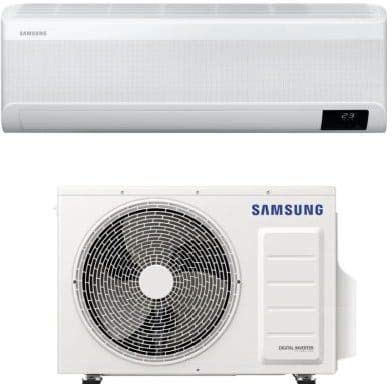
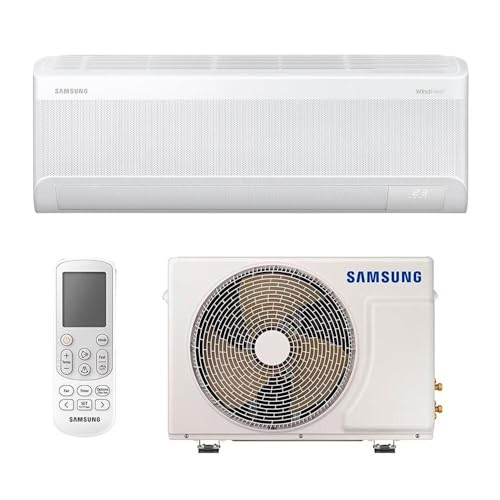
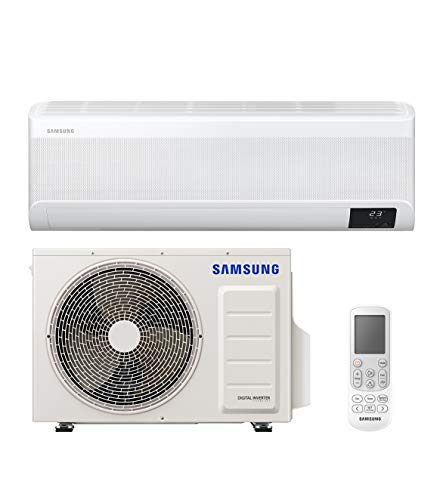
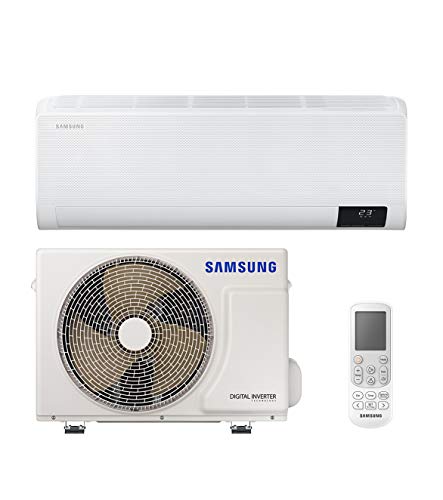
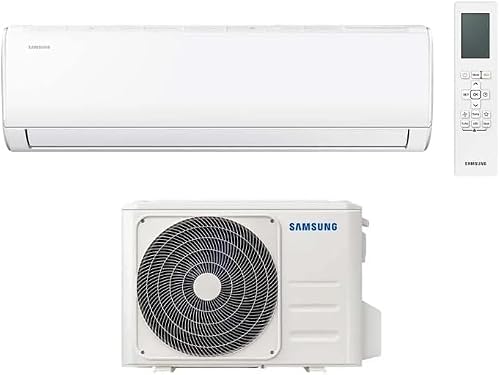
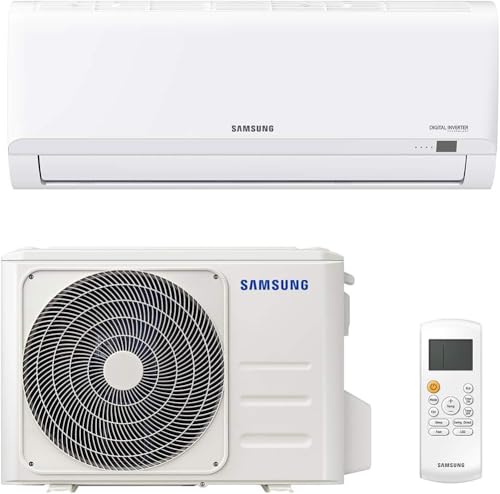
Are Samsung air conditioners good?
Samsung air conditioners have an average overall score of 7.4, ranking #9 among comparable air-conditioner brands, and a user rating of 9.2, placing them at #1 based on user reviews.
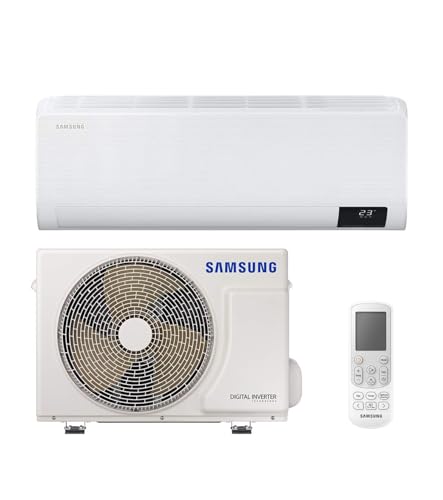
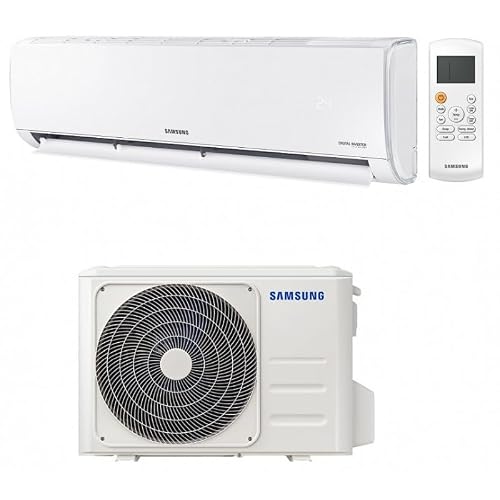
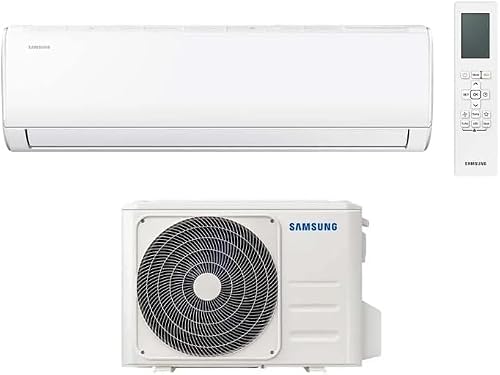
Samsung air conditioners are a strong choice for buyers who value app control, distinctive comfort features, and a broad value-to-premium spread. AR35 and related entry models keep the price accessible, while WindFree Comfort and WindFree Elite add refined airflow, connected controls, and more premium indoor-unit features.
Samsung air conditioners suit connected homes and rooms where gentle airflow matters, but the exact model decides whether WindFree, Wi-Fi, filtration, heating output, and quiet modes are present. The main trade-offs are feature variation between generations and the need to verify app support, service, and installation details before purchase.
The chart below compares Samsung with other air-conditioner brands by average overall score.
[horizontal-chart-13782642858724717326170086352293977270441647134287]
What are the main advantages of Samsung air conditioners?
The main advantages of Samsung air conditioners are as follows:
- Connected control: Many Samsung systems offer app control, schedules, and remote status checks on compatible Wi-Fi configurations. Confirm the required account, network band, and included module before assuming the unit is fully connected.
- WindFree comfort: WindFree models spread air through many small outlets to reduce the sensation of a direct cold draught. The effect depends on room layout, fan mode, and the selected family rather than the Samsung name alone.
- Broad price range: Samsung offers value models as well as better-equipped WindFree and premium systems. This gives more choice, but it also makes model-level comparisons essential.
- Heating and efficiency: Inverter output, useful SCOP values, and heating modes can extend the installation beyond summer cooling. Check low-temperature capacity and the current energy label when winter use matters.
- Smart-home features: Compatible Samsung systems can integrate with wider home controls and automation. Verify the exact app and platform support because older generations may not share current features.
What are the main disadvantages of Samsung air conditioners?
The main disadvantages of Samsung air conditioners are as follows:
- Feature inconsistency: WindFree, Wi-Fi, air treatment, and advanced heating functions are not present on every model. Read the complete specification and suffix rather than relying on a family headline.
- App dependence: Connected features need a suitable network, account, and supported app. Basic cooling should still work from the remote, but remote monitoring and automation can disappear if the connection fails.
- Design premium: WindFree and premium indoor units can cost more than a conventional wall unit without changing the room's required cooling capacity. Pay for the airflow and control benefits only when they matter.
- Installation sensitivity: Multi-split combinations and connected systems still need correct pipework, drainage, electrical supply, and commissioning. Smart functions cannot compensate for poor sizing or airflow.
- Long-term support: Replacement remotes, filters, app support, and service arrangements can vary by generation. Confirm local support before choosing an older or less common configuration.
What are the main Samsung air conditioner series?
The main Samsung air conditioner families are as follows:
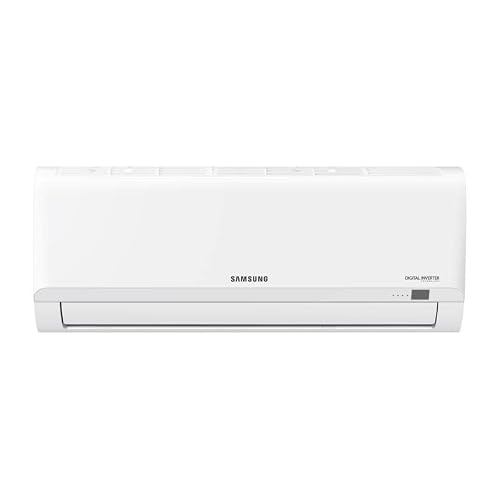
- AR35 and value wall units: AR35 and related entry models focus on affordable mono-split cooling and heating. They suit buyers who want a familiar Samsung system but do not need every WindFree or connected feature.
- WindFree Comfort: WindFree Comfort adds the dispersed-air outlet design and connected comfort functions on supported models. It fits bedrooms and living rooms where direct draughts are unwelcome, but check the exact capacity and night-mode sound.
- WindFree Elite: WindFree Elite sits higher in the range with more extensive comfort, air-quality, and control features in selected markets. It is best suited to frequent users who will make use of the added functions.
- Samsung multi-split: Compatible Samsung outdoor units can connect several indoor units for multi-room cooling. Check approved combinations, simultaneous output, pipework, and app behaviour as one system rather than mixing labels casually.
How much do Samsung air conditioners cost?
Samsung air conditioners cost about £300-£1,200 for equipment, with professional installation priced separately. Entry AR35-style systems are often around £300-£400, while mainstream connected wall units sit around £400-£800.
WindFree and premium connected models can reach about £800-£1,200 as capacity, indoor-unit design, air treatment, and controls improve. Add brackets, pipework, electrical work, drainage, commissioning, and any required Wi-Fi or multi-split hardware separately.
The chart below shows the price distribution of Samsung air conditioners.
[vertical-chart-03026935104310800858045593472885563960814282498187]
How do Samsung air conditioners compare with LG models?
Samsung and LG both offer connected inverter air conditioners with value and premium ranges. Samsung stands out for WindFree dispersed airflow and SmartThings integration, while LG emphasises DualCool airflow, app control, and a similarly broad split-system selection.
Samsung AR35 and WindFree families cover a clear entry-to-premium path. LG's entry and DualCool/Libero families provide a comparable range, with exact quiet modes, filters, and smart functions changing by model and market.
Choose Samsung when dispersed airflow, SmartThings, or the exact indoor-unit design suits the room. Choose LG when its DualCool configuration, app ecosystem, local support, or price is better; compare the installed model, heating output, sound level, and included connectivity rather than the brand feature list.
What should you consider while choosing the best Samsung air conditioner?
Before choosing a Samsung air conditioner, consider the following factors:
- Capacity and heat load: Match capacity to room area, insulation, glazing, ceiling height, and solar exposure. A 2.5–3.5 kW class often suits ordinary rooms, but the installer should size from the actual heat load.
- WindFree or conventional airflow: Choose WindFree when dispersed airflow is valuable and confirm how the mode behaves at the required output. A conventional unit can be better value when direct-air sensitivity is not a concern.
- Sound level: Check low-mode and maximum indoor sound, especially for bedrooms. Around 20–25 dB in a quiet setting is a useful reference, but the room may need a higher fan speed during peak heat.
- SEER and SCOP: Compare seasonal ratings at the same capacity and climate assumption. SEER guides summer electricity use, while SCOP and low-temperature output matter for regular heating.
- Wi-Fi and app support: Confirm SmartThings compatibility, included Wi-Fi, network requirements, and remote fallback. App features can differ between generations even when the indoor unit looks similar.
- Filters and air treatment: Check the exact filter, cleaning interval, and replacement cost. Air-quality features are model-specific and do not remove the need for ventilation or ordinary filter care.
- Installation and service: Confirm pipe runs, drainage, outdoor clearances, commissioning, warranty handling, and local service. A connected system still needs a technically correct refrigerant and airflow installation.