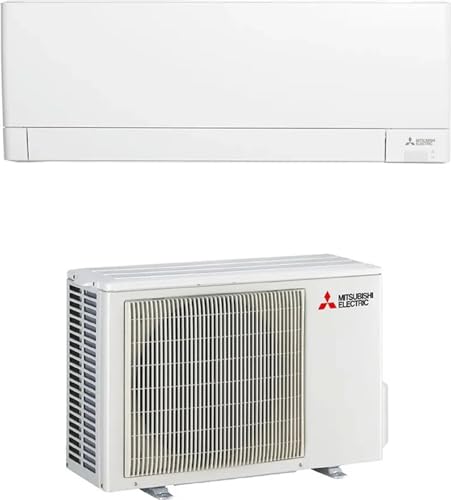
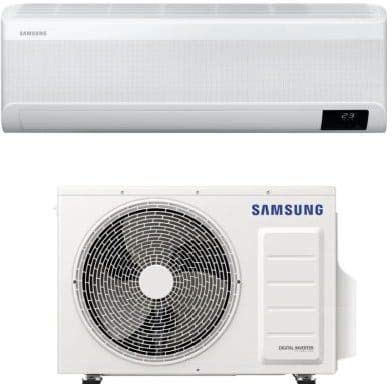
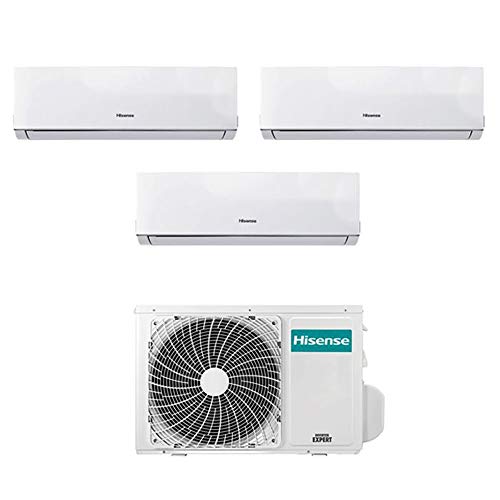
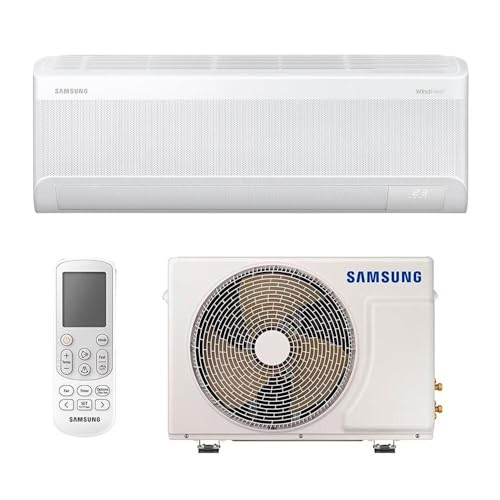
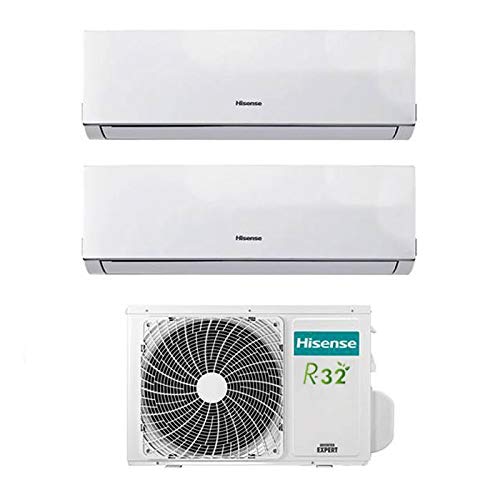
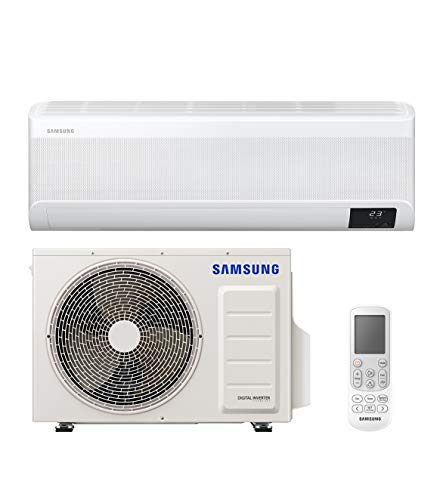
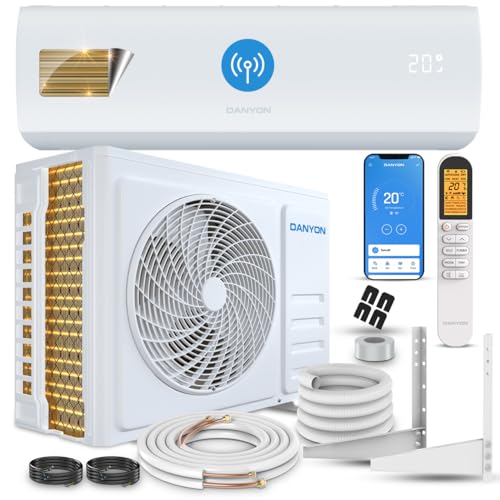
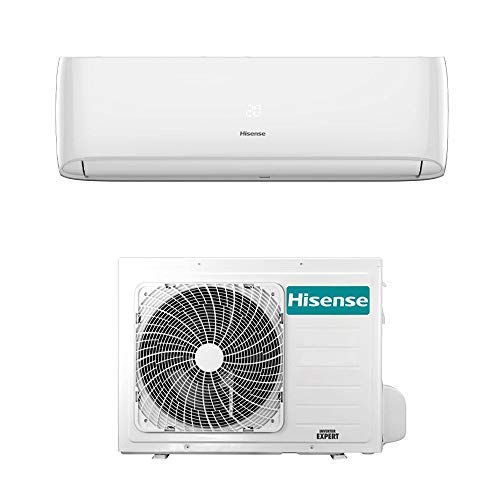
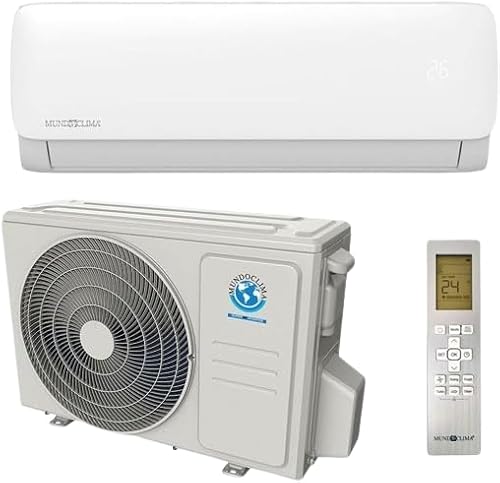
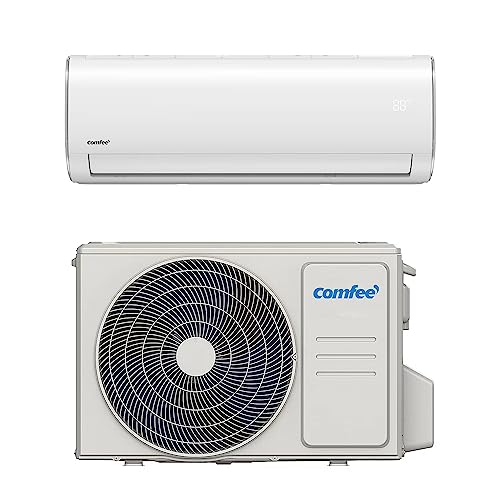
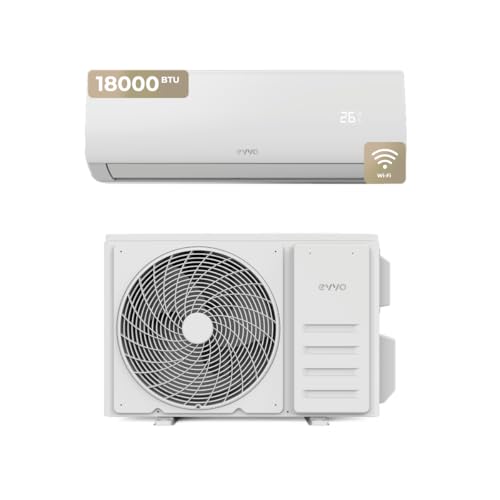
Which brands make the best inverter air conditioners?
Among air conditioners with inverter compressors, the brands with the highest average scores are as follows.
- electriQ (Average overall score: 8.3)
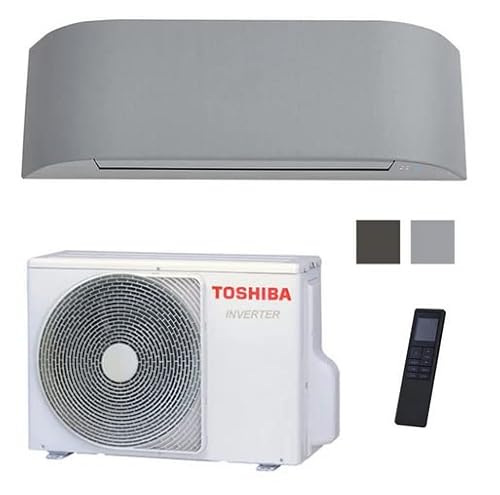
- Toshiba (Average overall score: 8.1)
- Midea (Average overall score: 7.9)
The chart below ranks brands by average overall score among air conditioners with inverter compressors.
[horizontal-chart-07873617044996519175034038772896640321653366789656]
What is an inverter compressor and how does it work?
An inverter compressor varies its speed to match the room's current cooling or heating demand instead of switching only between full output and off.
When the room is hot, it can run faster to pull the temperature down; after reaching the set point, it slows to maintain comfort. This reduces repeated start-stop cycles, can lower noise, and usually improves part-load efficiency compared with a basic fixed-speed system.
The benefit depends on correct sizing, clean filters, airflow, and the control algorithm. An oversized inverter can still cycle, while an undersized unit may run near maximum for long periods, so the label alone does not guarantee low consumption.
Which households benefit most from inverter air conditioning?
The households that benefit most from inverter air conditioning are as follows:
- Daily users: Homes that cool or heat rooms for several hours most days can benefit from efficient part-load operation. The longer the system runs at a stable set point, the more useful modulation becomes.
- Bedrooms and studies: Quiet low-speed operation helps rooms where people sleep, work, or read. Check low-mode sound and ensure the unit can maintain temperature without a loud recovery cycle.
- Variable occupancy: A household with changing occupancy benefits when the compressor can reduce output instead of repeatedly restarting at full power. Zoning and door control still matter in open-plan rooms.
- Shoulder-season heating: Homes that use air conditioning for spring and autumn heating can benefit from smooth output and good SCOP. Compare declared low-temperature capacity before relying on it for winter.
- Well-insulated rooms: Good insulation and moderate solar gain give the compressor more time at efficient low output. Poorly insulated rooms may need a larger system and will naturally use more energy regardless of technology.
How much electricity can inverter air conditioners save?
Inverter air conditioners can reduce electricity use by avoiding unnecessary full-power starts and by operating efficiently at part load. A correctly sized model may use roughly 20–40% less electricity than a comparable fixed-speed unit in mixed-load operation, but weather, insulation, set temperature, and hours of use change the result.
Compare SEER, SCOP, rated input, and actual duty cycle rather than treating the inverter label as a guarantee. Open doors, dirty filters, direct sun, an extreme set point, or an undersized system can erase much of the advantage.
How does inverter technology affect cooling comfort?
Inverter technology usually improves cooling comfort by adjusting output gradually and holding the set temperature more steadily.
Instead of allowing a large temperature swing between full-power cycles, the compressor can slow down as the room approaches the target. This can reduce draughts, noise changes, and the hot-then-cold feeling associated with basic on/off systems.
Comfort still depends on airflow direction, humidity control, sensor placement, and correct capacity. A unit with an impressive inverter claim can feel poor if it blows directly at occupants or cannot remove enough heat during peak sun.
How much do inverter air conditioners cost?
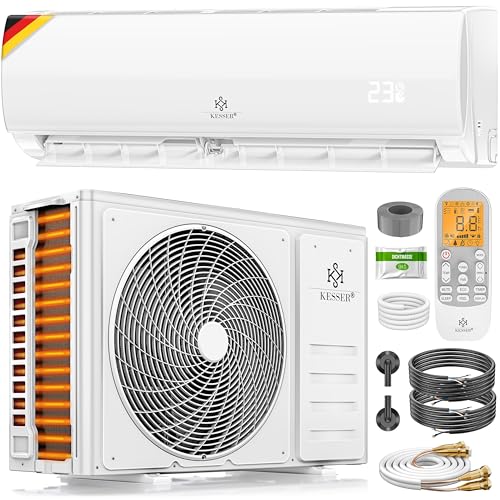
Inverter air conditioners cost about £300-£1,300 for equipment, with professional installation priced separately. Entry systems near £300-£500 cover common room sizes, while quieter, more efficient, connected, or larger models often sit around £500-£1,300.
Installation adds brackets, pipework, electrical work, drainage, commissioning, and any multi-split or Wi-Fi hardware. Compare seasonal efficiency and expected hours of use rather than paying a premium for inverter branding alone.
The chart below shows the price distribution of air conditioners with inverter compressors.
[vertical-chart-08601302723327510170136834026942776059362895442517]
What should you check before buying an inverter air conditioner?
Before buying an inverter air conditioner, check the following factors:
- Capacity match: Size the system from room area, insulation, glazing, solar gain, ceiling height, and usage. An oversized inverter may still cycle, while an undersized unit can run at high output and use more electricity.
- SEER and SCOP: Compare seasonal ratings at the same capacity and climate assumption. SEER describes cooling efficiency and SCOP describes heating efficiency, so use the metric that matches the intended workload.
- Part-load behaviour: Ask how the system modulates, what its minimum output is, and whether the low fan mode remains quiet. A wide usable modulation range is more valuable than a high peak number alone.
- Noise and airflow: Check low-mode and maximum sound, louvre control, and sensor placement. Efficient output is not comfortable if the unit blows directly at a bed, desk, or sofa.
- Heating capacity: If winter use matters, compare SCOP and declared capacity at lower outdoor temperatures. Some systems cool efficiently but provide less useful heat when conditions become cold.
- Controls and maintenance: Confirm timers, Wi-Fi, filters, cleaning access, and app support on the exact model. Dirty filters or a lost connection should not prevent basic local control.
- Installation quality: Use qualified commissioning with correct pipework, refrigerant charge, drainage, airflow, and outdoor clearance. Inverter savings depend on the complete installed system, not just the compressor label.