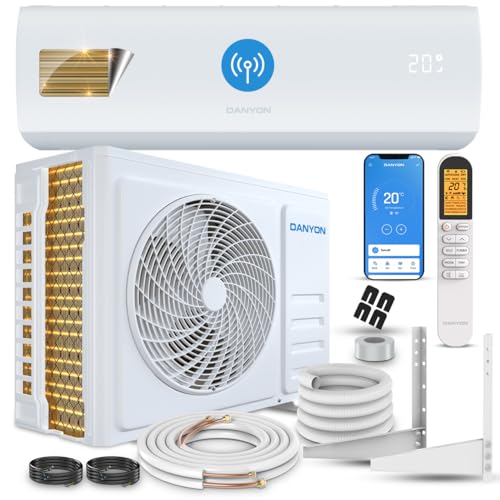
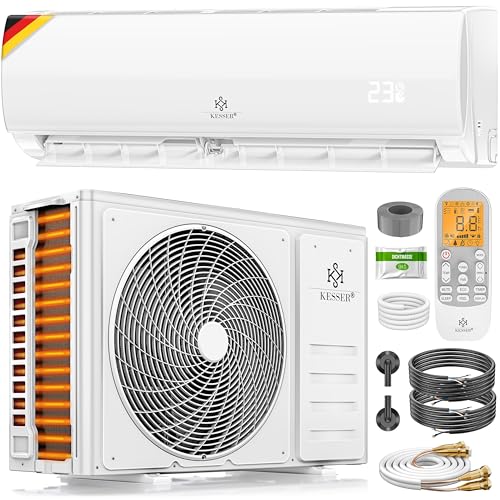
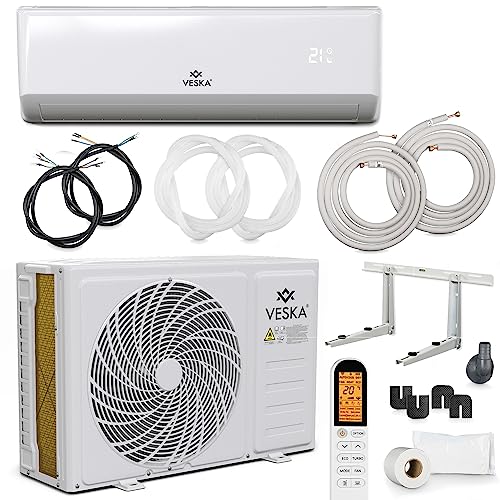
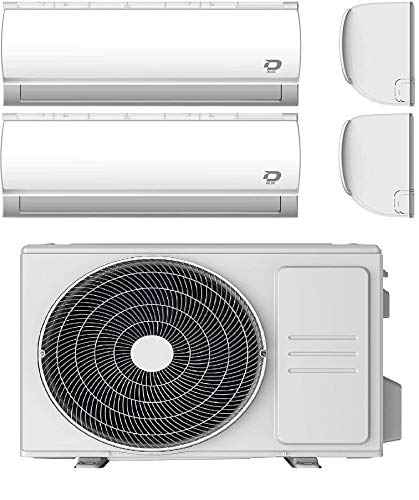
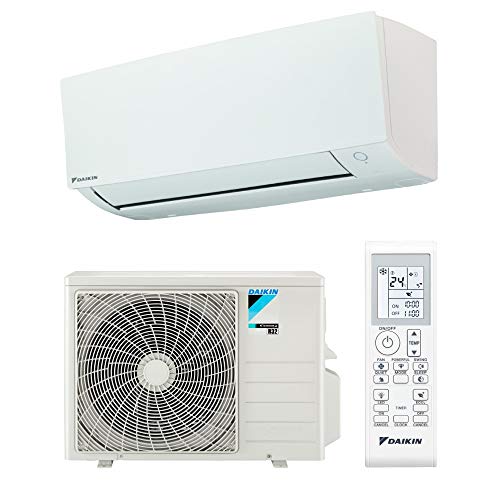
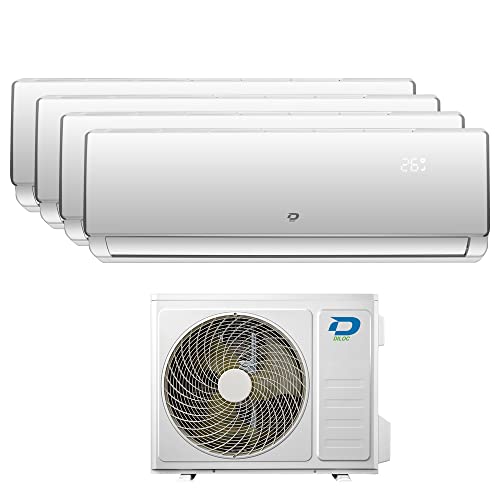
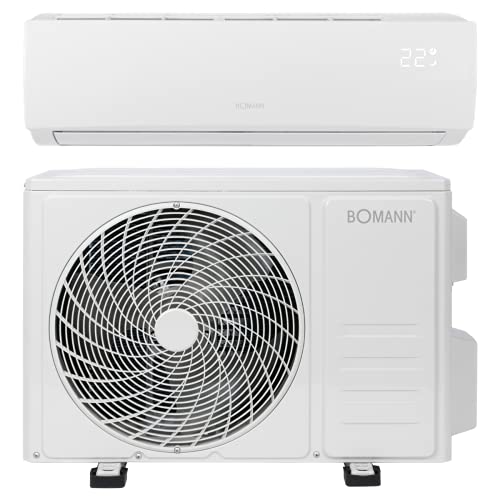
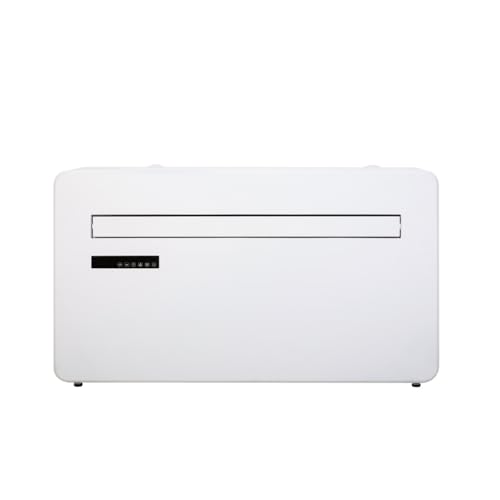
Which brands make the best quiet air conditioners?
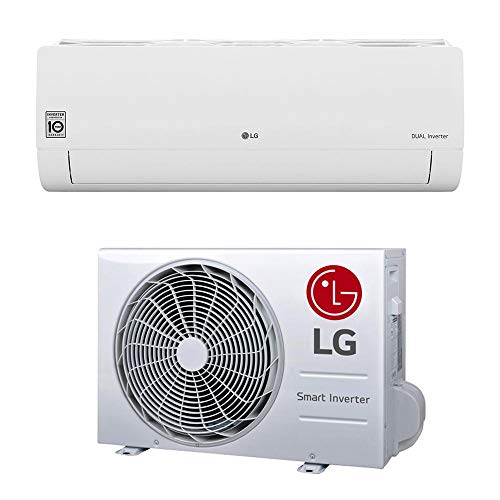
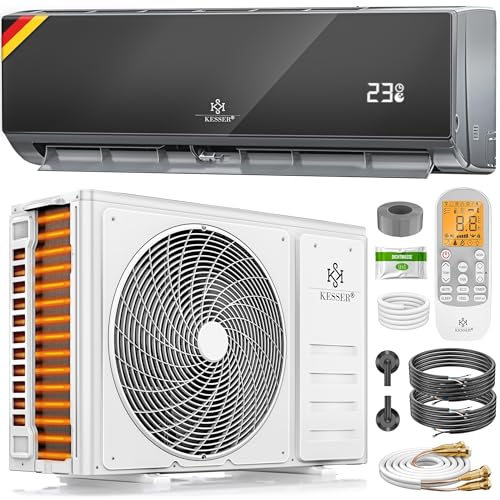
The brands with the highest average scores among quiet air conditioners are as follows.
- LG (Average overall score: 8.4)
- KESSER (Average overall score: 7.8)
- DILOC (Average overall score: 7.5)
The chart below ranks brands by average overall score among quiet air conditioners.
[horizontal-chart-15033788356508183976009458477248714821783202213067]
What decibel level counts as quiet for an air conditioner?
An air conditioner is quiet for a bedroom when its low-mode indoor sound is roughly 20–25 dB, while a maximum indoor sound level up to 50 dB is a useful upper-bound filter for calmer systems.
The low figure describes a reduced fan setting, not every operating condition. During a heatwave, the unit may need medium or high airflow, so compare both the low-mode and maximum values and listen for tonal hum as well as the headline dB number.
Outdoor sound matters separately, especially near a bedroom window or neighbour's property. Check the outdoor-unit rating, mounting surface, night schedule, and distance from sleeping rooms before deciding that an indoor figure alone guarantees quiet comfort.
Which rooms benefit most from a quiet air conditioner?
Bedrooms benefit most from a quiet air conditioner because sleep can be disturbed by fan changes, compressor vibration, or tonal outdoor noise. A low sound figure is also valuable in home offices, nurseries, libraries, and small sitting rooms where people spend long periods.
Open-plan kitchens may need more airflow and can mask sound with household activity, while a badly placed outdoor unit can still disturb a bedroom. Room placement, wall construction, airflow direction, and the ability to maintain temperature without high fan speed matter alongside the dB rating.
Why can two air conditioners with the same noise rating sound different?
Two air conditioners with the same noise rating can sound different because the measurement mode, fan speed, compressor frequency, and room acoustics are not identical.
One unit may produce a smooth low hum while another has a more noticeable tonal or pulsing sound. Indoor-unit louvers, wall resonance, pipe vibration, and the distance to the bed or desk can change perceived noise even when the published figure matches.
Ask which mode produced the number and whether it is sound pressure or sound power. A qualified installer should isolate pipework, use a firm mounting surface, keep the outdoor unit clear of obstructions, and avoid placing the indoor unit directly above a bed or work chair.
Quieter operation can reduce cooling performance temporarily because the unit lowers fan speed and compressor output to limit sound. That trade-off is often worthwhile at night when the room is already near the set temperature.
It is less suitable during peak heat if the room has strong solar gain, poor insulation, or a capacity shortfall. Look for an automatic or sleep mode that raises output when needed, and choose a correctly sized unit so quiet operation does not mean continuous high-speed recovery.
Which settings help an air conditioner stay quiet at night?
Sleep mode, low fan speed, gradual airflow, a stable set temperature, and a timer are the settings most likely to keep an air conditioner quiet at night.
Set the temperature sensibly rather than demanding a large overnight change, and use a louvre position that does not blow directly across the bed. Automatic fan control can reduce cycling after the room reaches the target, while a clean filter prevents avoidable airflow noise.
Check whether the night mode also limits outdoor-unit output and display brightness. If the room still needs high power overnight, a stronger correctly sized unit may be quieter than a small system operating continuously at its limit.
How much do quiet air conditioners cost?
Quiet air conditioners cost about £300-£1,300 for equipment, with professional installation priced separately. Compact entry systems near £300-£600 can be quiet at low fan speed, while better insulated indoor units, stronger heating, and premium controls move toward £600-£1,300.
Budget separately for pipework, brackets, electrical work, drainage, commissioning, and vibration isolation. Spending more on the indoor unit does not fix a noisy outdoor location or an undersized system, so installation and capacity are part of the quietness budget.
The chart below shows the price distribution of quiet air conditioners with a maximum indoor sound level up to 50 dB.
[vertical-chart-01749177588985178704133365831791907485394238912308]
What should you check before buying a quiet air conditioner?
Before buying a quiet air conditioner, check the following factors:
- Low-mode sound: Look for roughly 20–25 dB in the low indoor mode, but confirm the test condition and whether the system still provides useful airflow. A low headline figure is not the same as quiet full-power operation.
- Maximum indoor sound: A maximum indoor sound level up to 50 dB is a useful starting filter for bedrooms and studies. Compare the exact model's maximum value because similar capacities can differ noticeably.
- Outdoor-unit noise: Check the outdoor sound rating, night mode, mounting surface, and distance to windows or boundaries. Outdoor vibration can be more disturbing than the indoor fan in a poorly planned installation.
- Capacity and reserve: Size the unit for the real heat load and leave enough output to cope with solar gain. An undersized system may run at high fan speed continuously, defeating the quietness goal.
- Fan and sleep modes: Confirm low, silent, sleep, automatic, and timer functions on the exact remote or app. Check what happens to airflow and temperature control when those modes are active.
- Installation acoustics: Ask for vibration isolation, secure brackets, insulated pipework, and clear airflow around the outdoor unit. Wall resonance and obstructions can add noise that does not appear on the label.
- Filter and maintenance: Inspect filter access and cleaning instructions because dust increases airflow resistance and fan noise. Confirm service support before choosing a specialised quiet model.