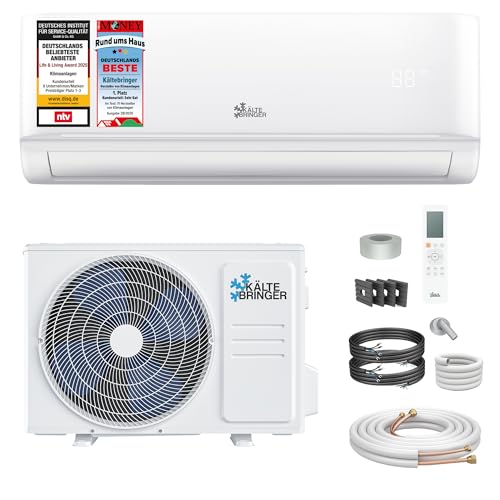
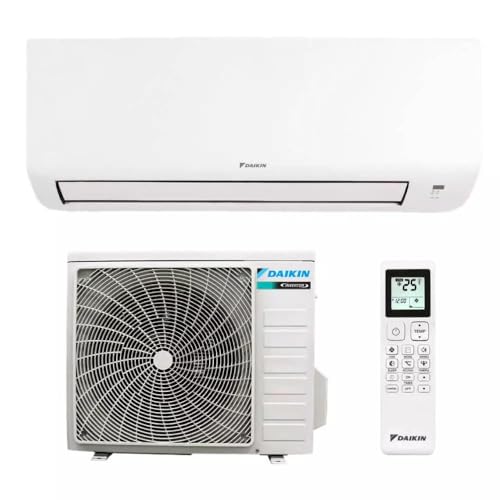
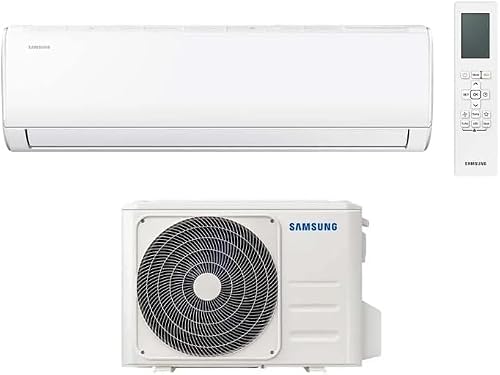
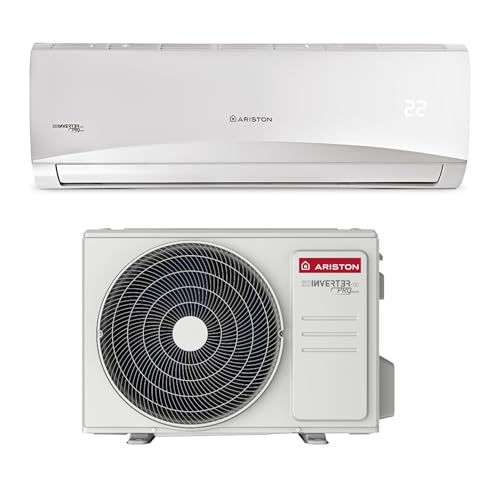
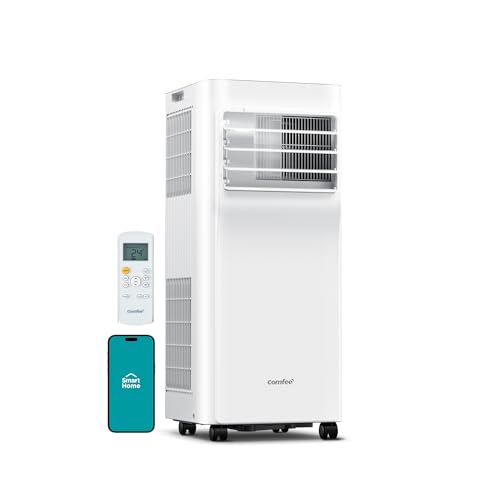
What does 9000 BTU mean for an air conditioner?
A 9000 BTU air conditioner has a nominal cooling capacity of about 2.6 kW, using the BTU/h rating as a measure of heat removal. It does not mean the unit will always draw 9000 BTU worth of electricity, and it does not guarantee a fixed room size.
Capacity is tested under defined conditions, while real performance changes with outdoor temperature, indoor heat, insulation, glazing, and the selected fan mode. The same 9000 BTU class can therefore feel adequate in one 20 m² room and undersized in another.
Use the rating as a first filter, then compare the model’s recommended area, minimum and maximum output, sound level, SEER, and installation requirements. A correctly sized inverter is usually more comfortable than a larger unit that cycles aggressively.
When should you choose a 9000 BTU air conditioner?
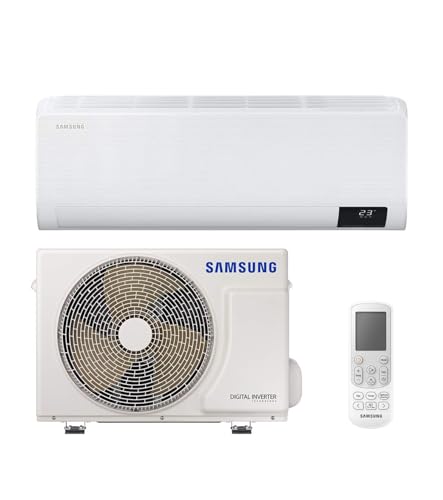
Choose a 9000 BTU air conditioner for a small bedroom, home office, guest room, or compact living space when the heat load is moderate. It is often a sensible fit for about 15–25 m², but direct sun, poor insulation, high ceilings, and heat-producing equipment can move the requirement upward.
It is less suitable for an open-plan room, large kitchen, or very sunny attic unless a heat-load calculation supports it. Verify room area, window orientation, ceiling height, insulation, expected occupants, heating use, and minimum modulation before choosing; an undersized system can stay loud, while an oversized one may cycle and manage humidity poorly.
What room size can a 9000 BTU air conditioner cool?
A 9000 BTU air conditioner can often cool about 15–25 m² in ordinary conditions. The lower end is safer for a sunny bedroom, top-floor room, or weakly insulated space, while the upper end assumes moderate solar gain, a normal ceiling, and limited internal heat.
A closed bedroom may fit the class well, but an open doorway, large window, or adjacent kitchen adds load. Published area values are reference points, not a promise that one capacity fits every floor plan.
Ask the installer to consider orientation, glazing, insulation, people, electronics, and pipe length. If the room frequently reaches full output, compare a larger capacity or improved shading rather than relying on a lower setpoint to compensate.
How energy-efficient are the best 9000 BTU air conditioners?
The best 9000 BTU air conditioners commonly use inverter compressors and A++ or A+++ cooling classes. For frequent summer use, compare SEER and the rated input at normal load, because the class alone does not show how efficiently the unit modulates through a season.
Small rooms benefit from a low minimum output: a unit that can turn down smoothly avoids repeated starts after the target temperature is reached. Clean filters, clear outdoor airflow, sensible set temperatures, and correct refrigerant commissioning are equally important.
If the unit will heat in winter, check SCOP and low-temperature heating output separately. A compact 9000 BTU model can be efficient for a bedroom but still unsuitable if its heating capacity or defrost behaviour does not match the climate.
How much do 9000 BTU air conditioners cost?
New 9000 BTU air conditioners generally cost about £220-£770 for the appliance, with installation extra. Portable or basic models sit near the lower end, while efficient wall-mounted units with quiet night modes, Wi-Fi, and better filtration often cost £300-£800.
The complete cost includes brackets, pipework, drainage, electrical protection, commissioning, and possible wall access work. Compare sound, seasonal efficiency, warranty, and service availability rather than assuming every 9000 BTU model offers the same comfort. The chart below shows the new-product price distribution for 9000 BTU air conditioners.
The chart below shows the new-product price distribution for 9000 BTU air conditioners.
[vertical-chart-04125557119785917756077673769714249441661887169511]
What should you check before buying a 9000 BTU air conditioner?
Before buying a 9000 BTU air conditioner, check the following factors:
- Actual heat load: Use 15–25 m² only as a starting point and adjust for sun, insulation, windows, ceiling height, and occupants.
- Output range: Check nominal, minimum, and maximum cooling output so the unit can run quietly instead of cycling.
- Noise: Compare low and high indoor sound figures, especially for a bedroom or home office.
- Efficiency: Prefer a clear A++/A+++ class and compare SEER; check SCOP separately if heating matters.
- Installation: Confirm pipe length, drainage, outdoor clearance, electrical work, and service access before ordering.
- Controls: Verify timer, night mode, louver adjustment, Wi-Fi, and local or offline control.
- Maintenance: Check filter access, cleaning interval, spare parts, warranty, and commissioning responsibilities.