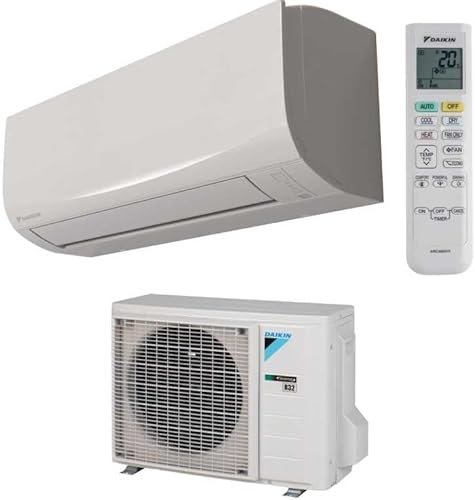
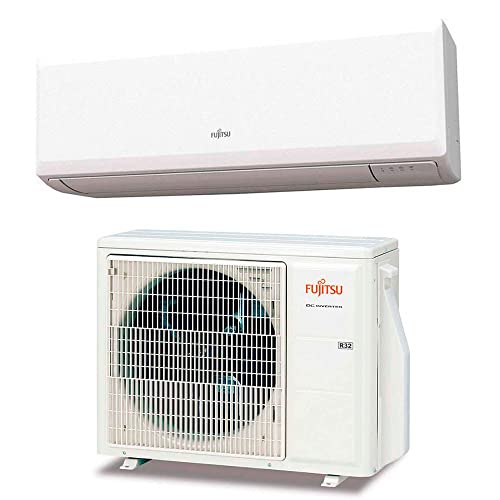
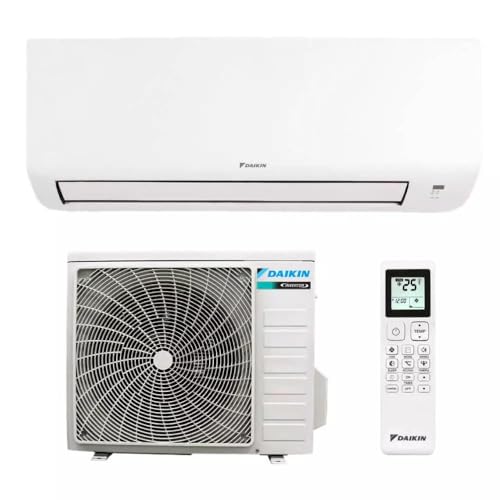
Which brands make the best air conditioners for small rooms?
Among air conditioners rated for rooms up to 30 m², the brands with the highest average scores are as follows.
- Toshiba (Average overall score: 8.1)
- Olimpia Splendid (Average overall score: 7.5)
- Daikin (Average overall score: 7.5)
The chart below ranks brands by average overall score among air conditioners rated for rooms up to 30 m².
[horizontal-chart-06400541288375439367164541802705897029383983586701]
What room area is suitable for a small-room air conditioner?
A small-room air conditioner is generally suitable for about 15–30 m² when the room has ordinary insulation, ceiling height, glazing, and solar exposure.
A shaded bedroom with good insulation may need less output than a sunny attic room of the same area. Open doors, kitchen heat, several occupants, and large windows can move the room beyond the practical range for a small system.
Use the rated coverage as a guide and ask the installer to assess the heat load. A unit that is too large can cycle and remove humidity poorly, while a small unit that is too weak may remain noisy through the hottest part of the day.
What cooling capacity should an air conditioner for a small room have?
An air conditioner for a small room commonly needs about 2.0–3.5 kW of cooling, with the lower end more suitable to well-insulated bedrooms and the upper end more suitable to sunny or larger rooms. Capacity should reflect the room's heat load rather than a 30 m² label alone.
Compare rated capacity, minimum output, airflow, SEER, and sound level together. A unit that can modulate down is useful in a small room because it avoids repeated cycling after the target temperature is reached.
What physical size is practical for an air conditioner in a small room?
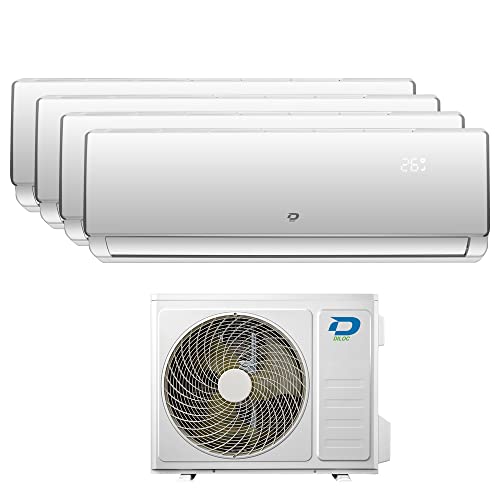
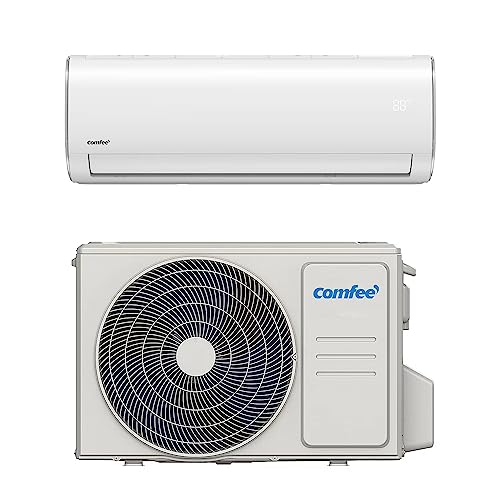
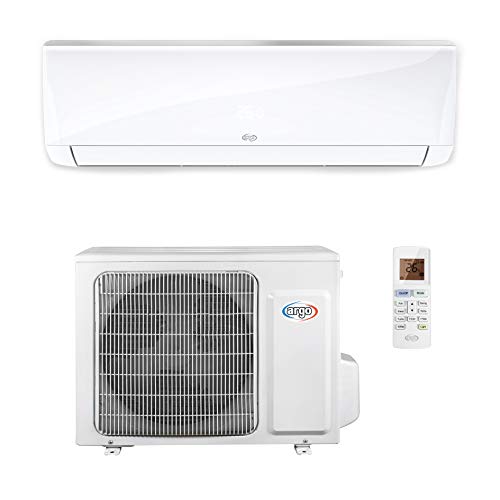
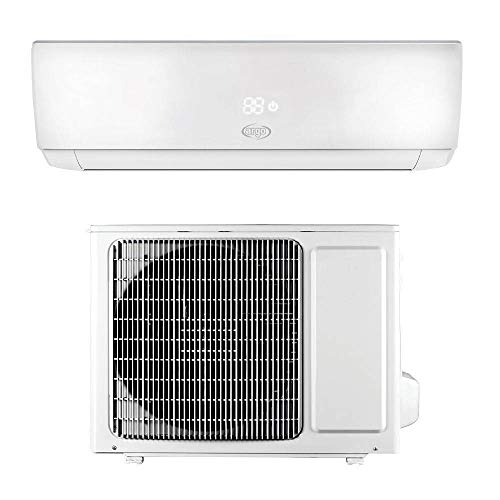
A practical small-room wall unit is often about 75–90 cm wide and 20–30 cm deep, but the exact dimensions and clearances vary by capacity and design.
Measure the wall, ceiling gap, side clearance, airflow path, service access, pipe exit, and condensate route before ordering. The outdoor unit also needs clear airflow, a stable bracket, and enough space for maintenance.
A compact cabinet is not the same as a portable air conditioner. If the system must move between rooms, a floor-standing portable design may fit the use better, but it normally brings more indoor noise and a less efficient exhaust arrangement.
How much electricity do air conditioners for small rooms use?
Air conditioners for small rooms can use relatively little electricity when they are correctly sized, well insulated, and operated at a stable temperature, but the bill depends on hours, weather, set point, and efficiency. A 2.0–3.5 kW cooling rating is heat-removal output, not electrical input.
Compare SEER, rated input, inverter modulation, standby use, and heating efficiency rather than treating capacity as consumption. Close doors, shade sunny windows, clean filters, and avoid extreme set points; these conditions can matter more than a small difference between similar energy labels.
How much do air conditioners for small rooms cost?
Air conditioners for small rooms cost about £300-£900 for equipment, with professional installation priced separately. Basic systems near £300-£400 cover common cooling and heating needs, while quieter, more efficient, connected, or premium units often sit around £400-£900.
Add brackets, pipework, electrical work, drainage, commissioning, and any Wi-Fi module. A compact wall unit may be cheaper to run than a portable system, but it has a higher installation commitment.
The chart below shows the price distribution of air conditioners rated for rooms up to 30 m².
[vertical-chart-06477442599844480131138875780509194647260065731247]
What should you check before buying an air conditioner for a small room?
Before buying an air conditioner for a small room, check the following factors:
- Room heat load: Assess area together with insulation, glazing, ceiling height, solar gain, and occupancy. Up to 30 m² is a broad guide, not a universal capacity rule.
- Cooling output: Compare about 2.0–3.5 kW options with the calculated load and minimum output. A large unit may cycle, while a weak one may stay loud and fail to dehumidify.
- Indoor size and airflow: Measure the indoor unit, clearances, pipe route, drain, and airflow direction. Do not place the outlet directly across a bed or desk simply because the cabinet fits.
- Sound level: For sleeping or working rooms, look for low-mode sound around 20–25 dB and check maximum sound as well. Quiet operation depends on fan mode and placement.
- SEER and SCOP: Compare seasonal cooling and heating ratings at the same capacity and climate assumption. Use SCOP if the unit will provide regular shoulder-season or winter heat.
- Fixed or portable use: Choose a fixed split for quieter efficient long-term comfort, or a portable design when temporary movement matters more. Portable units need exhaust sealing and usually make more indoor noise.
- Installation and upkeep: Confirm drainage, outdoor clearances, filter access, commissioning, warranty, and local service. Small rooms leave little tolerance for poor placement or blocked airflow.