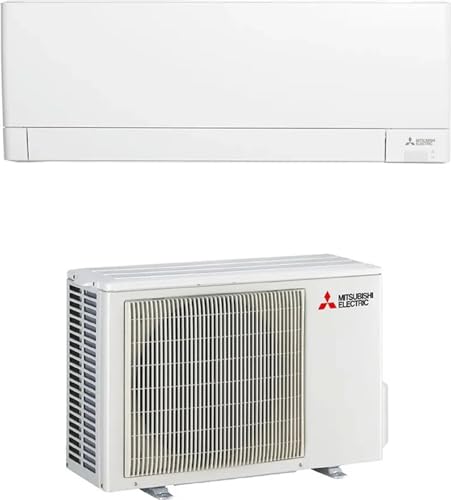
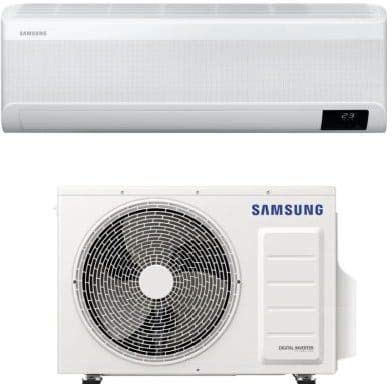
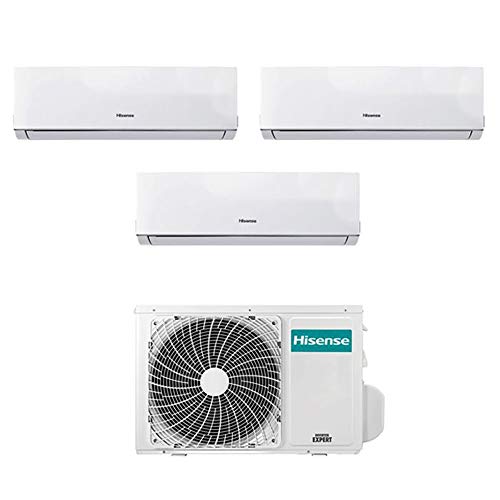
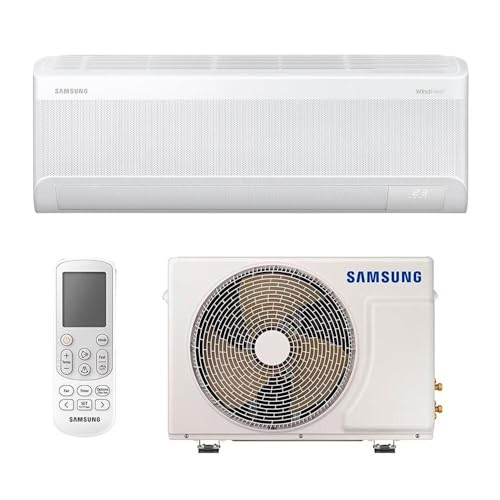
Which brands make the best energy-efficient air conditioners?
Among A+++ and A++ cooling-class air conditioners, the brands with the highest average scores are as follows.
- electriQ (Average overall score: 8.3)
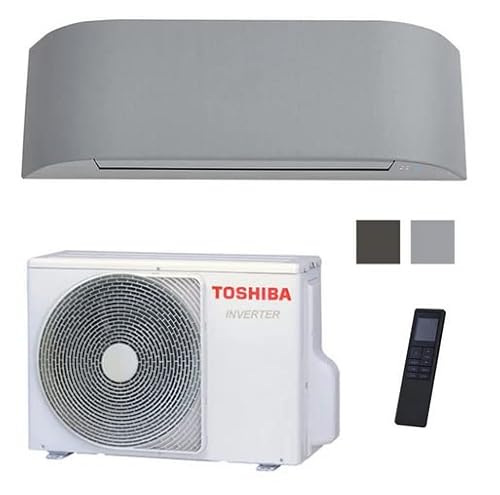
- Toshiba (Average overall score: 8.1)
- Midea (Average overall score: 7.9)
The chart below ranks brands by average overall score among A+++ and A++ air conditioners.
[horizontal-chart-09878365959063040284093560367909360772342060124993]
What does an energy-efficiency class mean for an air conditioner?
An air-conditioner energy-efficiency class summarises seasonal performance under the rating system used for the product label. For the A+++ and A++ cooling classes covered here, A+++ is the stronger band, but the class is not an exact promise of annual electricity use.
SEER adds detail by estimating seasonal cooling efficiency across a defined test profile. Compare it with rated input, annual consumption, standby use, sound, minimum output, and price, then check SCOP separately if heating is part of the purchase decision.
How much can you save with an energy-efficient air conditioner?
An energy-efficient air conditioner can reduce electricity use when it replaces a weaker seasonal rating, runs for many hours, and is correctly sized for the room. A practical saving may be around 20–40% against a comparable older or less efficient system in mixed-load operation, but weather, set temperature, insulation, and usage can change the result.
Compare SEER, SCOP, rated input, annual consumption, standby draw, and installation quality rather than assuming the class alone determines the bill. A+++ or A++ equipment cannot offset open doors, dirty filters, extreme set points, or an undersized system that runs near maximum output.
How does SEER affect the running cost of an energy-efficient air conditioner?
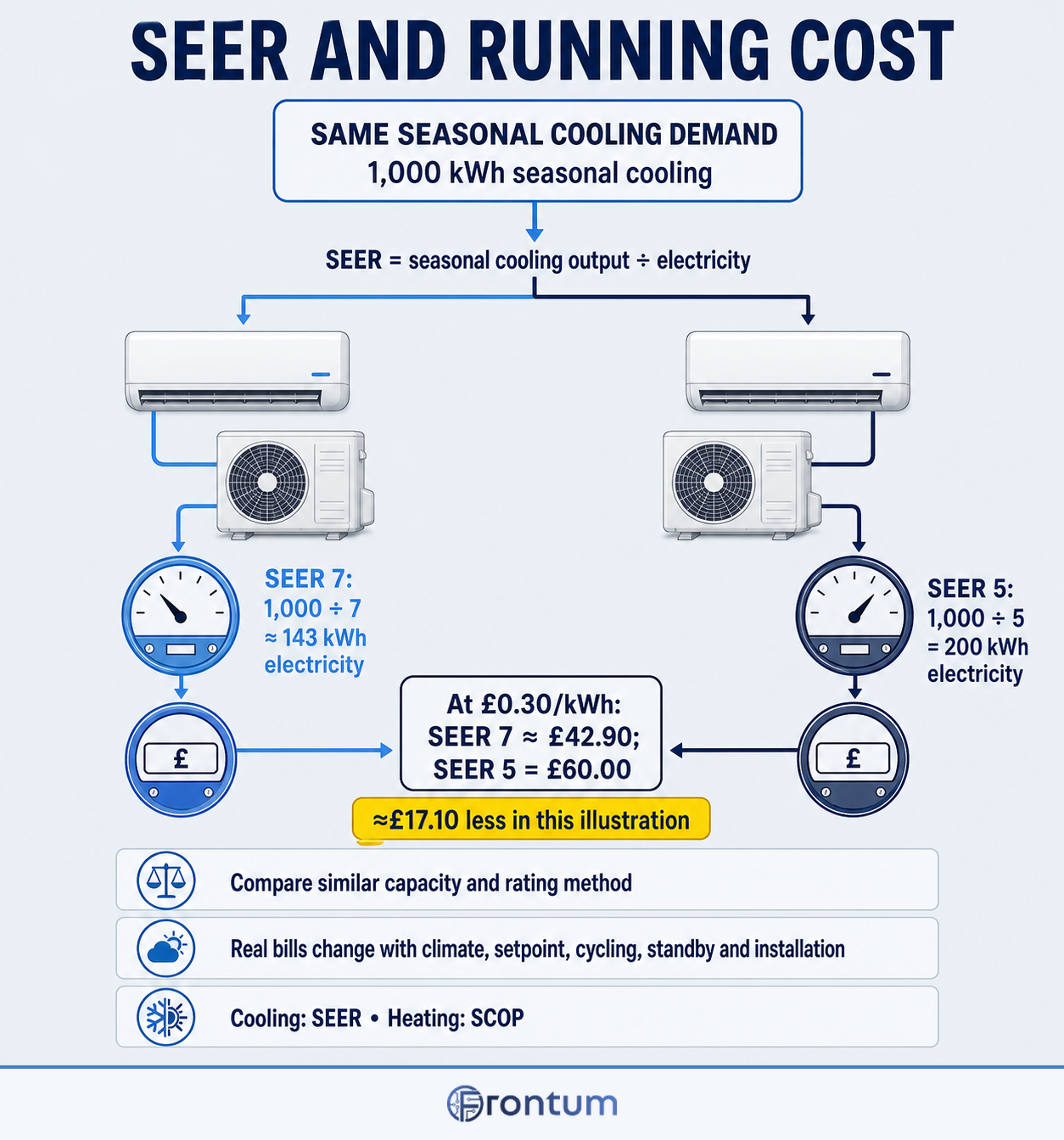
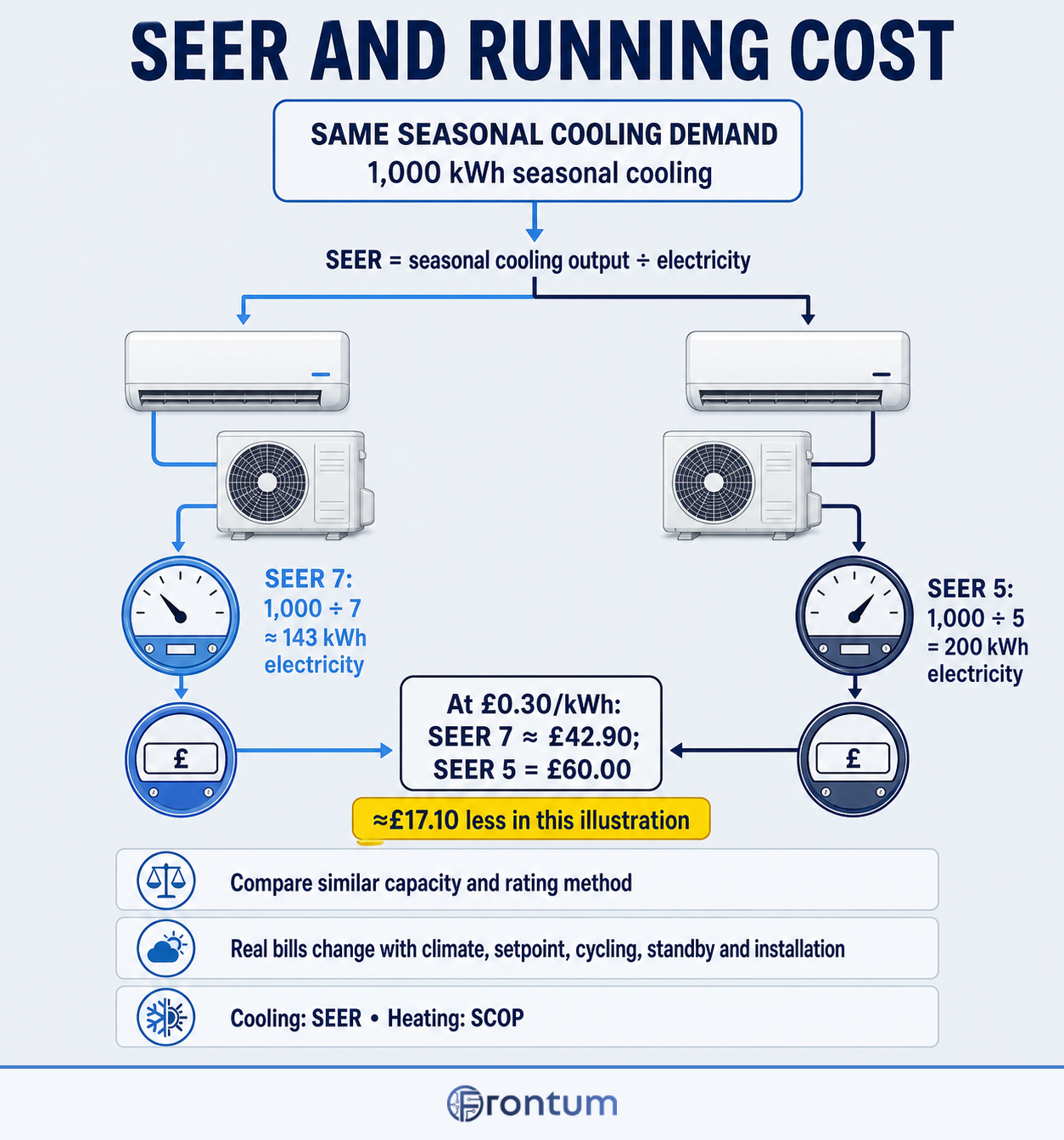
SEER affects running cost by estimating how much seasonal cooling a unit provides for each unit of electricity across a defined test profile. A higher SEER generally means less electricity for the same seasonal cooling demand, provided the units are compared at a similar capacity and rating method.
For a simple illustration, if a room needs 1,000 kWh of seasonal cooling, a system with an effective SEER of 7 would require less electricity than one with a SEER of 5. The actual result changes with climate, cycling, standby draw, setpoint, and installation.
Compare SEER alongside nominal output, minimum modulation, annual consumption, and price. Do not use a cooling SEER number to predict heating cost; SCOP is the relevant seasonal measure for the heat-pump mode.
Do inverter compressors make air conditioners more efficient?
Inverter compressors can make air conditioners more efficient by varying their speed instead of switching between full output and off. After pull-down, the compressor can reduce output to maintain temperature, which usually lowers cycling losses and improves comfort.
The benefit is largest when the unit is correctly sized and runs for long periods. An oversized unit, dirty filter, blocked outdoor coil, very low setpoint, or frequent door opening can erase part of the advantage. Inverter does not mean every model has the same seasonal performance.
Compare SEER, minimum cooling output, standby use, sound at part load, and the warranty for the compressor. Also check whether the control board and service parts are available locally, because repair cost affects long-term value.
How much do energy-efficient air conditioners cost?
New A++ and A+++ air conditioners generally cost about £300-£1,500 for the appliance, with installation extra. A++ models often offer the best balance for moderate use, while A+++ systems cost more when they add better seasonal performance, quieter operation, advanced airflow, or premium controls.
Compare the purchase premium with expected hours of use and local electricity price. Include commissioning, filters, service, and any pipe or electrical work in the calculation. The chart below shows the new-product price distribution for A+++ and A++ air conditioners.
The chart below shows the new-product price distribution for A+++ and A++ air conditioners.
[vertical-chart-18329817217122279791154903447199010379590809331357]
What should you check before buying an energy-efficient air conditioner?
Before buying an energy-efficient air conditioner, check the following factors:
- Cooling class: Use A++ or A+++ as a first screen, then compare the exact SEER and annual consumption.
- Correct size: A smaller, well-matched inverter can use less energy than an oversized high-class unit that cycles.
- SEER conditions: Check the rating profile and capacity so the comparison is like for like.
- Heating efficiency: If heating matters, compare SCOP and low-temperature output separately from cooling.
- Installation: Allow outdoor airflow, insulated pipes, correct refrigerant charge, drainage, and commissioning.
- Controls: Verify scheduling, temperature sensing, night mode, Wi-Fi, and practical offline control.
- Maintenance: Keep filters and coils clean and confirm service intervals, parts supply, warranty, and repair cost.