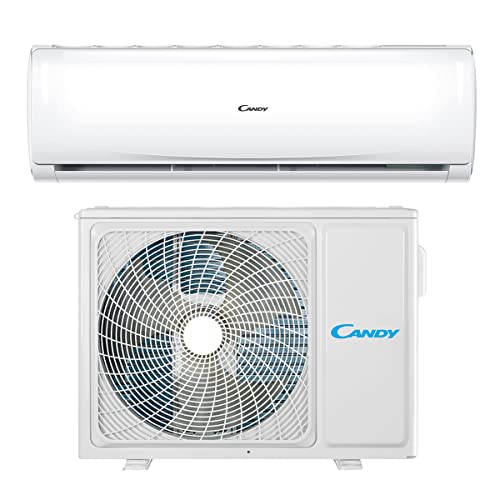
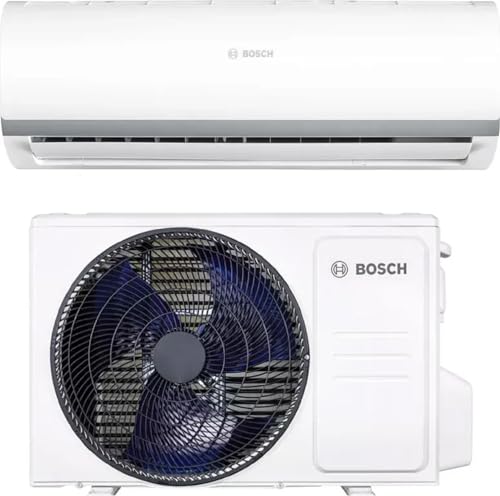
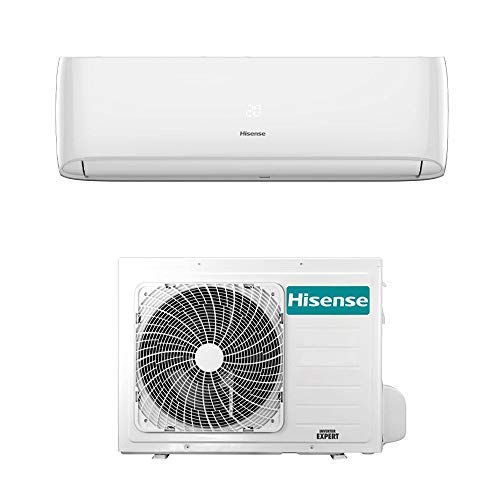
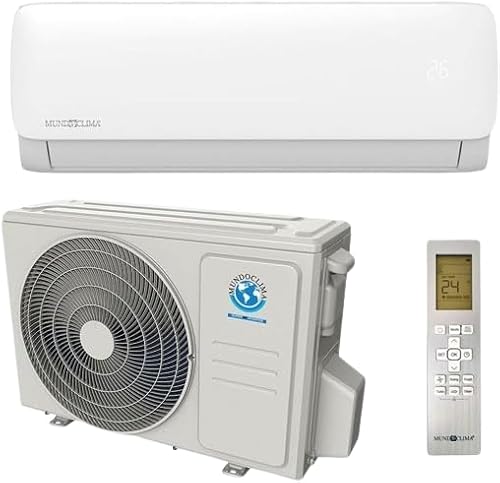
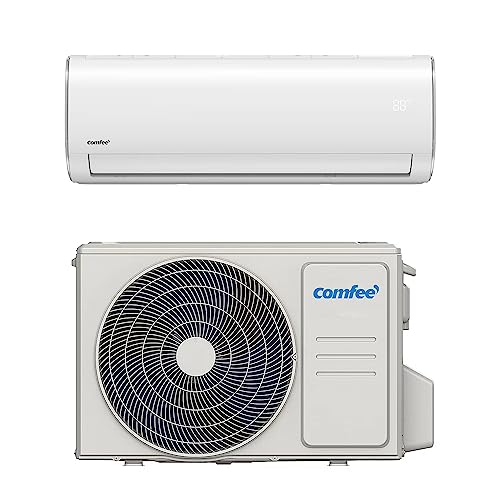
Which brands make the best reversible air conditioners?
The brands with the highest average scores among reversible air conditioners are as follows.
- Toshiba (Average overall score: 8.1)
- Midea (Average overall score: 7.9)
- Belvit AUX (Average overall score: 7.8)
The chart below ranks brands by average overall score for reversible air conditioners.
[horizontal-chart-09107270040959766313141297737485891242841276400425]
What is a reversible air conditioner and how does it work?
A reversible air conditioner is an air-source heat pump that moves heat out of a room for cooling and reverses the flow for heating. A compressor, expansion device, indoor coil, outdoor coil, and reversing valve work together to change which coil releases heat.
As outdoor temperature falls, heating needs more input and the outdoor coil may need a defrost cycle. Check both cooling and heating ratings, including SEER and SCOP, rather than assuming a high cooling class predicts winter comfort. Sizing, outdoor airflow, condensate routing, and the low-temperature range determine whether the heating mode is useful.
When should you choose a reversible air conditioner?
Choose a reversible air conditioner when you want summer cooling and efficient shoulder-season heating in the same room. It suits bedrooms, offices, and living areas where a heat pump can provide quick local warmth without running a full central system.
It works best in a reasonably insulated room with clear outdoor airflow, and it can reduce the need for separate spring and autumn heating. In a poorly insulated building or severe cold, it may need backup heat because the available output and efficiency fall as outdoor temperature drops.
Compare SCOP, minimum outdoor temperature, heating output at low temperature, defrost behaviour, noise, and the building’s winter heat loss before relying on it as the main heater. A reversible system is most useful when its declared heating range matches the climate and the room load.
How effectively can reversible air conditioners heat in cold weather?
Reversible air conditioners can heat well in moderately cold weather, but output and efficiency fall as outdoor temperature drops. A unit rated at 3.5 kW in mild weather may provide less heat at −7 °C or below, and defrost cycles can briefly interrupt warm airflow.
Look for a heating-capacity curve, minimum operating temperature, SCOP climate rating, and information about defrost and meltwater. A suitable inverter heat pump can remain comfortable through much of the shoulder season in an insulated room, but severe cold may require a second heat source.
How energy-efficient are reversible air conditioners in heating mode?
Heating efficiency is best compared with SCOP, which estimates seasonal heat delivered per unit of electricity. A higher SCOP generally means lower seasonal running cost, but climate, set temperature, defrost, standby use, and installation affect the result.
A reversible system gains most when it supplies steady low-temperature heat to an insulated room. A high setpoint, blocked outdoor coil, open doors, or an undersized unit can force high compressor output and increase electricity use.
Check SCOP for the relevant climate, low-temperature heating output, backup-heater behaviour, defrost cycle, and condensate handling. Compare the rated capacity at cold conditions as well as the headline cooling class, because winter performance is a separate buying decision.
How much do reversible air conditioners cost?
New reversible air conditioners generally cost about £300-£1,300 for the appliance, with installation extra. Compact 2.5–3.5 kW units can cost around £300-£690, while quieter models with stronger winter output and higher seasonal efficiency often reach £700-£1,300.
Compare SCOP, low-temperature capacity, outdoor sound, defrost control, drainage, and commissioning quality as well as the purchase price. The chart below shows the new-product price distribution for reversible air conditioners.
The chart below shows the new-product price distribution for reversible air conditioners.
[vertical-chart-09674229875613015810042961090301284649060143414177]
What should you check before buying a reversible air conditioner?
Before buying a reversible air conditioner, check the following factors:
- Heating load: Match winter output to the room’s heat loss instead of sizing only from summer cooling.
- SCOP and climate: Compare seasonal heating efficiency for your climate and output at the expected low temperature.
- Defrost: Ask how defrost can interrupt warm air and where meltwater will drain.
- Operating range: Verify minimum outdoor temperature, backup heat, and warranty coverage for heating mode.
- Cooling: Check cooling capacity, SEER, low-load modulation, and indoor noise separately.
- Installation: Provide outdoor airflow, vibration isolation, pipe insulation, electrical protection, and service clearance.
- Controls: Confirm schedules, night operation, app access, temperature sensing, and fan modes.